Side-by-Side IQ Profile: Herding Instinct vs. Terrier Tenacity
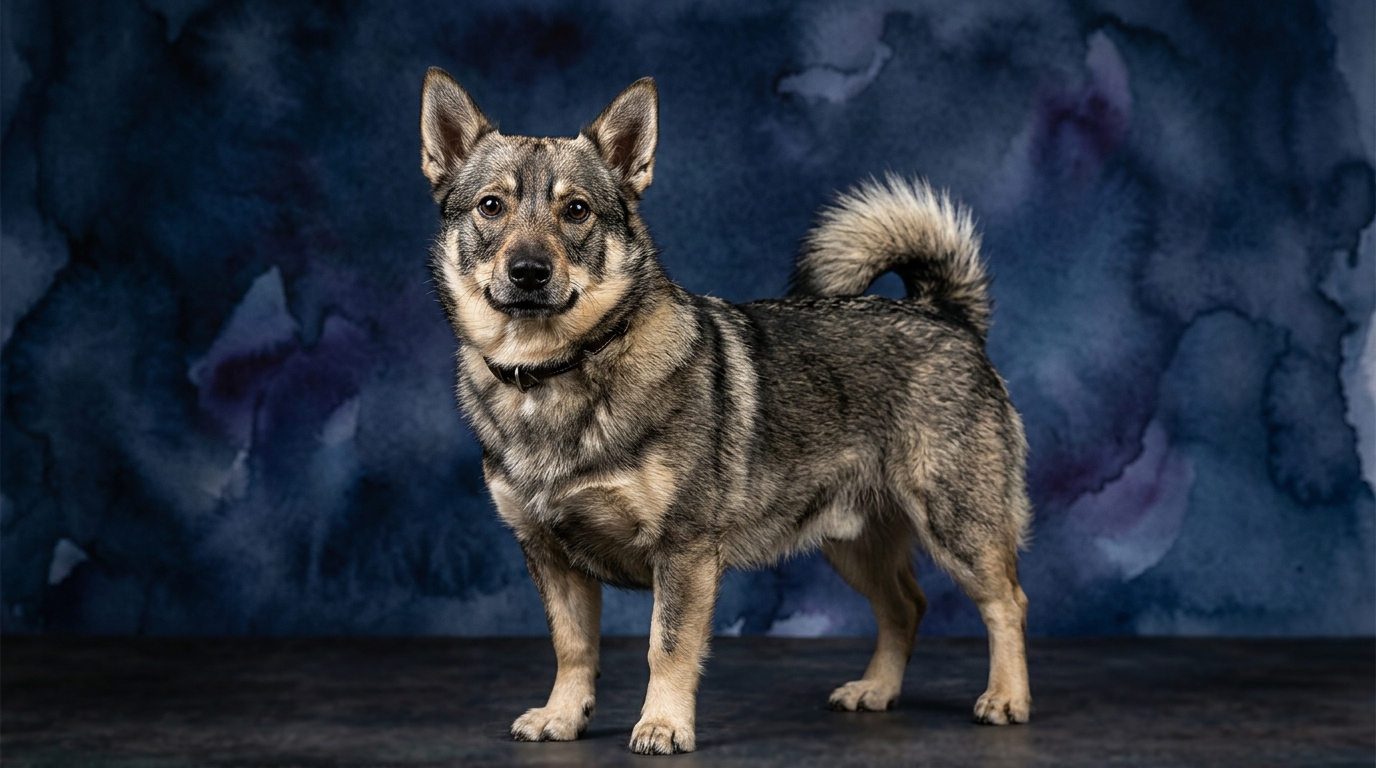
**The Swedish Vallhund: A Herding Mindset** At a 3/5 rating for Problem Solving, the Swedish Vallhund demonstrates practical, real-world intelligence, particularly in dynamic environments; their herding heritage demands strategic thinking to maneuver livestock, anticipate movement, and find efficient paths, rather than abstract puzzle-solving. Their Training Speed, also at 3/5, reflects a general responsiveness to commands, though their independent herding drive means they often apply learned behaviors with a degree of self-initiation rather than strict, rote obedience. Social Intelligence, rated 3/5, highlights their aptitude for reading cues from human handlers and other animals within a working context, understanding group dynamics crucial for effective herding. Their Instinctive Drive, a solid 3/5, is dominated by a strong herding impulse, manifesting in behaviors like nipping at heels, circling, and gathering, which forms a core part of their cognitive focus and motivation. Finally, their Memory, rated 3/5, is robust for routines, commands, and locations, essential for navigating varied terrains and recalling specific tasks over time.
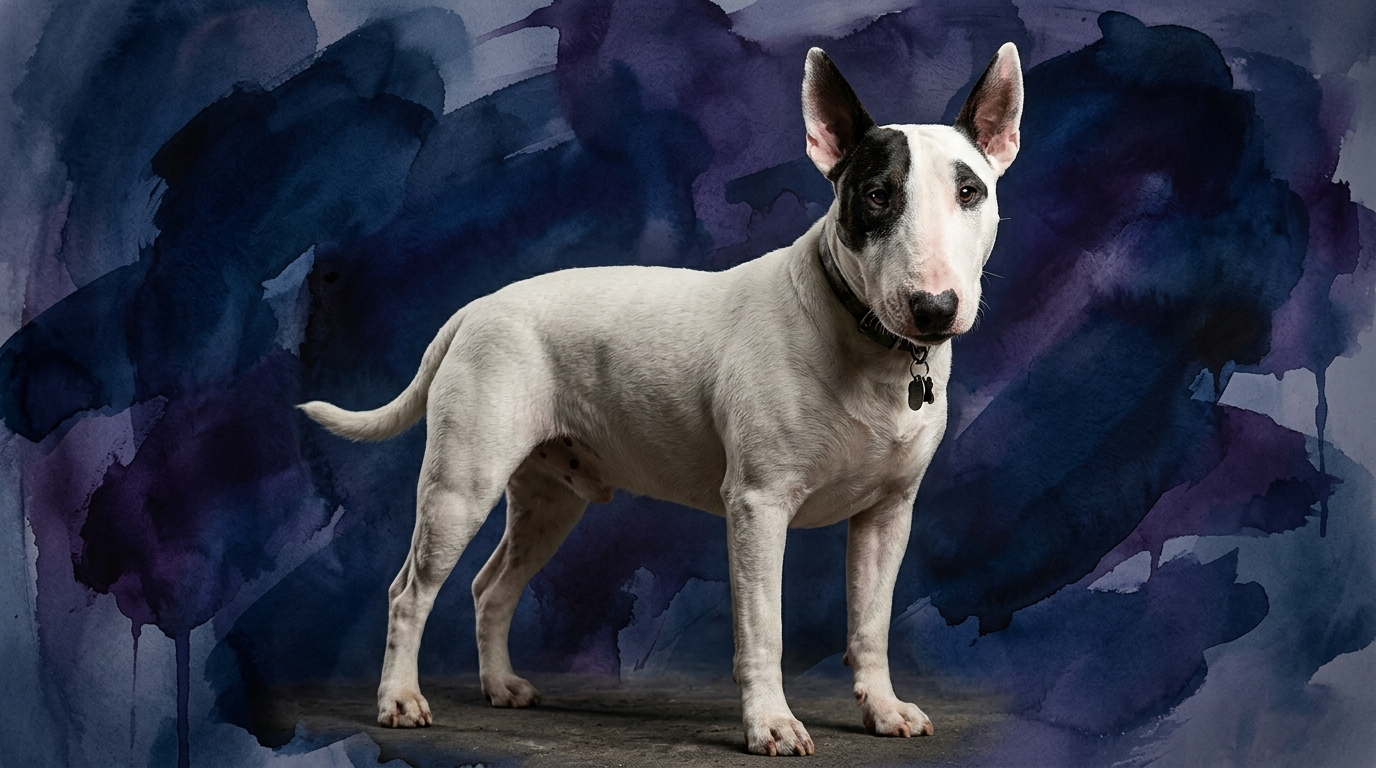
**The Bull Terrier: A Tenacious Terrier Spirit** For Problem Solving, the Bull Terrier scores 3/5, but their approach differs significantly; their terrier legacy emphasizes tenacity in digging, finding hidden objects, and navigating physical obstacles, embodying a 'never give up' attitude rather than intricate strategic planning. Their Training Speed, also 3/5, indicates they can grasp concepts quickly, but their independent and sometimes stubborn nature necessitates consistent, engaging methods, as they might learn a command but choose precisely when to comply. Social Intelligence, at 3/5, reflects their strong bonds with their immediate human family, often described as 'people dogs' attuned to their loved ones' emotions, though they might show less concern for subtle social cues from unfamiliar individuals or other canines. Their Instinctive Drive, a 3/5, is characterized by a pronounced prey drive, expressed through chasing small animals, digging, and robust, often boisterous, play, fueling much of their energy and engagement. Their Memory, rated 3/5, is good for people, places, and established routines, particularly those involving play, companionship, or remembering favored objects.
Where the Swedish Vallhund Wins Cognitively
The Vallhund's cognitive strengths distinctly emerge from their ancient role as herding dogs, allowing them to excel in situations requiring a nuanced understanding of movement and anticipation. They demonstrate superior strategic thinking within dynamic, changing environments, such as predicting the trajectory of a rolling ball or anticipating a person's path, a direct lineage from their livestock management duties. This breed often exhibits a more cooperative mindset in structured working contexts, focusing on collective goals and demonstrating an inherent desire to work alongside their human partners. Furthermore, Vallhunds tend to be more adept at reading subtle environmental cues related to movement or changes in their surroundings, a critical skill honed through generations of monitoring and guiding livestock.
Where the Bull Terrier Wins Cognitively
The Bull Terrier's cognitive advantages shine in areas demanding tenacious problem-solving and an unwavering focus on a desired outcome. When faced with a physical obstacle or a goal like retrieving a hidden toy, their persistence and sheer will to succeed often surpass that of many other breeds, reflecting their history of rooting out vermin. They often display a profound emotional connection and empathetic understanding with their immediate human family members, often appearing deeply attuned to their owner's mood or needs, creating a unique bond. While sometimes perceived as stubborn, this breed's resilience in the face of frustration is notable; they tend to power through challenges with a robust spirit, rather than giving up. Their adaptability to varied social situations, as long as they are the center of attention and feel secure with their human, also highlights a different kind of social intelligence.
Training Dynamics: Which is Easier and Why?
When considering ease of training, the Swedish Vallhund generally presents a more biddable and responsive temperament, largely due to their historical role where working collaboratively with humans was essential for survival and success. They typically respond well to positive reinforcement and consistent, clear communication, eager to learn and channel their natural herding drive into activities like agility, obedience, or even trick training. While independent in spirit, their desire to engage in tasks with their human often makes them more receptive to instruction.
The Bull Terrier, on the other hand, can prove more challenging for an inexperienced trainer due to their strong will and independent terrier nature, which often manifests as a charming stubbornness. They require immense patience, firm but fair handling, and a sense of humor, as they are renowned for testing boundaries and questioning the necessity of commands. While intelligent and capable of learning quickly, their focus can be easily diverted by their pronounced prey drive or their own desire for personal amusement, meaning training sessions must be kept engaging, varied, and highly motivating, often relying heavily on play and high-value treats to maintain their interest.
Lifestyle Match: Active Owners vs. Relaxed Owners
The Swedish Vallhund is undeniably better suited for active owners who are prepared to provide consistent mental and physical engagement. Their herding background means they thrive on activities that stimulate their intelligent minds and energetic bodies, such as long hikes, competitive dog sports like agility or obedience, or even low-impact herding games. They are not content to be mere couch potatoes and require an owner who understands their need for purpose and structured activity to prevent boredom and potential mischievous behaviors.
The Bull Terrier also demands significant physical exercise and mental stimulation, but they balance this with a deep appreciation for downtime and affectionate companionship with their family. They excel in bursts of vigorous play, enjoying games of fetch or robust wrestling, but are equally content to lounge on the sofa, provided their exercise needs have been met. They suit owners who enjoy a dynamic mix of energetic outdoor activities and relaxed indoor cuddles, and who are confident in managing a strong-willed personality with consistent boundaries and positive reinforcement, understanding that a tired Bull Terrier is a happy, well-behaved Bull Terrier.
The Verdict
If you seek a cooperative, intelligent partner for active pursuits like herding, agility, or obedience, and appreciate a dog with a thoughtful, strategic approach to their environment and a desire to work alongside you, the Swedish Vallhund is an excellent choice.
If you are drawn to a unique, affectionate, and tenacious companion with a playful spirit, and are prepared for consistent training and a dog who approaches life with a distinct, often humorous, independence, the Bull Terrier might be your ideal match.
🧠 Find Your Pet's IQ Score
Our Pet IQ Lab assessment covers 25+ tests across 5 cognitive dimensions — personalized to your breed.
Take the Full IQ Test →Frequently Asked Questions
Do Swedish Vallhunds bark a lot?
Yes, their herding ancestry means they often use their voice to communicate, whether herding livestock or alerting to perceived threats. Early training can help manage this tendency, but it's a natural behavior.
Are Bull Terriers good with children?
Bull Terriers can be very affectionate and tolerant with children they are raised with, often becoming devoted family members. However, their robust play style and strength mean supervision is always necessary, especially with younger children.
Which breed is better for first-time dog owners?
Neither breed is typically recommended for completely novice owners due to their strong personalities and specific needs. The Vallhund's herding drive and the Bull Terrier's independent streak both require owners who understand breed-specific behaviors and are committed to consistent training.