Side-by-Side IQ Profile: Herding Wit vs. Terrier Tenacity
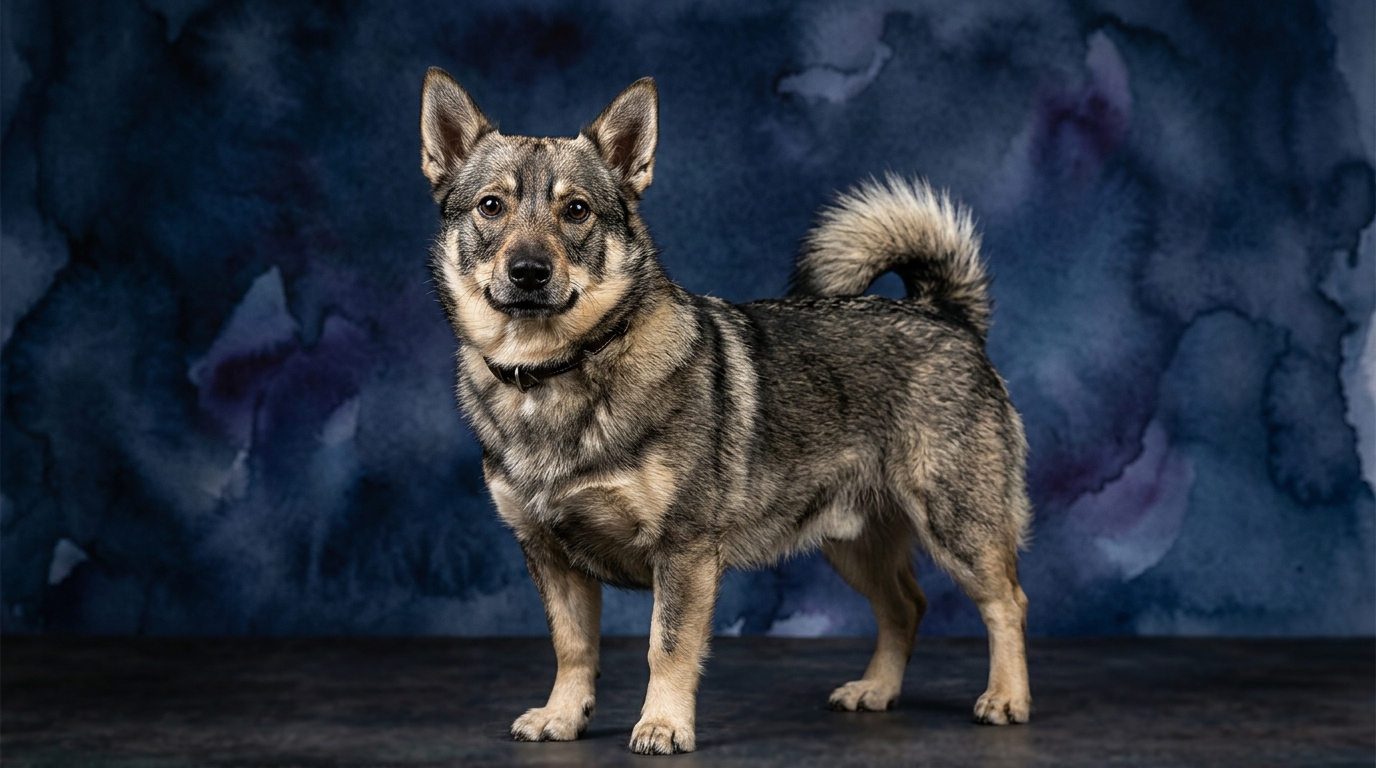
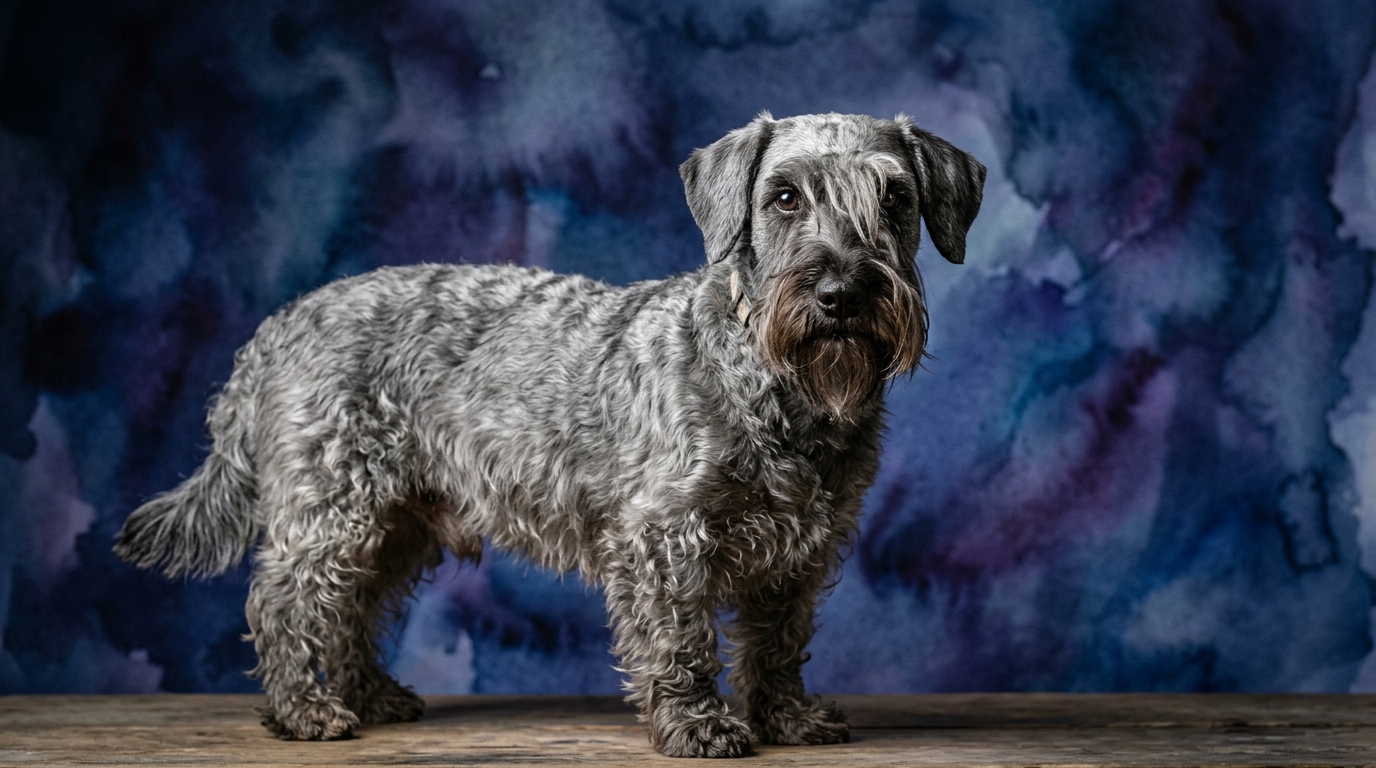
At first glance, both the Swedish Vallhund and the Cesky Terrier present an identical IQ profile across our five dimensions, each scoring a robust 3/5. However, this numerical parity doesn't mean their minds work the same way; rather, it highlights how their intelligence manifests differently through their breed-specific lenses.
For **Problem Solving (3/5)**, the Swedish Vallhund, a herding dog, demonstrates its capacity through strategic thinking in managing livestock. This involves anticipating movement, understanding boundaries, and executing complex maneuvers to gather and control. Their problem-solving leans towards cooperative tasks and understanding spatial relationships within a group. The Cesky Terrier, on the other hand, applies its 3/5 problem-solving to independent tasks. This breed excels at navigating intricate underground tunnels, figuring out how to bypass obstacles to reach burrowed prey, or persistently working to extract something from a tight spot. Their problem-solving is characterized by tenacity, resourcefulness, and a strong drive to achieve individual goals.
Regarding **Training Speed (3/5)**, the Swedish Vallhund typically picks up new commands and routines with a good pace, driven by an eagerness to work alongside their human companions. Their herding background fosters a responsiveness to cues and a desire for structured activity, making them generally receptive to learning. The Cesky Terrier also exhibits a good training speed, but their terrier independence often means they learn best when motivated by strong positive reinforcement and when the training feels like a rewarding game. They can be quick studies but might require more inventive methods to maintain engagement, especially if their instincts pull them in another direction.
**Social Intelligence (3/5)** in the Swedish Vallhund often translates to an astute ability to read human emotions and intentions, making them empathetic family members. They integrate well into a family unit, understanding social hierarchies and responding to subtle cues. Their social intelligence is geared towards cooperation and companionship. The Cesky Terrier's social intelligence, while equally rated, often presents as a deep, discerning bond with their immediate family. They can be reserved with strangers, evaluating new individuals carefully. Their social acumen is focused on loyalty and protection within their trusted circle, with a self-assured demeanor.
Their **Instinctive Drive (3/5)** is where their differences become most apparent. The Swedish Vallhund's drive is rooted in its herding heritage, manifesting as a desire to gather, circle, and 'manage' family members or other pets. This instinct is often channeled into constructive activities like agility or canine sports. The Cesky Terrier's instinctive drive is a classic terrier prey drive: a persistent urge to dig, chase, and hunt small vermin. This drive is powerful and can be challenging to redirect, requiring consistent training and appropriate outlets for their natural inclinations.
Finally, **Memory (3/5)** in the Swedish Vallhund enables them to recall a wide array of commands, routines, and family member preferences. They remember spatial layouts for tasks and past training sessions effectively. The Cesky Terrier's memory also serves them well, particularly in remembering locations of interesting scents, past hunting opportunities, or specific routines. They can be quite adept at recalling past experiences, sometimes even holding onto perceived slights or unfair treatment if not handled thoughtfully.
Where the Swedish Vallhund Wins Cognitively
Despite identical scores, the Swedish Vallhund excels in cognitive areas requiring cooperative problem-solving and a strong desire for human partnership. Their herding background means they are often more inclined to engage in tasks that involve working *with* a person to achieve a shared goal. Their problem-solving skills are particularly strong in scenarios demanding strategy and anticipation, like navigating an agility course or learning complex scent work, where they must follow directions while also making independent, adaptive choices. This breed's social intelligence often allows for a more fluid and less guarded integration into a variety of social settings, making them adept at reading the room and adjusting their behavior accordingly.
Where the Cesky Terrier Wins Cognitively
The Cesky Terrier, with its terrier heritage, shines in cognitive areas demanding independent thought, persistence, and resourcefulness. Their problem-solving is often more self-directed, focused on overcoming obstacles through sheer determination and cleverness, particularly when a strong drive is involved, such as finding a hidden treat or navigating a new environment to explore. Their instinctive drive to investigate and pursue gives them an edge in tasks requiring sustained focus on a single objective, often without constant human oversight. This breed's memory is robust for details related to their environment and specific sensory cues, making them excellent at tracking or remembering where interesting things are located.
Which Is Easier to Train and Why?
When considering ease of training, the Swedish Vallhund generally presents a more straightforward experience for many owners. Their herding instinct makes them inherently responsive to direction and eager to please, as cooperation is built into their genetic makeup. They tend to form strong working partnerships and thrive on structure, making them relatively quick to grasp commands and integrate into routines. This responsiveness is a direct result of generations spent working closely with shepherds, where understanding and following human cues were paramount for success.
The Cesky Terrier, while certainly capable of learning, often requires a more patient and creative approach to training. Their strong independent streak and inherent prey drive mean they can be easily distracted by novel scents or movements, and they may decide that their own agenda is more pressing than a human command. Training a Cesky requires making it engaging, fun, and highly rewarding to overcome their natural inclination to be self-sufficient. Owners must understand that a Cesky's 3/5 training speed is coupled with a discerning mind that needs compelling reasons to comply, rather than an inherent desire to simply obey.
Which Suits Active Owners vs. Relaxed Owners?
The Swedish Vallhund is an excellent match for active owners who enjoy engaging their dog in various activities. Their herding background means they possess a moderate to high energy level and a keen mind that thrives on mental and physical stimulation. They excel in dog sports like agility, obedience, herding trials, and even flyball, appreciating owners who provide consistent training, long walks, and opportunities to 'work.' A relaxed owner might find a Vallhund's need for engagement challenging, potentially leading to boredom-induced behaviors if not adequately addressed.
The Cesky Terrier, while active, can adapt to a slightly more relaxed owner, provided their specific needs are met. They require daily walks and opportunities to explore and sniff, satisfying their investigative instincts. However, their physical activity doesn't always need to be as structured or intense as a herding breed's; mental challenges like puzzle toys, scent games, and short, engaging training sessions can be equally important. A relaxed owner who appreciates a dog with a strong personality and is willing to provide consistent mental stimulation and outlets for their digging and chasing instincts will find a loyal companion in the Cesky, though complete inactivity would not suit this breed.
The Verdict
Choose the Swedish Vallhund if you seek a cooperative, versatile partner for dog sports and activities, thriving on shared tasks and a strong working bond. They suit owners who appreciate a dog eager to engage in structured mental and physical challenges.
Opt for the Cesky Terrier if you admire a tenacious, independent spirit with a deep loyalty to its family, perfect for owners who appreciate a clever dog that enjoys sniffing, exploring, and solving problems on its own terms.
🧠 Find Your Pet's IQ Score
Our Pet IQ Lab assessment covers 25+ tests across 5 cognitive dimensions — personalized to your breed.
Take the Full IQ Test →Frequently Asked Questions
Do Swedish Vallhunds have a strong prey drive?
While their primary drive is herding, Swedish Vallhunds can exhibit some prey drive, especially towards small, fast-moving animals, as part of their instinct to control movement. This is generally less intense than a terrier's dedicated hunting drive, but it still requires management and training.
Are Cesky Terriers good with children?
Cesky Terriers can be good with respectful, older children who understand how to interact with a dog that values its personal space. They are generally loyal to their family but may be less tolerant of rough play or persistent teasing compared to some other breeds.
How much exercise do these breeds need daily?
Swedish Vallhunds typically require at least 60-90 minutes of vigorous exercise and mental stimulation daily, including walks, playtime, and training sessions. Cesky Terriers need 45-60 minutes of moderate exercise, including walks and opportunities for sniffing and exploration, with mental enrichment being equally important.