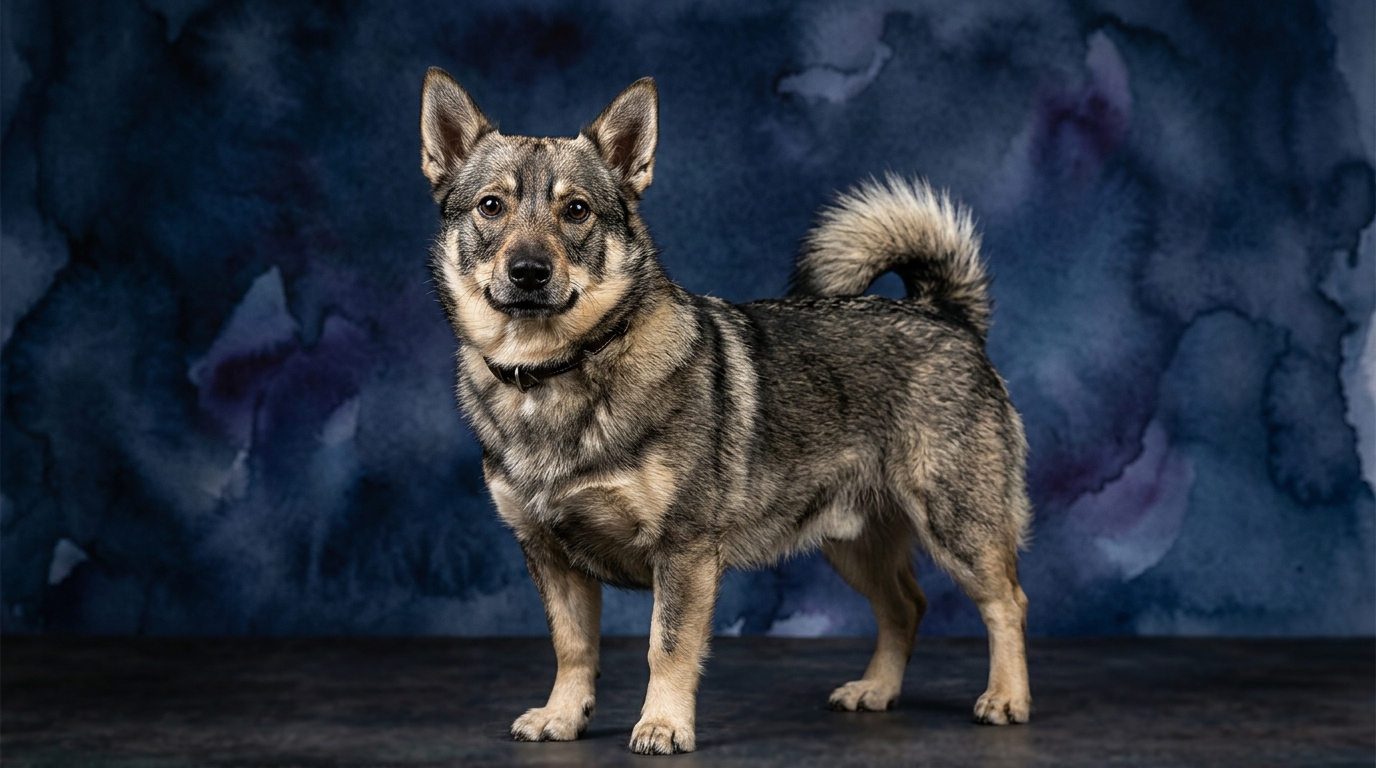
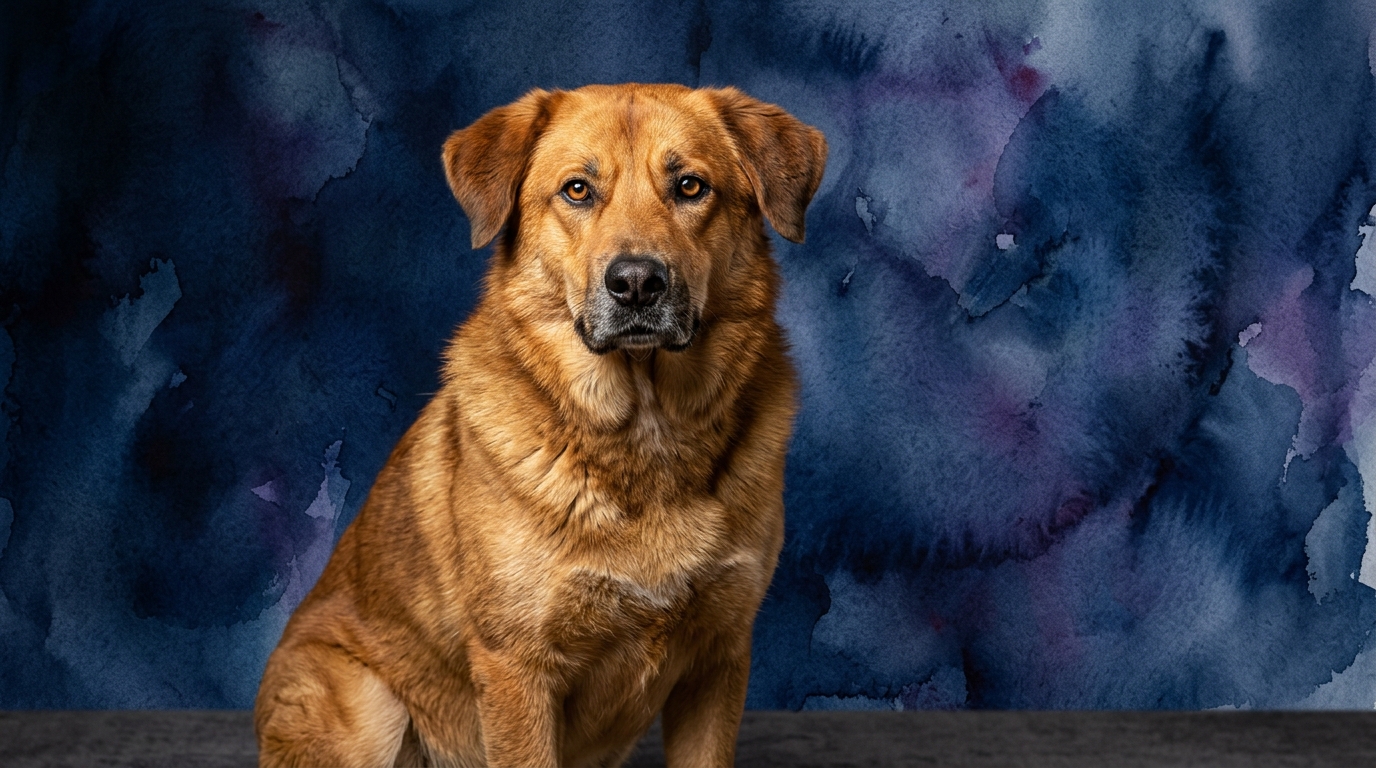
Side-by-Side IQ Profile: Unpacking the 3/5 Scores
When both the Swedish Vallhund and the Chinook score 3 out of 5 in problem-solving, it indicates they possess a capable and adaptable mind, able to navigate moderately complex challenges. For the Vallhund, this often translates into an aptitude for quickly assessing environmental changes, strategizing how to move livestock, or figuring out novel ways to achieve a goal within its immediate surroundings. The Chinook, conversely, applies this problem-solving capacity to its working tasks, such as understanding how to navigate varied terrain while pulling, or learning the most efficient path to complete an assigned duty.
A 3/5 in training speed suggests both breeds are competent learners, capable of grasping new commands and routines with reasonable repetition and clear instruction. The Vallhund, with its herding background, often responds well to training that involves movement, direction, and a clear purpose, quickly picking up cues related to control and precision. The Chinook, bred for cooperative work and sledding, tends to learn efficiently when training is framed as a partnership, responding to consistent reinforcement and tasks that engage its desire for purpose and companionship. Neither breed is a slow learner, but their motivational levers for rapid acquisition differ.
Social intelligence at 3/5 for both indicates a solid ability to interpret and respond appropriately to social cues from humans and, to some extent, other animals. The Swedish Vallhund's social acumen is finely tuned to reading its handler's intentions and the subtle behaviors of livestock, enabling it to anticipate and react effectively in dynamic group settings. The Chinook's social intelligence shines in its capacity for close human bonding and team cooperation, allowing it to integrate smoothly into a family unit or a working team, understanding its role and responding to the emotional states of its companions. Both are attuned to their social environment without being overly sensitive or overly independent.
The instinctive drive score of 3/5 is where the breeds' core differences truly emerge, despite the identical number. For the Swedish Vallhund, this drive is predominantly rooted in its herding heritage, manifesting as a desire to gather, control, and direct. This can present as a tendency to 'herd' family members, children, or even other pets, using its body or a characteristic low bark to guide. The Chinook's instinctive drive, on the other hand, is heavily influenced by its working and sledding ancestry, driving it towards purposeful activity, endurance, and cooperative effort. This manifests as a strong inclination to pull, carry, or engage in sustained physical tasks, often with a deep satisfaction derived from working alongside its human partner. These drives are present and influential but generally manageable with appropriate outlets.
Finally, a 3/5 in memory signifies that both breeds possess a reliable capacity to retain learned behaviors, commands, and routines over time. The Swedish Vallhund will remember specific herding patterns, agility courses, or complex sequences of tricks, building upon past successes. The Chinook will similarly recall training cues, routes, and the intricacies of its working tasks, demonstrating consistency in its performance once a skill is established. Both breeds benefit from regular mental engagement to keep their cognitive pathways active and ensure long-term retention of their training.
Where the Swedish Vallhund Excels Cognitively
The Swedish Vallhund's herding legacy provides it with a distinct cognitive edge in scenarios requiring quick, independent decision-making and precise environmental manipulation. Their low stature and agile build are complemented by a mental quickness to assess a fluid situation, such as a scattering flock, and react with appropriate pressure or redirection. This involves a rapid processing of visual cues, spatial awareness, and an innate understanding of cause and effect in movement.
Furthermore, Vallhunds often display a specific type of problem-solving related to navigating obstacles and maintaining control, which stems directly from their historical role. They are adept at finding the path of least resistance or the most effective angle to manage a group, demonstrating a practical intelligence focused on task completion in dynamic, often unpredictable environments. Their vocalizations, ranging from barks to unique yodels, are also often used as a cognitive tool for communication and control, showcasing a nuanced application of their social intelligence towards achieving a goal.
Where the Chinook Excels Cognitively
The Chinook's strength lies in its capacity for sustained mental focus and collaborative problem-solving, hallmarks of its working and sledding heritage. While a Vallhund might make quick, reactive decisions, a Chinook excels at maintaining concentration on a task over extended periods, often in physically demanding conditions. This involves a deep-seated ability to follow complex sequences of commands, anticipate changes in terrain or pace, and work in unison with both human and canine teammates towards a shared objective.
Their cognitive strengths are particularly evident in tasks requiring endurance and systematic progression rather than rapid, independent adjustments. Chinooks demonstrate a robust spatial memory for routes and an understanding of momentum and effort, crucial for pulling. Their social intelligence is exceptionally geared towards partnership, allowing them to read their human's intentions and contribute their effort seamlessly, making them particularly adept at activities where consistent, reliable teamwork is paramount. This cooperative framework fosters a different kind of problem-solving, one rooted in shared purpose and mutual understanding.
Training Experience: Vallhund vs. Chinook
Despite both breeds scoring 3/5 in training speed, the practical experience of training a Swedish Vallhund versus a Chinook can feel quite different due to their underlying behavioral drives. A Vallhund's herding instinct means they can be highly motivated by tasks that mimic their ancestral role, such as agility, obedience, or even supervised herding. However, this same drive can lead to independent decision-making or attempts to 'herd' family members, requiring consistent, engaging training to channel these behaviors appropriately. They respond well to positive reinforcement and mental challenges that satisfy their desire to work and direct, but can become bored or mischievous if not adequately stimulated.
The Chinook, with its working and cooperative sledding background, often approaches training with a strong desire to please and a clear understanding of partnership. They tend to be less prone to independent 'herding' behaviors and more focused on working *with* their handler. Training often feels like a shared endeavor, with Chinooks thriving on consistent, clear instruction and tasks that provide a sense of purpose. Their drive is often 'forward' and cooperative, making them generally receptive to obedience and activity-based training, especially when it involves outdoor exploration or carrying items. While both learn at a similar pace, the Vallhund might require more creative redirection of its instincts, while the Chinook thrives on structured partnership.
Matching Breeds to Lifestyles: Active vs. Relaxed Owners
For owners seeking a companion that thrives on mental engagement and purposeful activity, both breeds present compelling options, though with different nuances. The Swedish Vallhund is an excellent choice for active owners who are prepared to provide consistent mental stimulation through training, puzzle toys, and activities that tap into their herding instincts, such as agility or rally obedience. While they appreciate physical exercise, their contentment often comes more from having a 'job' to do and opportunities for problem-solving. Owners who enjoy teaching new tricks and engaging in interactive play will find a Vallhund a rewarding partner, but those seeking a purely 'relaxed' dog may find their inherent drive and vocal tendencies challenging without proper outlets.
The Chinook, conversely, is ideally suited for active owners who embrace outdoor adventure and can provide regular, sustained physical exercise combined with a sense of purpose. Their working drive means they excel in activities like hiking, running, canicross, or even carting, where they can utilize their strength and endurance alongside their human partner. They thrive on companionship and structured activities, making them wonderful partners for those who lead an active, outdoor-oriented lifestyle. While they can be calm indoors after sufficient exercise, a truly 'relaxed' owner who cannot meet their needs for activity and purpose might find a Chinook becomes restless or develops undesirable behaviors from unmet energy and drive.
The Verdict
Choose the Swedish Vallhund if you are an owner who enjoys engaging a clever, problem-solving mind with structured mental challenges and can provide outlets for its herding drive.
Opt for the Chinook if you are an active, outdoor-loving individual seeking a cooperative, enduring partner for adventures and purposeful physical activities.
🧠 Find Your Pet's IQ Score
Our Pet IQ Lab assessment covers 25+ tests across 5 cognitive dimensions — personalized to your breed.
Take the Full IQ Test →Frequently Asked Questions
Are Swedish Vallhunds good family dogs?
Swedish Vallhunds can be excellent family dogs, especially if raised with children and provided with appropriate mental and physical outlets. Their social intelligence helps them integrate well, but their herding instincts mean they might occasionally try to 'herd' children, which requires gentle guidance.
Do Chinooks require a lot of grooming?
Chinooks have a dense double coat that requires moderate grooming, typically weekly brushing to manage shedding and prevent mats. During seasonal shedding periods, more frequent brushing is necessary to keep their coat healthy and minimize loose fur around the home.
How do their vocalization tendencies compare?
Swedish Vallhunds are often more vocal, using a variety of barks, yips, and yodels as part of their herding communication and general expression. Chinooks are generally quieter, though they will alert bark and can express themselves with 'woo-woos' or howls, especially when excited or seeking attention, but typically not to the same extent as a Vallhund.