Side-by-Side IQ Profile: Herding Wit vs. Sporting Acuity
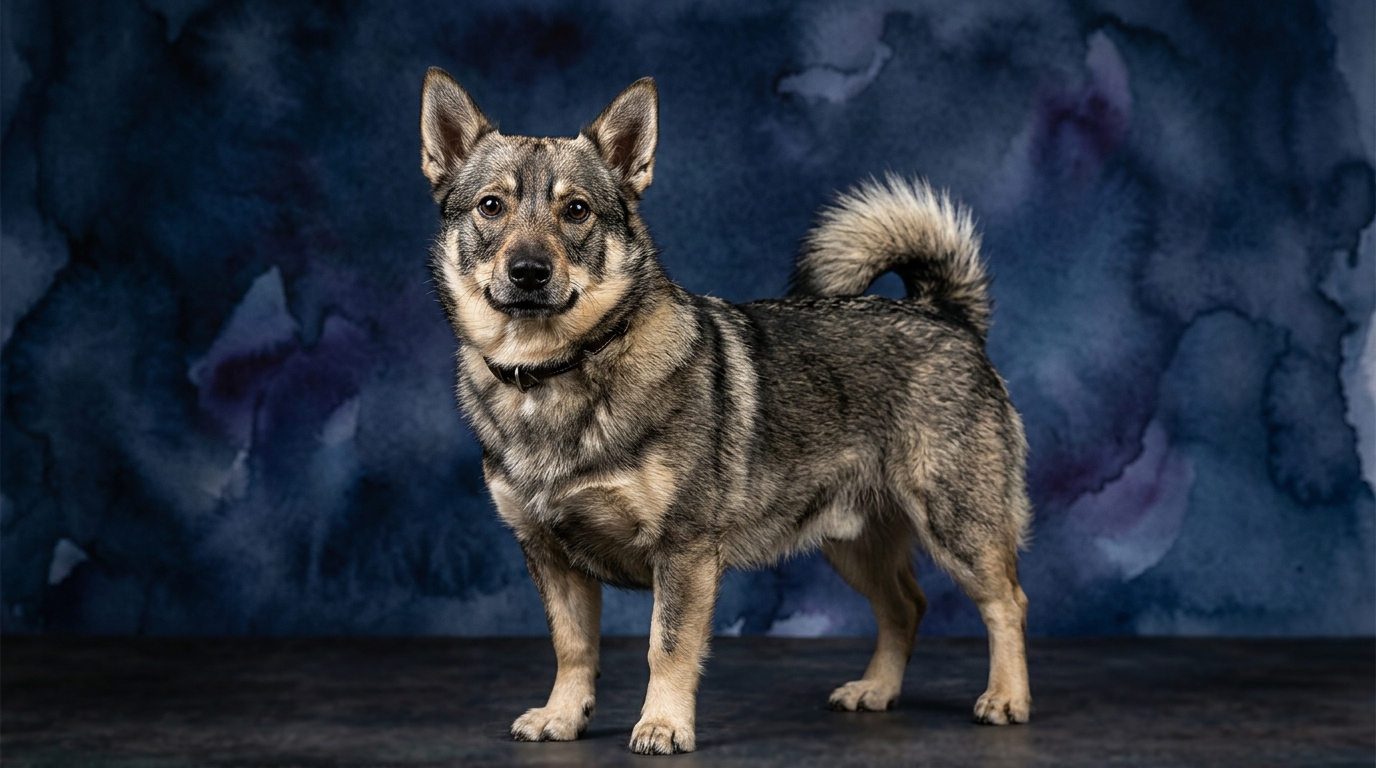
The Swedish Vallhund, a resilient herding dog, presents a remarkably balanced cognitive profile. Its Problem Solving ability is rated at 3 out of 5, indicating a capable mind that can navigate moderately complex challenges but might not independently devise novel solutions quickly. Training Speed also sits at 3 out of 5, suggesting a steady learning pace where consistency and clear instruction yield good results, but rapid mastery of intricate commands may require more repetition. Social Intelligence, at 3 out of 5, points to a dog that understands human cues and social dynamics well enough for companionship and cooperation, but perhaps without the exceptional nuanced sensitivity seen in some other breeds. Its Instinctive Drive, also 3 out of 5, reflects a moderate inherent pull towards its ancestral herding behaviors, which can manifest as a desire to 'gather' family members or objects. Finally, Memory, at 3 out of 5, indicates a solid capacity to recall commands and experiences over time, though perhaps not with photographic precision.
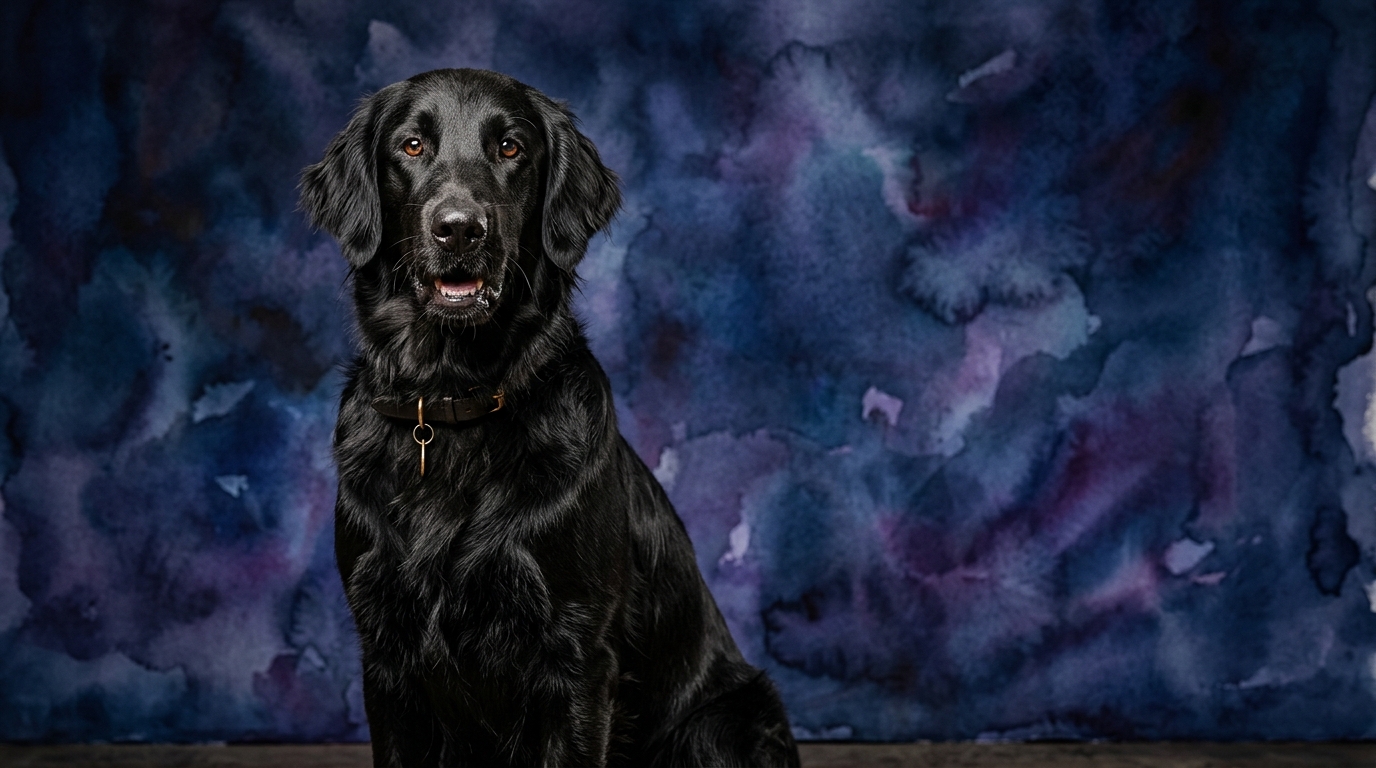
In contrast, the Flat-Coated Retriever, bred for retrieving game, exhibits a cognitive profile that leans towards practical application and retention. Its Problem Solving ability is a strong 4 out of 5, signifying a dog that can more readily figure out how to achieve goals, whether it’s opening a gate or solving a puzzle toy. Training Speed also scores higher at 4 out of 5, suggesting these dogs pick up new commands and routines with greater alacrity, often thriving on varied and engaging training sessions. Social Intelligence mirrors the Vallhund at 3 out of 5, indicating a good understanding of social cues and a cooperative nature, making them amenable companions. Its Instinctive Drive, also 3 out of 5, is channeled towards retrieving, a persistent desire to carry objects and engage in game-like interactions. The standout for the Flat-Coated Retriever is its Memory, scoring an impressive 5 out of 5, which means it excels at retaining vast amounts of information, from complex command sequences to the location of hidden objects, over long periods.
Where the Swedish Vallhund Cognitively Excels
While the Flat-Coated Retriever boasts higher scores in several categories, the Swedish Vallhund's balanced cognitive profile offers its own distinct advantages. Its consistent 3/5 across all five dimensions—Problem Solving, Training Speed, Social Intelligence, Instinctive Drive, and Memory—means it is a remarkably well-rounded and adaptable canine. This cognitive equilibrium suggests a dog that is less prone to extreme tendencies in any single area. For instance, its moderate instinctive drive, combined with solid problem-solving skills, allows it to engage with its environment without being overwhelmingly driven by a singular purpose, unlike some breeds with very high specialized drives. This balance can translate into a more predictable and steady temperament, making it a reliable companion for various activities. Its social intelligence, while not exceptional, is perfectly adequate for forming strong bonds and understanding household routines, ensuring it integrates smoothly into family life without requiring constant nuanced interpretation of human emotions or complex social cues. The Vallhund’s cognitive strengths lie in its dependable, all-around capability rather than specialized brilliance.
Where the Flat-Coated Retriever Cognitively Excels
The Flat-Coated Retriever clearly demonstrates cognitive superiority in areas crucial for its sporting heritage and complex companionship. Its Problem Solving score of 4/5 means it possesses a greater aptitude for independent thought and strategic planning, making it adept at navigating obstacles to achieve a desired outcome, such as figuring out how to retrieve a toy from an awkward spot or manipulating latches. This higher problem-solving capacity translates into a dog that can learn from experience more effectively and adapt to new situations with less direct guidance. Coupled with a Training Speed of 4/5, the Flat-Coat absorbs new commands and sequences with impressive rapidity, often requiring fewer repetitions to master a new skill compared to the Vallhund. This makes them particularly responsive to advanced obedience, agility, or field work. However, the most striking cognitive advantage of the Flat-Coat is its perfect 5/5 Memory. This exceptional recall means they remember commands, routines, and specific locations with remarkable precision and longevity. Owners can teach a Flat-Coat a wide repertoire of commands and expect them to be retained for years, making complex multi-step tasks or advanced trick training particularly rewarding. This superior memory also contributes to their consistency in performance and their ability to quickly re-engage with previously learned skills after a break.
Training Dynamics: Which is Easier to Train and Why
When it comes to ease of training, the Flat-Coated Retriever generally holds an edge over the Swedish Vallhund, primarily due to its higher scores in Training Speed (4/5 vs. 3/5) and Memory (5/5 vs. 3/5). A Flat-Coat’s quicker training speed means they grasp new commands with fewer repetitions, often demonstrating a natural enthusiasm for learning and a desire to please that makes training sessions highly productive. Their exceptional memory ensures that once a command is learned, it is retained with remarkable consistency, reducing the need for frequent refreshers. This combination allows Flat-Coats to progress rapidly through obedience levels and excel in complex disciplines like competitive obedience, agility, or field trials, where intricate sequences and precise recall are paramount. Their drive to retrieve also provides a powerful natural motivator that can be harnessed in training.
The Swedish Vallhund, while still a capable learner with a 3/5 Training Speed, may require a more patient and consistent approach. They will certainly learn, but the process might involve more repetitions and varied training methods to keep their attention and solidify new behaviors. Their 3/5 memory means they have good retention, but perhaps not the near-perfect recall of the Flat-Coat, necessitating more regular practice to keep commands sharp, especially those not frequently used. The Vallhund's herding instinct, while manageable, can occasionally manifest as a desire to 'control' movement, which might require specific training to channel appropriately, whereas the Flat-Coat's retrieving drive is often more easily integrated into positive reinforcement training.
Matching Canine Cognition to Owner Lifestyles
The cognitive profiles of these two breeds offer clear guidance for matching them with suitable owner lifestyles. For active owners seeking a highly engaged and responsive partner in structured activities, the Flat-Coated Retriever is often an ideal choice. Their superior problem-solving skills (4/5) and exceptional memory (5/5) make them excel in canine sports, advanced obedience, and any activity requiring quick learning and precise execution. Owners who enjoy teaching complex tricks, participating in agility, or engaging in field work will find the Flat-Coat's mental acuity and enthusiasm perfectly aligned with their pursuits. Their inherent retrieving drive also means they thrive on games of fetch and opportunities to carry objects, requiring owners who can provide consistent mental and physical stimulation to prevent boredom and destructive behaviors.
Conversely, the Swedish Vallhund, with its balanced cognitive scores, suits owners who appreciate a dog with solid, all-around capabilities without the intense drive for specialized cognitive challenges. While active, their 3/5 instinctive drive and problem-solving suggest they are content with a good daily walk, interactive play, and basic obedience, rather than needing to constantly master new, intricate tasks. They are well-suited for owners who enjoy a curious and companionable dog that can learn household rules and basic commands reliably. Their moderate social intelligence makes them excellent family dogs, attentive but not overly demanding. Relaxed owners, or those seeking a dog that is adaptable to a slightly less regimented routine, may find the Vallhund's steady cognitive disposition a better fit, as long as their fundamental needs for mental engagement and physical activity are met.
The Verdict
Choose the Swedish Vallhund if you seek a balanced, adaptable companion with a steady learning pace and moderate drives, suitable for an owner who appreciates general canine competence over specialized brilliance.
Opt for the Flat-Coated Retriever if you are an active owner desiring a highly trainable, quick-witted partner with exceptional memory, eager for complex learning, and excelling in canine sports or advanced obedience.
🧠 Find Your Pet's IQ Score
Our Pet IQ Lab assessment covers 25+ tests across 5 cognitive dimensions — personalized to your breed.
Take the Full IQ Test →Frequently Asked Questions
Which breed is better for first-time dog owners?
The Swedish Vallhund's balanced cognitive profile and moderate drives might make it slightly more manageable for a first-time owner, as its learning curve is steady rather than requiring rapid mastery of complex tasks. The Flat-Coated Retriever, while highly trainable, thrives on consistent, engaging mental stimulation that a novice owner might initially underestimate.
Do Flat-Coated Retrievers require more mental stimulation than Swedish Vallhunds?
Yes, Flat-Coated Retrievers generally require more intense and varied mental stimulation due to their higher problem-solving ability and exceptional memory. They thrive on learning new tasks and engaging in activities that challenge their intellect, whereas a Swedish Vallhund is content with a more moderate level of mental engagement.
How do their instinctive drives manifest in daily life?
The Swedish Vallhund's instinctive drive (3/5) manifests as a desire to herd, often seen in gently nudging family members or keeping things 'together.' The Flat-Coated Retriever's instinctive drive (3/5) is channeled into retrieving, meaning they love to carry objects, play fetch, and are often naturally inclined towards 'bringing' things to their owners.