Side-by-Side IQ Profile: Unpacking Identical Scores
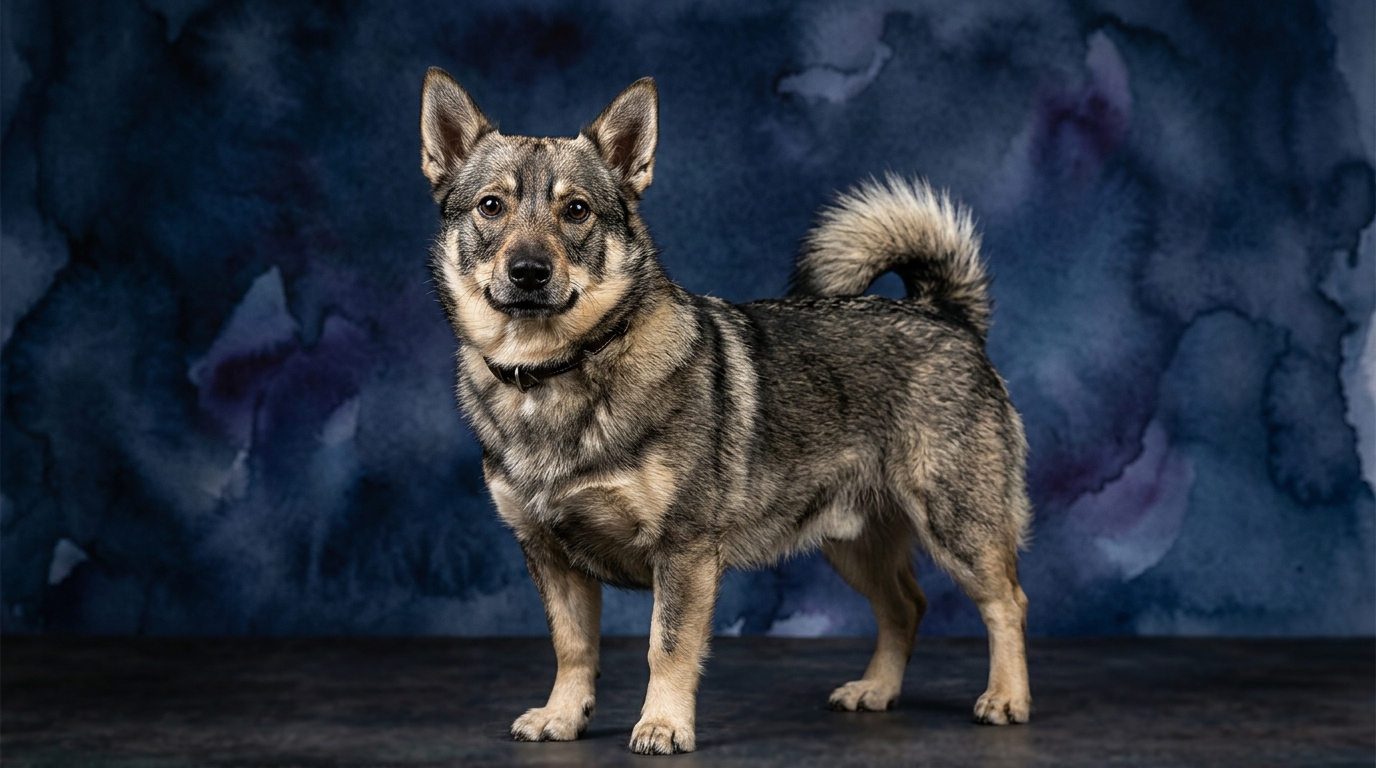
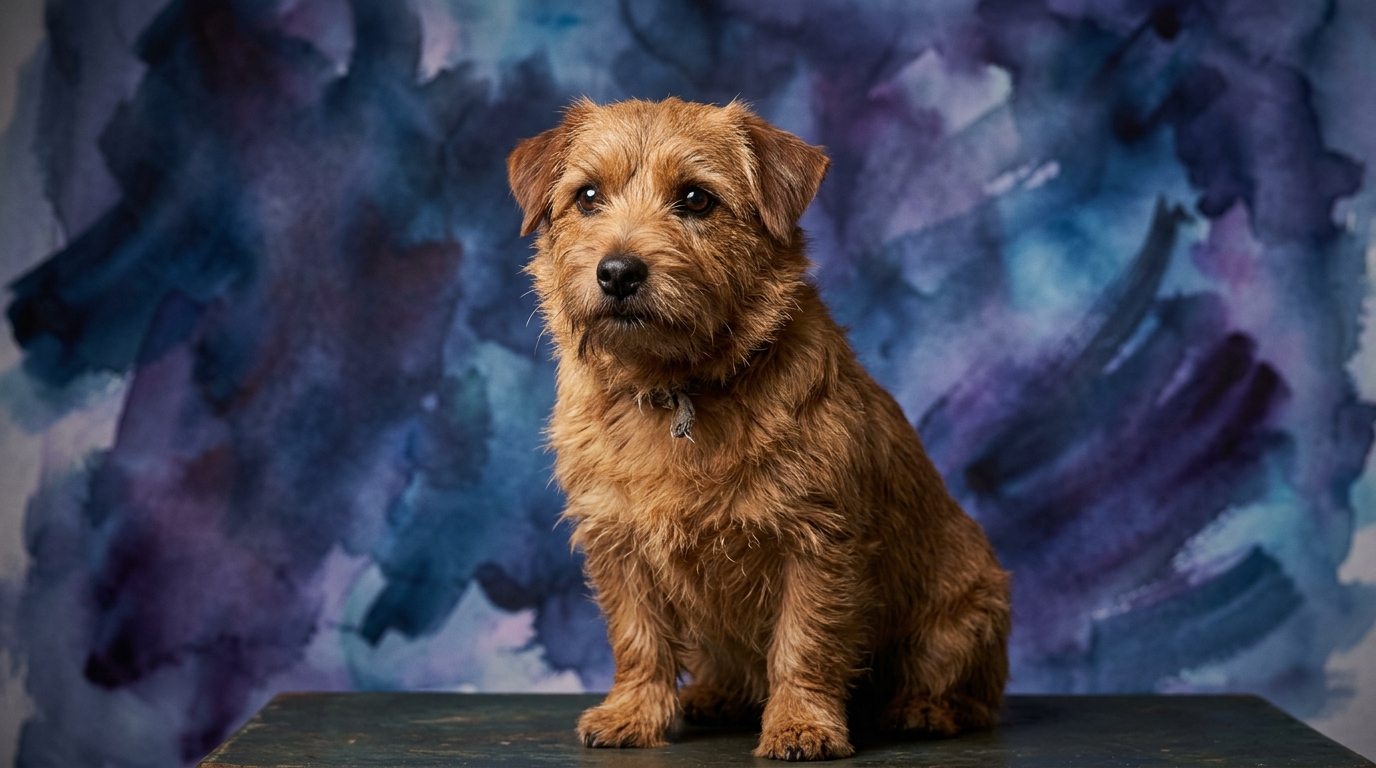
While both breeds register a 3/5 in Problem Solving, its manifestation differs significantly. The Swedish Vallhund, a herding dog, typically displays this as strategic thinking in dynamic environments, such as anticipating livestock movement or navigating complex spatial challenges to achieve a goal. Their problem-solving often involves observing, planning, and executing sequences of actions to manage or control a situation. Conversely, the Norfolk Terrier's 3/5 in problem-solving is often characterized by tenacious, independent thinking focused on overcoming physical obstacles or outsmarting prey. Their approach is less about managing a group and more about persistent, sensory-driven investigation and direct action to achieve a specific, often solitary, objective.
In Training Speed, both breeds score 3/5, yet their motivations diverge. The Swedish Vallhund, eager to work and please its handler, often learns new commands and routines with enthusiasm, especially when tasks are presented as a collaborative effort or a 'job.' They respond well to consistent, positive reinforcement and thrive on having a purpose. The Norfolk Terrier also learns quickly but can be more independent and self-motivated, sometimes choosing to follow its own instincts over a command. Training a Norfolk requires engaging methods, variety, and strong motivation to maintain focus against their inherent drive and potential distractions, making their 'speed' dependent on the perceived value of the task.
Their Social Intelligence, both rated 3/5, reflects different social priorities. The Vallhund typically exhibits a keen awareness of human cues and emotions, forming strong, cooperative bonds with their family unit and often integrating well into group dynamics. They are attuned to their handler's intentions and often seek to align their actions with human expectations. The Norfolk Terrier, while social and outgoing, often displays a more independent social intelligence, capable of reading human and canine cues but sometimes choosing to act on its own behalf. They are confident in social settings and can be charmingly assertive, understanding hierarchies but not always feeling compelled to adhere to them if a more interesting opportunity arises.
Instinctive Drive, a 3/5 for both, highlights their ancestral purposes. The Swedish Vallhund's drive is rooted in herding, manifesting as an instinct to gather, control, and protect, often with a watchful and alert demeanor. This drive can translate into a desire to keep their 'flock' (their human family) together and can be channeled into various dog sports that mimic herding tasks. The Norfolk Terrier's 3/5 drive is a strong prey drive, characterized by an intense desire to hunt, dig, and chase small animals. This instinct makes them persistent, fearless, and highly focused when engaging with potential 'prey,' requiring careful management and appropriate outlets in a domestic setting.
Finally, Memory, a 3/5 for both, is expressed through different lenses. The Swedish Vallhund possesses excellent recall for learned commands, routines, and the layouts of familiar environments, crucial for their herding tasks. They effectively retain complex sequences of actions and can remember specific instructions over time. The Norfolk Terrier also demonstrates strong memory, particularly for places where exciting events (like spotting a squirrel or a good digging spot) occurred, and for past successes in their independent pursuits. They remember what works for them and can recall training, but their application of that memory might be influenced by their immediate interests and strong sensory associations.
Where the Swedish Vallhund Wins Cognitively
The Swedish Vallhund often demonstrates a cognitive edge in tasks requiring sustained, cooperative focus and the ability to adapt to dynamic, multi-variable situations. Their herding heritage has honed an intellect adept at understanding complex cause-and-effect relationships within a group and responding strategically. They excel at learning intricate obedience routines or agility courses that demand sequential problem-solving and close communication with a handler. This breed's strength lies in its capacity for versatile, purpose-driven learning, making them highly receptive to training that offers a 'job' and fosters a partnership.
Where the Norfolk Terrier Wins Cognitively
The Norfolk Terrier shines in cognitive areas demanding independent decision-making, relentless perseverance, and acute sensory-driven problem-solving. Their terrier instincts equip them with a sharp, focused intellect for specific, often solitary, tasks like tracking a scent or extracting a 'prey' item from a confined space. This breed's strength is in its unwavering determination to achieve a goal, even in the face of obstacles, and its ability to quickly assess and react to sensory input, making them adept at scent work or engaging in games that simulate their natural hunting behaviors.
Which is Easier to Train and Why
Based on their cognitive leanings, the Swedish Vallhund is generally considered easier to train for traditional obedience and complex tasks. Their inherent desire to work cooperatively with a handler, coupled with their strong social intelligence, means they often seek direction and purpose. They are motivated by partnership and the satisfaction of a job well done, making them responsive to consistent, positive reinforcement and clear communication. Their herding background fosters a natural inclination to follow instructions and manage situations under human guidance.
The Norfolk Terrier, while equally capable of learning, presents a different training challenge due to its spirited independence and strong instinctive drives. Their tenacity and prey drive can make them easily distracted by environmental stimuli, and they may prioritize their own perceived 'fun' over a command. Training a Norfolk requires creativity, high-value rewards, and a patient, engaging approach to keep them motivated and focused. Success often lies in making training feel like a game or an exciting challenge, rather than a rigid set of rules, to channel their independent spirit effectively.
Which Suits Active Owners vs. Relaxed Owners
Both breeds thrive with active owners, but the nature of that activity differs. The Swedish Vallhund requires structured engagement, mental stimulation, and a sense of purpose. Owners who enjoy dog sports like agility, obedience, or even herding trials will find a willing and capable partner. While they need regular physical exercise, their cognitive needs for problem-solving and 'work' are paramount, making them suitable for owners who can provide consistent mental challenges alongside their physical outlets. They can adapt to less intense physical activity if their minds are kept busy.
The Norfolk Terrier also demands activity, but their needs are more rooted in channeling their tenacious prey drive and independent energy. Owners who are prepared for vigorous play, consistent walks, and opportunities for scent work or 'hunting' games will best suit this breed. A Norfolk is less forgiving of a truly 'relaxed' owner; without adequate outlets for their drive, they are more prone to creating their own entertainment through digging, barking, or exploring. They need an owner who appreciates their bold spirit and can consistently provide engaging physical and mental outlets to prevent boredom and destructive behaviors.
The Verdict: When to Choose Each Breed
The Verdict
Choose the Swedish Vallhund if you seek a cooperative, versatile partner for structured activities, valuing a dog that thrives on purpose and collaborative learning.
Opt for the Norfolk Terrier if you admire spirited independence and tenacity, prepared to channel a strong prey drive into engaging adventures and creative training.
🧠 Find Your Pet's IQ Score
Our Pet IQ Lab assessment covers 25+ tests across 5 cognitive dimensions — personalized to your breed.
Take the Full IQ Test →Frequently Asked Questions
Are Swedish Vallhunds good with children?
Swedish Vallhunds are generally known for being good with children, often forming strong bonds with their family. Their herding instincts may lead to gentle 'nipping' at heels during play, which can be managed with early training and supervision.
Do Norfolk Terriers bark a lot?
Norfolk Terriers can be vocal, especially when alerting to strangers or expressing their excitement. Their terrier nature means they are alert and will often use their voice to communicate, requiring consistent training to manage excessive barking.
What are the primary exercise needs for these breeds?
Both breeds require daily exercise; the Vallhund benefits from structured activities like dog sports and long walks, needing mental stimulation as much as physical. The Norfolk thrives on vigorous play, scent work, and walks that allow for exploration, to satisfy their strong prey drive and energetic nature.