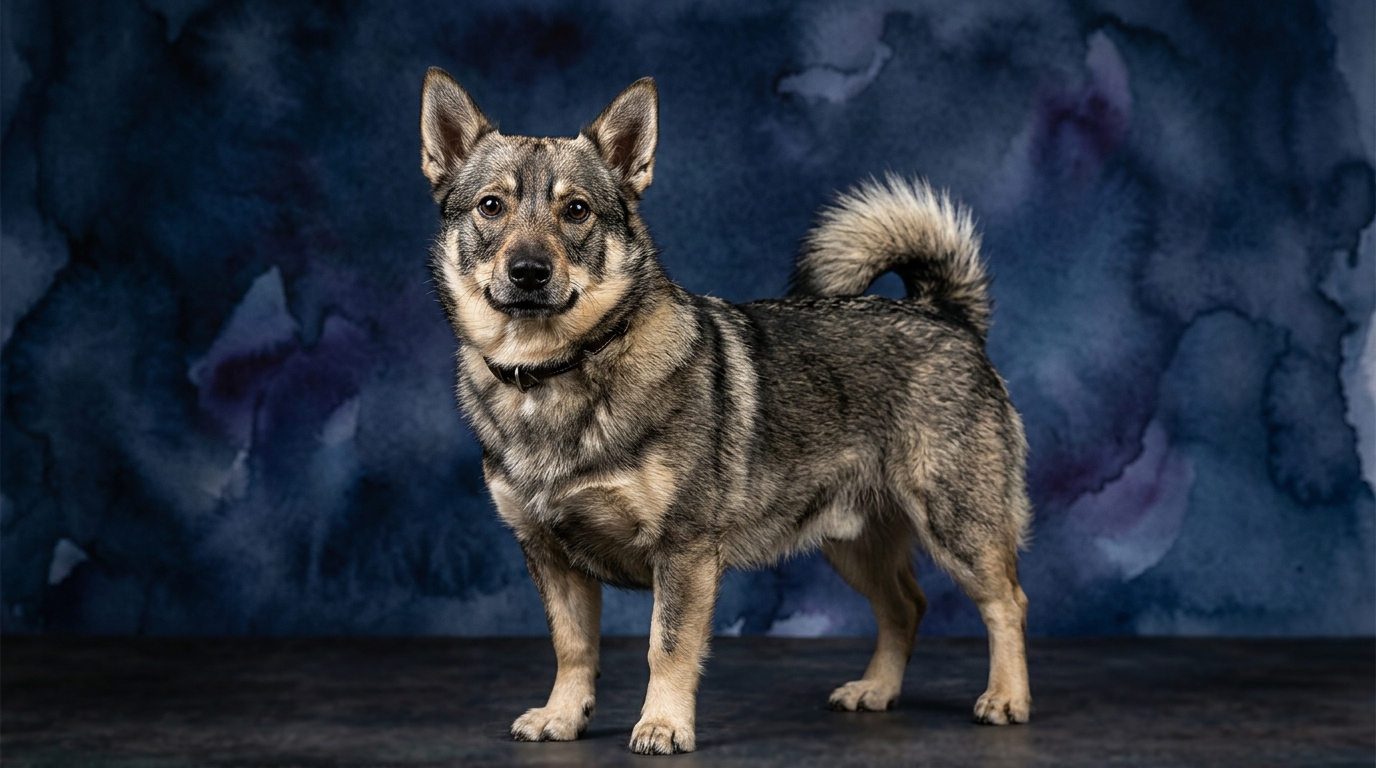
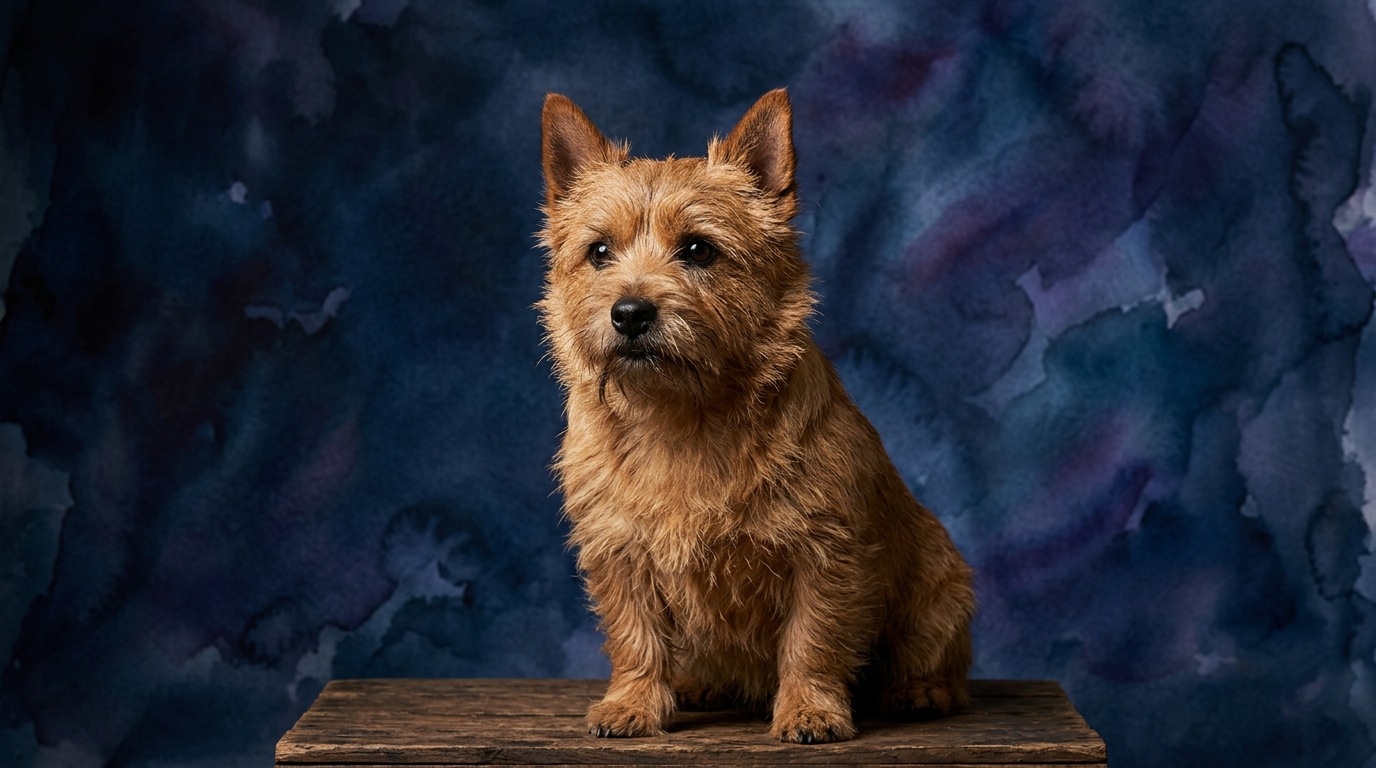
Side-by-Side Cognitive Profile: Interpreting Identical Scores
While both the Swedish Vallhund and the Norwich Terrier register a consistent 3/5 across all five cognitive dimensions in our Pet IQ Lab, understanding these scores requires looking beyond the number to the specific ways each breed applies its inherent capabilities. Their ancestral roles profoundly influence how their problem-solving, training speed, social intelligence, instinctive drive, and memory manifest in daily life.
**Problem Solving (3/5):** For the Swedish Vallhund, a 3/5 problem-solving ability often involves strategic thinking in a structured environment, such as figuring out how to move livestock or navigate an agility course with precision. The Norwich Terrier, with the same 3/5 score, typically applies this skill to more independent tasks, like creatively accessing a hidden toy or finding a way around an obstacle in their path, demonstrating a persistent, terrier-specific determination.
**Training Speed (3/5):** The Vallhund's 3/5 training speed is often observed in their readiness to engage in cooperative learning, responding well to consistent, positive reinforcement due to their desire to work alongside a human partner. The Norwich Terrier, also at 3/5, can learn quickly but their independent spirit means training sessions might need to be more engaging, varied, and framed as a fun challenge to maintain their focus, often excelling when tasks feel like a game rather than a command.
**Social Intelligence (3/5):** Swedish Vallhunds exhibit their 3/5 social intelligence through their adeptness at reading human cues, adapting their behavior within a family unit or during a working partnership, and forming strong, communicative bonds. Norwich Terriers, while equally rated, often demonstrate their social acumen by effectively communicating their needs and desires with spirited vocalizations or charming antics, and by confidently navigating social interactions with other dogs or people.
**Instinctive Drive (3/5):** The Vallhund's 3/5 instinctive drive is deeply rooted in its herding heritage, manifesting as an innate urge to gather, patrol, and control movement, which can be constructively channeled into sports or purposeful tasks. The Norwich Terrier's 3/5 drive stems from its vermin-hunting past, expressed as an unwavering determination to chase, dig, and explore, making them persistent and focused in their independent pursuits.
**Memory (3/5):** Swedish Vallhunds utilize their 3/5 memory to recall complex sequences of commands, the specific layout of familiar environments, or the routines associated with their daily activities or training. Norwich Terriers apply their 3/5 memory to remember specific scent trails, the location of favored digging spots, or the habits and preferences of their human companions, often surprising owners with their precise recall of past events or places.
Where the Swedish Vallhund Demonstrates Cognitive Strengths
Despite identical numerical scores, the Swedish Vallhund’s herding background gives it a distinct cognitive edge in tasks requiring sequence learning and cooperative problem-solving. Their 3/5 problem-solving capability shines when presented with multi-step commands or challenges that involve moving objects or people in a controlled manner, reflecting their instinct to manage a flock. Their social intelligence, also 3/5, often manifests as a keen ability to anticipate a handler's next move, making them particularly receptive to advanced obedience or dog sports like agility, where precise timing and understanding human intention are paramount. This cooperative framework allows their memory to excel in retaining complex routines, making them dependable partners in structured activities.
Where the Norwich Terrier Demonstrates Cognitive Strengths
The Norwich Terrier, with its terrier spirit, often displays its cognitive strengths in situations demanding independent thought and tenacious exploration. Their 3/5 problem-solving is particularly effective when faced with a challenge that requires improvisation or a singular focus, such as figuring out how to extract a toy from a difficult spot or navigating a new environment with confidence. Their instinctive drive, rated 3/5, fuels a relentless pursuit of their interests, which, when channeled, can translate into exceptional performance in earth dog trials or scent work. The Norwich's social intelligence, while equal in score, often manifests as a charming assertiveness, allowing them to effectively communicate their desires and navigate various social dynamics to their advantage, showcasing a spirited adaptability.
Training Dynamics: Vallhund's Cooperation vs. Norwich's Conviction
Both breeds hold a 3/5 rating for training speed, indicating they are capable learners but require consistent and thoughtful approaches. The Swedish Vallhund's herding heritage often imbues them with a natural inclination to work in partnership with a human, making them generally eager to please and responsive to direction. This desire for cooperation can make them appear easier to train for obedience and sequential tasks, as their social intelligence and drive align with structured learning. However, their herding instinct means they might try to 'herd' children or other pets, requiring specific guidance to manage this behavioral tendency.
The Norwich Terrier, while equally capable of learning at a 3/5 pace, brings an independent and often opinionated spirit to training. Their deep-seated instinctive drive means they can be easily distracted by scents or sounds, and their problem-solving skills might be applied to figuring out how to get their own way. Training a Norwich requires patience, creativity, and high-value rewards to capture and maintain their attention. Sessions should be kept short, fun, and varied to appeal to their tenacious nature, transforming learning into an engaging challenge rather than a rote exercise. Understanding their inherent terrier determination is key to successful training.
Matching Lifestyles: Active Engagement for Both
Neither the Swedish Vallhund nor the Norwich Terrier is suited for a truly 'relaxed' owner seeking a largely sedentary companion; both possess a 3/5 instinctive drive that demands engagement. Active owners who enjoy structured activities will find the Vallhund a willing and capable partner. They thrive on having a 'job,' whether it's agility, herding games, rally obedience, or long, varied hikes, benefiting immensely from consistent mental and physical stimulation to prevent boredom and channel their herding instincts constructively. Their energy is often sustained and requires regular outlets.
The Norwich Terrier also requires an active owner, but their activity needs might manifest differently. While they enjoy vigorous play, walks, and adventures, their smaller size often means they can be satisfied with intense bursts of activity rather than prolonged, continuous work. Owners who appreciate a spirited companion for varied daily explorations, puzzle toys, and engaging play sessions will find the Norwich a delightful match. Their tenacity and drive mean they need consistent mental challenges to prevent them from finding their own 'work,' which might involve digging or persistent vocalizations. Both breeds benefit from owners who understand and are prepared to engage their unique cognitive styles and inherent drives.
The Verdict
Choose the Swedish Vallhund if you seek a cooperative, active partner for structured activities and enjoy channeling a strong herding drive into purposeful engagement, appreciating their thoughtful approach to tasks.
Opt for the Norwich Terrier if you desire a spirited, independent companion for varied adventures and appreciate a tenacious problem-solver, understanding their need for engaging mental and physical challenges.
🧠 Find Your Pet's IQ Score
Our Pet IQ Lab assessment covers 25+ tests across 5 cognitive dimensions — personalized to your breed.
Take the Full IQ Test →Frequently Asked Questions
Are Swedish Vallhunds good with children?
Swedish Vallhunds are generally good with children, often forming strong bonds with their family members. However, their inherent herding instinct might lead them to playfully nip at heels, so supervision and early training are essential to guide this behavior appropriately.
Do Norwich Terriers bark a lot?
Norwich Terriers can be quite vocal, a common trait among terrier breeds. They often bark to alert their owners to perceived threats, express excitement, or demand attention, requiring consistent training to manage their vocalizations effectively.
What kind of mental stimulation do these breeds need?
Both breeds benefit significantly from diverse mental stimulation to engage their 3/5 problem-solving and memory skills. This includes puzzle toys, interactive training games, scent work, and varied environments that encourage exploration and critical thinking.