Side-by-Side IQ Profile: Herding vs. Hound Cognition
At The Cosmic Pet Pet IQ Lab, we assess canine intelligence across five key dimensions. Interestingly, both the Swedish Vallhund and Rhodesian Ridgeback score a 3 out of 5 in every category, suggesting a comparable baseline for their cognitive capacities. However, understanding how these scores manifest within their distinct breed types provides a richer perspective.
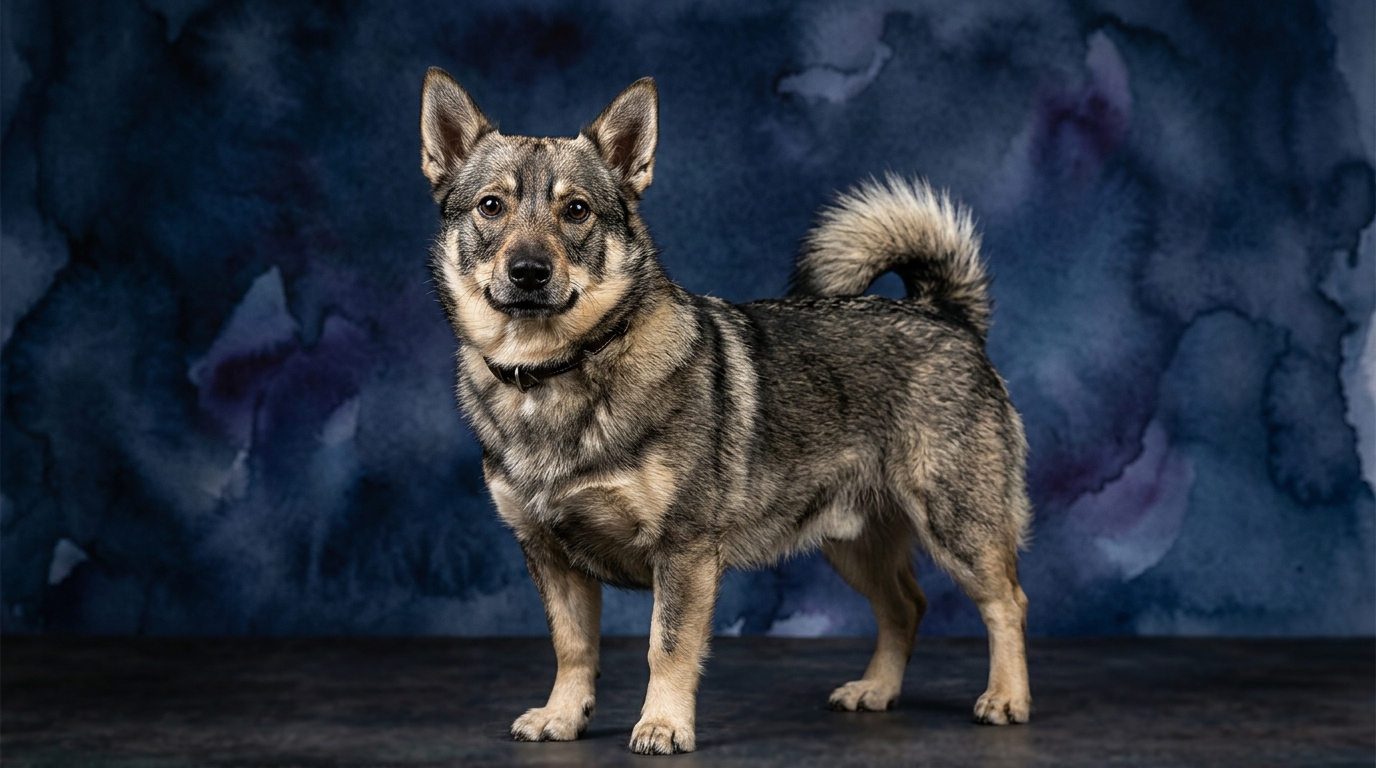
For the **Swedish Vallhund (Herding Group)**:
**Problem Solving (3/5):** This rating reflects the Vallhund's ability to navigate dynamic herding scenarios, often requiring strategic positioning and anticipation of livestock movement. Their problem-solving is typically practical, focused on managing and controlling a 'flock' or responding to environmental changes.
**Training Speed (3/5):** Vallhunds generally assimilate new commands at a moderate pace, particularly when the training engages their innate desire to work alongside a handler. Consistency and positive reinforcement are key to building on their willingness to learn.
**Social Intelligence (3/5):** Their social acumen is geared towards cooperative work, allowing them to read human cues effectively and adapt their behavior within a social structure. They understand group dynamics and their role within the family unit.
**Instinctive Drive (3/5):** The Vallhund's drive is rooted in its herding heritage, manifesting as a focused energy directed towards gathering, controlling, and often protecting. This drive provides a strong internal motivation for purposeful activity.
**Memory (3/5):** Vallhunds possess a moderate memory, enabling them to retain learned commands, routines, and familiar environments. This consistency aids in performing learned behaviors reliably over time.
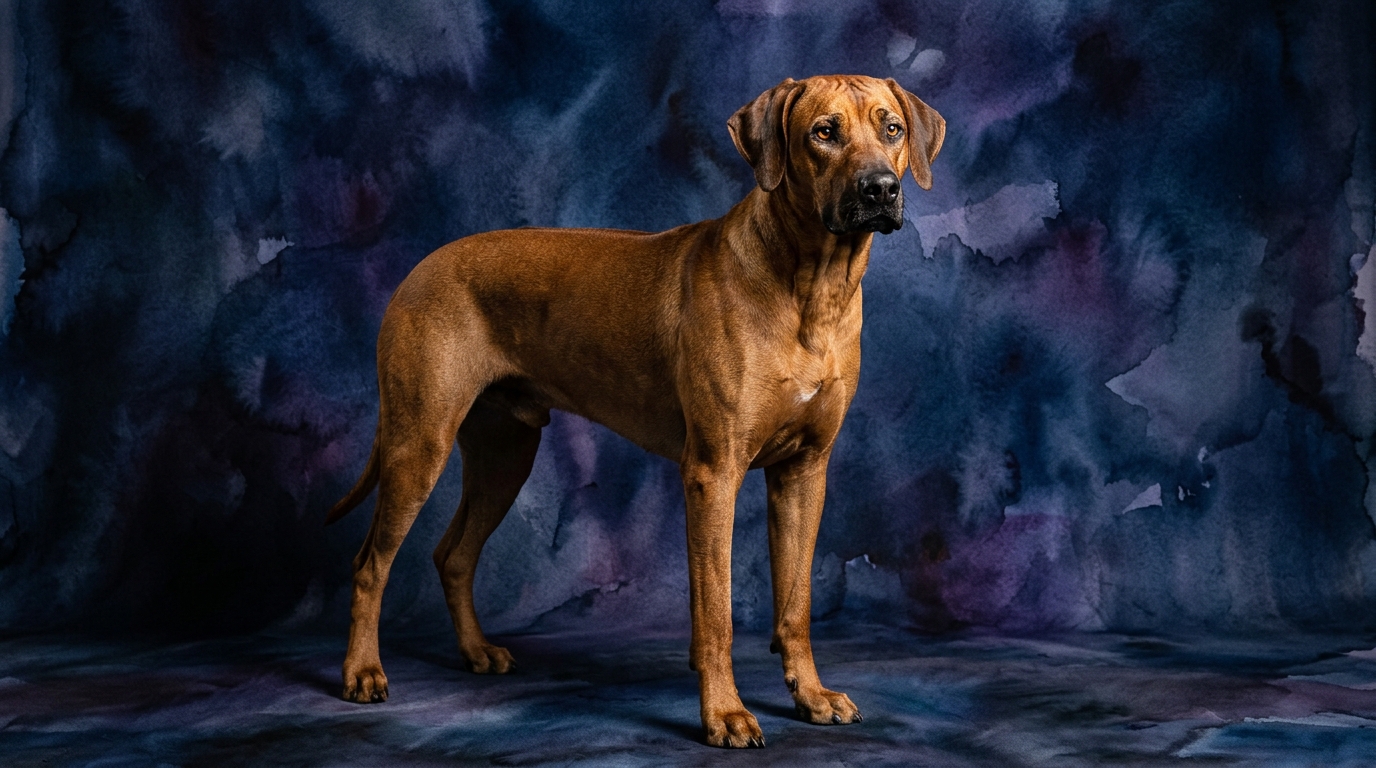
For the **Rhodesian Ridgeback (Hound Group)**:
**Problem Solving (3/5):** A 3/5 in problem-solving for the Ridgeback often translates to resourceful thinking in tracking or navigating varied terrain. They can devise methods to overcome physical obstacles or follow complex scent trails to reach a goal.
**Training Speed (3/5):** Ridgebacks learn at a moderate rate, but their independent hound nature often necessitates compelling motivation and patient, consistent guidance. They process information steadily, but their decisions are frequently weighed against their own perceived benefits or instincts.
**Social Intelligence (3/5):** Ridgebacks exhibit social intelligence through deep bonds with their family, often displaying a discerning and watchful nature with strangers. They understand pack hierarchy and can be sensitive to their owner's emotional state, though they may express this subtly.
**Instinctive Drive (3/5):** The Ridgeback's drive is primarily a prey drive, manifesting as a strong inclination to chase, track, and pursue. This deep-seated instinct requires careful management and appropriate, structured outlets.
**Memory (3/5):** Ridgebacks demonstrate a moderate memory for routes, significant past experiences, and scents. This aids them in recalling training cues and navigating familiar hunting grounds or established routines within their home environment.
Where the Swedish Vallhund Wins Cognitively
Despite identical scores, the Vallhund's cognitive strengths shine in cooperative, task-oriented scenarios. Their herding background fosters an innate ability to anticipate movement and strategize within a dynamic environment, making them adept at agility and obedience work where precise timing and handler focus are paramount. Their problem-solving is often applied to maintaining order and responding to subtle handler cues, demonstrating a cognitive flexibility geared towards partnership in a working context. This focus on engagement with their human partner for a shared goal gives them an edge in activities requiring sustained attention and responsiveness to direction.
Where the Rhodesian Ridgeback Wins Cognitively
The Rhodesian Ridgeback's cognitive strengths are evident in independent decision-making and persistence, particularly when pursuing a goal. Their problem-solving, while also rated 3/5, is often self-directed, allowing them to methodically track and overcome obstacles without constant human intervention. Their strong instinctive drive, combined with solid memory, allows them to excel in tasks requiring sustained focus on a distant objective, like scent work or tracking, where they must independently interpret environmental cues and maintain a long-term goal. This self-reliance and deep connection to their primal drives represent a distinct cognitive advantage in specific fields.
Which is Easier to Train and Why
While both breeds share a 3/5 training speed rating, their underlying motivations and social intelligence create distinct training experiences. The Swedish Vallhund, with its herding background, generally approaches training with a desire to engage and cooperate with its handler, viewing tasks as a shared activity. Their social intelligence is geared towards understanding and responding to human direction, making them typically more amenable to consistent instruction. In contrast, the Rhodesian Ridgeback’s independent hound nature means they often need more convincing that an exercise is worthwhile from *their* perspective. Their strong prey drive and self-directed problem-solving can sometimes translate into a "what's in it for me?" attitude, requiring trainers to be highly motivating, patient, and consistent to overcome their tendency to follow their own instincts rather than human directives. Therefore, while both learn, the Vallhund often *feels* easier due to its inherent desire for cooperative work.
Which Suits Active Owners vs. Relaxed Owners
Both breeds are generally not suited for truly relaxed owners who prefer minimal engagement, but their activity needs differ. The Swedish Vallhund, with its moderate instinctive drive and herding background, thrives with owners who can provide consistent mental stimulation through training, dog sports like agility, or even "herding" household members. Their physical exercise needs are moderate but consistent, enjoying structured walks and play. They adapt well to suburban or rural living where they have a job or regular activities. The Rhodesian Ridgeback, conversely, requires a significantly more active owner. Their strong prey drive and stamina demand extensive physical exercise, such as long runs, hikes, or vigorous play, to prevent boredom and destructive behaviors. While they can be calm indoors *after* sufficient exercise, failing to meet their high activity threshold can lead to a restless and challenging companion. Their independent nature also means they benefit from owners who understand and can channel their strong drives into appropriate outlets like tracking or lure coursing.
The Verdict
Opt for the Swedish Vallhund if you seek a cooperative, engaged companion for dog sports or a versatile family dog that thrives on consistent mental and physical engagement within a structured routine.
Select the Rhodesian Ridgeback if you are an experienced, highly active owner prepared to provide extensive physical exercise and patient, consistent training to channel their powerful drives and independent spirit.
🧠 Find Your Pet's IQ Score
Our Pet IQ Lab assessment covers 25+ tests across 5 cognitive dimensions — personalized to your breed.
Take the Full IQ Test →Frequently Asked Questions
Do Swedish Vallhunds bark a lot due to their herding instincts?
Vallhunds can be vocal, using barks to communicate and manage their "flock" (family). This trait can be managed with early training, but prospective owners should be aware of their potential for watchdog barking.
Are Rhodesian Ridgebacks good with children and other pets?
Ridgebacks can be excellent family dogs, often forming strong bonds with children and other pets when properly socialized from a young age. Their size and powerful build mean supervision is always wise, especially with very young children.
What kind of mental stimulation do these breeds need to thrive?
Both breeds benefit from mental challenges. Vallhunds enjoy puzzle toys, obedience training, and learning new tricks, while Ridgebacks thrive on scent work, tracking games, and problem-solving activities that engage their independent hunting instincts.