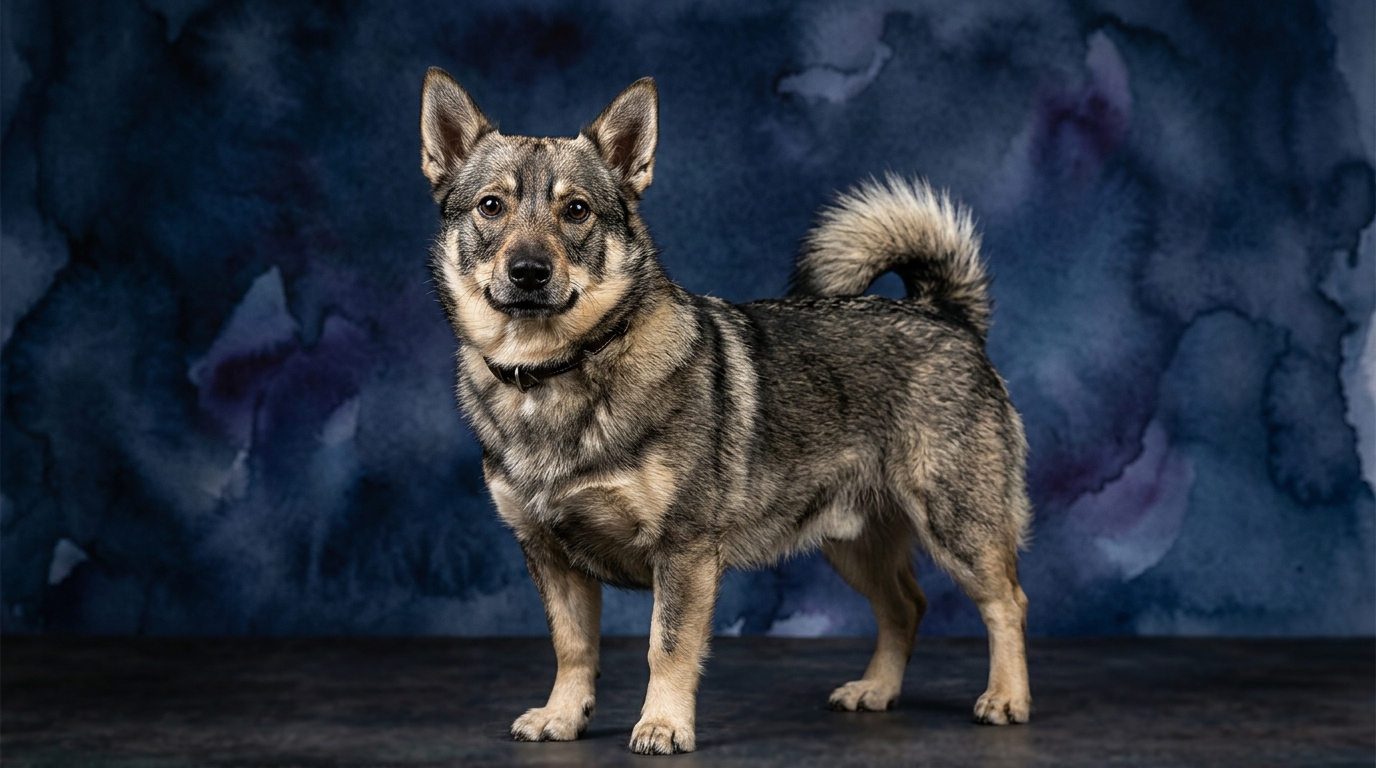
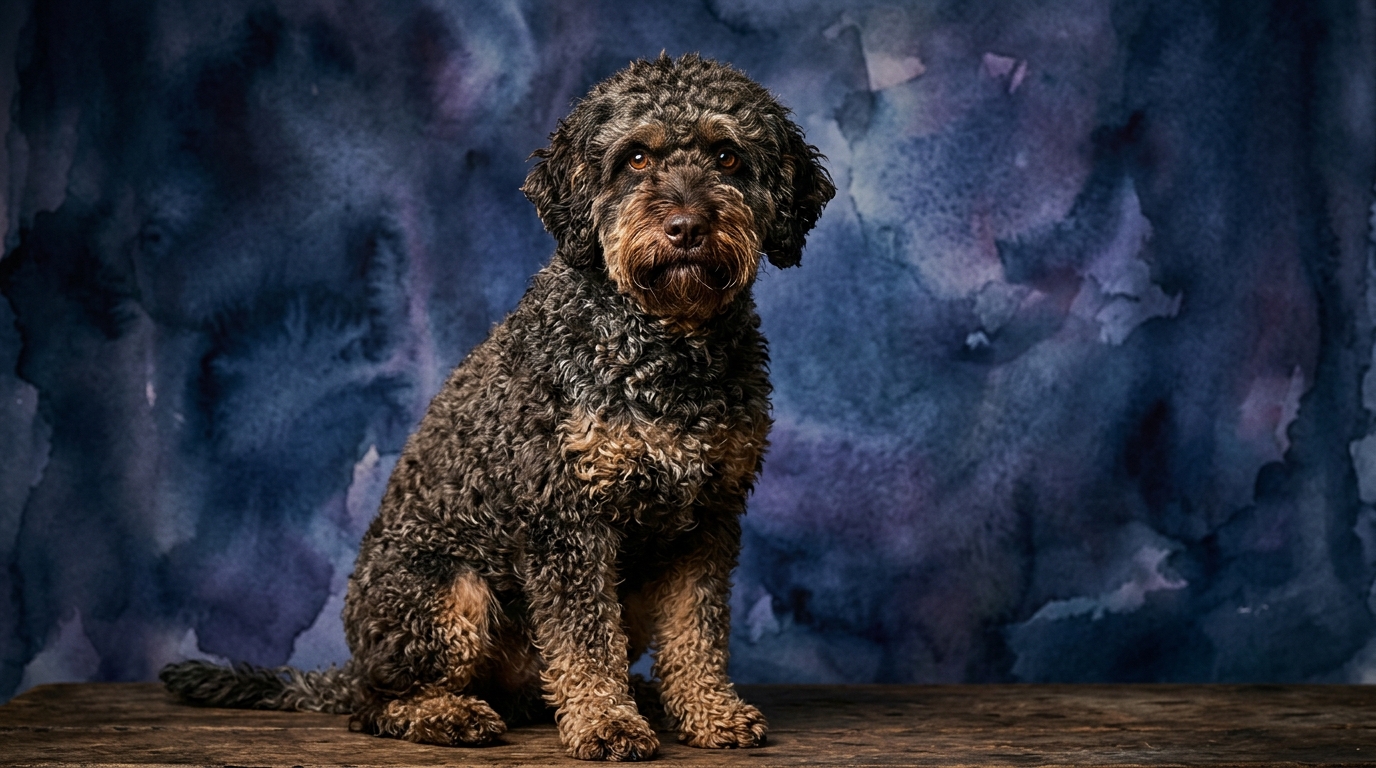
Side-by-Side Cognitive Profiles: Decoding Identical Scores
Both breeds demonstrate a respectable capacity to navigate novel situations and figure out solutions to moderate challenges, earning a Problem Solving score of 3/5. For the Swedish Vallhund, this might manifest in their clever use of body language and low-to-the-ground maneuvers to guide livestock, or their ability to quickly learn the mechanics of a new puzzle toy. The Spanish Water Dog, in contrast, often applies this problem-solving to practical, real-world scenarios, such as determining the best route to retrieve a dropped item in water or adapting their herding strategy to different types of terrain. Neither breed is typically a master strategist for intricate, multi-step problems without guidance, but they are far from stumped by basic environmental hurdles and can learn complex sequences with repetition.
A Training Speed score of 3/5 indicates a moderate pace of learning for both. They can grasp new commands and routines with consistent, clear instruction and positive reinforcement, but instant comprehension is not their default. The Vallhund's inherent eagerness to please and focus on their handler often aids in this process, making training feel progressive and rewarding. The SWD, while equally capable of learning, may sometimes require more patience and varied approaches due to a potential independent streak or a preference for self-directed activity, even if their actual cognitive processing speed for new information is comparable.
Both breeds show a moderate ability to interpret human cues and adapt to social contexts, reflected in their Social Intelligence score of 3/5. The Vallhund tends to be alert and observant of their surroundings, quickly picking up on changes in their family's mood or the presence of strangers, often forming strong, affectionate bonds within their inner circle. The SWD typically develops an intense, sometimes singular bond with its primary handler, often being more reserved, cautious, or even aloof around unfamiliar people, requiring careful and early socialization to ensure appropriate and confident social responses in diverse situations. Their capacity to read emotional states and intentions is present, but might be selectively applied based on their inherent wariness or bond.
An Instinctive Drive score of 3/5 reflects a moderate inherent drive to perform breed-specific tasks. The Swedish Vallhund retains strong herding instincts, often seen in their characteristic nipping at heels or their desire to 'gather' family members, but this drive is generally manageable and can be readily channeled into appropriate activities like herding trials or structured play. The Spanish Water Dog possesses a versatile working drive encompassing herding, retrieving, and guarding, which is present but not overwhelmingly intense, making them adaptable to various roles without being perpetually 'on' or easily overstimulated, provided they have suitable outlets.
Both breeds possess a solid memory for learned commands, routines, and experiences, earning a Memory score of 3/5. They will consistently remember training cues, established household rules, and past interactions, contributing significantly to their reliability once a skill is mastered. While they won't typically forget their training overnight, infrequent practice might necessitate quick refreshers, indicating a practical and functional recall ability rather than an eidetic memory. This consistent recall makes both breeds excellent candidates for sustained training in various disciplines.
Where the Swedish Vallhund Cognitively Excels
The Swedish Vallhund's cognitive strengths, despite identical scores, often lie in their focused biddability and the precise application of their herding intellect. Their problem-solving (3/5) is frequently channeled into detailed, low-to-the-ground herding tactics, making them exceptionally adept at tasks requiring close attention to detail and quick, agile responses to subtle cues. This innate ability to process environmental changes rapidly and react with precision translates remarkably well into dog sports such as agility, where they can quickly process complex sequences of obstacles and execute movements with impressive accuracy and speed.
Furthermore, their social intelligence (3/5) often manifests as a keen awareness of their immediate family's needs and a natural watchdog sensibility. This allows them to quickly discern changes in their environment or human mood, often anticipating needs or alerting to unfamiliar presences without excessive reactivity. This makes them highly attuned companions who are responsive to their owners, often appearing to understand unspoken commands or intentions. Their memory (3/5) reliably supports their consistent performance in routine tasks and sports, allowing them to build a robust and dependable repertoire of behaviors over time.
Where the Spanish Water Dog Cognitively Excels
The Spanish Water Dog's cognitive edge often emerges from their versatile working heritage, where their 3/5 scores are applied across a broader spectrum of practical, real-world tasks. Their problem-solving (3/5) is frequently geared towards environmental adaptability and resourcefulness, whether it's figuring out how to retrieve objects from challenging aquatic environments or understanding and executing complex livestock movements across varied terrains. This makes them particularly robust in scenarios requiring independent thought and initiative within a defined job, showcasing a pragmatic application of their intellect.
Their instinctive drive (3/5) is perhaps more broadly distributed and deeply ingrained, encompassing strong herding, retrieving, and guarding components, which allows them to excel in multi-faceted roles. This adaptability means they can pivot between different types of tasks with relative ease, applying their moderate problem-solving and solid memory (3/5) to diverse challenges. Their social intelligence (3/5), while sometimes reserved with strangers, fosters a deep, often singular bond with their primary handler, enabling them to work as a highly cohesive and intuitive unit in demanding working situations, relying on subtle communication.
Training Dynamics: Nuances Behind Similar Scores
While both breeds share a 'training speed' score of 3/5, the experience of training them can differ significantly due to their distinct behavioral nuances and inherent temperaments. The Swedish Vallhund is often perceived as more straightforward to train. Their inherent eagerness to please, combined with their vigilant yet focused nature, means they are typically attentive students who respond exceptionally well to positive reinforcement and consistent, clear methods. Their moderate instinctive drive means their herding impulses are usually manageable and can be easily channeled into appropriate activities such as obedience, rally, or herding games, making them generally cooperative learners.
The Spanish Water Dog, conversely, can present more nuanced challenges for the inexperienced owner, not because they are slower learners, but due to their more independent, sometimes strong-willed, and highly sensitive nature. Their versatile working drive means they require ample mental and physical engagement, and without it, their problem-solving (3/5) might be directed towards undesirable behaviors like excessive digging or chewing. Consistency, clear boundaries, early socialization, and an understanding of their deep-seated need for a 'job' are paramount to successful training, making the management and motivation aspects more demanding, even if their learning acquisition for specific commands is comparable. They thrive with a handler who understands their unique blend of independence and loyalty.
Lifestyle Compatibility: Active Engagement vs. Sustained Work
When considering lifestyle compatibility, the differences between these two breeds become significantly clearer, despite their matching IQ scores. The Swedish Vallhund is an active breed that thrives on regular, engaging exercise and consistent mental stimulation, making them suitable for active owners who enjoy daily walks, dog sports like agility or flyball, or engaging play sessions. Their moderate instinctive drive and social intelligence (3/5) allow them to adapt well to various family dynamics, becoming content and watchful companions provided their needs for engagement and attention are consistently met. They can thrive in diverse home environments, including well-managed apartments, as long as they receive sufficient daily enrichment and activity.
The Spanish Water Dog, however, is a high-energy, robust working breed that demands sustained, intense physical and mental engagement. They are best suited for highly active, experienced owners who can provide a dedicated 'job' or a consistent regimen of challenging activities, whether it's herding, advanced obedience, agility, dock diving, or extensive outdoor adventures. Their robust instinctive drive (3/5) and problem-solving abilities (3/5) mean they require significant and consistent outlets to prevent boredom, frustration, and potential destructive behaviors. They are not ideal for relaxed or sedentary owners, as their needs extend far beyond casual walks and require dedicated, consistent interaction and a purpose-driven lifestyle.
The Verdict
Choose a Swedish Vallhund if you seek an active, biddable companion who enjoys engaging in varied activities, offers watchful companionship, and thrives with consistent, positive training in a family setting.
Opt for a Spanish Water Dog if you are a highly active, experienced owner ready to provide a dedicated 'job' and consistent mental and physical challenges to a loyal, versatile, and independent working partner.
🧠 Find Your Pet's IQ Score
Our Pet IQ Lab assessment covers 25+ tests across 5 cognitive dimensions — personalized to your breed.
Take the Full IQ Test →Frequently Asked Questions
Do Swedish Vallhunds and Spanish Water Dogs learn at the same pace?
Based on The Cosmic Pet Pet IQ Lab data, both breeds exhibit a training speed of 3/5, indicating a moderate learning pace. However, the Swedish Vallhund's biddability often makes the training process feel smoother, while the Spanish Water Dog's independence can require more consistent and patient handling.
Which breed is better for an apartment?
The Swedish Vallhund is generally more adaptable to apartment living, provided they receive daily exercise and mental stimulation. The Spanish Water Dog, with its high energy and need for a 'job,' typically requires more space and extensive outdoor activity, making them less suitable for smaller living environments without significant owner commitment.
How do their herding instincts differ?
Both have an instinctive drive of 3/5, but its manifestation differs. The Vallhund's instinct is often focused on nipping heels and gathering, making them precise. The Spanish Water Dog's herding drive is part of a broader working repertoire, including water retrieving and guarding, making them more versatile but potentially requiring more direction to channel their energy.