Side-by-Side IQ Profile
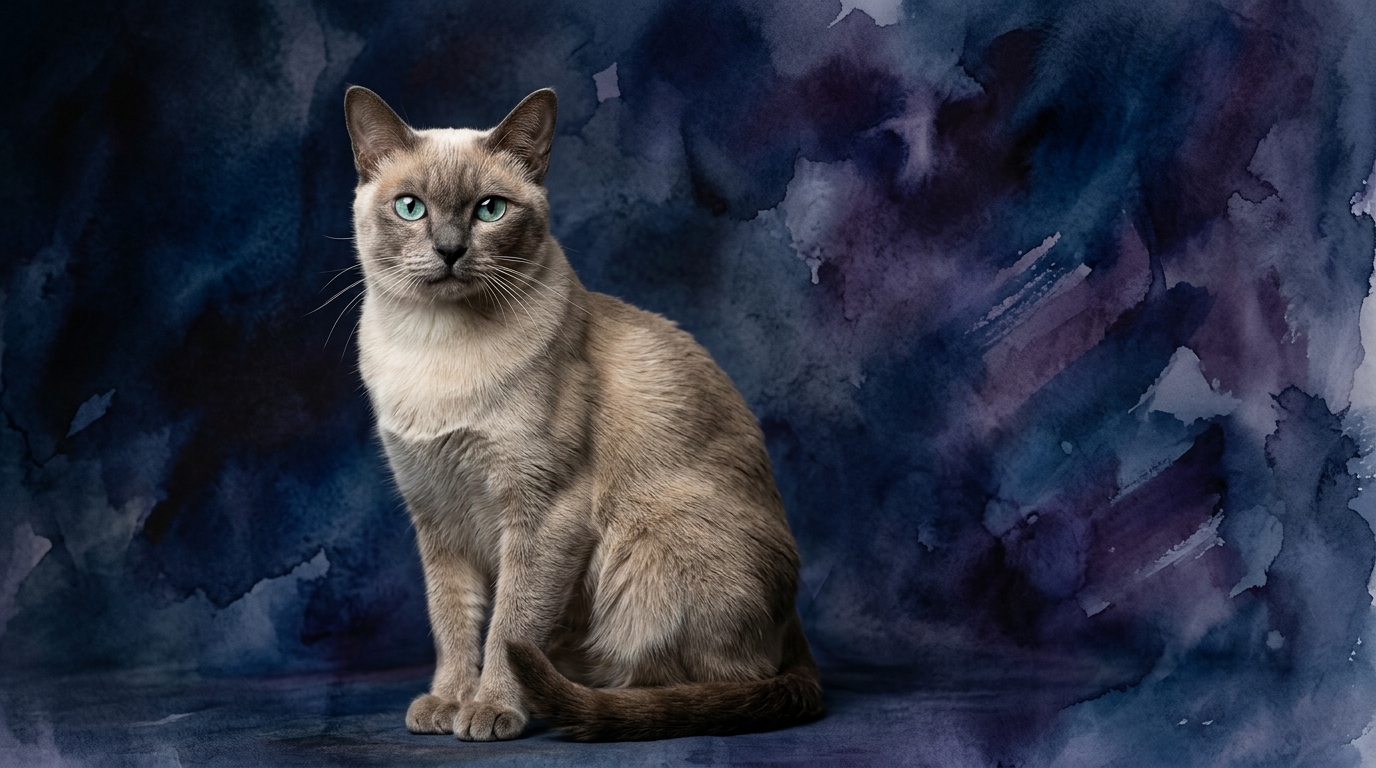
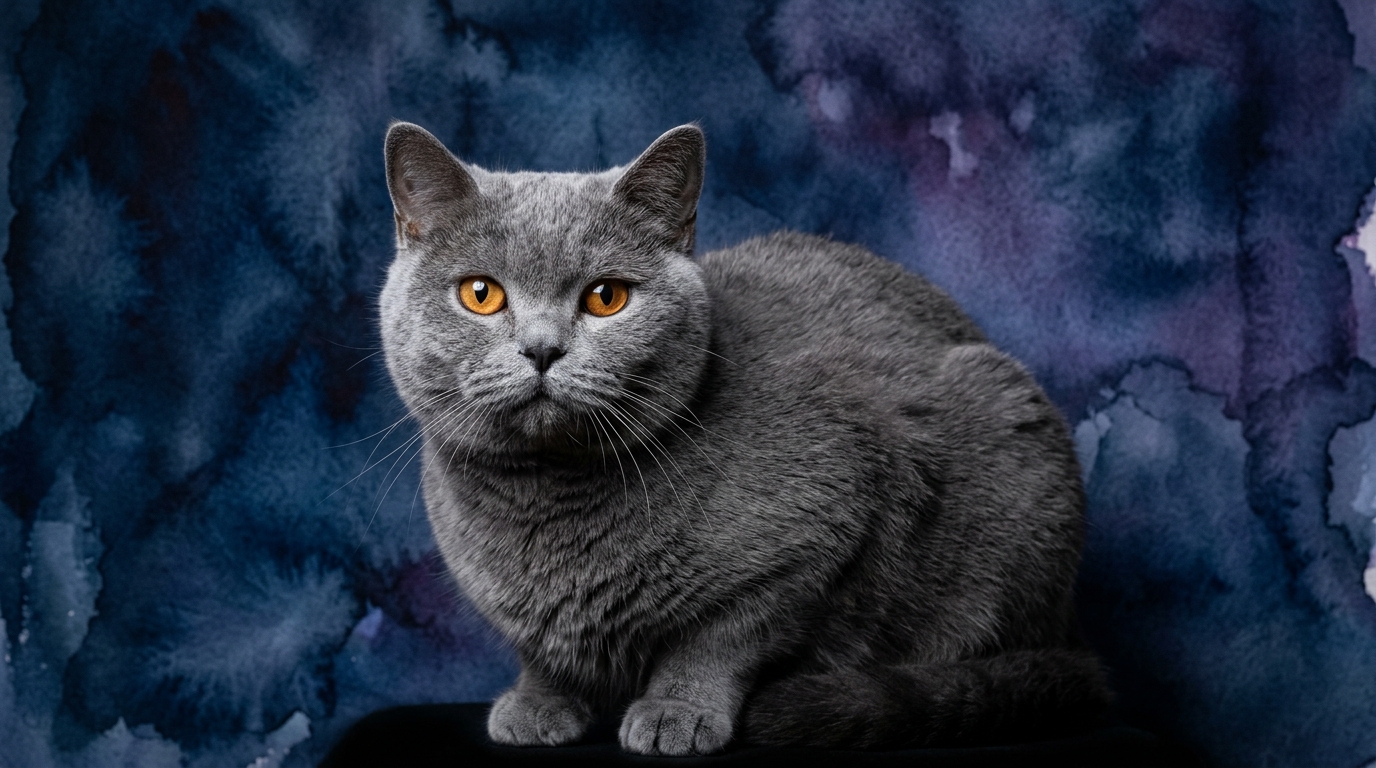
The Cosmic Pet Pet IQ Lab employs five key dimensions to evaluate feline cognitive abilities, offering a nuanced perspective beyond simple generalizations. For the Tonkinese, we observe a profile indicative of a sharp, engaged mind, while the British Shorthair presents a more reserved, steady intellectual demeanor. Understanding these specific scores illuminates the unique ways each breed interacts with its environment and companions.
The Tonkinese excels with a Problem Solving score of 5/5, showcasing a remarkable capacity for figuring out complex situations, be it opening tricky latches or navigating multi-step food puzzles. Their Training Speed also stands at an impressive 5/5, indicating an eagerness and ability to grasp new commands, tricks, and routines with minimal repetition. Social Intelligence, another 5/5, highlights their profound understanding of human cues, emotions, and their role within a family unit, making them highly communicative. Their Instinctive Drive is a robust 4/5, reflecting a strong natural curiosity and playfulness often directed towards hunting-style games. Finally, a Memory score of 5/5 means they retain information about people, places, and learned behaviors over extended periods, remembering specific routines and past experiences with striking clarity.
In contrast, the British Shorthair exhibits a more moderate cognitive profile across the board. Their Problem Solving score of 3/5 suggests they can handle straightforward challenges but may show less persistence or creative strategizing for more intricate dilemmas. Training Speed is also rated at 3/5, meaning they are capable of learning, but require a more patient and consistent approach to absorb new information and behaviors. Their Social Intelligence, at 3/5, indicates they are affectionate and companionable, yet often prefer a more independent presence, less inclined to constantly interpret subtle human signals or engage in intense social interplay. An Instinctive Drive of 3/5 signifies a balanced interest in play and exploration, without the relentless intensity seen in some breeds. Their Memory score of 3/5 allows them to recall familiar routines and faces, though perhaps without the granular detail or long-term retention demonstrated by the Tonkinese.
Where Tonkinese Wins Cognitively
The Tonkinese consistently demonstrates superior cognitive function across most measured dimensions, making them the clear frontrunner in terms of sheer mental agility and processing power. Their Problem Solving score of 5/5 means they are not just capable of solving puzzles, but often invent their own, deftly navigating environmental challenges like opening cabinets or figuring out how to access desired treats. This resourcefulness is a hallmark of their cognitive style, leading to a dynamic and engaging presence.
Furthermore, their 5/5 Training Speed is a testament to their rapid assimilation of new information. Tonkinese cats can quickly pick up complex sequences of commands, learn to walk on a leash, or even perform fetch with remarkable consistency. This quick learning is amplified by their 5/5 Social Intelligence, which allows them to keenly interpret human intentions and desires, fostering a highly responsive partnership in training and daily interactions. Coupled with a perfect 5/5 Memory, they not only learn fast but also retain that knowledge, remembering specific cues, preferred games, and the detailed routines of their human companions over long durations. This integrated suite of cognitive strengths makes the Tonkinese an exceptionally perceptive and adaptable feline.
Where British Shorthair Wins Cognitively
While the British Shorthair’s cognitive scores are generally more moderate, their specific mental makeup contributes to a distinct set of advantages, particularly for certain living situations and owner preferences. Their more measured Problem Solving approach, rated at 3/5, means they are less inclined to invent elaborate schemes for mischief or persistently attempt to access forbidden areas, leading to a generally more predictable and tranquil home environment. Owners seeking a companion who is less likely to redecorate with their clever paws will find this trait appealing.
Moreover, their balanced Social Intelligence (3/5) allows them to be affectionate and companionable without being overly demanding or clingy. They appreciate companionship but are also content with their own company, respecting personal space while still appreciating gentle interaction. This self-contained mental presence can be a distinct "win" for owners seeking a pet that offers a serene and undemanding companionship, rather than constant mental engagement. Their moderate Instinctive Drive (3/5) also means their play is often less intense and more easily managed, making them excellent companions for those who prefer a calmer pace of life.
Which is Easier to Train and Why
When it comes to ease of training, the Tonkinese clearly holds the advantage, largely due to their superior cognitive scores across the board. Their 5/5 Training Speed is not an isolated trait; it's synergized with their 5/5 Problem Solving and 5/5 Social Intelligence. This means a Tonkinese not only grasps what is being asked quickly but also understands the context and motivation behind the training. They are often eager to engage in interactive learning, viewing it as a stimulating activity rather than a chore. Their excellent memory (5/5) ensures that once a lesson is learned, it's remembered, making reinforcement efficient and lasting. For example, teaching a Tonkinese to come when called, to use a harness for walks, or even to perform complex tricks like 'high-five' is often a relatively swift and rewarding process, driven by their innate desire for interaction and mental challenge.
The British Shorthair, with a Training Speed of 3/5, presents a different training experience. While certainly trainable, they require a more patient, consistent, and reward-based approach. Their moderate problem-solving and social intelligence mean they may not pick up on cues as rapidly or be as intrinsically motivated by the training process itself. They might require more repetitions to solidify a command and may not generalize learned behaviors as quickly. For instance, teaching a British Shorthair to tolerate nail trims or to use a specific scratching post will be successful with consistent effort, but it might take longer and require more focused positive reinforcement than with a Tonkinese. Their training is more about establishing calm routines and clear boundaries rather than intricate trick learning, making them suitable for owners who value consistency over rapid progression.
Which Suits Active Owners vs. Relaxed Owners
The distinct cognitive profiles of the Tonkinese and British Shorthair naturally align with different owner lifestyles. For active owners who thrive on interaction, mental stimulation, and a dynamic pet relationship, the Tonkinese is an exceptional match. Their high Problem Solving (5/5), Social Intelligence (5/5), and Instinctive Drive (4/5) mean they require consistent mental engagement and enjoy participating in family activities. They are often described as 'dog-like' in their desire to be involved, thriving on interactive play, puzzle toys, and even accompanying owners on outings. An owner who enjoys teaching their pet new things, engaging in long play sessions, and having a constant, curious companion will find the Tonkinese incredibly fulfilling.
Conversely, for relaxed owners seeking a calm, predictable, and independent companion, the British Shorthair is often the ideal choice. Their moderate Problem Solving (3/5) and Instinctive Drive (3/5) mean they are less prone to energetic bursts of mischief or constant demands for attention. They are content to observe from a comfortable perch, enjoy quiet companionship, and are generally less disruptive to a serene home environment. Their moderate Social Intelligence (3/5) translates to an affectionate but not overly demanding presence, appreciating gentle petting and quiet moments of connection without needing constant interaction. Owners who prefer a pet that is self-sufficient, enjoys a peaceful routine, and offers a comforting, stoic presence will find the British Shorthair perfectly suited to their lifestyle.
The Verdict
Choose a Tonkinese if you desire a highly interactive, mentally stimulating companion who thrives on constant engagement, learning new things, and being deeply involved in your daily life. They are perfect for owners who enjoy an active, dynamic relationship with their feline friend.
Opt for a British Shorthair if you seek a calm, predictable, and self-sufficient companion who offers gentle affection without demanding constant mental gymnastics or intense interaction. They are ideal for quieter homes and owners who appreciate a serene, independent presence.
🧠 Find Your Pet's IQ Score
Our Pet IQ Lab assessment covers 25+ tests across 5 cognitive dimensions — personalized to your breed.
Take the Full IQ Test →Frequently Asked Questions
Do Tonkinese cats get bored easily?
Yes, their high problem-solving and memory scores indicate they need consistent mental stimulation. Without it, they might invent their own "puzzles," potentially leading to undesirable behaviors like opening cabinets or exploring forbidden areas for entertainment.
Are British Shorthairs difficult to train for basic manners?
While their training speed is moderate, British Shorthairs can certainly learn basic manners with patience and consistent positive reinforcement. They may not pick up commands as quickly as a Tonkinese, but their calm demeanor makes them receptive to routine and clear expectations.
How does social intelligence impact interaction with children for both breeds?
A Tonkinese's high social intelligence means they are often adept at reading children's moods and engaging playfully, but also need appropriate boundaries to prevent overstimulation. A British Shorthair's moderate social intelligence means they might tolerate children but generally prefer calmer interactions and may retreat if overwhelmed, valuing their personal space.