Side-by-Side IQ Profile: Tonkinese vs. Ragdoll
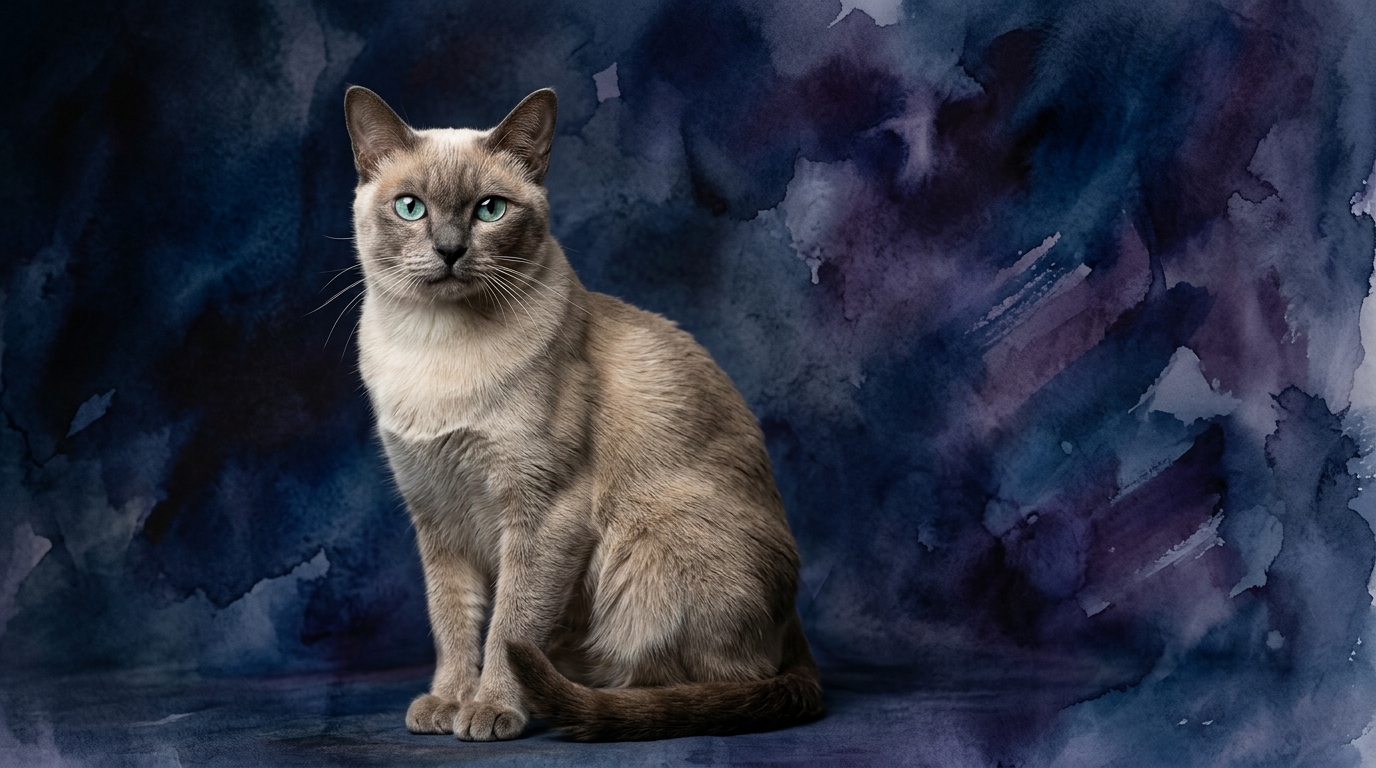
The Cosmic Pet Pet IQ Lab provides a detailed framework for understanding feline cognitive abilities, breaking intelligence down into five key dimensions. For the Tonkinese, we observe a consistently high cognitive engagement across most metrics: Problem Solving (5/5), Training Speed (5/5), Social Intelligence (5/5), Instinctive Drive (4/5), and Memory (5/5). This profile suggests a cat that actively engages with its environment, learns rapidly, and forms deep, nuanced social bonds.
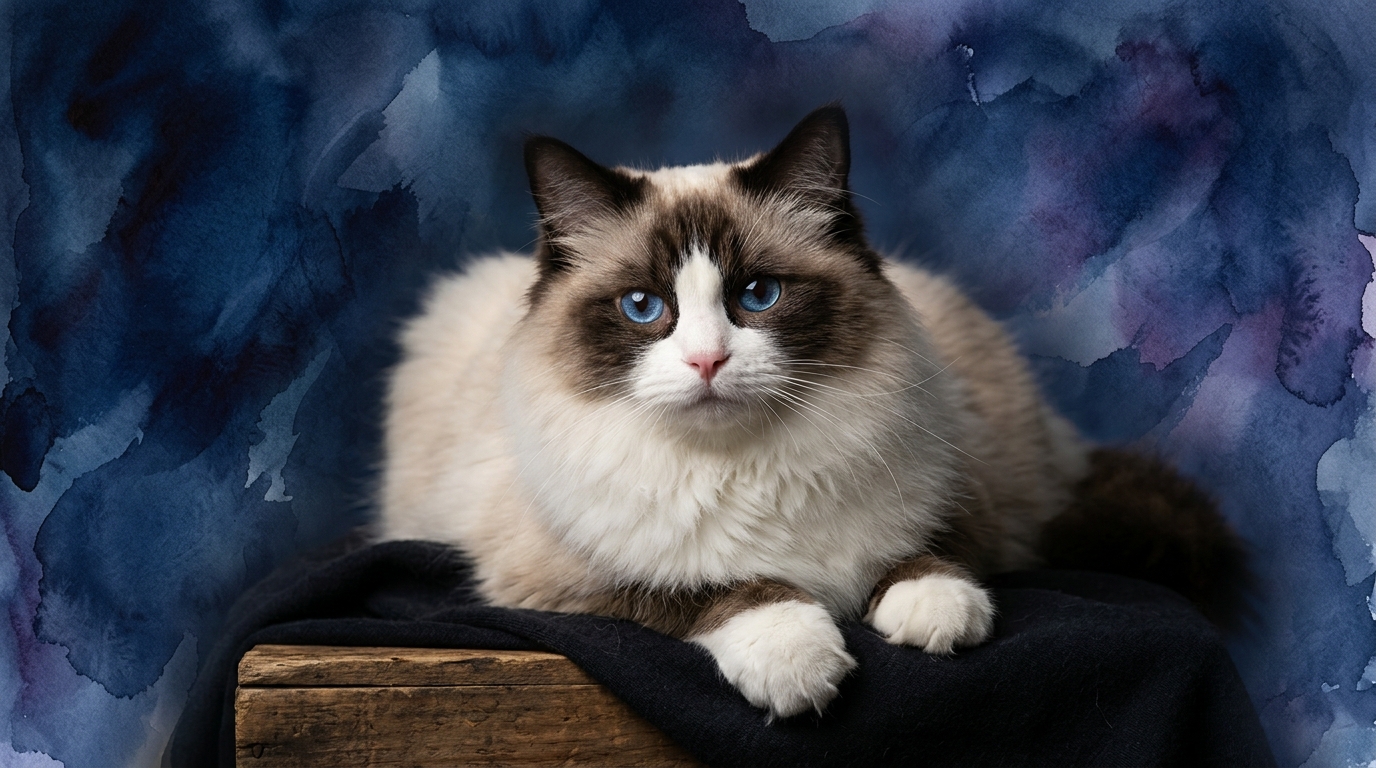
In contrast, the Ragdoll presents a different, though equally valuable, cognitive blueprint. Its scores are: Problem Solving (3/5), Training Speed (3/5), Social Intelligence (5/5), Instinctive Drive (2/5), and Memory (3/5). While sharing the Tonkinese's exceptional social intelligence, the Ragdoll's other scores indicate a more relaxed, less intensely driven cognitive style, preferring straightforward interactions over complex mental gymnastics. Understanding these specific differences is key to appreciating each breed's unique charm and challenges.
Where the Tonkinese Excels Cognitively
The Tonkinese truly shines in areas requiring cognitive agility and retention. With a Problem Solving score of 5/5, these cats are adept at navigating complex environments, figuring out how to open cupboard doors, manipulate puzzle toys for treats, or even learn sequences of actions to achieve a desired outcome. This isn't just about curiosity; it's about a genuine capacity for understanding cause and effect and applying learned solutions to new scenarios. Their exceptional 5/5 Training Speed means they absorb new commands and routines with remarkable efficiency. Owners often report that Tonkinese can learn a wide array of tricks, respond to their names instantly, and even master leash walking much faster than many other breeds.
Furthermore, a perfect 5/5 in Memory complements their problem-solving and training prowess. A Tonkinese remembers past interactions, learned commands, and the layout of its home, allowing it to adapt quickly and anticipate routines. This strong memory also contributes to their social intelligence, as they recall specific human behaviors and preferences, fostering deeper, more personalized relationships. Their Instinctive Drive, at 4/5, fuels this mental engagement, providing the motivation to explore, hunt (playfully), and interact with their surroundings, making them constantly alert and mentally active.
Where the Ragdoll Excels Cognitively
While the Ragdoll's Problem Solving, Training Speed, and Memory scores are moderate (3/5), its true cognitive strength lies in its unparalleled Social Intelligence (5/5) combined with a notably low Instinctive Drive (2/5). This unique blend creates a cat whose primary cognitive focus is on companionship and comfort rather than environmental manipulation or active hunting. Their high social intelligence means they are exceptionally attuned to human emotions and desires, often seeking out physical closeness and responding affectionately to attention. They are masters of forming strong, docile bonds, making them highly intuitive companions.
The Ragdoll's lower Instinctive Drive, in a cognitive context, means their mental energy isn't heavily invested in predatory behaviors or intense environmental exploration. This translates into a remarkably placid and adaptable temperament. They are less prone to anxiety in new situations, less likely to become distressed by changes in routine, and generally exhibit a calm demeanor that is a cognitive advantage for living harmoniously in diverse household settings. Their cognitive approach prioritizes emotional security and serene interaction over mental challenges, which for many owners, is a highly desirable trait. They excel at being present, affectionate, and emotionally supportive.
Which Is Easier to Train and Why?
Based on their cognitive profiles, the Tonkinese is unequivocally the easier breed to train. Their 5/5 Training Speed and 5/5 Problem Solving capabilities mean they not only pick up commands rapidly but also understand the underlying concepts behind them. They thrive on mental stimulation and the reward of successful interaction. A Tonkinese will quickly learn to walk on a leash, perform tricks like 'sit' or 'fetch,' and even respond to complex verbal cues, often with just a few repetitions. Their strong memory ensures these lessons are retained long-term, making them excellent candidates for advanced training and agility exercises.
The Ragdoll, while possessing a perfect 5/5 in Social Intelligence, has a more moderate Training Speed (3/5) and Problem Solving (3/5). This doesn't mean they are untrainable, but rather that their learning process is typically slower and requires more patience and consistency. They are motivated by companionship and affection, so positive reinforcement works well, but complex tricks or rapid-fire command sequences might be challenging. Ragdolls are more likely to learn basic manners, litter box proficiency, and perhaps coming when called, but they may not display the same enthusiasm for intricate puzzle-solving or elaborate routines. Their lower instinctive drive also means they are less motivated by prey-like toys or activities that might engage a Tonkinese.
Which Suits Active Owners vs. Relaxed Owners?
For active owners who relish engaging with their pets on a mental and physical level, the Tonkinese is an ideal match. Their high scores in Problem Solving, Training Speed, and Instinctive Drive mean they require significant mental stimulation and interactive play to prevent boredom. Owners who enjoy teaching tricks, providing puzzle feeders, engaging in vigorous play sessions, or even taking their cat on supervised outdoor adventures will find a Tonkinese to be a highly responsive and enthusiastic participant. These cats thrive in environments where their cognitive abilities are regularly challenged and their social needs met through active interaction, making them a dynamic addition to a bustling household.
Conversely, the Ragdoll is perfectly suited for more relaxed owners who desire a calm, affectionate, and relatively low-maintenance companion. Their lower scores in Problem Solving, Training Speed, and Instinctive Drive, combined with their exceptional Social Intelligence, mean they are content with ample cuddle time, gentle play, and simply being near their human companions. They are less demanding of constant mental stimulation or vigorous exercise, preferring a peaceful environment where they can lounge and offer quiet companionship. Owners seeking a lap cat that readily adapts to a serene home life, and who appreciate a docile, affectionate presence without constant interactive demands, will find the Ragdoll to be a perfect fit.
The Verdict
Choose a Tonkinese if you are an active owner seeking a highly interactive, quick-witted feline companion eager to learn tricks and engage in mentally stimulating activities. They thrive on challenges and consistent engagement.
Choose a Ragdoll if you prefer a calm, affectionate, and docile companion who prioritizes emotional connection and relaxed companionship over intense mental or physical challenges. They offer serene and devoted presence.
🧠 Find Your Pet's IQ Score
Our Pet IQ Lab assessment covers 25+ tests across 5 cognitive dimensions — personalized to your breed.
Take the Full IQ Test →Frequently Asked Questions
Are Tonkinese cats prone to destructive behavior if not mentally stimulated?
Yes, due to their high Problem Solving and Instinctive Drive, an under-stimulated Tonkinese might resort to exploring cabinets, opening doors, or finding other 'puzzles' that could be inconvenient or destructive. Regular interactive play and puzzle toys are crucial for their well-being.
Can Ragdolls learn tricks or walk on a leash?
While their Training Speed is moderate, Ragdolls can certainly learn basic tricks and leash walk, especially if training is initiated early and focused on positive reinforcement and affection. They might not learn as quickly or perform complex sequences like a Tonkinese, but their social intelligence makes them willing participants for connection.
Which breed is better with children and other pets?
Both breeds are generally good with children and other pets due to their high Social Intelligence. The Ragdoll's placid nature and lower Instinctive Drive might make it slightly more tolerant of boisterous play, while the Tonkinese's active nature means it will readily engage in play but might be more sensitive to rough handling.