
Side-by-Side IQ Profile
**Toy Fox Terrier:** This breed's cognitive map is characterized by a lively, practical approach to the world, reflected in its balanced scores across various dimensions.
**Problem Solving (3/5):** This small terrier displays a practical, direct approach to challenges, often relying on instinct and trial-and-error to solve immediate, tangible problems. They can navigate simple puzzles and adapt to minor environmental changes, seeking efficient, often quick, resolutions.
**Training Speed (3/5):** Toy Fox Terriers grasp new commands at a moderate pace, responding well to consistent, engaging methods. Their lively spirit means training sessions benefit from variety and positive reinforcement to maintain focus, as they can sometimes be independently minded.
**Social Intelligence (3/5):** They exhibit a balanced understanding of social dynamics, comfortably interacting with both people and other animals. They can interpret basic emotional cues and adapt their behavior, showing a degree of self-assurance in various social settings.
**Instinctive Drive (3/5):** Rooted in their terrier heritage, their drives manifest as a moderate inclination for chasing, digging, and exploring. While present, these instincts are generally manageable and can be channeled through appropriate activities and play.
**Memory (3/5):** Toy Fox Terriers possess a functional memory, capable of recalling learned behaviors, routines, and familiar individuals over time. This enables them to form lasting bonds and maintain learned commands, though complex sequences might require more regular reinforcement.
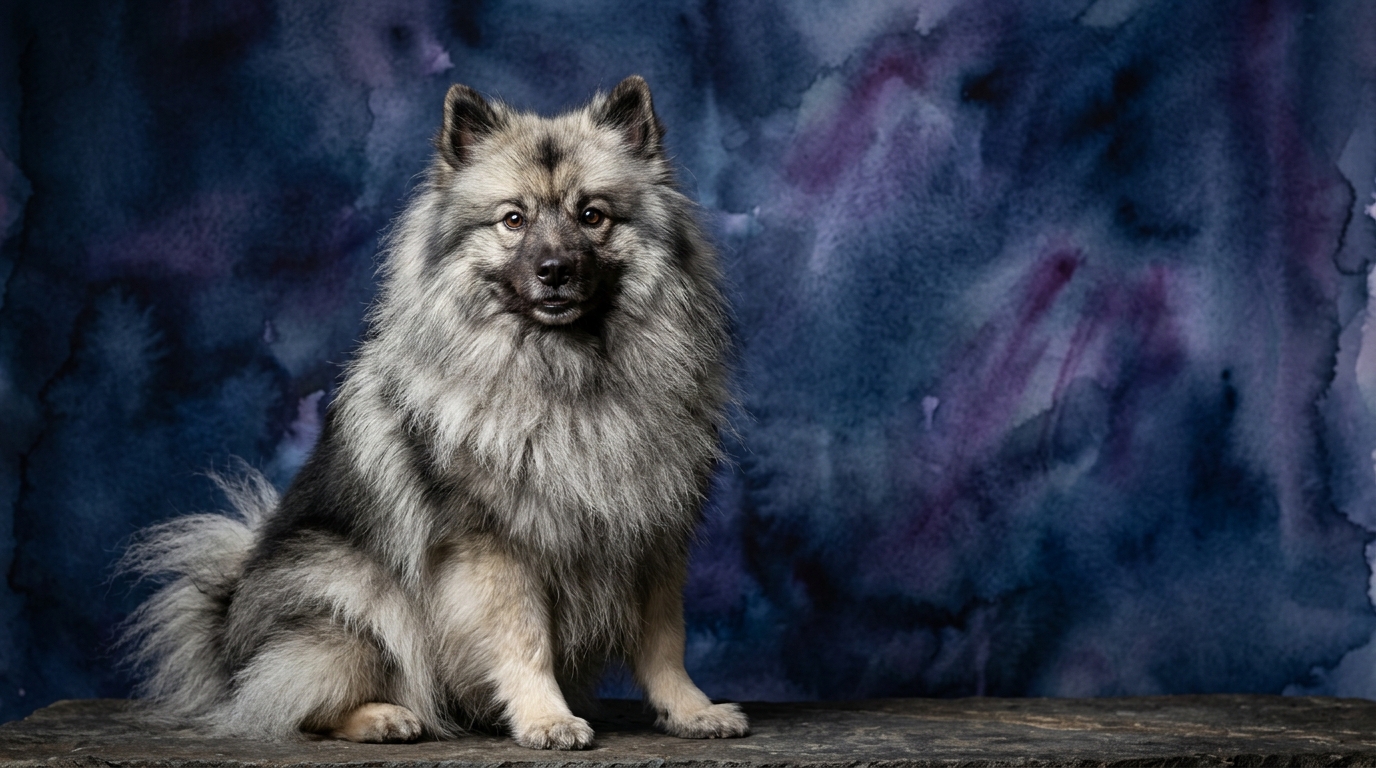
**Keeshond:** The Keeshond's cognitive makeup reveals a thoughtful and highly retentive mind, excelling in areas requiring deeper processing and recall.
**Problem Solving (4/5):** Keeshonds show a strong capacity for analytical thought, often devising clever strategies to overcome obstacles or achieve goals. They can tackle more intricate puzzles and navigate complex environments, demonstrating a thoughtful, planning approach.
**Training Speed (4/5):** These dogs learn new commands and routines with impressive speed, quickly picking up on cues and mastering a wide range of tasks. Their responsiveness makes them a highly rewarding breed for structured training and mental engagement.
**Social Intelligence (3/5):** Keeshonds share a similar level of social understanding, adept at reading human emotions and subtle social cues. Their empathetic nature allows them to form deep, responsive connections within their family, acting as sensitive companions.
**Instinctive Drive (3/5):** Their drives are moderately expressed, primarily focused on alertness and territorial awareness. As natural watchdogs, they have an inclination to observe and bark warnings, but this is balanced and typically not overwhelming.
**Memory (5/5):** A hallmark trait, Keeshonds possess exceptional memory, retaining an extensive repertoire of learned behaviors, commands, and experiences for extended periods. They rarely forget a trick or a familiar face, making their training durable and recall precise.
Where Toy Fox Terrier Wins Cognitively
The Toy Fox Terrier's cognitive strengths lie in their practical application of moderate intelligence. With a Problem Solving score of 3/5 and an Instinctive Drive also at 3/5, they are particularly adept at swift, decisive actions in their immediate environment. This means they excel at quickly assessing and reacting to small, dynamic situations, like finding a lost toy or navigating a cluttered room, without overthinking. Their solutions are often direct and efficient, driven by an immediate goal rather than elaborate planning.
Their balanced Social Intelligence (3/5) allows them to be adaptable and self-assured in various social settings. They are not overly reliant on constant human direction or prone to anxiety from social nuances. This independence, combined with a functional Memory (3/5), means they can comfortably recall essential routines and interactions without being overwhelmed by excessive detail, fostering a resilient and easygoing demeanor in their daily lives.
Where Keeshond Wins Cognitively
The Keeshond's cognitive profile demonstrates superior capabilities in areas demanding higher processing and retention. Their Problem Solving at 4/5 means they are highly resourceful, capable of deciphering complex puzzles or even devising ways to outsmart perceived barriers, such as opening cabinets or figuring out how to retrieve an out-of-reach item. This makes them engaging and often challenging companions for owners who enjoy providing mental enrichment.
The Keeshond's most notable cognitive advantage is its exceptional Memory (5/5). This superior recall ensures that once a behavior or command is learned, it is retained for life, making their training remarkably durable and efficient. This strong memory also underpins their refined Social Intelligence (3/5), allowing them to remember specific interactions and preferences of their family members, fostering nuanced and deeply empathetic bonds. Their Training Speed (4/5) perfectly complements this, enabling them to rapidly absorb and master extensive repertoires of commands and tricks.
Which is Easier to Train and Why
The Keeshond generally holds the edge in ease of training for a wide spectrum of tasks, largely due to its superior Training Speed (4/5) and exceptional Memory (5/5). They rapidly grasp new concepts and retain them long-term, requiring fewer repetitions and making learned behaviors remarkably durable. Keeshonds thrive on mental engagement and positive reinforcement, often eager to please and participate in structured learning. Their strong problem-solving skills (4/5) further enable them to generalize learned behaviors to new contexts more readily, accelerating their progress in obedience or trick training.
The Toy Fox Terrier, while trainable with a 3/5 Training Speed and Memory, requires a more specific approach. Their inherent terrier independence and shorter attention span for repetitive drills mean training sessions benefit from being brief, varied, and highly engaging, utilizing high-value rewards. Distractions, fueled by their moderate instinctive drive (3/5) for chasing, can be more challenging to overcome. While they learn basic commands effectively, owners need to be consistent, creative, and patient to maintain their focus and enthusiasm for more complex or prolonged training.
Which Suits Active Owners vs Relaxed Owners
The Keeshond, while not requiring extreme physical exertion, thrives with owners who are "mentally active" and committed to providing consistent cognitive stimulation. Given their superior Problem Solving (4/5) and Memory (5/5), they excel when engaged in regular training, interactive games, and puzzle toys. They suit owners who enjoy dedicating time to teaching new commands, practicing advanced obedience, or exploring dog sports like rally or agility that leverage their sharp minds. Their ideal owner is one who prioritizes mental enrichment alongside daily walks.
The Toy Fox Terrier, with its balanced cognitive profile across all dimensions (all 3/5), offers greater versatility for owner activity levels. Their moderate instinctive drive means they enjoy energetic bursts of play and daily walks, yet they are equally content to relax indoors. They are a good fit for owners who appreciate a spirited companion but might not seek a dog demanding extensive, structured training sessions every day. They suit both moderately active households and those who prefer a more relaxed pace, provided daily engagement and opportunities for independent exploration are met.
The Verdict
Choose the Toy Fox Terrier if you appreciate a spirited, self-sufficient companion with a practical intelligence, happy to engage in moderate activity and adaptable to various home environments without constant mental demands.
Opt for the Keeshond if you are seeking a highly trainable, mentally agile partner who thrives on learning, excels at problem-solving, and forms deep bonds through an exceptional memory and responsive nature.
🧠 Find Your Pet's IQ Score
Our Pet IQ Lab assessment covers 25+ tests across 5 cognitive dimensions — personalized to your breed.
Take the Full IQ Test →Frequently Asked Questions
Do Toy Fox Terriers and Keeshonds get along with other pets?
Toy Fox Terriers, with their moderate social intelligence, can coexist with other pets, especially if socialized early, though their terrier prey drive might surface with very small animals. Keeshonds, also with moderate social intelligence, generally integrate well into multi-pet households, often displaying a calm and tolerant demeanor.
How do their different memory scores impact daily life?
The Keeshond's exceptional memory (5/5) means they rarely forget commands or routines, making them consistently reliable once trained and able to recall complex sequences. The Toy Fox Terrier's functional memory (3/5) ensures they learn and recall essential daily tasks, but might require more frequent refreshers for less common commands or intricate behaviors.
Are either of these breeds prone to excessive barking?
Keeshonds, historically watchdogs, have a moderate instinctive drive (3/5) for alertness, which can translate into barking at perceived threats or newcomers, though this is manageable with training. Toy Fox Terriers, with their terrier nature, can also be vocal, particularly when excited or encountering novel stimuli, requiring consistent training to manage.