
Side-by-Side Cognitive Profiles
The Cosmic Pet Pet IQ Lab employs a five-dimensional framework to assess canine intelligence, offering a nuanced view beyond simple obedience. For the Toy Fox Terrier, each dimension registers a balanced 3 out of 5, indicating a capable but not exceptionally dominant cognitive profile across the board. This means they approach problem-solving with moderate ingenuity, learn new commands at a steady pace, and possess a solid understanding of social cues, all while driven by a moderate instinctive energy and reliable memory. They are consistent learners and companions, demonstrating a steady cognitive presence without extreme peaks or valleys in their mental aptitude.
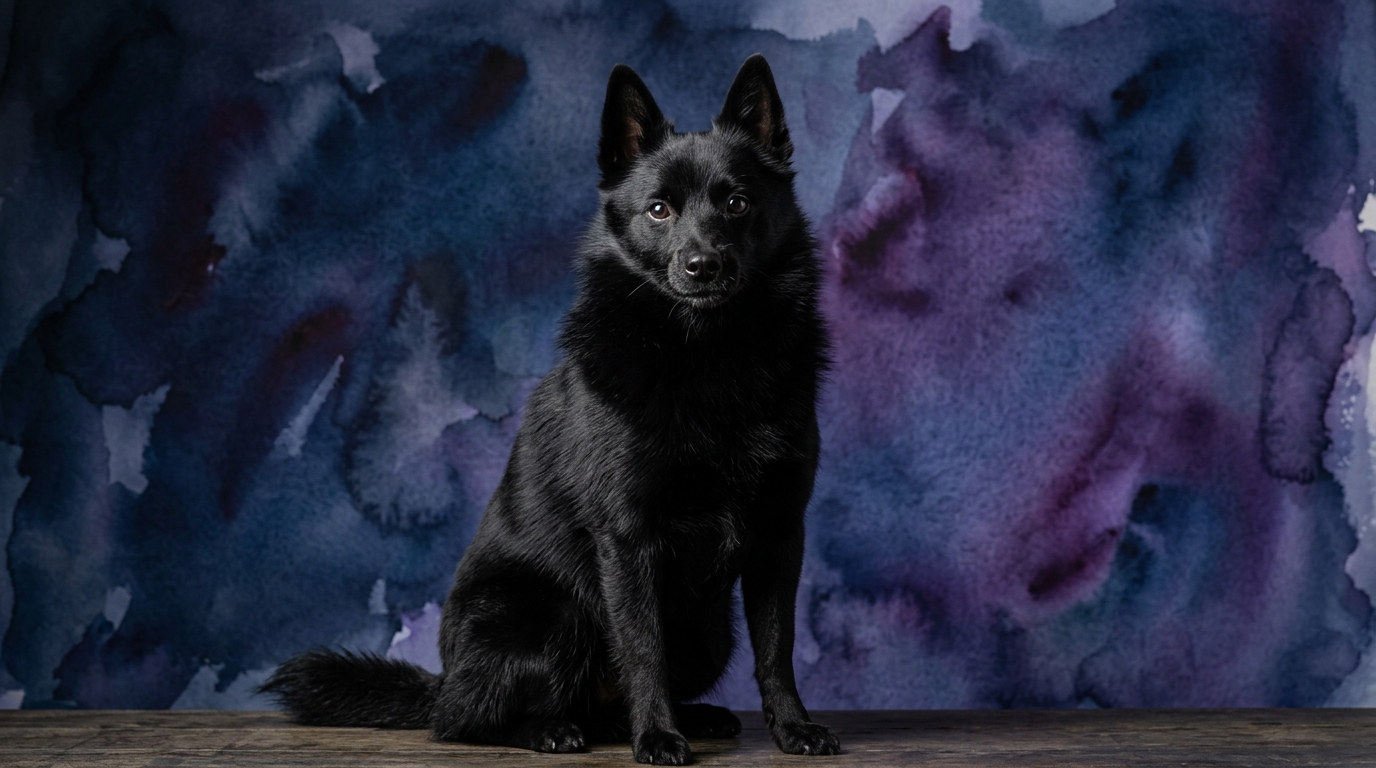
In stark contrast, the Schipperke presents a profile that highlights specific cognitive strengths, earning a Coren rank of #15, placing them among breeds with a notable capacity for operational intelligence. Their problem-solving and training speed both achieve an impressive 5 out of 5, suggesting a breed that can rapidly grasp complex concepts and devise creative solutions to challenges. Complementing this is an equally strong 5 out of 5 in memory, indicating a remarkable ability to retain information and learn from past experiences. While their social intelligence and instinctive drive are rated at 3 out of 5, aligning with the Toy Fox Terrier, these dimensions are often overshadowed by their exceptional capacity for learning and mental agility.
Where the Toy Fox Terrier Excels Cognitively
While the Schipperke showcases high scores in specific areas, the Toy Fox Terrier’s balanced cognitive profile offers distinct advantages for certain lifestyles. Their 3/5 rating across all dimensions suggests a less intense, more adaptable cognitive presence. A Toy Fox Terrier might be less prone to outsmarting their owners or developing complex 'schemes' to achieve their desires, making their cognitive processes more predictable and straightforward to manage. Owners might find their moderate problem-solving skills translate into a dog that enjoys simple puzzles without becoming frustrated or overly persistent when faced with greater challenges.
Moreover, their 3/5 social intelligence often manifests as a more overtly affectionate and less guarded demeanor compared to the Schipperke. While the Schipperke's social intelligence might be channeled into discerning threats or understanding complex household dynamics, the Toy Fox Terrier's tends to be expressed in a more direct, companion-oriented manner. Their moderate instinctive drive also means they are less likely to be overwhelmed by powerful urges for hunting or guarding, making them content with a wider range of activities and environments without requiring constant redirection of intense drives.
Where the Schipperke Shines Cognitively
The Schipperke’s exceptional scores in problem-solving (5/5), training speed (5/5), and memory (5/5) position them as a truly formidable cognitive force. This combination means they can not only quickly learn an extensive repertoire of commands and tricks but also apply that knowledge to novel situations, often surprising owners with their ingenuity. Their ability to strategize and adapt makes them adept at navigating complex environments or figuring out how to access forbidden areas, demanding consistent mental engagement from their human companions.
The Coren rank of #15 further underscores their operational intelligence, indicating a breed that understands and executes commands with minimal repetition, even in challenging contexts. This acute cognitive agility allows them to excel in dog sports like agility, obedience, and even advanced trick training, where rapid learning and precise execution are paramount. Their outstanding memory ensures that once a lesson is learned or an experience encountered, it is retained, allowing them to build a vast mental library of information and past successes.
Which is Easier to Train and Why
Determining which breed is 'easier' to train depends significantly on an owner's definition of ease and their approach. Based purely on the metrics, the Schipperke's 5/5 training speed and problem-solving aptitude suggest they will grasp new concepts and commands with remarkable swiftness. They are quick studies, capable of learning complex sequences and adapting to new training scenarios rapidly. However, this high intelligence also comes with a caveat: a Schipperke can become bored easily if training isn't stimulating or varied, and their problem-solving skills might be turned towards finding loopholes or developing independent solutions that don't align with owner expectations. Their strong memory means they will recall both desired behaviors and any successful attempts at 'outsmarting' their humans.
The Toy Fox Terrier, with a 3/5 training speed, will require more patience and consistent repetition. They learn reliably but at a more measured pace. While they may not pick up a new trick in a single session like a Schipperke, their more straightforward cognitive approach means they are less likely to overthink or attempt to manipulate situations. Training a Toy Fox Terrier often involves clear, positive reinforcement and a steady hand, focusing on building solid foundational behaviors. Owners might find them less prone to the 'stubbornness' that can sometimes accompany a very bright dog who decides they have a better idea, making the training journey perhaps longer, but potentially less fraught with intellectual battles.
Which Suits Active Owners vs. Relaxed Owners
For owners who thrive on mental stimulation and enjoy engaging their dogs in complex activities, the Schipperke is an excellent match. Their intense problem-solving skills and rapid learning mean they excel with owners who are prepared to offer consistent mental challenges, whether through advanced obedience, intricate puzzle toys, or demanding dog sports. An active owner for a Schipperke isn't just about physical exercise, but also about providing an outlet for their sharp mind to operate and learn. Without sufficient mental engagement, a Schipperke might invent their own 'jobs,' which could manifest as mischievous behavior or finding creative ways to entertain themselves, often at the owner's expense.
The Toy Fox Terrier, while certainly a lively and energetic companion, aligns well with owners seeking a dog with a more moderate need for cognitive engagement. Their balanced cognitive profile means they appreciate play, training, and interaction, but don't demand the constant, intricate mental workouts that a Schipperke requires to prevent boredom. A relaxed owner for a Toy Fox Terrier can provide regular walks, basic obedience, and interactive playtime, finding a rewarding companionship without feeling the pressure to continuously outwit their pet. They are adaptable to various living situations, content with a mix of activity and downtime, making them suitable for individuals or families who appreciate a spirited dog but prefer a more predictable cognitive companion.
The Verdict
Choose the Toy Fox Terrier if you appreciate a spirited, adaptable companion with a balanced cognitive profile that offers predictable interactions and a joyful presence without demanding constant intricate mental challenges. They are well-suited for owners seeking a straightforward, affectionate dog who learns reliably at a steady pace.
Opt for the Schipperke if you are an engaged owner who relishes a cognitive partner, eager to provide consistent mental stimulation, advanced training, and opportunities for problem-solving activities. This breed thrives with those who can channel their exceptional intelligence and memory into productive and stimulating endeavors.
🧠 Find Your Pet's IQ Score
Our Pet IQ Lab assessment covers 25+ tests across 5 cognitive dimensions — personalized to your breed.
Take the Full IQ Test →Frequently Asked Questions
Is the Schipperke genuinely smarter than the Toy Fox Terrier?
The Schipperke demonstrates a higher operational intelligence, particularly in problem-solving, training speed, and memory, as indicated by its 5/5 scores in these areas and Coren rank #15. The Toy Fox Terrier's balanced 3/5 profile suggests a capable but less acutely focused cognitive aptitude. It's more about how they are smart rather than a simple 'smarter' label.
Do Toy Fox Terriers require less mental exercise than Schipperkes?
Yes, generally. While both breeds benefit from mental engagement, the Toy Fox Terrier's moderate problem-solving and memory scores mean they are satisfied with more straightforward activities. The Schipperke's high cognitive scores necessitate more challenging and varied mental workouts to prevent boredom and destructive behaviors.
Can a Toy Fox Terrier learn advanced tricks like a Schipperke?
A Toy Fox Terrier can certainly learn advanced tricks, but it will likely take more repetition and patience due to their 3/5 training speed. A Schipperke, with its 5/5 training speed and memory, will typically grasp and retain complex sequences much faster, making them more naturally inclined towards advanced trick training.