IQ Profile: Toy Poodle vs. Irish Water Spaniel
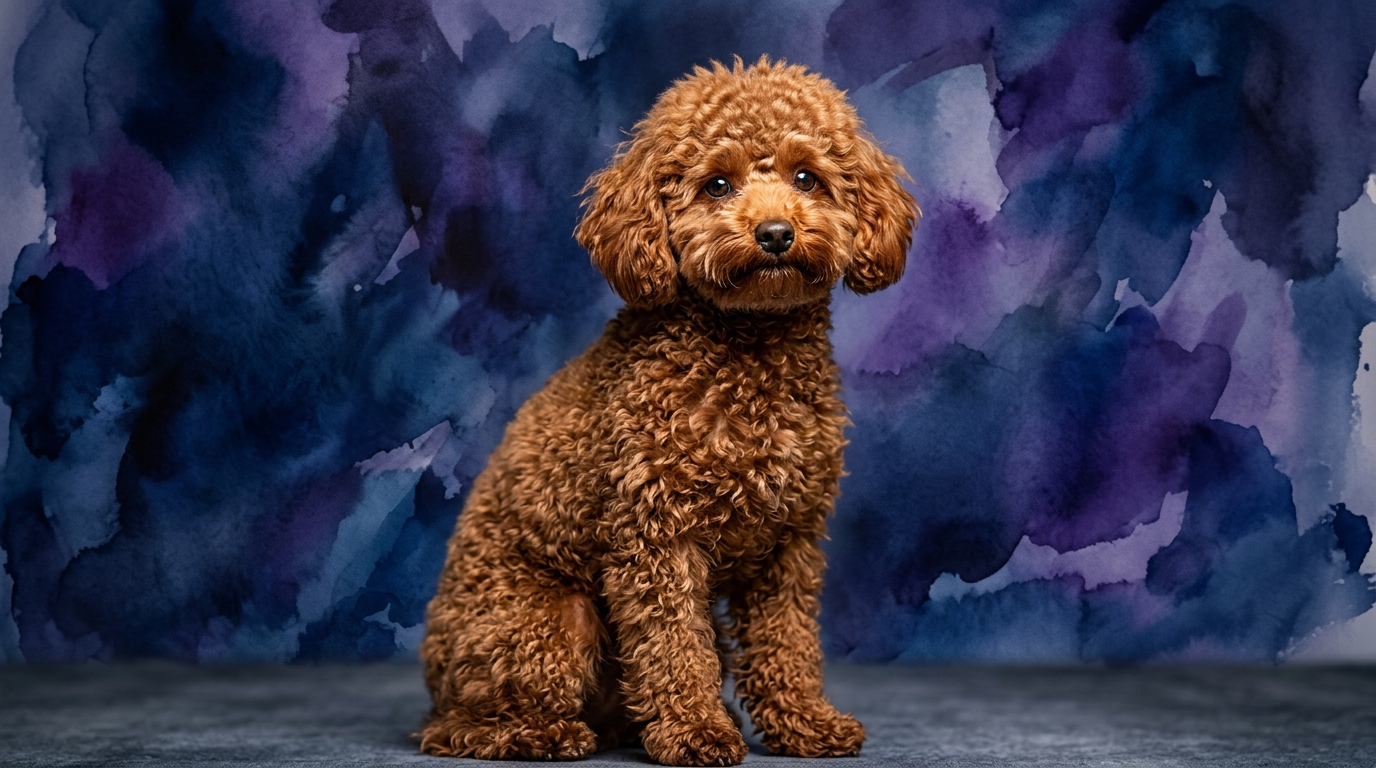
The Cosmic Pet Pet IQ Lab categorizes canine cognition across five crucial dimensions, offering a granular view of each breed's mental aptitude. For the Toy Poodle (Coren rank #2), its profile reveals exceptional strengths: Problem Solving (5/5) indicates an outstanding capacity for independent thought and creative solutions to novel challenges, quickly assessing situations and devising effective strategies. Its Training Speed (5/5) means it absorbs new commands and routines with remarkable swiftness, often requiring minimal repetition to master complex tasks, making them highly responsive learners. Social Intelligence (3/5) suggests a moderate understanding of human cues and appropriate interaction, though perhaps not the deepest intuitive grasp of complex social dynamics without specific guidance. Instinctive Drive (3/5) shows innate drives are present but not overwhelmingly dominant, allowing them to focus readily on human-directed activities. Finally, Memory (5/5) signifies a superior ability to retain learned information over long periods, recalling commands, routines, and specific experiences with impressive accuracy.
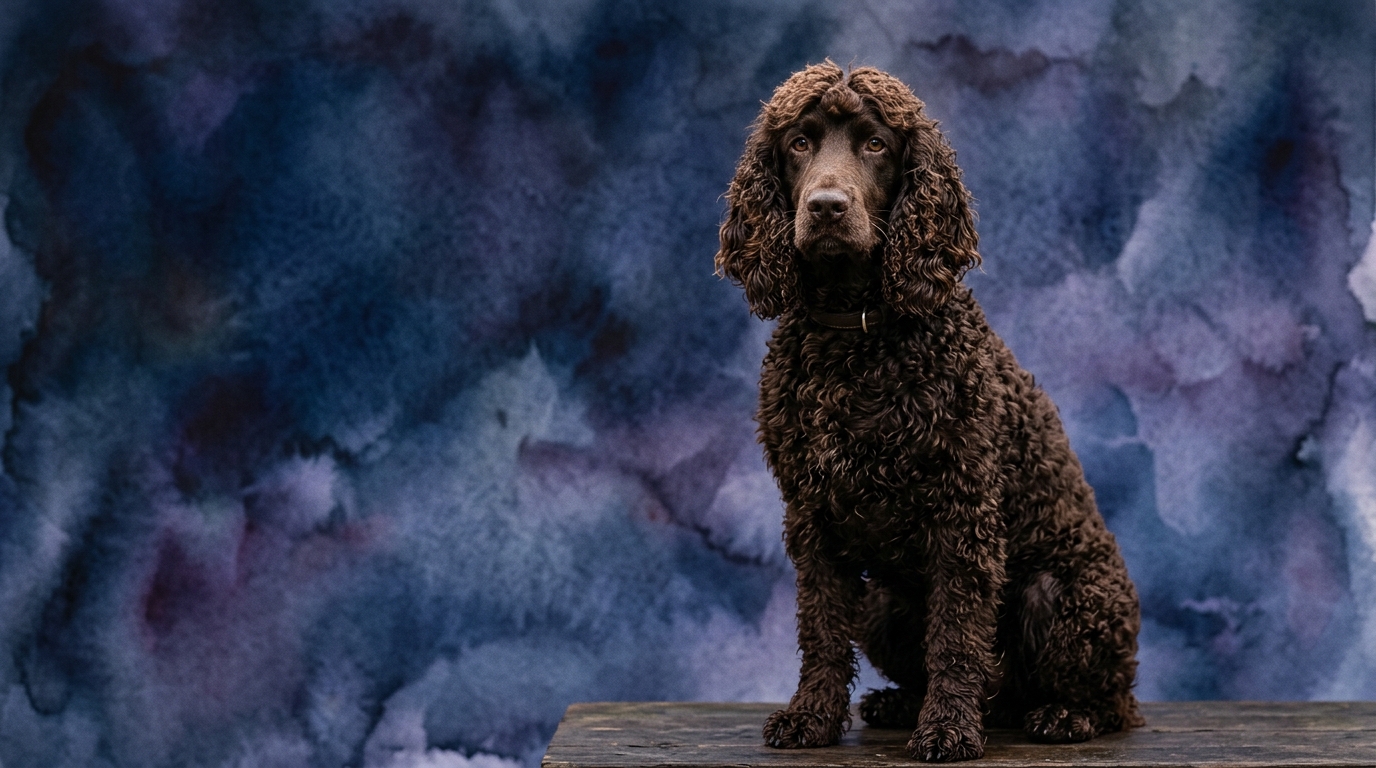
The Irish Water Spaniel (Coren rank #24), while belonging to the Sporting group, presents a robust cognitive blueprint. Its Problem Solving (4/5) demonstrates strong capabilities for navigating complex environments and executing multi-step tasks, though perhaps with slightly less spontaneous innovation than the Poodle. Training Speed (4/5) indicates they are quick learners, readily picking up new commands and procedures, showing a solid aptitude for structured training and consistent performance. Social Intelligence (3/5), mirroring the Poodle, means an adequate understanding for harmonious interaction, enabling them to interpret human communication and respond predictably. Instinctive Drive (3/5), despite being a sporting breed, is well-balanced, allowing them to channel natural working tendencies into focused tasks without being overly distracted. Memory (4/5) is robust, enabling them to recall training, routes, and past experiences reliably, supporting their ability to perform intricate sequences.
Cognitive Edge: Where the Toy Poodle Shines
The Toy Poodle truly distinguishes itself in raw cognitive processing speed and retention. With a perfect 5/5 in Problem Solving, they are adept at analytical thinking, often figuring out intricate puzzles or novel situations independently. This isn't just about learning tricks; it translates to an uncanny ability to understand cause-and-effect, like how to manipulate a latch to open a cabinet or how to use a toy to retrieve another. Their 5/5 Training Speed is a testament to their exceptional neural plasticity, allowing them to form new associations and solidify behaviors with remarkable efficiency, often grasping concepts in just a few repetitions. Furthermore, their 5/5 Memory ensures that once a lesson is learned or an experience is cataloged, it remains accessible, building a comprehensive cognitive database that aids in future learning and adaptation. This combination equips the Toy Poodle with a formidable capacity for rapid learning and sustained cognitive performance across a wide array of tasks.
Cognitive Strengths: The Irish Water Spaniel's Domain
While the Irish Water Spaniel doesn't surpass the Toy Poodle in numerical scores, its cognitive profile, marked by solid 4/5 ratings in Problem Solving, Training Speed, and Memory, indicates a highly capable and practical intellect. Their problem-solving prowess is particularly geared towards practical application, excelling in tasks that require sustained focus and systematic execution, such as tracking, retrieving, or navigating complex scent trails. This breed applies its cognitive abilities with a purposeful drive, making them exceptionally reliable in scenarios demanding consistent performance rather than spontaneous innovation. Their strong memory and training speed, though a notch below the Poodle, are more than sufficient for mastering elaborate sequences of commands and remembering specific locations or cues over time, which is invaluable for a working dog. The Irish Water Spaniel’s intelligence is characterized by its robust endurance and methodical approach, thriving on tasks that leverage their physical and mental stamina in concert.
Training Trajectories: Which Breed Learns Faster?
When it comes to pure training speed, the Toy Poodle holds a distinct advantage, scoring a 5/5 compared to the Irish Water Spaniel's 4/5. This means a Toy Poodle will generally pick up new commands and behaviors with fewer repetitions, often demonstrating an immediate understanding of what's being asked. For instance, teaching a 'stay' command might take only a handful of sessions for a Poodle to grasp its essence, whereas an Irish Water Spaniel might require a few more consistent repetitions to solidify the behavior. The Poodle's superior problem-solving (5/5) also contributes to this, as they can more quickly deduce the desired action from a handler's cues. The Irish Water Spaniel, while still a very capable and willing student, might require a slightly more patient and structured approach, benefiting from clear, consistent reinforcement to embed new learnings. Their training is still effective and rewarding, but the Poodle often offers a slightly quicker path to mastery.
Lifestyle Match: Activity Levels and Owner Compatibility
Considering their instinctive drives (both 3/5) and backgrounds, these breeds cater to different owner lifestyles. The Toy Poodle, despite its cognitive power, typically adapts well to a more relaxed indoor lifestyle, provided its mental stimulation needs are met. Its smaller size means less physical space is required for exercise, making it suitable for apartment living or owners with moderate activity levels who enjoy engaging in brain games, obedience, or agility in a controlled environment. Conversely, the Irish Water Spaniel, as a Sporting dog, possesses an inherent need for more vigorous physical activity and purposeful engagement, even with an identical instinctive drive score. They thrive on activities like swimming, retrieving, long hikes, or dog sports that challenge both their bodies and minds. An owner who enjoys outdoor adventures and can provide consistent, high-energy outlets will find the Irish Water Spaniel a perfect companion, whereas a more sedentary owner might find their energetic demands challenging.
The Verdict
Opt for the Toy Poodle if you prioritize exceptional cognitive agility, rapid learning, and superior memory in a compact companion, especially if you enjoy engaging in complex training, puzzle toys, or competitive obedience in varied environments.
Select the Irish Water Spaniel if you seek a robust, intelligent partner for active outdoor pursuits, valuing a methodical problem-solver and a reliable learner who thrives on consistent physical and mental engagement in a sporting context.
🧠 Find Your Pet's IQ Score
Our Pet IQ Lab assessment covers 25+ tests across 5 cognitive dimensions — personalized to your breed.
Take the Full IQ Test →Frequently Asked Questions
Does the Toy Poodle's small size affect its intelligence compared to larger Poodles?
No, the Toy Poodle's intelligence is consistent with the Poodle breed standard across all size varieties. Their cognitive abilities, including problem-solving and memory, are not diminished by their smaller stature, making them equally capable learners.
Are Irish Water Spaniels good for first-time dog owners given their intelligence?
While intelligent and trainable, Irish Water Spaniels can be strong-willed and require consistent, experienced handling due to their working dog instincts. First-time owners should be prepared for significant commitment to training and exercise.
How do their social intelligence scores of 3/5 impact their interaction with families and strangers?
A 3/5 social intelligence score means both breeds are capable of understanding basic social cues and interacting appropriately. They will be affectionate with their families but might be reserved or take time to warm up to strangers, benefiting from early socialization to ensure well-adjusted interactions.