Side-by-Side IQ Profile: Interpreting Identical Scores
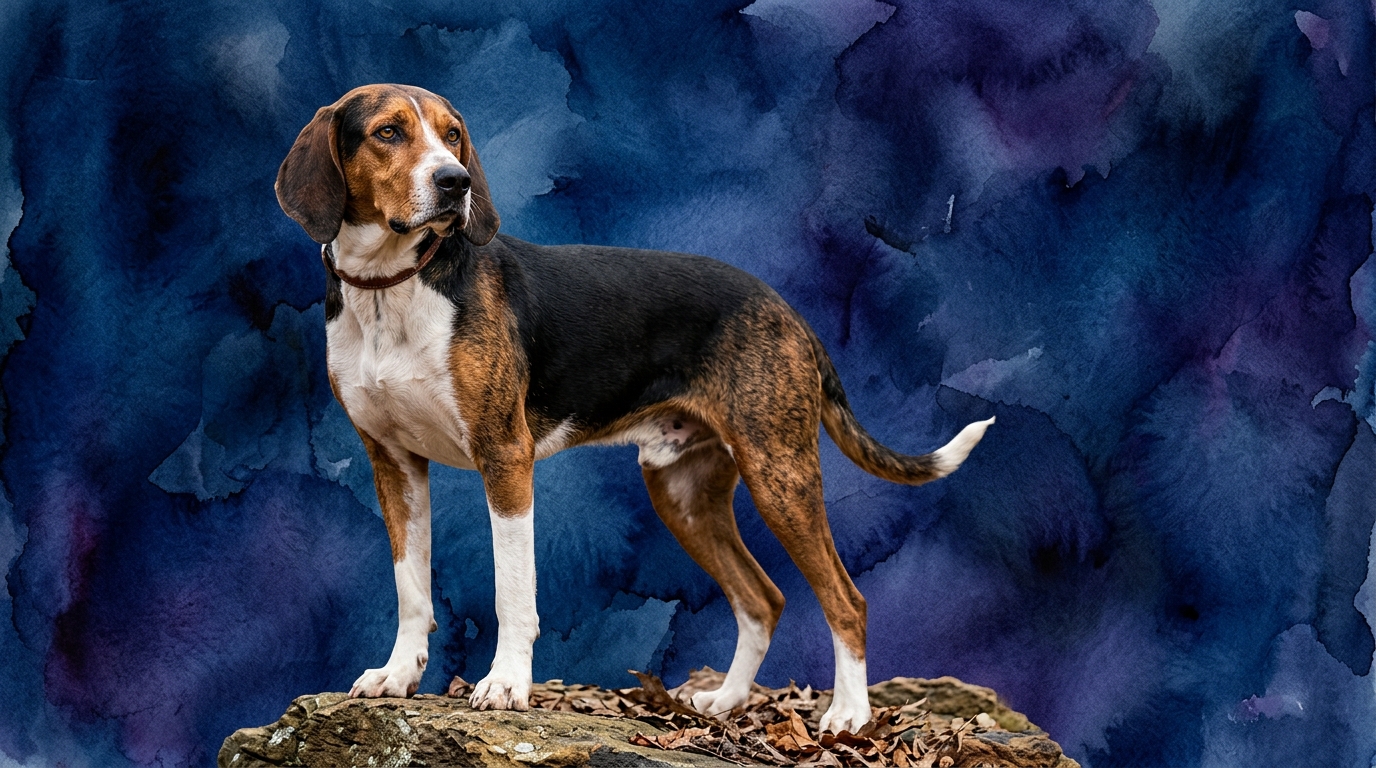
On paper, both the Treeing Walker Coonhound (TWC) and the Italian Greyhound (IG) register a uniform 3 out of 5 across all five assessed cognitive dimensions: Problem Solving, Training Speed, Social Intelligence, Instinctive Drive, and Memory. This shared numerical value doesn't imply identical mental processes, but rather reflects a moderate, functional capacity within each area, tailored to their respective breed purposes and lifestyles. For the Treeing Walker Coonhound, a hound breed, a 3/5 in Problem Solving typically involves navigating complex outdoor environments, deciphering intricate scent trails, and strategizing to locate quarry. Their 3/5 Training Speed indicates they are capable learners, but their independent hound nature often means lessons require patience and understanding of their motivations. Social Intelligence at 3/5 suggests they are adept at pack dynamics and understanding human cues within a working or family context. Their Instinctive Drive, also 3/5, is strongly tied to their hunting heritage, manifesting as a persistent desire to track and tree game. Finally, a 3/5 in Memory for a TWC implies a solid ability to recall scent patterns, terrain features, and past successful hunting strategies.
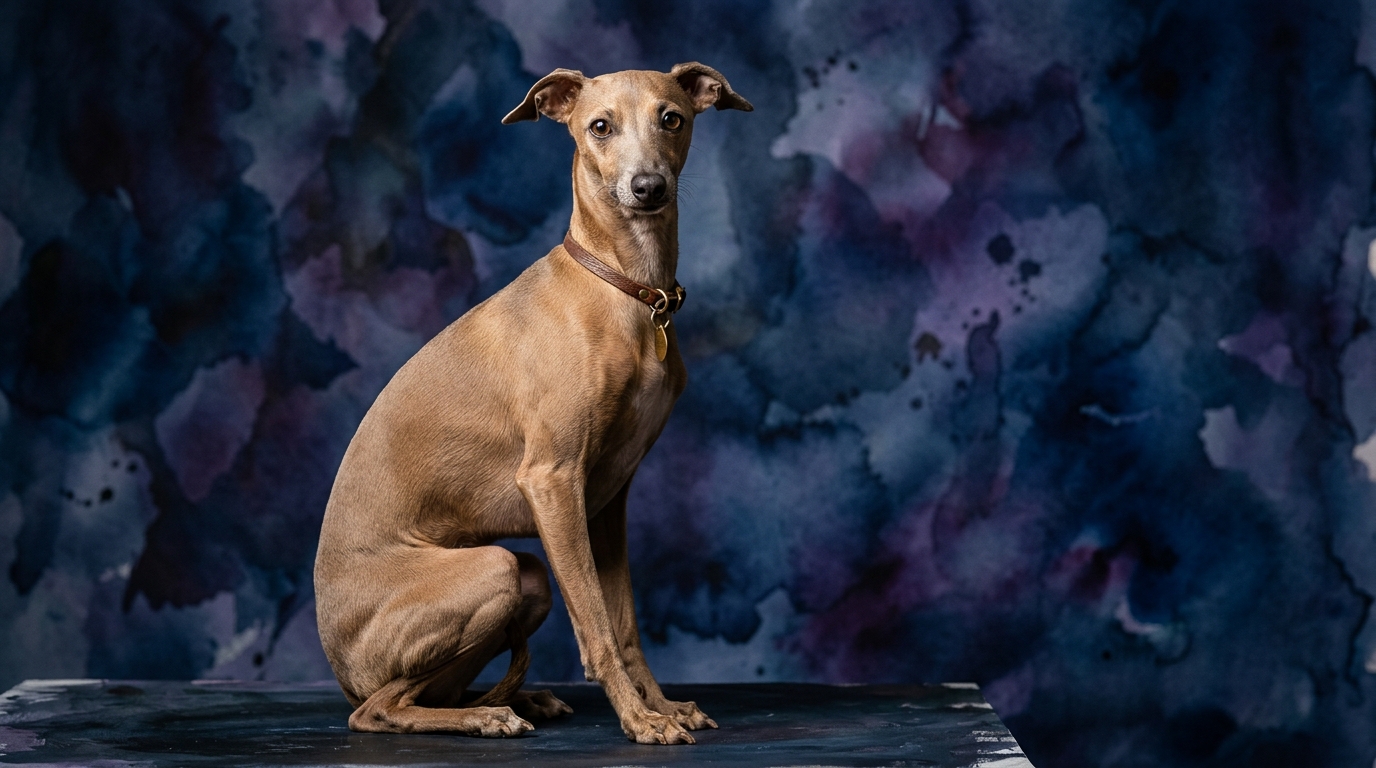
The Italian Greyhound, a toy breed, interprets these same 3/5 scores through a completely different lens. Their 3/5 Problem Solving might involve cleverly manipulating their environment to secure comfort, gain attention, or navigate household obstacles. A 3/5 in Training Speed means they can acquire new behaviors, but their delicate nature and potential for distraction might necessitate short, positive, and engaging sessions. Social Intelligence at 3/5 for an IG speaks to their capacity for nuanced interaction with their human companions, often displaying sensitivity to moods and a strong desire for connection. Their Instinctive Drive, also 3/5, is less about robust pursuit and more about a refined prey drive for small, fast-moving objects, coupled with a deep-seated need for companionship and warmth. Lastly, an IG's 3/5 Memory likely manifests as a strong recall for routines, preferred people, and locations of comfort or resources within their domestic world.
Where the Treeing Walker Coonhound Wins Cognitively
While both breeds share a 3/5 score, the Treeing Walker Coonhound exhibits a distinct cognitive advantage in tasks demanding sustained, independent problem-solving rooted in sensory input. Their problem-solving capacity, rated 3/5, is specifically honed for complex olfactory challenges. A TWC excels at deciphering faint scent trails, distinguishing between multiple tracks, and making autonomous decisions in the field when pursuing game. This isn't about solving abstract puzzles, but rather about a highly specialized form of navigation and deduction that leverages their keen sense of smell and robust physical endurance. Their 3/5 Instinctive Drive, when combined with their problem-solving, creates a powerful engine for persistent, focused work, allowing them to follow a trail for hours, overcoming obstacles and adapting to changing conditions without constant human direction. This cognitive strength is a direct reflection of centuries of selective breeding for hunting prowess, where independent thought and an unwavering commitment to the task are paramount.
Where the Italian Greyhound Wins Cognitively
The Italian Greyhound, despite shared numerical scores, demonstrates a unique cognitive edge in areas revolving around social nuance and adaptability within a human-centric environment. Their 3/5 Social Intelligence is particularly refined, allowing them to pick up on subtle human emotional cues, body language, and vocal inflections with remarkable precision. This translates into an ability to seamlessly integrate into family life, often anticipating needs for affection or recognizing when their human companion requires quiet companionship. Their problem-solving abilities, also 3/5, manifest as clever strategies for securing comfort, warmth, or attention, such as finding the sunniest spot, burrowing under blankets, or gently nudging for a lap. The IG's cognitive strengths lie in their capacity for delicate interaction and their sophisticated understanding of the domestic social landscape, making them exceptionally attuned companions. They are masters of adapting their behavior to the ebb and flow of household routines, often learning quickly what actions elicit desired responses from their people.
Which is Easier to Train and Why
Both the Treeing Walker Coonhound and the Italian Greyhound carry a 3/5 rating for Training Speed, yet the practical experience of training them can differ significantly due to their inherent behavioral profiles. The TWC's independent nature, a hallmark of many hounds, means they might take longer to reliably respond to commands, particularly if a compelling scent distraction is present. Their 3/5 Training Speed suggests they are capable of learning, but their strong 3/5 Instinctive Drive for tracking often overrides an immediate desire to comply with human instruction in stimulating environments. Consistency, patience, and high-value rewards are crucial, and owners must understand that a TWC's 'obedience' is often a partnership built on mutual respect rather than absolute subservience, especially concerning recall when they are 'on scent.'
The Italian Greyhound, conversely, presents a different set of training considerations. Their delicate physique and sensitive temperament mean harsh training methods are entirely counterproductive. While their 3/5 Training Speed indicates they can learn, their attention span for repetitive drills might be shorter, and they can become easily discouraged or distracted. House-training can be a particular challenge for IGs due to their small bladders and aversion to cold or wet weather, often requiring diligent, consistent positive reinforcement and frequent outdoor access. Their motivation for training often stems from a desire for comfort, treats, or positive interaction, leveraging their 3/5 Social Intelligence. Neither breed is inherently 'easy' or 'difficult' to train; rather, the *type* of challenge and the *approach* required by the owner are distinct, mirroring their breed-specific cognitive leanings.
Which Suits Active Owners vs. Relaxed Owners
The distinction between these two breeds regarding owner lifestyle is quite pronounced, despite their shared IQ scores. The Treeing Walker Coonhound is unequivocally suited for active owners. Their 3/5 Instinctive Drive demands significant outlets for physical exertion and mental stimulation, ideally through activities that engage their powerful sense of smell. Daily, rigorous exercise, such as long walks, runs, or dedicated scent work, is not just beneficial but essential for their well-being. An owner who enjoys outdoor adventures, hiking, or even participating in canine scent sports will find a TWC a willing and enthusiastic partner. Without sufficient activity, their problem-solving capacity and drive can lead to destructive behaviors or persistent vocalizations born of boredom.
The Italian Greyhound, while capable of bursts of speed and playful energy, is generally a better fit for owners who appreciate a balance of activity and relaxation. They enjoy short, brisk walks or enclosed yard play but are equally content to spend significant time curled up on a soft blanket or a human lap. Their 3/5 Social Intelligence thrives on close companionship, making them ideal for owners who are home frequently and enjoy a constant companion. While they benefit from regular, moderate exercise to maintain their svelte physique, they are not a breed that requires hours of strenuous activity daily. Their need for warmth and comfort also makes them less suitable for owners who expect a dog to spend extended periods outdoors in varied weather. They are perfect for those seeking a devoted, affectionate, and relatively low-impact companion for much of the day.
The Verdict: When to Choose Each
The Verdict
Choose the Treeing Walker Coonhound if you are an active, outdoors-oriented individual or family, passionate about engaging a dog in scent work, hiking, or robust physical activity, and prepared to manage their independent nature with consistent training.
Opt for the Italian Greyhound if you seek a devoted, affectionate companion that thrives on close human interaction and offers a balance of playful energy and peaceful companionship, suitable for a more relaxed, indoor-centric lifestyle.
🧠 Find Your Pet's IQ Score
Our Pet IQ Lab assessment covers 25+ tests across 5 cognitive dimensions — personalized to your breed.
Take the Full IQ Test →Frequently Asked Questions
Do Treeing Walker Coonhounds make good family pets?
Yes, Treeing Walker Coonhounds can be excellent family pets, particularly for active families who understand their need for exercise and mental engagement. They are generally good with children and other dogs when properly socialized, but their strong prey drive requires careful management around smaller pets.
Are Italian Greyhounds good with children?
Italian Greyhounds can be good with older, respectful children who understand how to interact gently with a delicate dog. Due to their fragile build, they are generally not recommended for homes with very young or boisterous children who might accidentally injure them during play.
What kind of exercise do Italian Greyhounds need?
Italian Greyhounds need moderate exercise, typically consisting of a few short walks daily or supervised playtime in a securely fenced yard. They enjoy bursts of running but are also prone to chilling, so warm clothing is essential in colder weather.