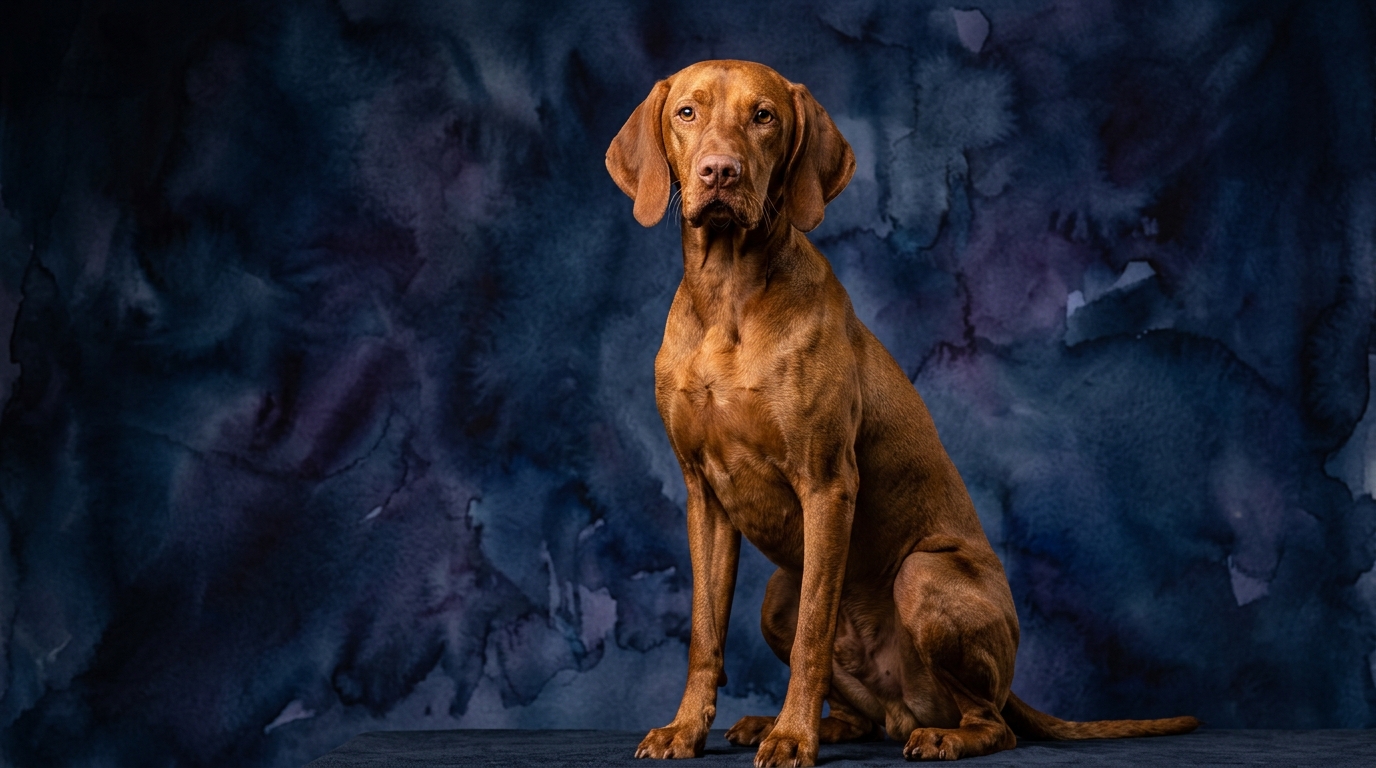
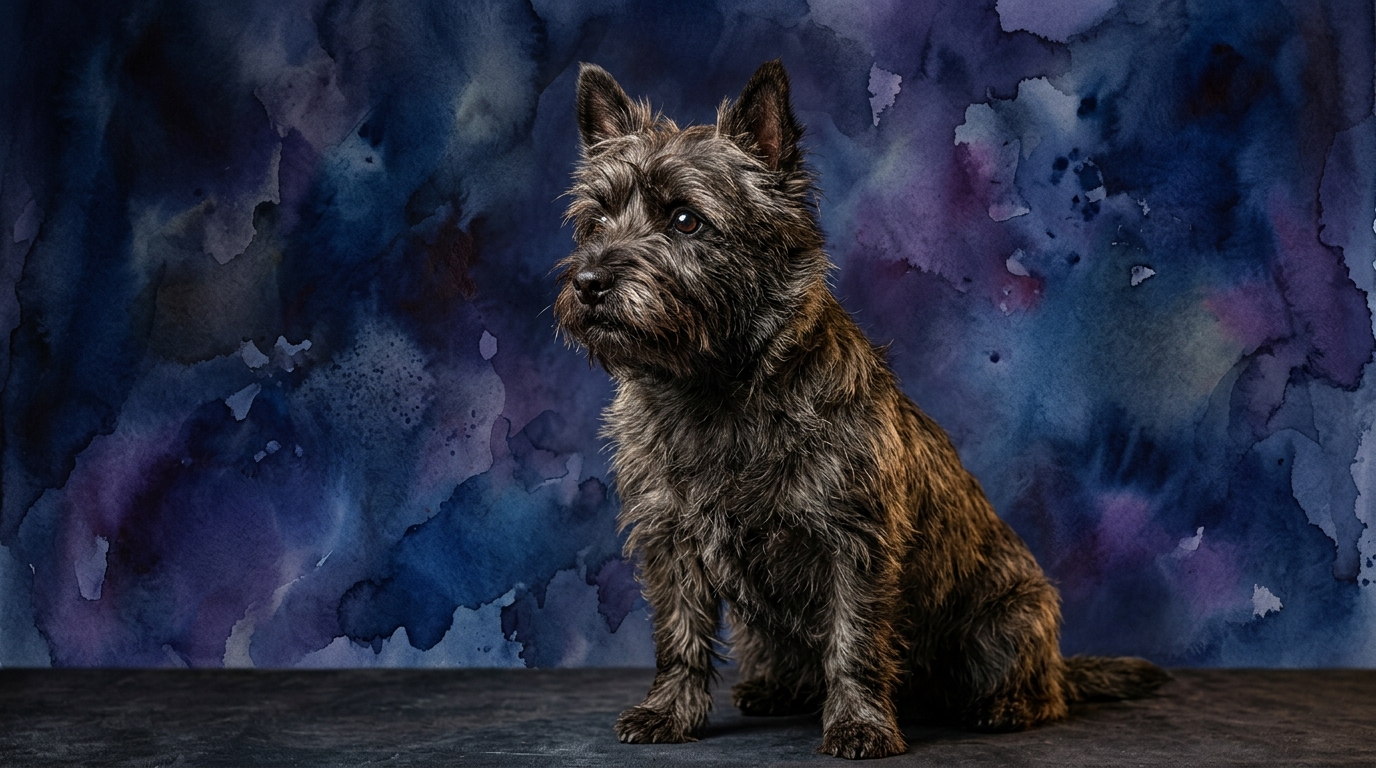
Side-by-Side Cognitive Profile
For the Vizsla, a Coren rank of #31 underscores a well-rounded cognitive architecture. Their Problem Solving (4/5) indicates a dog capable of navigating complex tasks with consistent effort, while Training Speed (4/5) suggests a quick grasp of new commands, often eager to please. Social Intelligence (5/5) highlights an exceptional ability to read human emotions and intentions, fostering deep connections. An Instinctive Drive (5/5) points to a powerful genetic predisposition for tasks like hunting and retrieving, demanding outlets for this innate energy. Memory (4/5) signifies a strong capacity to recall learned behaviors and past experiences.
The Cairn Terrier, with a Coren rank of #35, presents a distinct cognitive makeup. Their Problem Solving (4/5) shows a breed capable of independent thought to overcome obstacles, often employing persistence. Training Speed (4/5) indicates they learn commands readily, though their independent nature might sometimes influence their response. Social Intelligence (3/5) suggests they are observant but may not always prioritize human emotional states or cooperative efforts as highly, often valuing their own agenda. Instinctive Drive (3/5) reflects a moderate but noticeable urge for tasks like digging and exploring, typical of their terrier heritage. Memory (4/5) demonstrates a solid ability to retain information and learned patterns.
Where the Vizsla Wins Cognitively
The Vizsla's exceptional Social Intelligence (5/5) is a clear cognitive advantage, allowing them to form profound bonds and work in close partnership with humans. This translates to an uncanny ability to anticipate human needs and respond to subtle cues, making them highly attuned companions in a way few breeds can match. Their potent Instinctive Drive (5/5) is also a cognitive strength when channeled appropriately, enabling them to excel in complex scent work, field trials, and obedience, where sustained focus and purpose are paramount.
This breed's cognitive framework prioritizes cooperation and understanding within a human-dog team. Their superior social cognition means they often 'think with' their owner, rather than simply 'thinking for' themselves, making collaborative learning and advanced communication more fluid. For owners seeking a dog that truly integrates into their daily rhythms and responds with empathetic understanding, the Vizsla's cognitive design offers a distinct advantage.
Where the Cairn Terrier Wins Cognitively
The Cairn Terrier's cognitive strengths lie in their robust Problem Solving (4/5) combined with a moderate Instinctive Drive (3/5) that fuels independent exploration and resourcefulness. While the Vizsla's problem-solving often involves human collaboration, the Cairn's approach is frequently self-directed, making them adept at figuring out challenges on their own terms, such as navigating complex environments or finding hidden treasures. Their cognitive profile leans towards an innate curiosity and a tenacious spirit that doesn't easily give up when faced with a puzzle.
This breed's cognitive independence, while sometimes perceived as stubbornness, is a significant asset in situations requiring self-reliance. They excel at tasks that demand individual initiative and a degree of skepticism towards immediate human instruction, such as vermin control or navigating novel situations without constant guidance. Their memory (4/5) supports this by allowing them to quickly learn and recall solutions to recurring environmental challenges, making them effective at adapting to their surroundings with minimal human intervention.
Ease of Training: Vizsla vs. Cairn Terrier
Based on their IQ profiles, the Vizsla is generally easier to train due to their superior Social Intelligence (5/5) and strong Instinctive Drive (5/5). Their high social cognition means they are inherently motivated to please their human companions, readily picking up on subtle body language and vocal tones. This eagerness to cooperate, coupled with a solid Training Speed (4/5), makes them highly receptive to positive reinforcement methods and quick to internalize commands. They thrive on collaborative learning, viewing training as a shared activity.
Conversely, while the Cairn Terrier also boasts a Training Speed of 4/5 and a Memory of 4/5, their lower Social Intelligence (3/5) and moderate Instinctive Drive (3/5) can present a different training dynamic. Cairns are capable learners, but their independent spirit means they might prioritize their own investigative urges over immediate compliance. Training a Cairn often requires more patience and creative motivation to convince them that following a command is more rewarding than pursuing their own agenda, such as exploring a scent or digging. Their cognitive focus is often on the task at hand, rather than the trainer's emotional state.
Suitability for Active vs. Relaxed Owners
The Vizsla is unequivocally suited for active owners. Their profound Instinctive Drive (5/5) and high energy levels demand substantial physical and mental engagement daily. They thrive in environments where they can run, hike, swim, and participate in dog sports like agility, field trials, or advanced obedience. A relaxed owner who cannot provide consistent outlets for their drive and cognitive needs will likely find a Vizsla restless and potentially destructive, as their problem-solving skills might be redirected towards less desirable activities when bored.
The Cairn Terrier, while not a couch potato, is a better fit for moderately active to relaxed owners compared to the Vizsla. Their Instinctive Drive (3/5) means they enjoy regular walks, playtime, and opportunities for exploration, but they do not typically require the same intensity or duration of exercise as a Vizsla. They are content with a good daily stroll and mental stimulation through puzzle toys or short training sessions. A relaxed owner who appreciates a curious, independent companion and can provide consistent, engaging activities without the need for extreme athleticism will find a Cairn Terrier a more harmonious match.
The Verdict
Select a Vizsla if you are an active individual or family seeking a highly cooperative, empathetic companion eager to integrate deeply into your life and participate in demanding physical and mental activities.
Opt for a Cairn Terrier if you appreciate a spirited, independent companion with a curious mind, capable of self-directed play and content with moderate daily activity and engaging mental challenges.
🧠 Find Your Pet's IQ Score
Our Pet IQ Lab assessment covers 25+ tests across 5 cognitive dimensions — personalized to your breed.
Take the Full IQ Test →Frequently Asked Questions
Do Vizslas get along well with other pets?
With their high Social Intelligence (5/5), Vizslas typically adapt well to other pets, especially if socialized early, often forming harmonious relationships within the household. Their cooperative nature extends to inter-species interactions, though their strong prey drive may require careful introductions with very small animals.
Are Cairn Terriers prone to digging?
Yes, Cairn Terriers have an Instinctive Drive (3/5) that includes a natural inclination to dig, stemming from their history as vermin hunters. Providing designated digging areas or engaging them in alternative scent work can help manage this innate behavior effectively.
How much mental stimulation do these breeds need?
Vizslas require significant daily mental stimulation, leveraging their Problem Solving (4/5) and Memory (4/5) through complex training, puzzle toys, and interactive games. Cairn Terriers also need regular mental challenges to satisfy their Problem Solving (4/5) and curiosity, but often thrive on independent exploration and scent work rather than constant human-directed tasks.