Side-by-Side Cognitive Profile: Vizsla vs. Dogue de Bordeaux
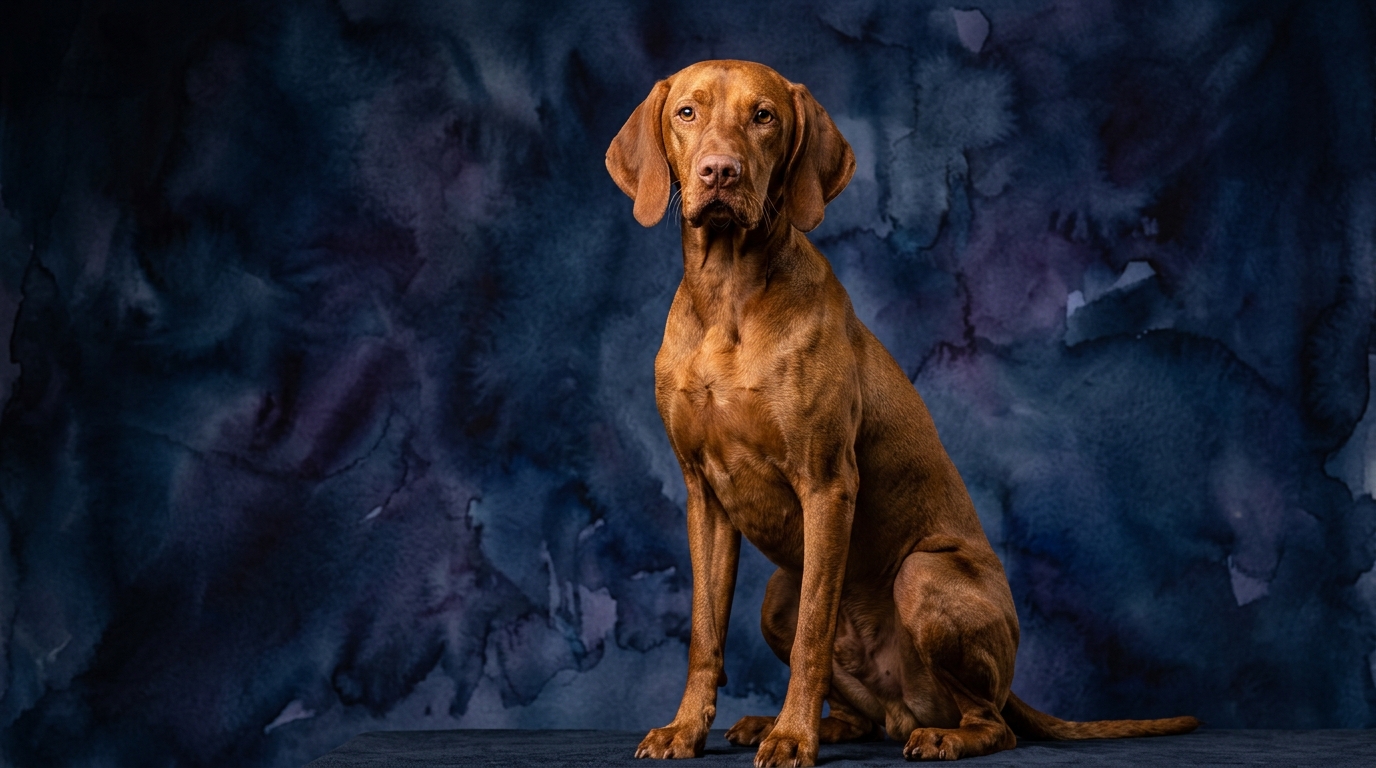
The Vizsla, a member of the Sporting group, holds a notable Coren rank of #31, indicating its position among breeds demonstrating a strong capacity for learning and obedience. Our Pet IQ Lab assessment rates the Vizsla with a Problem Solving score of 4/5, reflecting its keen capacity for independent thought and effective navigation of novel situations. Its Training Speed of 4/5 signifies a readiness to grasp new commands and routines with relative ease, often requiring fewer repetitions. Social Intelligence stands at an exceptional 5/5, indicating a profound ability to interpret human cues, adapt to social dynamics, and form deep bonds. An Instinctive Drive of 5/5 underscores their strong prey drive and inherent working dog traits, making them highly motivated by tasks, while their Memory, rated 4/5, ensures they retain learned behaviors and past experiences efficiently.
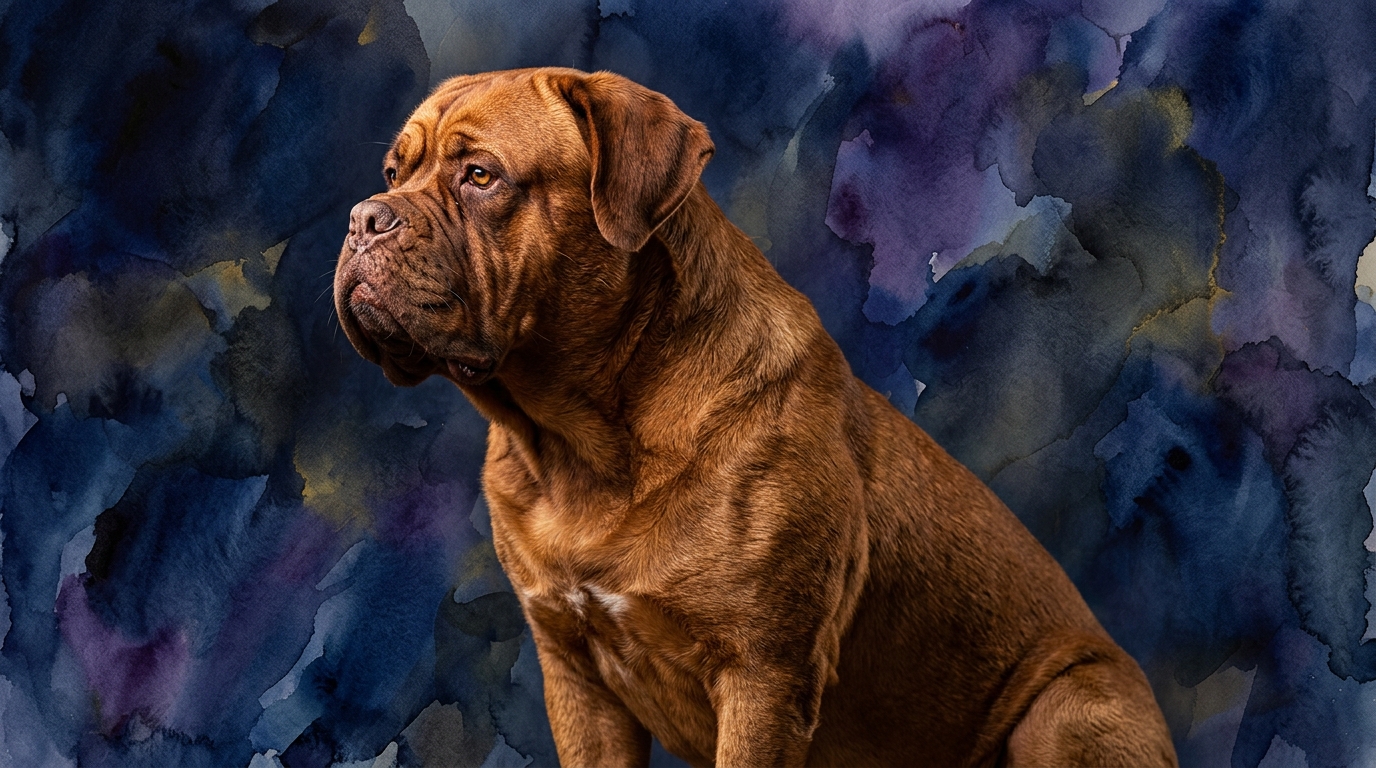
In contrast, the Dogue de Bordeaux, a robust member of the Working group, is not Coren-ranked, yet possesses its own unique set of cognitive strengths. This breed presents a more measured cognitive profile across our metrics. Their Problem Solving is rated 3/5, suggesting they can navigate straightforward challenges but might require more guidance with complex scenarios. A Training Speed of 3/5 indicates they learn at a steady pace, benefiting from consistent, patient instruction. Social Intelligence at 3/5 means they are generally receptive to human interaction but may not possess the same intuitive understanding or nuanced responsiveness as some breeds. Their Instinctive Drive of 3/5 points to a moderate inherent motivation, often expressed in their protective instincts rather than a strong drive for active tasks. Memory, also 3/5, implies they retain information adequately but may need more frequent reinforcement to solidify learning.
Where the Vizsla Excels Cognitively
The Vizsla's superior scores across all five cognitive dimensions suggest a generally more agile and adaptable cognitive framework. Their 4/5 in Problem Solving means they are more likely to independently figure out how to open a gate or retrieve a hidden toy, demonstrating a proactive approach to environmental challenges. This contrasts with the Dogue de Bordeaux, who might wait for direction or exhibit less spontaneous exploration. The Vizsla's exceptional 5/5 Social Intelligence allows them to pick up on subtle emotional shifts in their human companions, often anticipating needs or reacting empathetically, fostering a remarkably intuitive partnership. This acute sensitivity translates into a dog that not only understands commands but also the intent behind them.
Furthermore, their 5/5 Instinctive Drive, stemming from their heritage as versatile hunting dogs, equips them with an inherent motivation to work alongside humans on complex tasks, making them particularly receptive to advanced obedience or sporting endeavors. Their 4/5 Training Speed means new concepts are absorbed quickly, making the learning process feel more like a collaborative dance than a structured lesson. This combination of quick thinking, social attunement, and strong drive makes the Vizsla an exceptionally versatile and responsive companion, capable of excelling in a wide array of activities that demand mental nimbleness and collaborative spirit.
Where the Dogue de Bordeaux Shines Cognitively
The Dogue de Bordeaux's cognitive profile, while not marked by the same quick-fire agility as the Vizsla, manifests its own distinct advantages, particularly in areas demanding calm observation and unwavering presence. Their 3/5 in Social Intelligence, for example, translates not into a lack of connection, but often into a selective and profound bond with their immediate family, demonstrating a focused loyalty rather than broad social adaptability. This singular devotion allows them to process and prioritize the security of their human companions, making them exceptionally reliable in their intended role as guardians. They exhibit a cognitive strength in their ability to remain composed and observant, processing information about their environment with a deliberate mindset.
While their Problem Solving is rated 3/5, this often aligns with a preference for deliberate action over impulsive decision-making, which can be advantageous in situations requiring a measured response. They may not devise intricate escape plans, but they are adept at processing and reacting to potential threats within their designated territory with a calm, imposing resolve. Their steady 3/5 in Memory ensures they retain essential boundaries and routines, contributing to their predictable and reassuring presence within the home environment. This steady cognitive approach allows them to be a consistent and dependable presence, providing a sense of stability and security that is highly valued by their families.
Training Dynamics: Vizsla vs. Dogue de Bordeaux
The Vizsla, with its 4/5 Training Speed and robust 5/5 Instinctive Drive, generally presents as the breed more amenable to training. Their eagerness to engage and their innate desire to work alongside humans mean they often pick up commands rapidly, thriving on positive reinforcement and mental challenges. This breed’s high social intelligence also contributes significantly, as they are adept at reading their handler's body language and vocal tone, facilitating a smoother communication loop during training sessions. Behavioral differences include the Vizsla’s propensity for intense focus and sustained activity, making them excellent candidates for advanced obedience, agility, or field work. They actively seek engagement and respond well to varied, stimulating training exercises, often anticipating the next step.
Conversely, the Dogue de Bordeaux, with a 3/5 in Training Speed and Instinctive Drive, requires a more patient and consistent approach. While capable of learning, they are not typically driven by the same urgent desire to please or perform complex tasks for extended periods. Their training often benefits from shorter, more frequent sessions and a strong emphasis on motivation through food rewards or play, rather than relying solely on intrinsic motivation. They respond best to clear, unambiguous commands and can become stubborn if training is perceived as overly repetitive or unfair. Their strength lies in their ability to understand what is asked, but their willingness to execute might be tempered by their independent and sometimes stoic nature, requiring an owner who can make training both rewarding and enjoyable for them without excessive pressure.
Matching Breeds to Lifestyles: Active vs. Relaxed Owners
The choice between these two breeds heavily depends on an owner's lifestyle and daily activity levels. The Vizsla, a breed brimming with a 5/5 Instinctive Drive and significant physical stamina, is an ideal companion for active owners. They require extensive daily exercise, including brisk walks, runs, or engaging in dog sports like agility or flyball, to satisfy their physical and mental needs. An owner who enjoys hiking, trail running, or has an active outdoor lifestyle will find the Vizsla to be an unparalleled partner, thriving on shared adventures and consistent engagement. Their problem-solving abilities and memory also mean they benefit from regular mental enrichment through puzzle toys or new training challenges, making them unsuitable for sedentary lifestyles.
In stark contrast, the Dogue de Bordeaux, while still requiring regular exercise to maintain health, has a more moderate energy expenditure. Their 3/5 instinctive drive means they are content with shorter, consistent walks and dedicated playtime, followed by ample time for rest and companionship. This breed is better suited for relaxed owners who appreciate a calm, watchful presence in the home. They are often content to lounge nearby, observing their surroundings, and their protective instincts are more about steadfast presence than high-octane activity. While they appreciate a yard for pottering, their primary need is to be close to their family, offering a quiet, comforting companionship that complements a more laid-back domestic routine.
The Verdict
Choose a Vizsla if you seek an agile, highly responsive companion eager for mental and physical challenges, thriving in an active household that prioritizes shared adventures and consistent engagement.
Opt for a Dogue de Bordeaux if you desire a steadfast, calm, and devoted family guardian, content with moderate activity and providing a reassuringly stable presence in a more relaxed home environment.
🧠 Find Your Pet's IQ Score
Our Pet IQ Lab assessment covers 25+ tests across 5 cognitive dimensions — personalized to your breed.
Take the Full IQ Test →Frequently Asked Questions
Is the Vizsla truly more affectionate than the Dogue de Bordeaux?
While both breeds can form deep bonds, the Vizsla's 5/5 Social Intelligence often translates to a more outwardly expressive and demonstrative affection, frequently seeking physical closeness and interaction. The Dogue de Bordeaux's 3/5 Social Intelligence means their affection might be more subtle and reserved, yet intensely loyal within their chosen family circle.
Do Dogue de Bordeaux dogs struggle with learning new commands?
With a 3/5 Training Speed, Dogue de Bordeaux dogs learn at a steady pace, but they do not typically struggle; they simply require more patience, consistent positive reinforcement, and clear, repetitive instruction compared to breeds with higher training speeds. They are capable learners but benefit from a calm, encouraging training environment that respects their independent nature.
How much mental stimulation does a Vizsla need daily?
Vizslas, with their 4/5 Problem Solving and 4/5 Memory, benefit significantly from daily mental engagement. This can include puzzle toys, interactive games, obedience drills, or learning new tricks for at least 30-60 minutes, in addition to their extensive physical exercise requirements.