Side-by-Side IQ Profile
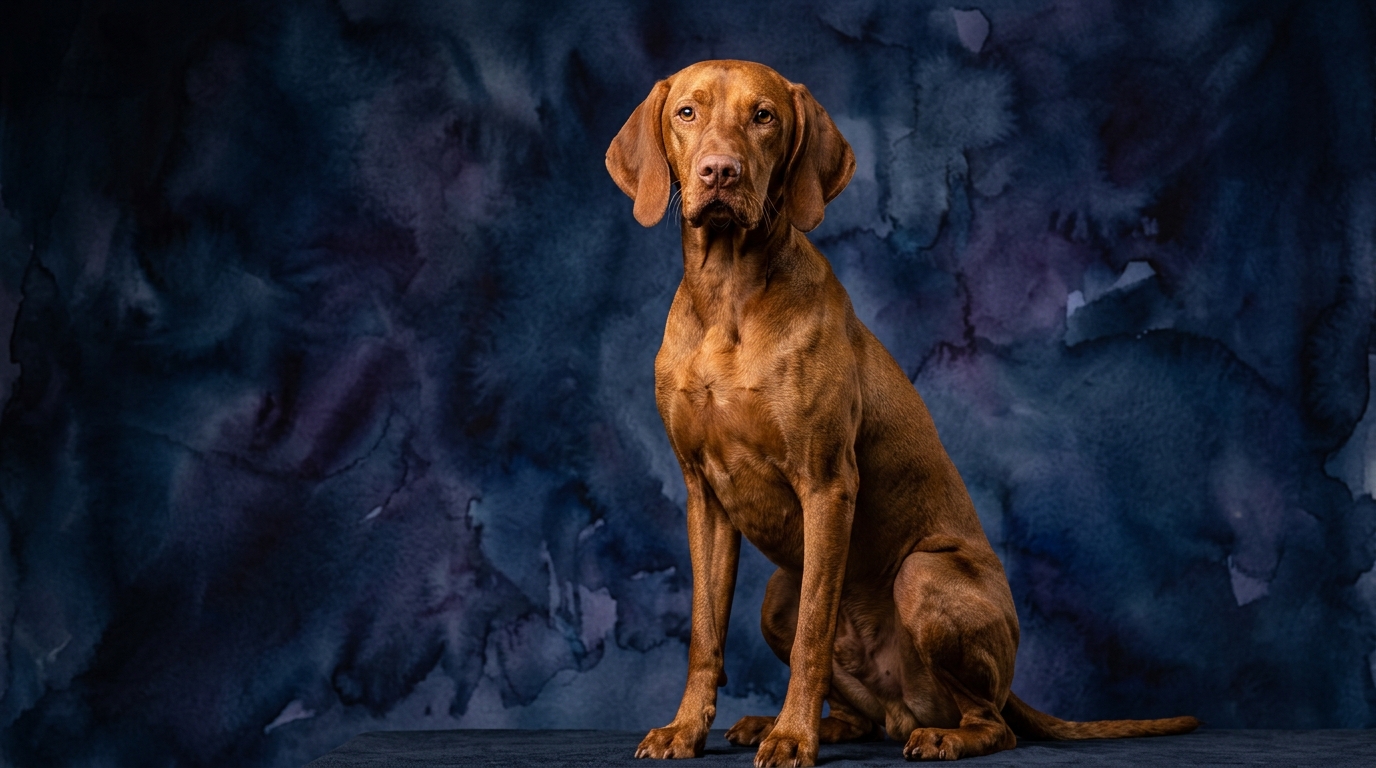
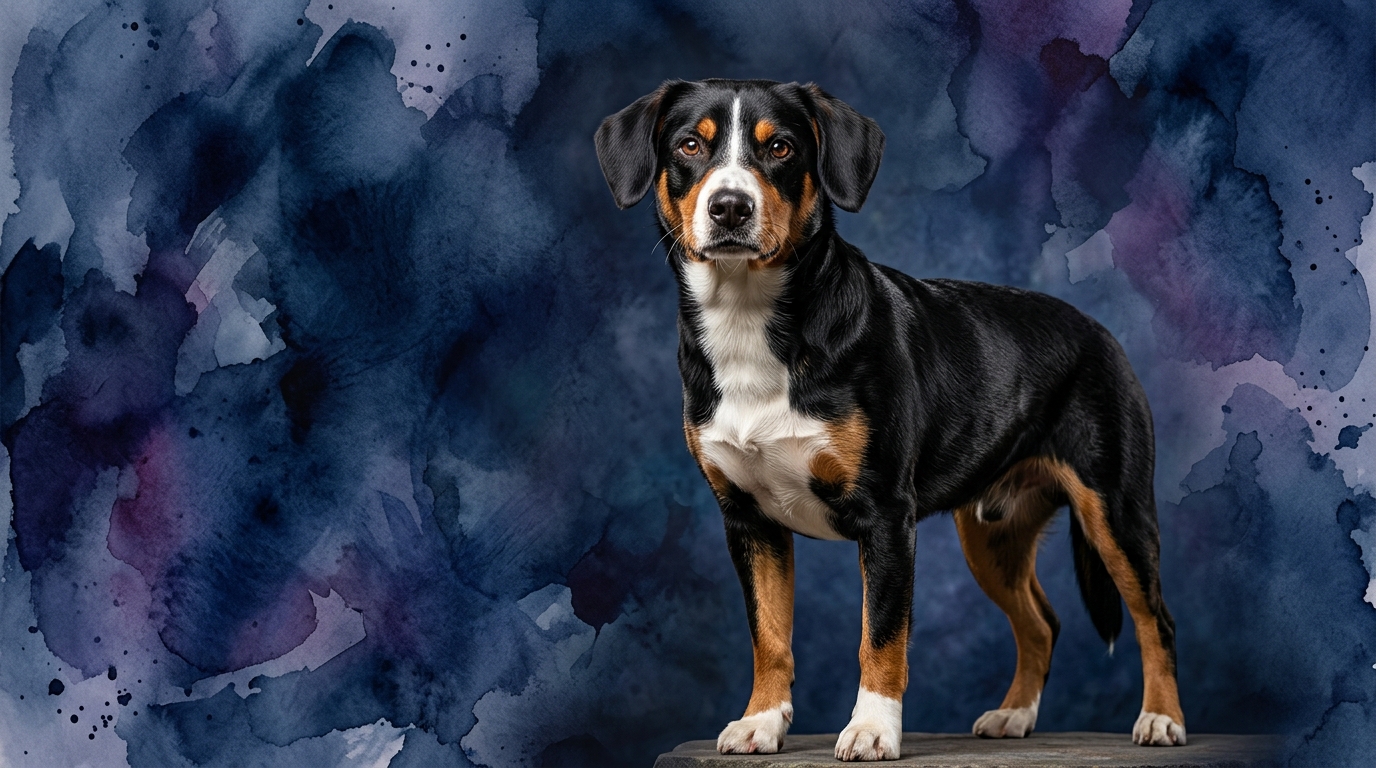
The Cosmic Pet Pet IQ Lab evaluates canine cognition across five crucial dimensions, offering a nuanced view of each breed's mental landscape. For the Vizsla, a Sporting breed ranked #31 by Coren, and the Entlebucher Mountain Dog, a Herding breed not Coren-ranked, these scores illuminate their unique aptitudes.
**Vizsla (Sporting, Coren rank #31):** This breed exhibits a high degree of cognitive agility. Their **Problem Solving (4/5)** reflects a strong capacity to figure out novel situations, often experimenting with different approaches to achieve a goal, like retrieving a toy from a complex hiding spot or navigating an obstacle course. Their hunting heritage demands quick, adaptive thinking in varied terrain. Their **Training Speed (4/5)** indicates they are quick studies, absorbing new commands and routines with impressive efficiency. Their eagerness to engage and cooperative nature contribute to a relatively smooth training process, allowing for rapid progression through obedience and sport disciplines. A perfect **Social Intelligence (5/5)** is a hallmark, demonstrating exceptional perceptiveness to human emotions, intentions, and body language, making them deeply empathetic companions who thrive on close interaction and partnership. Their **Instinctive Drive (5/5)** is profound, manifesting as a powerful desire to hunt, retrieve, and engage in vigorous physical and mental tasks, rooted in generations of selective breeding for field work. Finally, their **Memory (4/5)** is robust, demonstrating strong recall for commands, routines, and specific locations or scents, aiding in consistent performance and the development of complex skill sets.
**Entlebucher Mountain Dog (Herding, Not Coren-ranked):** This Swiss Mountain Dog presents a profile built for purposeful work. Their **Problem Solving (3/5)** shows practical skills, capable of navigating everyday challenges and learning established routines. While not as inclined to innovate on the fly as some breeds, they are effective at applying learned solutions to familiar problems, such as managing livestock or following a set path. Their **Training Speed (3/5)** suggests they learn at a steady pace, requiring consistent and clear instruction. While not as rapid in acquisition as the Vizsla, they are diligent once they grasp a concept, building a solid foundation through patient repetition and positive reinforcement. **Social Intelligence (3/5)** indicates they are socially aware, forming strong bonds with their immediate family. They are perceptive enough to understand household dynamics and routines but tend to be more reserved with strangers, preferring to observe before engaging, with their social focus often narrower, centered on their working unit. Their **Instinctive Drive (3/5)** is geared towards herding and guarding, manifesting as a focused, purposeful energy involving patrolling, watchful observation, and a desire to keep their 'flock' (family) together, rather than the expansive, exploratory drive of a hunter. Their **Memory (3/5)** retains learned commands and experiences reliably, supporting their ability to perform routine tasks and recall boundaries, contributing to their dependability in established environments.
Where Vizsla Wins Cognitively
The Vizsla's cognitive strengths shine particularly in areas demanding swift, cooperative partnership and emotional attunement. Their perfect 5/5 in social intelligence means they are exceptionally adept at reading human cues, anticipating desires, and adjusting their behavior to mesh seamlessly with their handler's intentions. This translates to a dog that often seems to 'think with' its owner, making them unparalleled partners in activities requiring synchronized effort, like advanced obedience, agility, or field trials where split-second decisions and fluid communication are paramount. Furthermore, their 4/5 problem-solving ability, combined with a 5/5 instinctive drive, allows them to creatively navigate complex environments and persistent challenges with enthusiasm, whether it's tracking a scent through varied terrain or figuring out how to retrieve a difficult object. This breed demonstrates a proactive engagement with mental puzzles, often showing a persistent curiosity that drives them to explore and master new tasks quickly.
Where Entlebucher Mountain Dog Wins Cognitively
While the Entlebucher Mountain Dog's cognitive profile emphasizes a different set of strengths, they excel in areas demanding focused self-reliance and an unwavering dedication to a specific task, characteristic of their herding heritage. Their 3/5 instinctive drive is not about expansive exploration but rather a concentrated purpose: to manage, protect, and guide. This translates into a dog that can maintain a steady, diligent effort, often with less direct human micro-management once a task is understood. For owners seeking a dog capable of independent thought within defined parameters, such as guarding property or maintaining order among a 'flock,' the Entlebucher's cognitive makeup is a clear advantage. Their 3/5 social intelligence, while not as overtly demonstrative as the Vizsla's, fosters a deep, loyal bond within their chosen family, providing a steadfast companionship that values stability and predictable routines. This breed offers a thoughtful, consistent approach to its duties, rather than a boisterous, constantly seeking engagement.
Which Is Easier to Train and Why
The Vizsla, with its 4/5 training speed and perfect 5/5 social intelligence, is generally easier to train. Their innate desire to work closely with humans and their acute sensitivity to handler cues mean they pick up new commands and behaviors rapidly. They thrive on positive reinforcement and mental stimulation, often eager to please and quick to offer behaviors they believe will earn approval. This cooperative spirit, coupled with their robust memory (4/5), allows for the rapid acquisition of complex sequences and a strong retention of learned skills, making them a joy for experienced trainers or those new to dog sports.
In contrast, the Entlebucher Mountain Dog, with a 3/5 training speed and 3/5 social intelligence, may present more of a training challenge. Their herding background fosters a degree of independence and a strong sense of self-direction. While they are capable learners and loyal, they may not possess the same inherent eagerness to comply with every command as quickly as a Vizsla. Training an Entlebucher requires more patience, consistency, and a clear understanding of their motivations. They respond best to fair, firm, and reward-based methods, and trainers should be prepared for their sometimes stubborn streak, which is simply their natural inclination to think for themselves when managing a flock.
Which Suits Active Owners vs. Relaxed Owners
For active owners seeking a constant companion and partner in vigorous pursuits, the Vizsla is an ideal match. Their 5/5 instinctive drive means they require substantial daily exercise, both physical and mental, to remain content and well-adjusted. This breed thrives on long runs, hiking, field work, dog sports like agility or flyball, and anything that allows them to utilize their boundless energy and keen senses. Owners who enjoy integrating their dog into every aspect of their active lifestyle will find the Vizsla's enthusiasm and endurance perfectly aligned with their own. Their high social intelligence also means they crave constant interaction, making them less suited to long periods of solitude or owners with a more hands-off approach.
The Entlebucher Mountain Dog, while still an active breed, offers a slightly more moderate energy profile compared to the Vizsla, making them potentially suitable for active owners who also appreciate periods of calm. Their 3/5 instinctive drive means they need regular exercise and mental engagement, such as long walks, hiking, or structured play, but they may not demand the same relentless pace or intensity as a Vizsla. They are content with a good daily routine that includes purposeful activity, followed by quiet time with their family. For owners who enjoy outdoor activities but also value relaxation at home, the Entlebucher can adapt, provided their core needs for physical and mental stimulation are met consistently. They are less suited for truly 'relaxed' owners who prefer minimal daily engagement.
The Verdict
Opt for the Vizsla if you are an active, engaged individual or family seeking a highly cooperative, emotionally perceptive partner for demanding sports, hunting, or an adventurous lifestyle, thriving on constant interaction and rapid learning.
Select the Entlebucher Mountain Dog if you appreciate a loyal, steadfast companion with a more independent streak, capable of focused work and content with a consistent routine that includes purposeful activity and dedicated family time.
🧠 Find Your Pet's IQ Score
Our Pet IQ Lab assessment covers 25+ tests across 5 cognitive dimensions — personalized to your breed.
Take the Full IQ Test →Frequently Asked Questions
Do Vizslas get along well with other pets?
Vizslas, with their high social intelligence, can often integrate well with other pets if properly socialized from a young age. Their strong prey drive (5/5 instinctive drive) means introductions to smaller, non-canine pets should be carefully managed, but they generally enjoy canine companionship.
Are Entlebucher Mountain Dogs good for first-time dog owners?
Entlebucher Mountain Dogs, due to their independent nature and moderate training speed, are often better suited for experienced dog owners who understand positive reinforcement and consistent training. Their need for purposeful engagement and clear leadership might be challenging for a novice.
How much exercise does an Entlebucher Mountain Dog need daily?
An Entlebucher Mountain Dog needs at least 60-90 minutes of vigorous exercise daily, which can include brisk walks, hikes, or structured play sessions. Mental stimulation through training and puzzle toys is equally important to satisfy their working drive.