Side-by-Side Cognitive Profiles: Vizsla vs. Ibizan Hound
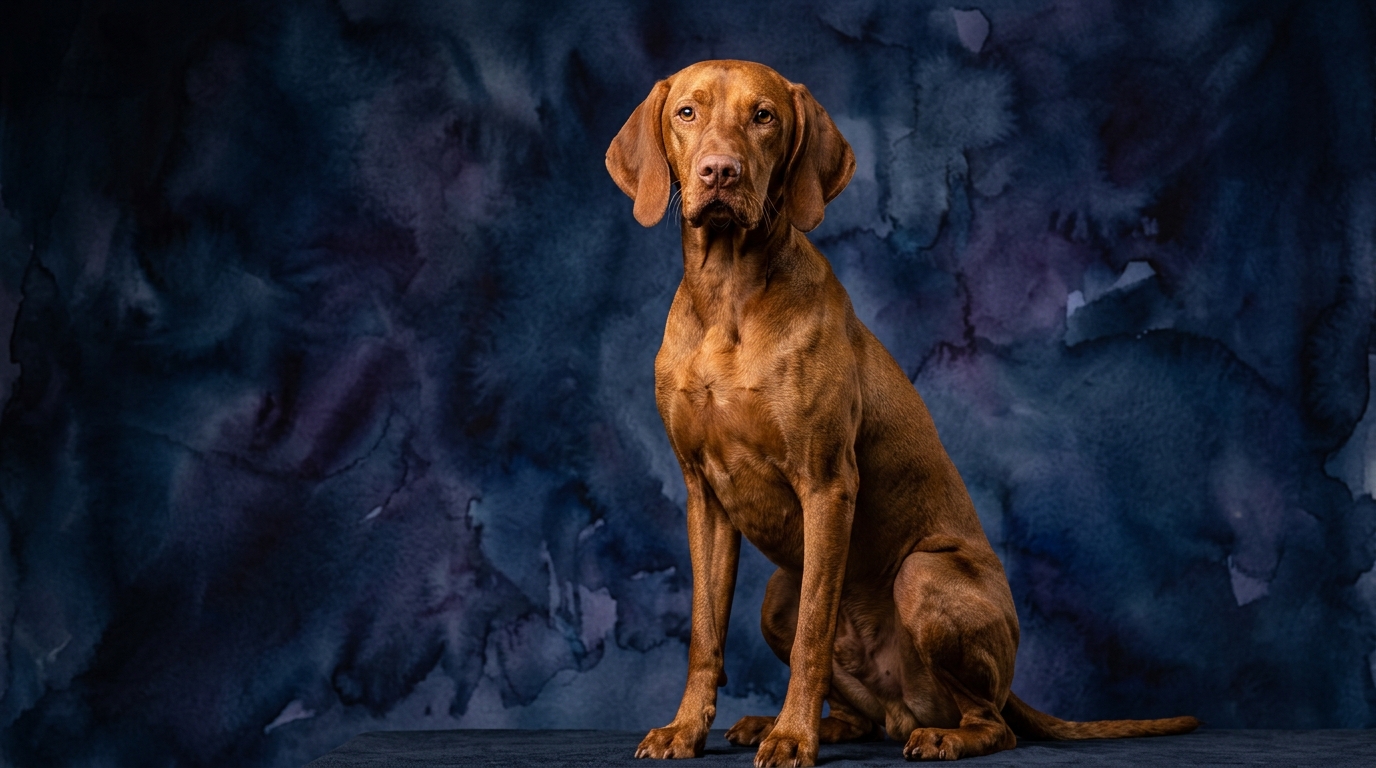
The Vizsla, a Sporting dog with a Coren ranking of #31, presents a cognitive profile built for close partnership and responsive action. Their Problem Solving ability is rated 4/5, indicating a strong capacity for independent thought and navigating complex situations, often finding creative solutions to environmental obstacles or during tasks. A Training Speed of 4/5 reflects their eagerness to engage and quick comprehension, allowing them to pick up new commands and routines with efficiency. With a Social Intelligence of 5/5, Vizslas exhibit an exceptional ability to read human emotions and cues, forming deep, empathetic bonds. Their Instinctive Drive is a profound 5/5, manifesting as an intense desire to hunt, retrieve, or perform other goal-oriented activities with unwavering focus. Finally, their Memory, at 4/5, ensures they retain learned behaviors and environmental information effectively, recalling past experiences and training with good accuracy.
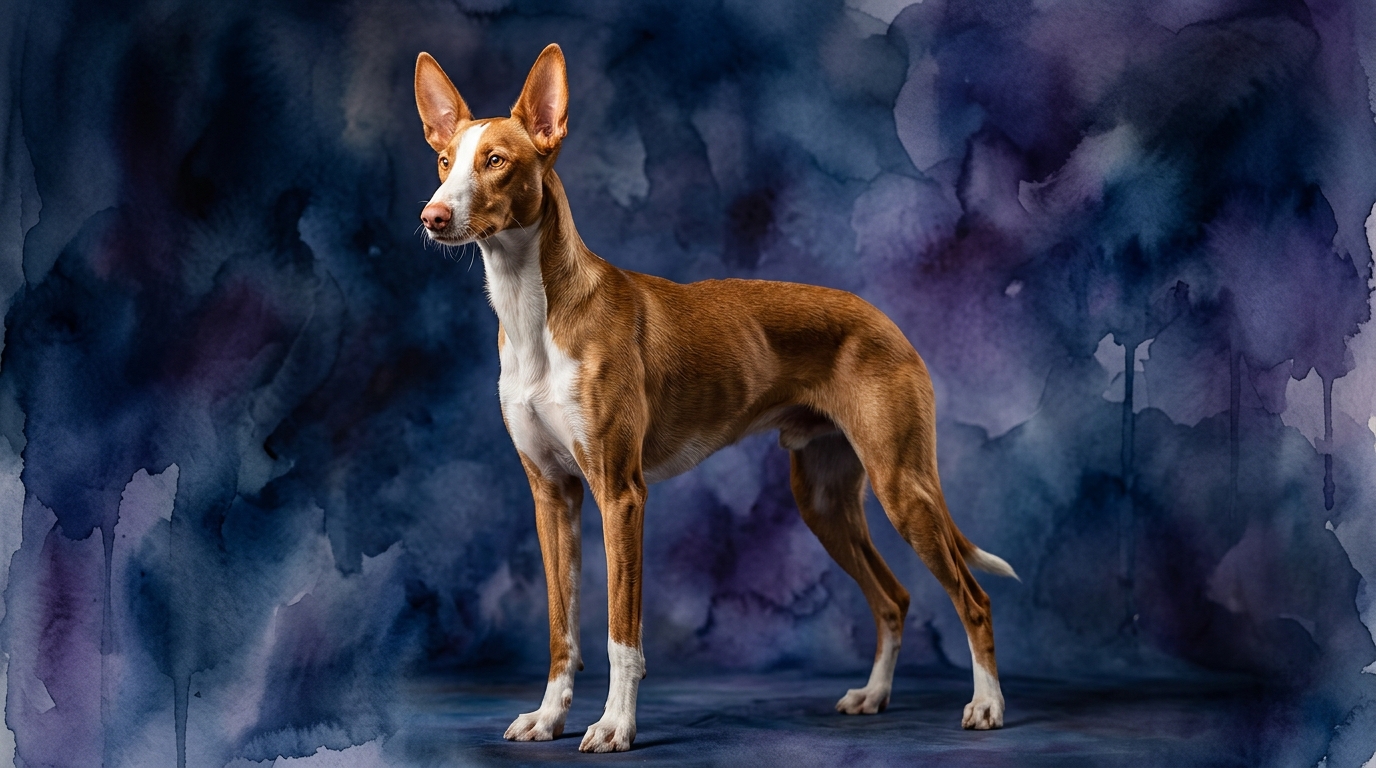
The Ibizan Hound, a Hound breed ranked #53 by Coren, showcases a cognitive design favoring independence and self-reliance. Their Problem Solving is 3/5; these dogs can solve practical problems, especially those related to their hunting instincts, but they may approach novel challenges with less immediate human-directed ingenuity than some breeds. A Training Speed of 3/5 means that while capable of learning, their independent nature may require more repetition and consistent motivation to solidify new commands, often needing training to be framed as their idea. Their Social Intelligence is 3/5, indicating they are affectionate with their families but tend to be more reserved and less overtly demonstrative in their social interactions, often preferring a calm presence over constant engagement. The Ibizan Hound's Instinctive Drive is 3/5; their sighthound heritage endows them with a strong prey drive and a profound desire to chase, yet this drive is often more self-directed and less inclined towards collaborative human-led tasks. Their Memory, also 3/5, is functional for important routines and learned behaviors, though they might not recall every minor detail or command with the same precision as breeds bred for intricate partnerships.
Where the Vizsla's Cognition Excels
The Vizsla's cognitive profile consistently outpaces the Ibizan Hound in several key dimensions, primarily due to their millennia-long partnership with human hunters. Their Social Intelligence, a perfect 5/5, means they are extraordinarily attuned to human communication, easily interpreting subtle body language, vocal inflections, and emotional states, fostering an almost intuitive connection. This profound understanding translates directly into their 4/5 Training Speed; they don't just learn commands, they often anticipate intentions, making complex sequences and nuanced tasks achievable with fewer repetitions. Their Problem Solving ability, rated 4/5, manifests as a cleverness in navigating obstacles, whether it's figuring out how to open a gate or strategizing to retrieve a toy from a difficult spot. Coupled with a 5/5 Instinctive Drive, their problem-solving is often channeled into focused, goal-oriented pursuits, making them formidable partners in sports or work where tenacity and ingenuity are paramount. The Vizsla's 4/5 Memory ensures that these learned skills and social cues are retained effectively, building a robust foundation for ongoing engagement and complex interactions over their lifetime.
Where the Ibizan Hound's Cognitive Profile Shines
While the Ibizan Hound's scores might appear lower, their cognitive profile represents a different, equally effective evolutionary strategy, particularly for independent hunting. Their 3/5 Social Intelligence, for instance, translates not to a lack of affection, but rather a more self-contained nature; they are devoted companions who appreciate human presence without demanding constant attention or validation. This independence can be a significant advantage for owners who value a dog that is comfortable in its own skin, less prone to separation-based anxieties, and capable of entertaining itself. Their 3/5 Problem Solving and Instinctive Drive are perfectly suited for the sighthound's traditional role: independently spotting prey, assessing terrain, and executing a chase with minimal human direction. They excel at making rapid, autonomous decisions in dynamic environments, relying on their keen senses and inherent hunting strategy rather than waiting for explicit commands. This self-reliance means their memory, also 3/5, is geared towards recalling essential hunting routes, prey patterns, and critical boundaries rather than an extensive repertoire of human-centric tricks. The Ibizan Hound's cognitive strengths lie in their self-sufficiency and instinctual problem-solving within their specific environmental niche, making them peerless for tasks requiring swift, unassisted action.
Training Dynamics: A Study in Cooperation vs. Independence
Between these two breeds, the Vizsla is unequivocally the easier dog to train, a direct consequence of their superior scores in Training Speed (4/5) and Social Intelligence (5/5). Vizslas possess an innate desire to collaborate with their human partners; they thrive on positive interaction and are highly motivated by praise and connection. Their exceptional social intelligence means they quickly grasp what their human wants, often before a verbal cue is fully formed, and their problem-solving ability allows them to quickly figure out how to offer the desired behavior. This combination makes them highly responsive and eager learners, often excelling in obedience, agility, and field trials where precision and teamwork are paramount. Their cooperative spirit means they actively seek to understand and comply.
In contrast, the Ibizan Hound, with its 3/5 scores in both Training Speed and Social Intelligence, presents a greater training challenge. Their sighthound heritage fosters an independent spirit; they are less inherently driven to 'please' in the traditional sense and more inclined to follow their own instincts, particularly when a compelling scent or sight distracts them. Training an Ibizan Hound requires immense patience, creativity, and a consistent application of positive reinforcement. Owners must make training feel like a game or an advantageous choice for the dog, rather than a command to be obeyed, as their more moderate social intelligence means they are less motivated by human approval alone. They learn, but often at their own pace and on their own terms, making early and consistent socialization and training crucial to harness their independent spirit.
Lifestyle Match: Active Engagement vs. Athletic Independence
When considering lifestyle compatibility, the Vizsla is ideally suited for highly active and engaged owners who seek a constant companion in their adventures. Their 5/5 Instinctive Drive means they possess an almost boundless energy reservoir and a profound need for purpose-driven activity, whether it's running, hiking, swimming, or participating in dog sports. They thrive on consistent physical and mental stimulation, and a lack of appropriate outlets can lead to restlessness or destructive behaviors. Their high social intelligence means they genuinely want to be involved in every aspect of their owner's life, making them excellent partners for endurance sports or extensive outdoor exploration. They are not content to be mere observers; they demand participation and will actively seek it.
Conversely, the Ibizan Hound, while undeniably athletic, offers a different rhythm that might appeal to active owners who also appreciate periods of calm. Their 3/5 Instinctive Drive, while powerful for a chase, doesn't translate into the same constant, demanding need for human-directed work as the Vizsla. They require daily vigorous exercise, especially off-leash running in a secure area, to satisfy their sighthound instincts. However, once their exercise needs are met, Ibizan Hounds are typically content to relax indoors, often finding a sunny spot to nap. This breed suits owners who enjoy bursts of intense activity but also value a dog that can unwind gracefully and isn't constantly seeking interaction or a 'job' around the house, appreciating a more self-sufficient companion.
The Verdict
Choose a Vizsla if you desire a deeply connected, highly trainable, and endlessly energetic companion eager to share every active moment and challenge with you.
Opt for an Ibizan Hound if you appreciate an independent, elegant athlete who needs vigorous exercise but then transitions gracefully into a calm, self-sufficient indoor presence.
🧠 Find Your Pet's IQ Score
Our Pet IQ Lab assessment covers 25+ tests across 5 cognitive dimensions — personalized to your breed.
Take the Full IQ Test →Frequently Asked Questions
Do Vizslas typically suffer from separation anxiety due to their high social intelligence?
Vizslas, with their 5/5 social intelligence, form extremely strong bonds and can indeed be prone to separation anxiety if not properly socialized and accustomed to alone time from a young age. Their deep connection means they genuinely miss their human companions.
Are Ibizan Hounds difficult to live with given their independence and lower training scores?
While Ibizan Hounds are more independent and may require more patient training due to their 3/5 training speed, they are not inherently difficult; they simply require an owner who understands and respects their sighthound nature. Consistent, positive reinforcement and secure outdoor spaces are key.
How do the instinctive drives of these breeds manifest differently in a home environment?
The Vizsla's 5/5 instinctive drive often translates into a constant readiness for activity and a need for a job, potentially leading to 'velcro dog' tendencies or seeking out their own entertainment if under-stimulated. The Ibizan Hound's 3/5 instinctive drive, while powerful for chasing, typically results in bursts of intense outdoor activity followed by a more relaxed, self-contained demeanor indoors, making them less demanding of constant engagement.