Side-by-Side Pet IQ Lab Profile
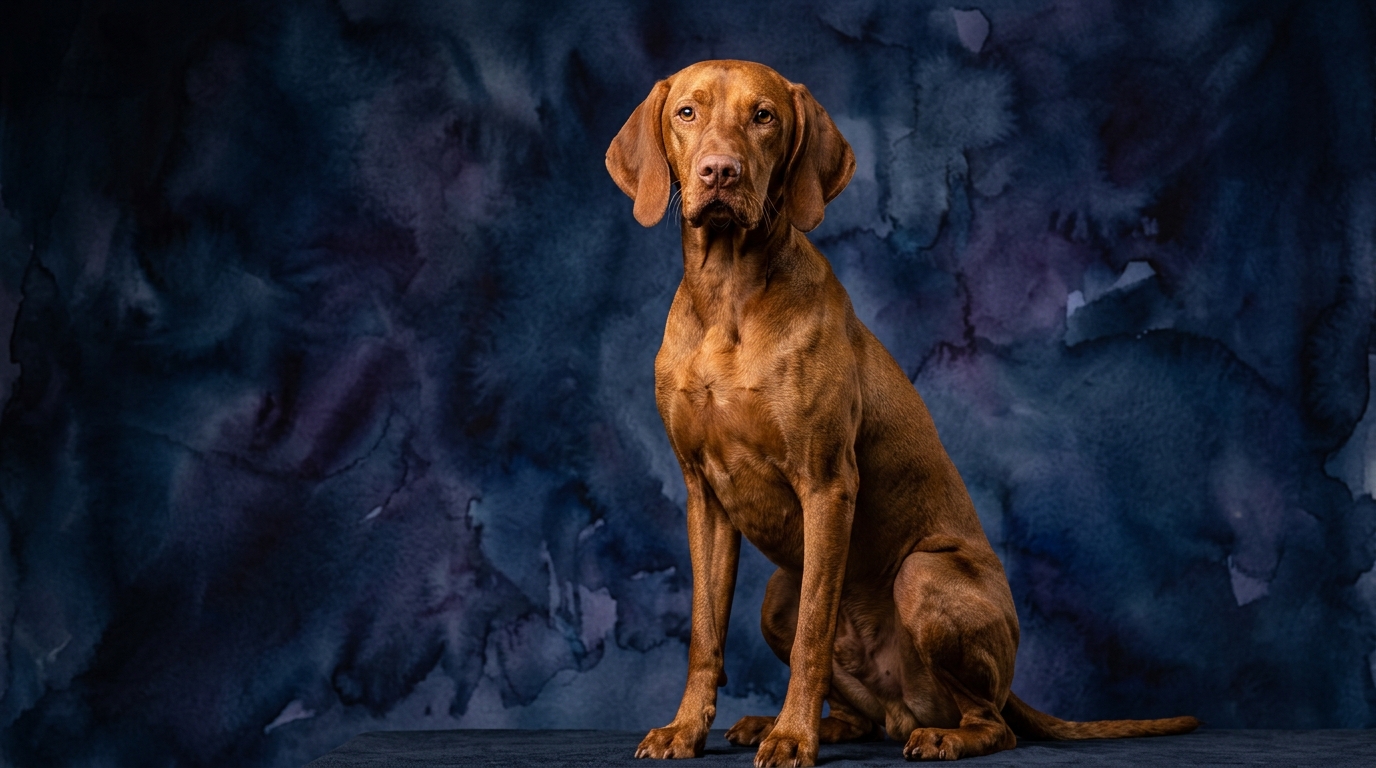
The Vizsla, known for its deep human bond, exhibits a collaborative intelligence. Their problem-solving scores 4/5, showing capacity to navigate challenges often with human guidance. Training speed is an impressive 4/5, reflecting eagerness to learn and natural biddability, making them quick to grasp commands. Vizslas truly excel in social intelligence, scoring a perfect 5/5, being acutely attuned to human emotions and intentions, fostering exceptional communication. Their instinctive drive, rated 5/5, is a powerful hunting heritage manifesting as an intense desire to work and explore. Memory, at 4/5, ensures strong retention of learned behaviors. This combination secured their position at Coren rank #31, highlighting adaptive and working intelligence.
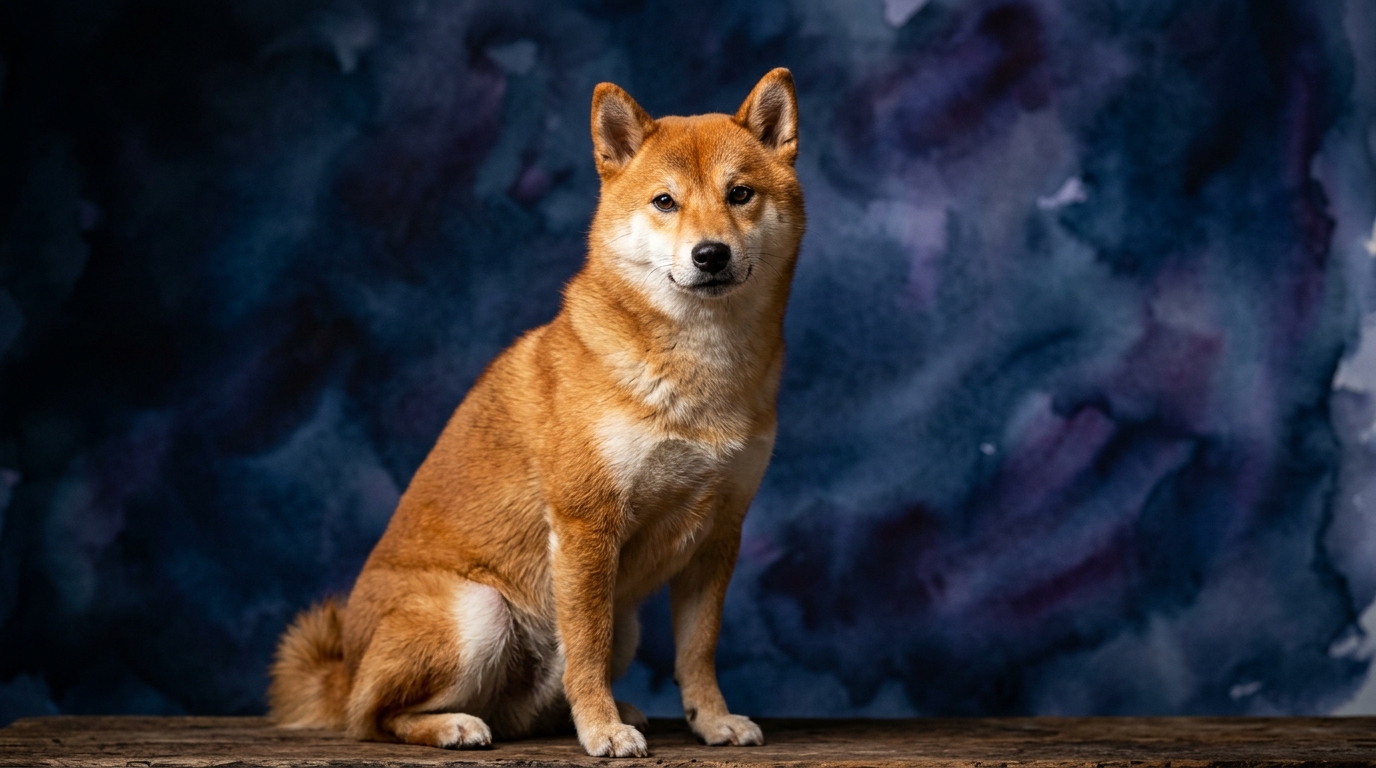
The Shiba Inu, an ancient Japanese breed, presents an independent, self-reliant cognitive blueprint. Problem-solving earns a 4/5, often applied to achieve *their* goals, which may not align with an owner's. Training speed, at 2/5, is lower due to strong independence and selective hearing, not lack of learning capacity. Social intelligence for the Shiba is 3/5; they form deep family bonds but are reserved with strangers, less overtly expressive, and less driven by a need to please. Their instinctive drive, also a powerful 5/5, fuels a strong prey drive, natural hunting prowess, and self-directed activity. Memory, scoring 4/5, is robust, enabling recall of past events and learned behaviors, sometimes leading to long-held preferences. The Shiba Inu's lack of a Coren ranking often reflects their independent nature, which can make traditional obedience less appealing.
Where the Vizsla Wins Cognitively
The Vizsla's cognitive strengths distinctly outpace the Shiba Inu in areas requiring strong human-canine collaboration and emotional attunement. Their perfect 5/5 social intelligence means they possess an almost unparalleled ability to interpret human cues, intentions, and emotional states, fostering a profound partnership. This translates into a dog that not only understands what you want but *wants* to understand, seeking connection in every interaction. In contrast, the Shiba Inu’s 3/5 social intelligence means they are less inclined to offer unsolicited affection or seek constant human validation. This difference is profound in daily life: a Vizsla adjusts behavior based on mood, offering comfort or initiating play, whereas a Shiba might observe and then proceed with its own agenda. Furthermore, the Vizsla's 4/5 training speed, significantly higher than the Shiba's 2/5, reflects their natural inclination to absorb and respond to commands swiftly. This isn't just about learning tricks; it’s about quickly internalizing routines, understanding boundaries, and adapting to new situations under human guidance, making them exceptionally responsive partners.
Where the Shiba Inu Wins Cognitively
While the Vizsla excels in partnership, the Shiba Inu's cognitive profile reveals distinct advantages in self-reliant problem-solving and an unwavering, primitive instinctive drive. Both breeds score 4/5 in problem-solving, but the *application* differs significantly. A Shiba Inu applies its problem-solving skills to achieve its own independent objectives, whether opening a cabinet for a treat or devising an escape route. This isn't about pleasing an owner; it's about navigating the world effectively on their own terms. Their 5/5 instinctive drive, coupled with lower social intelligence, means their drive is often less directed by human input and more by their own internal compass. This makes them formidable independent hunters and explorers, capable of making quick, self-preserving decisions without needing human affirmation. A Vizsla’s high drive is typically channeled *through* its human partner, whereas a Shiba's drive is often more self-contained, allowing them to thrive where independent thought and action are paramount. This self-sufficiency, while challenging for training, is a cognitive win in terms of primitive survival and autonomous decision-making.
Which Is Easier to Train and Why
Without question, the Vizsla is significantly easier to train than the Shiba Inu, a difference rooted deeply in their contrasting social intelligence and inherent motivations. The Vizsla’s 5/5 social intelligence and 4/5 training speed create a canine eager to engage, understand, and collaborate. They possess a strong desire to please their human companions and thrive on positive reinforcement, making them highly receptive to learning new commands and excelling in various dog sports. Their focus is naturally on their handler, allowing for clear and consistent communication during training. In contrast, the Shiba Inu’s 2/5 training speed and 3/5 social intelligence present a more formidable training challenge. While capable of learning, Shibas are notoriously independent and possess 'selective hearing.' Their motivation often stems from what *they* find rewarding, rather than a strong desire to please. Training a Shiba requires immense patience, consistency, and understanding of their independent nature, often involving high-value rewards and making training feel like *their* idea. They learn quickly if deemed worthwhile, but may choose not to perform if no immediate benefit is perceived, or if a more interesting distraction arises. Their problem-solving skills might even be employed to outsmart the trainer, making consistency and clear boundaries critical.
Which Suits Active Owners vs. Independent Owners
Understanding the activity needs and cognitive drives of these breeds is crucial for owner suitability. The Vizsla, with its 5/5 instinctive drive and profound need for human connection, is unequivocally suited for active owners who integrate their dog into daily life as a full-fledged partner. This breed requires extensive physical exercise (running, hiking, swimming) and consistent mental stimulation (training, puzzle toys, interactive play). A Vizsla thrives when given a job and will quickly become anxious or destructive if under-exercised or left alone without sufficient interaction. Their 'Velcro' nature means they crave companionship and thrive when constantly involved with family activities.
The Shiba Inu, while also possessing a 5/5 instinctive drive, presents a different profile. They are active and require regular exercise for their hunting instincts and fitness, but their activity often manifests more independently. A Shiba might enjoy a brisk walk or vigorous play in a securely fenced yard, but is less likely to demand constant, collaborative engagement. They can be content observing, patrolling, or engaging in independent play after exercise. Therefore, while not for truly 'relaxed' owners, the Shiba Inu might suit active owners who appreciate a dog with a strong independent streak and who provide structured exercise without needing constant, intense partnership. They are better suited to owners who understand and respect their independent nature, providing firm boundaries and consistent training without expecting a constantly eager-to-please companion.
The Verdict
Select a Vizsla if you seek an intensely loyal, highly biddable, and emotionally expressive canine partner eager to participate in every aspect of your active life, from outdoor adventures to collaborative training and sports.
Opt for a Shiba Inu if you admire an independent, clever, and often aloof companion who requires consistent, patient training and firm boundaries, and you appreciate a dog that retains a strong sense of self.
🧠 Find Your Pet's IQ Score
Our Pet IQ Lab assessment covers 25+ tests across 5 cognitive dimensions — personalized to your breed.
Take the Full IQ Test →Frequently Asked Questions
Are Vizslas good for first-time owners?
Vizslas can be good for first-time owners who are prepared for a highly energetic and social dog, willing to invest significant time in training, exercise, and companionship. Their biddable nature makes them responsive, but their needs are substantial.
Do Shiba Inus bark a lot?
Shiba Inus are not typically excessive barkers, but they are known for their unique 'Shiba scream' or 'yodel' when excited, unhappy, or seeking attention. They also use barks and other vocalizations to communicate their preferences and guard their territory.
Which breed is better with children?
The Vizsla's high social intelligence and desire to be part of the family generally make them excellent companions for children, often displaying patience and a playful nature. Shiba Inus can be good with respectful children, but their independent nature and lower tolerance for rough play mean they require more supervision and boundaries to ensure positive interactions.