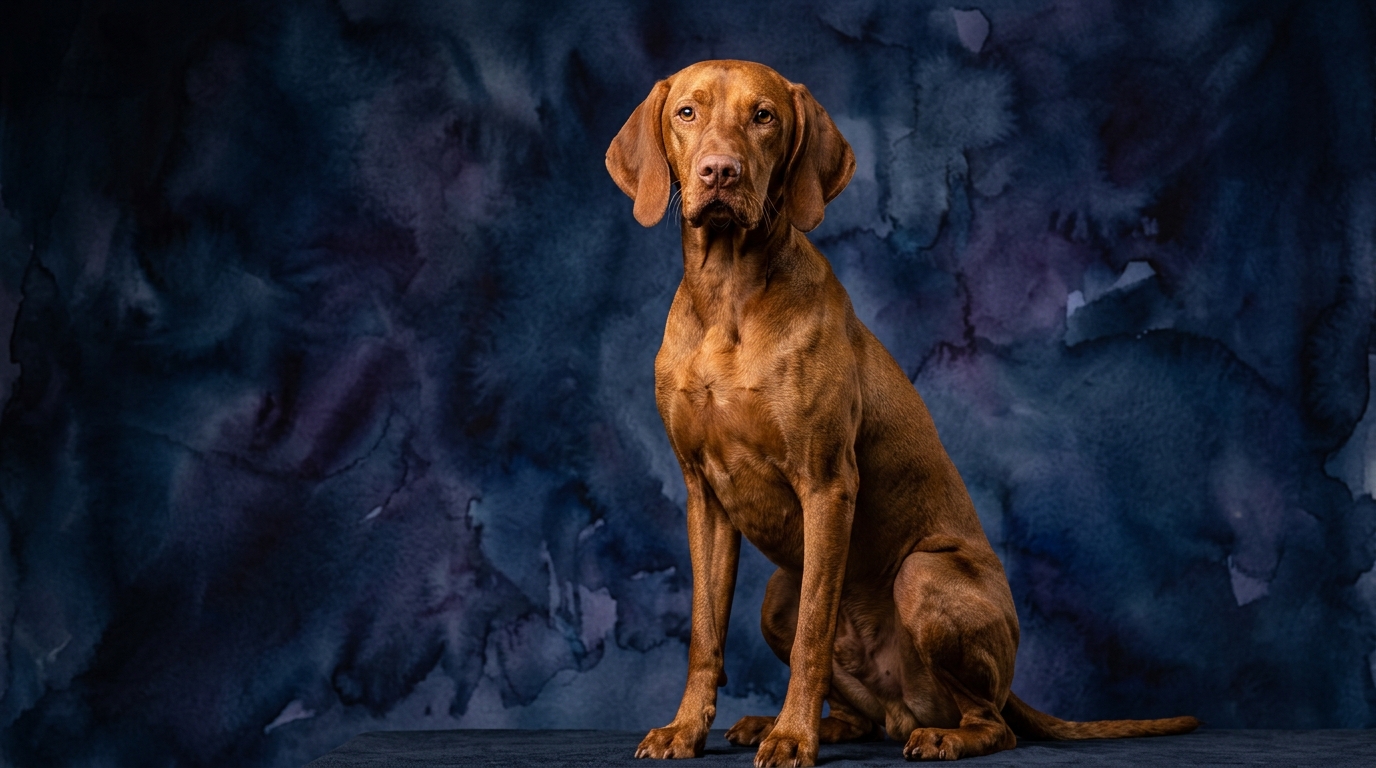
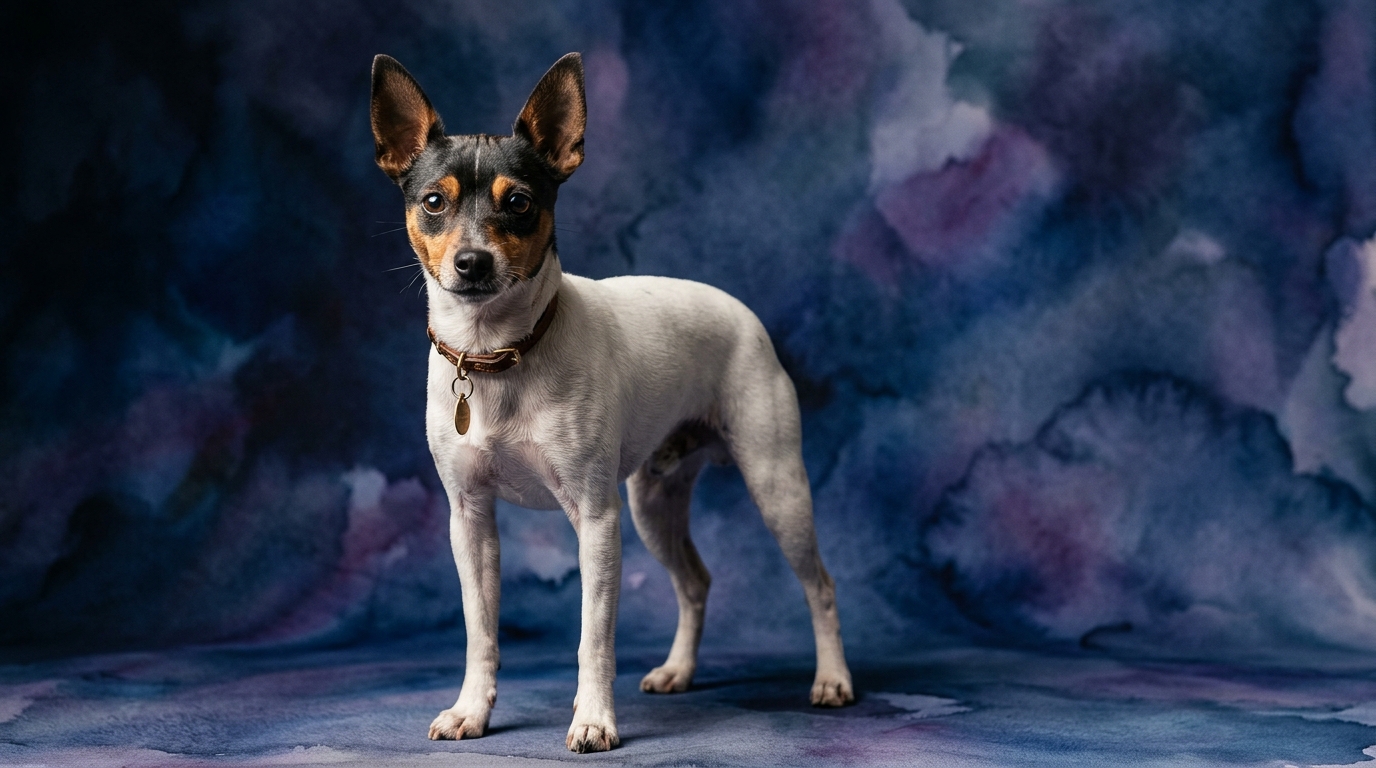
Side-by-Side IQ Profile: Vizsla vs. Toy Fox Terrier
The Cosmic Pet Pet IQ Lab employs a five-dimensional framework to assess canine intelligence, offering a nuanced view beyond simple obedience. Let's examine how the Vizsla and Toy Fox Terrier stack up across these cognitive domains.
**Vizsla:** This Sporting Group dog, ranked #31 by Coren, demonstrates a formidable intellect. Their Problem Solving is rated 4/5, indicating an adeptness at navigating complex environments and figuring out how to achieve goals, a skill honed by generations of hunting. Training Speed is also 4/5; they grasp new commands quickly, often with minimal repetition, thriving on mental engagement. Social Intelligence stands at an impressive 5/5, reflecting their exceptional attunement to human emotions and intentions, making them highly responsive and cooperative partners. Their Instinctive Drive is a perfect 5/5, manifesting as a powerful desire to work, retrieve, and engage with their environment using their keen senses. Finally, their Memory is 4/5, showing excellent recall for learned behaviors, routes, and specific locations, particularly those associated with positive experiences or tasks.
**Toy Fox Terrier:** Representing the Toy Group, this breed is not Coren-ranked but possesses its own distinct cognitive profile. Their Problem Solving is 3/5, meaning they are capable of solving straightforward tasks, such as finding hidden treats or navigating simple mazes, though their approach tends to be more direct. Training Speed is 3/5; they learn new commands at a moderate pace, typically requiring consistent repetition and positive reinforcement. Social Intelligence is 3/5; while affectionate and responsive to human interaction, they might be less inclined to interpret nuanced human emotions than breeds with higher social scores, often displaying a more independent streak. Instinctive Drive is 3/5, displaying a strong terrier instinct for chasing small game and a desire for vigilance, often expressed through barking or alert behaviors rather than cooperative work. Their Memory is 3/5, possessing a functional memory for routines and familiar commands, retaining information adequately with regular reinforcement.
Where the Vizsla Excels Cognitively
The Vizsla's cognitive strengths are deeply rooted in their heritage as versatile hunting dogs, requiring a sophisticated blend of intellect and cooperation. Their Problem Solving score of 4/5, compared to the Toy Fox Terrier's 3/5, signifies a superior capacity for analytical thinking and strategic planning. A Vizsla might, for example, independently devise a multi-step plan to retrieve an object from behind a barrier, assessing the situation and adapting their approach, whereas a Toy Fox Terrier might rely more on persistent, less varied attempts or vocalizations.
In Social Intelligence, the Vizsla truly shines with a 5/5 rating against the Toy Fox Terrier's 3/5. This exceptional social acuity allows Vizslas to read human body language, vocal tones, and subtle cues with remarkable precision. They are more likely to anticipate their owner's needs or moods, offering comfort or seeking interaction at appropriate moments, fostering a deeper, more empathetic connection that goes beyond simple companionship.
The Vizsla's Instinctive Drive, rated 5/5, is a powerful cognitive asset that sets them apart. This isn't just about boundless energy; it's about purpose-driven mental engagement. Vizslas are compelled to work, retrieve, and scent, channeling this powerful instinct into focused, collaborative tasks. This translates into a dog that actively seeks out complex mental challenges related to its breed purpose, demonstrating an inherent motivation for sustained, meaningful activity rather than merely reacting to environmental stimuli.
Where the Toy Fox Terrier's Cognition Shines
While the Toy Fox Terrier's scores are generally lower, their cognitive profile presents unique strengths particularly suited to their compact size and terrier heritage. Their problem-solving, though rated 3/5, benefits from a remarkable focus and tenacity in small-scale, precision tasks. They can be incredibly persistent when trying to retrieve a toy from under furniture or locate a dropped item in a confined space, leveraging their cognitive resources for precise, confined operations that a larger dog might find cumbersome.
The Toy Fox Terrier's moderate social intelligence and instinctive drive (3/5 for both) can paradoxically translate into a stronger sense of independent decision-making. Less reliant on constant human direction for complex tasks, they are often quicker to make autonomous choices in novel situations, especially if it aligns with their immediate curiosity or perceived self-interest. This self-reliance can be an advantage in scenarios where a dog needs to act without direct guidance, showcasing a spirited, self-sufficient mental approach.
Furthermore, the Toy Fox Terrier's cognitive adaptability makes them remarkably well-suited for diverse home environments. Their mental energy, while present, is more easily satisfied with indoor games, puzzle toys, and short bursts of activity, requiring less specialized environmental enrichment compared to the Vizsla. Their cognitive profile allows them to thrive in calmer settings, demonstrating a mental resilience to varying living situations that a breed with higher, more specialized drives might struggle with.
Training Dynamics: Vizsla vs. Toy Fox Terrier
When it comes to ease of training, the Vizsla generally presents a more straightforward experience for owners. Their high Social Intelligence (5/5) means they are exceptionally eager to please and highly attuned to their owner's feedback, making them receptive to instruction and quick to pick up on subtle cues. Coupled with a Training Speed of 4/5, Vizslas typically require fewer repetitions to master new commands. Their powerful Instinctive Drive (5/5) can be effectively channeled into training, as they find purpose and satisfaction in collaborative tasks like obedience, agility, or scent work. Behaviorally, they are less prone to independent stubbornness and more inclined towards cooperative effort, often viewing training as a bonding activity.
The Toy Fox Terrier, while certainly trainable, can present more of a charming challenge. Their moderate Training Speed (3/5) means they require more patience and consistency, as concepts may not be grasped as swiftly. Their Social Intelligence (3/5), though sufficient for strong bonds, is paired with a more independent streak; they might not always prioritize human directives over their own interests, especially if a more stimulating distraction is present. Their Instinctive Drive (3/5), often focused on chasing and self-amusement, can be harder to consistently redirect into structured training without high-value rewards and varied, engaging methods. Behaviorally, they can exhibit 'selective hearing' when something more interesting, like a rustling leaf or a distant squirrel, captures their attention, demanding a more creative and persistent training approach from their owners.
Ideal Owners: Active Pursuits vs. Relaxed Companionship
For the truly active owner, the Vizsla is an exceptional match. Their profound Instinctive Drive (5/5) demands significant physical and mental exercise daily, making them thrive in environments where they can engage in activities like running, hiking, swimming, advanced obedience, agility, or scent work. Their high problem-solving and memory capabilities mean they require consistent mental stimulation to prevent boredom and potential destructive behaviors. A Vizsla's cognitive profile is inherently geared towards sustained engagement and purpose-driven activity, making them ideal partners for owners who lead an adventurous lifestyle and can dedicate ample time to their dog's mental and physical fulfillment.
In contrast, the Toy Fox Terrier is well-suited for owners seeking a spirited, engaging companion that doesn't demand extreme levels of physical exertion. While energetic, their moderate Instinctive Drive (3/5) means their exercise needs are more easily met with shorter walks, indoor play sessions, and puzzle toys. Their moderate problem-solving abilities are content with less complex mental stimulation, making them adaptable to more relaxed home environments. Their cognitive makeup allows them to thrive in varied living situations, from apartments to larger homes, provided they receive consistent, albeit less intense, interaction and mental engagement. They are less likely to develop behavioral issues from a lack of extreme physical exertion, making them a good fit for owners who appreciate a lively presence without the demands of a high-endurance sporting dog.
The Verdict
Choose a Vizsla if you seek a highly engaged, cooperative canine partner for active pursuits and complex training, valuing deep social connection and a dog that thrives on purpose-driven mental and physical challenges.
Choose a Toy Fox Terrier if you prefer a spirited, independent companion that offers engaging play and affection in a more compact package, suitable for varied living situations and owners who appreciate their distinctive terrier charm and moderate activity needs.
🧠 Find Your Pet's IQ Score
Our Pet IQ Lab assessment covers 25+ tests across 5 cognitive dimensions — personalized to your breed.
Take the Full IQ Test →Frequently Asked Questions
Are Vizslas good with children?
Vizslas often form strong bonds with children due to their high social intelligence and affectionate nature, but their energetic play and size mean supervision is crucial to prevent accidental tumbles. Early socialization helps them interact gently and appropriately with younger family members.
Do Toy Fox Terriers bark a lot?
Toy Fox Terriers can be quite vocal, using barks to alert their owners to perceived threats or novel stimuli, a trait stemming from their instinctive vigilance. Consistent training from a young age can help manage excessive barking, teaching them when it's appropriate to vocalize.
Which breed requires more grooming?
Neither breed requires extensive grooming; both have short coats that shed moderately. Vizslas benefit from regular brushing to maintain coat health, while Toy Fox Terriers need minimal brushing, making both relatively low-maintenance in terms of coat care.