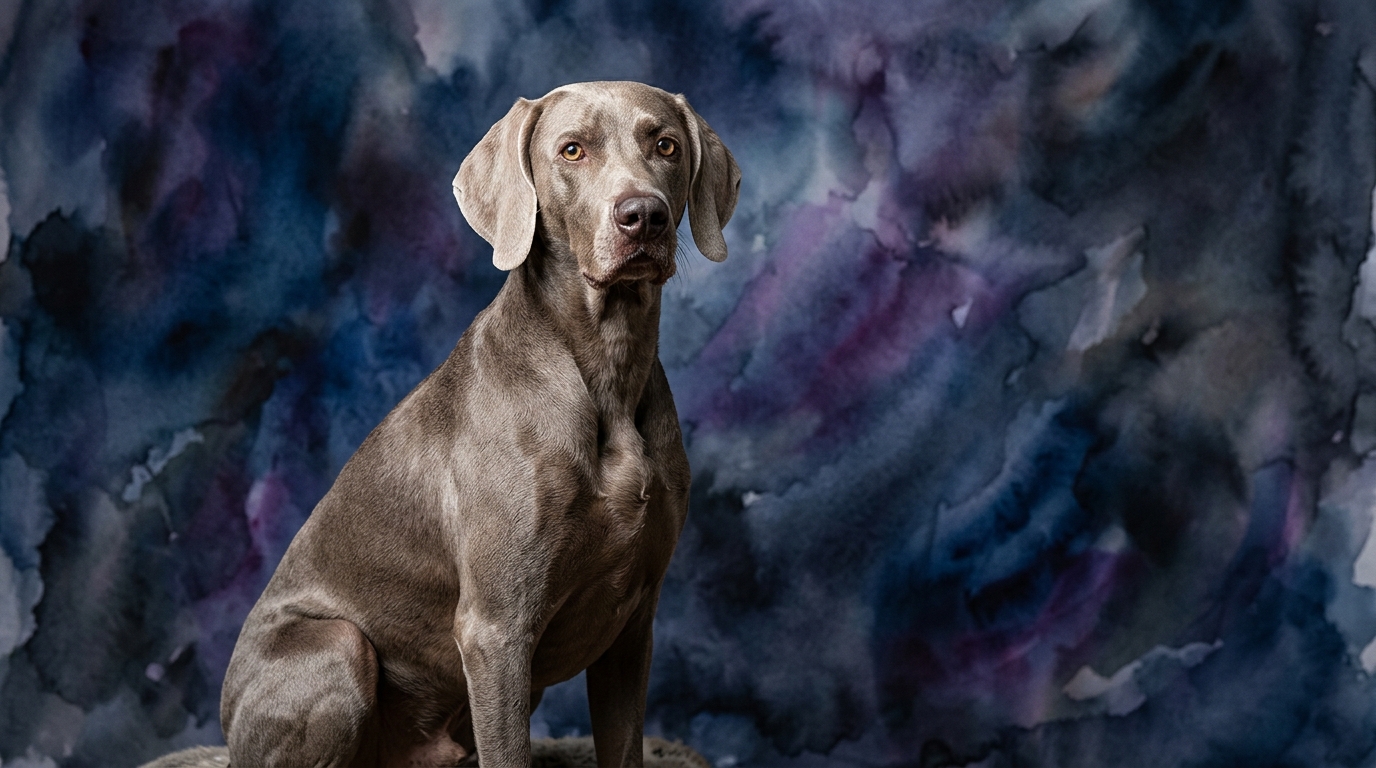
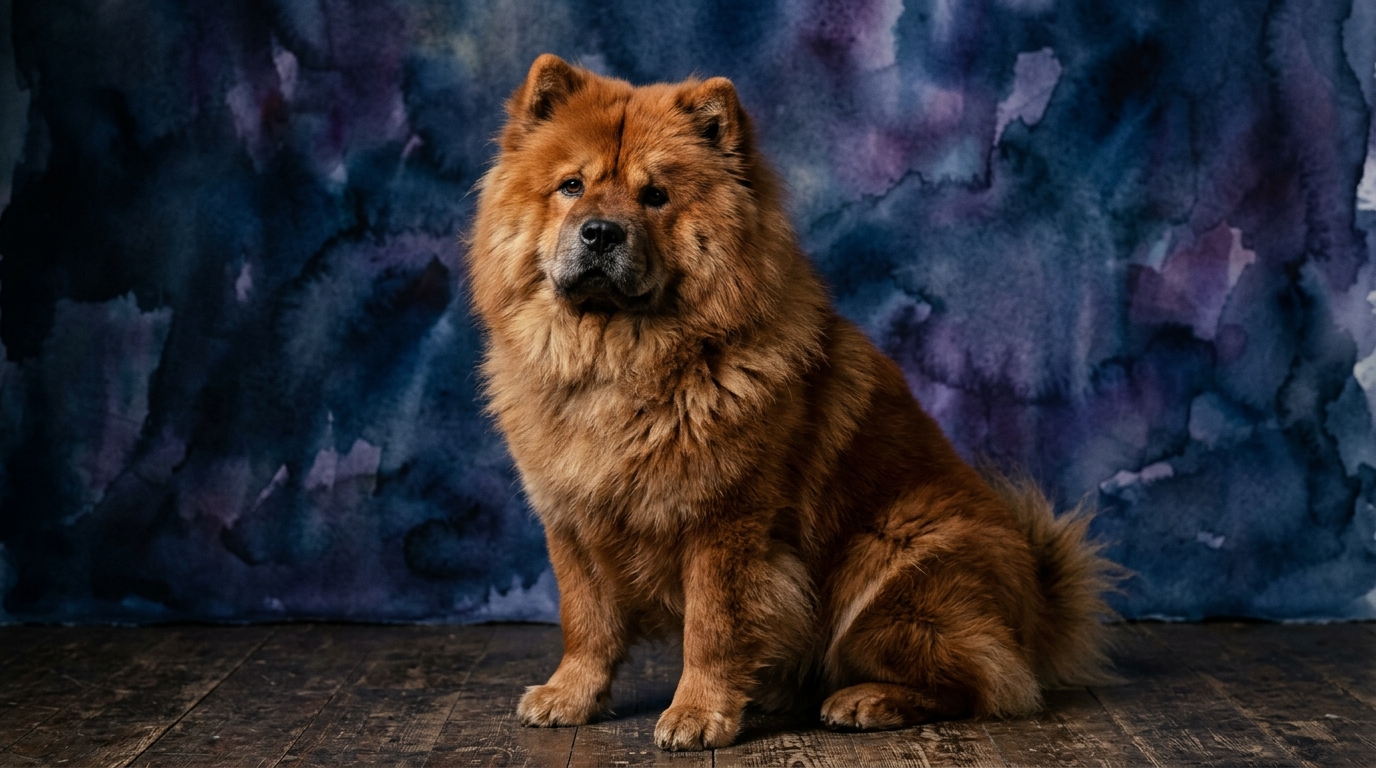
Side-by-Side IQ Profile: Weimaraner vs. Chow Chow
The Cosmic Pet Pet IQ Lab categorizes canine intelligence across five key dimensions, offering a nuanced view beyond simple obedience. For the Weimaraner, a member of the Sporting Group with a Coren rank of #21, these dimensions paint a picture of an agile and cooperative mind. Their Problem Solving capability is rated at 4/5, indicating an adeptness at navigating complex tasks and often devising novel strategies to achieve objectives, especially those involving their keen senses or retrieving instincts. Training Speed is also 4/5, reflecting a quick grasp of new commands and routines, coupled with an eagerness to participate in structured learning environments. Social Intelligence stands at 4/5, highlighting their strong attunement to human emotions and cues, fostering deep bonds and a desire to engage cooperatively. An impressive Instinctive Drive of 5/5 underscores their powerful intrinsic motivation for work, particularly in scenting, tracking, and retrieving. Finally, their Memory is rated 4/5, demonstrating an excellent capacity to retain learned behaviors, associations, and past experiences with remarkable clarity.
In contrast, the Chow Chow, an ancient breed from the Non-Sporting Group with a Coren rank of #76, presents a different cognitive blueprint, reflecting its independent and dignified nature. Their Problem Solving ability is rated 3/5, suggesting they are capable of practical solutions but often prefer to apply established methods rather than innovate, especially if a task doesn't align with their immediate interests. Training Speed is 3/5, indicating a moderate learning pace that requires patience, consistency, and positive reinforcement, as their self-assured temperament means they must be convinced of a command's value. Social Intelligence is 3/5, meaning they are observant of their human companions and understand social dynamics, yet they often maintain a dignified distance, valuing personal space over constant interaction or overt displays of affection. Their Instinctive Drive is 3/5, expressed more as a desire for guarding and independent exploration rather than collaborative, high-intensity tasks. Memory is also 3/5, providing a functional capacity for routines and familiar commands, though new information may require more repetition to solidify, particularly if it challenges their ingrained habits.
Where the Weimaraner Wins Cognitively
The Weimaraner's cognitive profile showcases distinct advantages for owners seeking an active, engaged partner. Their superior `Problem Solving` at 4/5, compared to the Chow Chow's 3/5, means they are far more likely to independently figure out complex sequences, such as opening childproof gates or retrieving a specific item from a challenging location, often driven by their innate purpose. This cognitive agility allows them to excel in dynamic environments like agility courses or field trials, where quick decision-making under pressure is paramount. The `Training Speed` of 4/5 ensures a faster acquisition of commands and complex behaviors, making them incredibly versatile for advanced obedience, search and rescue, or even therapy work. Their high `Social Intelligence` (4/5) enables a deep, responsive partnership, as they readily pick up on subtle human emotional cues and intentions, fostering a profound connection. Furthermore, their `Instinctive Drive` at 5/5 translates into a relentless focus and endurance for tasks like scent work or sustained retrieving, demonstrating a powerful internal motivation that few breeds match. This robust drive, coupled with their excellent `Memory` (4/5), ensures consistent performance and a reliable understanding of past lessons and expectations.
Where the Chow Chow Wins Cognitively
While the Chow Chow's cognitive scores might appear lower in comparison, their strengths lie in a different, equally valuable set of attributes: independent thought and self-sufficiency. The Chow Chow's `Problem Solving` ability (3/5) is not geared towards eager human-directed tasks but rather towards efficient self-preservation and navigating their environment on their own terms. This manifests as a thoughtful independence, where they might assess a situation and choose the most expedient path for their own comfort or to maintain their boundaries, rather than seeking immediate human input. Their `Social Intelligence` (3/5), combined with a moderate `Instinctive Drive` (3/5), allows them to process social cues and environmental stimuli with a certain detachment, leading to measured and deliberate responses rather than reactive ones. This cognitive approach fosters a dignified composure and a nuanced understanding of their role within the household, often without needing constant validation. Their `Memory` (3/5) is perfectly sufficient for retaining crucial information about their territory, established routines, and the individuals they trust, reinforcing their self-assured and stable nature. This unique cognitive blend makes them excellent observers and guardians, capable of making sound judgments without constant human oversight.
Which is Easier to Train and Why
When considering ease of training, the Weimaraner generally presents a more straightforward experience due to its higher `Training Speed` and profound `Social Intelligence`. These dogs possess an innate desire to engage with their human companions, quickly grasping commands and deriving immense satisfaction from collaborative activities. Their `Instinctive Drive` at 5/5 means they are inherently motivated to work, retrieve, and channel their boundless energy into structured tasks with enthusiasm. They thrive on consistent interaction, positive reinforcement, and clear direction, responding to even subtle cues from their handlers. This makes them excellent candidates for advanced obedience, agility, or field trials, as their cognitive makeup predisposes them to eager participation and rapid skill acquisition. Their strong memory and desire to please ensure that once a command is learned, it's reliably retained and performed.
In contrast, the Chow Chow's `Training Speed` of 3/5 and more moderate `Social Intelligence` necessitate a different training philosophy. While certainly capable of learning, their independent spirit means they aren't driven by an overwhelming desire to please or constant collaboration. Training a Chow Chow requires immense patience, a deep understanding of their motivations, and making tasks appealing and rewarding from their unique perspective. They are less inclined to perform simply because they are asked, often weighing the command against their own interests and comfort. Their `Instinctive Drive` (3/5) is more geared towards guarding and self-preservation, rather than cooperative tasks, meaning a trainer must find ways to tap into their intrinsic motivations through positive reinforcement, clear, consistent boundaries, and making learning a rewarding experience for *them*. This approach yields a well-trained Chow Chow, but it demands a trainer who respects their cognitive independence and works with it, rather than against it.
Which Suits Active Owners vs. Relaxed Owners
For owners leading an active and adventurous lifestyle, the Weimaraner is an ideal companion. Their `Instinctive Drive` at 5/5 demands vigorous daily exercise and robust mental engagement, thriving in environments where they can run, retrieve, swim, and participate in dog sports or long hikes. Their high `Problem Solving` (4/5) and `Training Speed` (4/5) mean they excel when given a 'job' to do, channeling their boundless energy into productive and complex activities. They are not content to be couch potatoes; they need purpose and partnership. Owners who appreciate a dog that is always ready for an adventure, thrives on being an active participant in family life, and enjoys collaborative learning will find the Weimaraner deeply rewarding, forming an inseparable bond built on shared experiences and challenges.
Conversely, the Chow Chow is better suited for more relaxed owners who appreciate a dog with an independent streak and a less demanding exercise regimen. Their moderate `Instinctive Drive` (3/5) means they are content with regular, moderate walks and supervised outdoor time, rather than intense athletic pursuits. While they do require mental stimulation, it often comes through observation, patrolling their territory, and engaging in thoughtful, less strenuous activities, rather than complex training drills or high-energy games. Their `Social Intelligence` (3/5) allows them to understand family dynamics without needing constant interaction, making them a dignified and calm presence. Owners who value a serene, self-possessed companion, are prepared to respect a dog's need for personal space, and appreciate a loyal, if reserved, presence will find a fulfilling relationship with the Chow Chow.
The Verdict
Choose a Weimaraner if you seek an active, engaged partner for adventures and dog sports, valuing a deeply bonded companion eager to learn and work alongside you.
Opt for a Chow Chow if you prefer a dignified, independent companion content with a calmer routine, appreciating a loyal presence that values personal space and thoughtful observation.
🧠 Find Your Pet's IQ Score
Our Pet IQ Lab assessment covers 25+ tests across 5 cognitive dimensions — personalized to your breed.
Take the Full IQ Test →Frequently Asked Questions
Are Weimaraners difficult to manage due to their high energy?
Weimaraners possess a substantial `Instinctive Drive` (5/5) and require significant physical and mental exercise to be well-adjusted. Without adequate outlets, their energy can manifest as destructive behaviors or anxious tendencies, but with consistent engagement and proper training, they are manageable and incredibly rewarding companions.
Is the Chow Chow truly untrainable because of its independence?
No, the Chow Chow is certainly trainable, but their `Training Speed` (3/5) and `Social Intelligence` (3/5) mean they learn differently. They respond best to patient, consistent positive reinforcement, where they are convinced of the value of the command and it aligns with their self-interests, rather than simply complying out of eagerness to please.
How do their Coren ranks reflect their daily behavior?
The Weimaraner's Coren rank of #21 reflects its capacity for quick learning and obedience, translating to a dog generally responsive to commands and eager for interaction in daily life. The Chow Chow's rank of #76 indicates a breed that is often more independent and may require more repetition and motivation, aligning with their thoughtful, self-reliant nature and less overt desire for human-directed tasks.