
Side-by-Side Cognitive Profiles
At The Cosmic Pet Pet IQ Lab, we delve into the nuanced cognitive dimensions of breeds, moving beyond general perceptions to specific aptitudes. Here’s how the Weimaraner and Dalmatian stack up across five key intelligence metrics.
The Weimaraner, a Sporting breed ranking #21 on Coren's scale, exhibits a refined cognitive toolkit. Their Problem Solving is rated 4/5, indicating a strong capacity for independent thought and strategic action, often assessing new environments or obstacles and devising effective solutions without direct human instruction. This hunting background has honed an ability to quickly adapt and innovate in varied field conditions. Their Training Speed, also 4/5, highlights a remarkable aptitude for learning, absorbing new commands and complex routines with impressive swiftness. Eagerness to engage and high focus during structured sessions allow for rapid skill acquisition. Social Intelligence at 4/5 signifies a finely tuned awareness of human emotions and social cues, enabling them to forge deep, empathetic connections with their families and anticipate needs. An Instinctive Drive of 5/5 means an exceptionally strong, innate desire to track, point, and retrieve, a powerful motivator for purposeful activity and sustained focus. Finally, their Memory is 4/5, allowing them to reliably recall intricate command sequences, established routines, and past experiences with consistency.
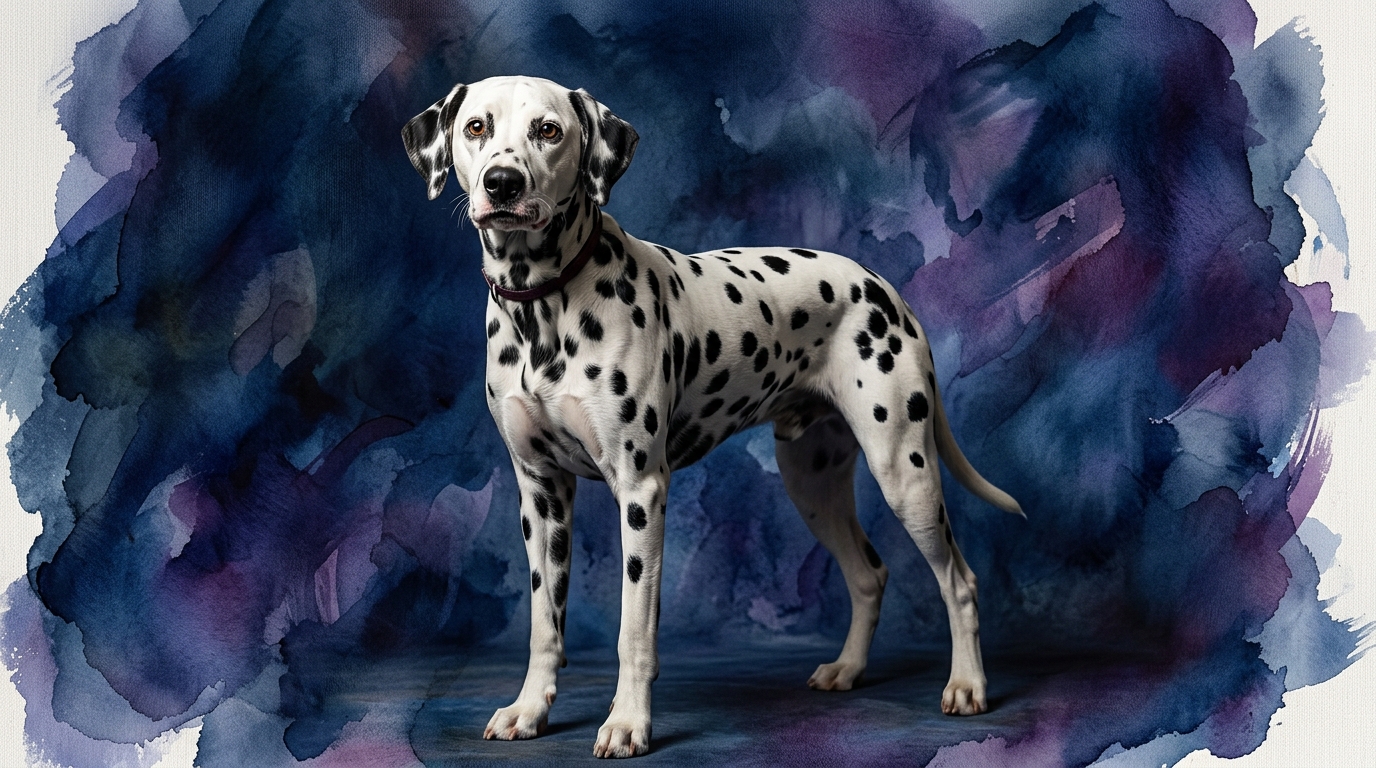
The Dalmatian, a Non-Sporting breed with a Coren rank of #39, presents a distinct, equally compelling cognitive profile. Their Problem Solving is 3/5, meaning they approach challenges with a practical, though sometimes more direct, style. They are capable of navigating familiar obstacles and learning solutions through repetition, but might require more structured guidance for novel or multi-step puzzles. Training Speed is 3/5, indicating that learning new behaviors is a steady process, requiring consistent reinforcement and clear communication. While not slow, they benefit from patient, engaging training methods that keep their independent minds focused. Social Intelligence, rated 4/5, shows a solid understanding of social dynamics, forming strong attachments with their human companions and often seeking interaction, interpreting family routines and subtle signals effectively. Their Instinctive Drive is 4/5, a legacy of their historical role as carriage dogs, reflecting a strong drive for endurance, sustained movement, and companionship during long journeys, manifesting as a deep-seated need for purposeful activity. Their Memory is also 4/5, exhibiting reliable recall for learned commands, familiar routes, and the identities of people and places, supporting their ability to maintain routines and navigate their environment confidently.
Where the Weimaraner Wins Cognitively
The Weimaraner's cognitive strengths are particularly evident in their superior problem-solving acumen, faster training speed, and elevated instinctive drive. Their Problem Solving score of 4/5, compared to the Dalmatian's 3/5, means they independently assess and navigate complex situations with greater ease, a trait crucial for a hunting dog where quick, self-directed decisions are paramount. This allows them to excel in tasks requiring strategic thinking and adaptability. Furthermore, their Training Speed of 4/5 means they often pick up multi-step commands and intricate sequences with fewer repetitions, making them exceptionally responsive to advanced obedience, intricate dog sports, or complex working tasks. Their Instinctive Drive, rated 5/5, is a powerful differentiator, signifying a profound, intrinsic motivation to work and engage in task-oriented activities, often leading to more focused and sustained effort in learning and performance compared to breeds with lower drives. This deep-seated desire to perform and partner with humans gives them an edge in goal-oriented cognitive pursuits.
Where the Dalmatian Wins Cognitively
While the Weimaraner often outpaces in rapid task acquisition, the Dalmatian's cognitive strengths shine in areas demanding endurance, self-sufficiency, and a particular kind of independent resilience. Their equal Social Intelligence, when coupled with their inherent independence, allows them to navigate social environments with a distinct self-assuredness. This independence, rather than a deficit, means they might be less prone to over-reliance on constant human direction, fostering a robust mental fortitude for sustained, solitary activity, a legacy of their long-distance carriage dog history. Their Memory, also rated 4/5, is particularly effective in retaining spatial awareness and routes, allowing them to confidently recall complex paths and routines over extended periods, an invaluable trait for their historical role of accompanying carriages over long distances. This specific application of memory and independent drive makes them uniquely suited for consistent, self-directed engagement over time.
Which is Easier to Train and Why
When considering ease of training, the Weimaraner generally presents as the more straightforward breed due to their faster training speed and heightened problem-solving abilities. Their strong instinctive drive means they are often intrinsically motivated by tasks and work, readily engaging with training sessions and quickly grasping new concepts. Weimaraners tend to be eager to please and highly responsive to consistent, positive reinforcement, quickly forming associations between commands and actions. Their cognitive agility allows them to process and execute instructions with precision, making them excellent candidates for advanced obedience and specialized roles. Real behavioral differences include their intense focus during training and a strong desire for handler interaction, which accelerates learning.
In contrast, the Dalmatian, with a moderate training speed, typically requires more repetition and patience to solidify behaviors. Their independent nature, while a cognitive strength in some contexts, can sometimes translate into a perceived stubbornness during training, meaning owners must be exceptionally consistent and creative to maintain their focus and engagement, especially during early learning phases. Dalmatians may test boundaries more frequently and require varied, stimulating training methods to prevent boredom and maintain their interest. Their historical role as a carriage dog meant they often worked alongside, rather than directly under, human command for extended periods, fostering a self-reliant mindset that can influence their training approach.
Which Suits Active Owners vs. Relaxed Owners
For the truly active owner seeking a canine partner for demanding pursuits, the Weimaraner is an ideal match. Their exceptional instinctive drive and problem-solving prowess demand consistent mental engagement and rigorous physical activity, thriving in environments that offer hunting, advanced dog sports, or extensive outdoor adventures. A Weimaraner requires multiple hours of vigorous exercise daily, coupled with mental challenges to prevent boredom and destructive behaviors. Their cognitive profile makes them restless without a job to do, making them unsuitable for a relaxed, sedentary lifestyle. Owners must be prepared to integrate their dog into a highly active routine.
The Dalmatian, while also an active breed with a strong instinctive drive, offers a different kind of energy profile. They excel in sustained endurance activities like long runs, hiking, or consistent agility work, making them suitable for active owners who enjoy moderate-to-high intensity, prolonged exercise. While their need for activity is substantial, their independence might mean they are slightly more forgiving of an occasional less intense day compared to a Weimaraner, though neither breed is suited for a truly relaxed, sedentary lifestyle. Dalmatians need consistent daily exercise to satisfy their drive for movement and prevent frustration, but their activity demands can often be met through regular, long-duration outings rather than constant high-intensity tasks.
The Verdict
Choose the Weimaraner if you are an active owner seeking a highly responsive, task-oriented companion for advanced training, dog sports, or hunting, and can provide extensive mental and physical engagement.
Choose the Dalmatian if you are an active owner who appreciates an independent, enduring companion for long-distance activities and consistent engagement, understanding they require patient, consistent training methods.
🧠 Find Your Pet's IQ Score
Our Pet IQ Lab assessment covers 25+ tests across 5 cognitive dimensions — personalized to your breed.
Take the Full IQ Test →Frequently Asked Questions
Are Weimaraners difficult to live with due to their high drive?
Weimaraners possess a very high instinctive drive and problem-solving ability, meaning they require substantial mental and physical stimulation to prevent boredom and destructive behaviors. While not 'difficult,' they are demanding and thrive with owners dedicated to channeling their energy into productive activities and consistent training.
Do Dalmatians truly have a 'stubborn' streak?
Dalmatians exhibit a notable independence, a cognitive trait that can be perceived as stubbornness during training, especially without consistent, engaging methods. This self-reliant nature means they respond best to patient, positive reinforcement and varied training to maintain their interest and focus.
Which breed is better for a first-time dog owner?
Neither breed is typically recommended for first-time dog owners due to their significant exercise requirements and specific training needs. However, if committed to extensive training and activity, a Weimaraner might be more responsive to structured learning, while a Dalmatian requires an owner comfortable with their independent spirit and consistent motivation.