Side-by-Side IQ Profile: Weimaraner vs. German Wirehaired Pointer
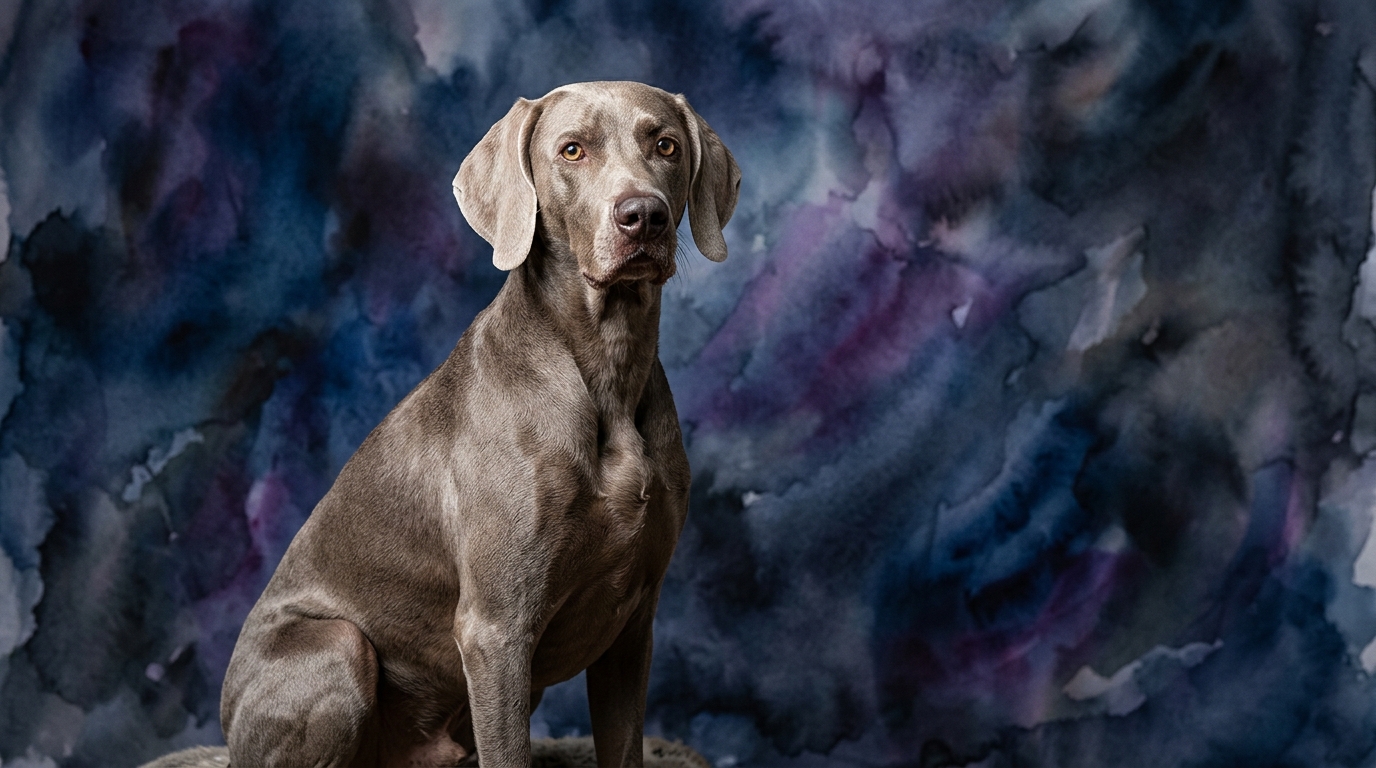
The Cosmic Pet IQ Lab offers a comprehensive look into the cognitive dimensions of these two distinct sporting breeds, revealing their strengths across problem-solving, training speed, social intelligence, instinctive drive, and memory. The Weimaraner, ranked #21 by Coren, exhibits a robust Problem Solving score of 4/5, indicating a strong capacity for independent thought and strategic action, such as figuring out how to manipulate latches or retrieve hidden objects. Their Training Speed also stands at 4/5, reflecting a quick grasp of new commands and routines, often requiring fewer repetitions. Social Intelligence for the Weimaraner is rated 4/5, suggesting a keen awareness of human emotions and a strong desire for companionship, often leading to them being highly attuned to their family's dynamics. A defining characteristic is their Instinctive Drive at 5/5, showcasing an unparalleled intensity in prey drive, scenting, and retrieving, rooted deeply in their versatile hunting heritage. Their Memory is a solid 4/5, ensuring consistent recall of learned behaviors and experiences.
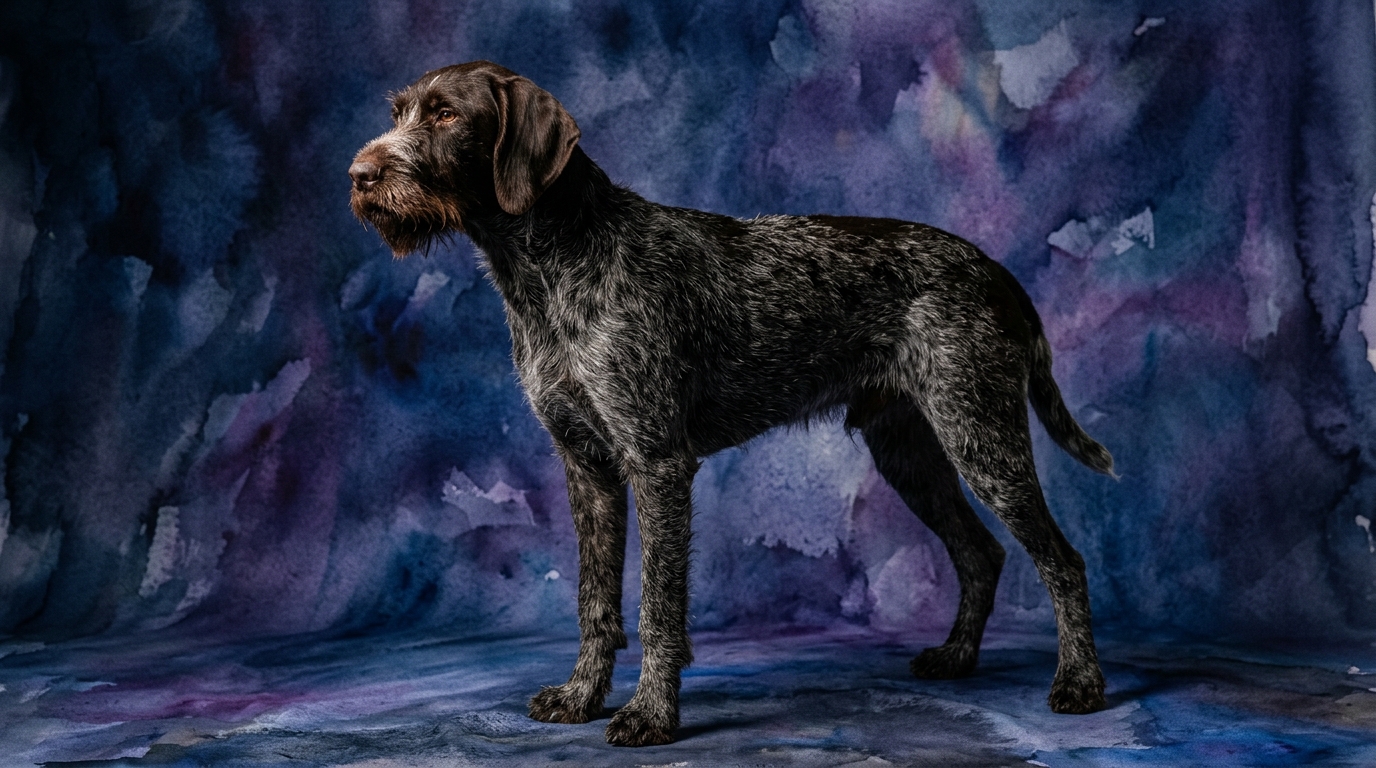
In comparison, the German Wirehaired Pointer (GWP), with a Coren rank of #28, mirrors the Weimaraner in several key cognitive areas. They share an identical Problem Solving score of 4/5, demonstrating comparable resourcefulness in navigating complex environments and overcoming obstacles, especially in field scenarios. Their Training Speed also aligns at 4/5, indicating an equally rapid ability to absorb and execute new commands, driven by an eagerness to work alongside their handler. However, the GWP's Social Intelligence is rated 3/5, suggesting a slightly more independent temperament and potentially less overt emotional attunement compared to the Weimaraner, though they still form strong bonds. Their Instinctive Drive is 3/5, meaning while they possess effective hunting instincts, this drive is less overwhelming or all-consuming in daily life, offering a more manageable intensity. Like the Weimaraner, their Memory is rated 4/5, ensuring reliable retention of training and experiences, crucial for consistency in their working roles.
Where the Weimaraner Wins Cognitively
The Weimaraner's cognitive strengths distinctly emerge from its elevated social intelligence and more intense instinctive drive. With a social intelligence score of 4/5, surpassing the GWP's 3/5, Weimaraners typically exhibit a profound emotional connection and attunement to their human companions. They are often characterized by their 'Velcro' nature, actively seeking proximity and interaction, and keenly sensing their owner's moods. This heightened social awareness facilitates a more nuanced responsiveness to subtle cues and body language, making them exceptional partners in a family setting where deep emotional bonding is desired. Furthermore, their superior 5/5 instinctive drive, significantly higher than the GWP's 3/5, signifies an almost relentless focus and tenacity when engaged in tasks aligned with their hunting origins. This translates into extraordinary stamina and singular purpose in activities such as tracking, scent work, and retrieving, where their drive can be channeled into high-level performance. For owners dedicated to demanding dog sports or intensive field work, the Weimaraner offers a cognitive engine operating at peak intensity, though this also necessitates consistent mental and physical outlets to prevent boredom and potential behavioral issues.
Where the German Wirehaired Pointer Wins Cognitively
While the GWP shares the Weimaraner's strong scores in problem-solving, training speed, and memory, its comparatively lower instinctive drive (3/5) and social intelligence (3/5) can present distinct cognitive advantages for specific lifestyles. This difference isn't a deficiency but rather a variation in intensity and focus. A GWP's less overwhelming instinctive drive often translates into a more adaptable and less single-minded approach to daily life. While still possessing formidable hunting capabilities, their drive can be more readily managed in a domestic setting, potentially making them less prone to obsessive behaviors if their working needs aren't met with the same daily fervor as a Weimaraner. They retain their strong problem-solving skills for practical applications but might be less relentlessly fixated on scent or prey in casual environments. Their social intelligence, while a point lower, often fosters a more independent temperament. This means GWPs are generally less prone to severe separation anxiety than Weimaraners and can be more comfortable with periods of solitude. They form loyal bonds but might not demand constant physical presence, offering a cognitive profile that values partnership without the intense emotional dependency. This independence can be a significant benefit for owners who appreciate a self-assured dog that is a capable companion without constant emotional needs.
Which is Easier to Train and Why
Both breeds boast an impressive 4/5 rating for training speed, indicating they absorb new information with remarkable efficiency. However, the perceived "ease" of training is profoundly influenced by their intrinsic drives and social predispositions. The Weimaraner's higher social intelligence (4/5) often translates into an intense desire to please and a keen responsiveness to their owner's emotional state. This makes them highly motivated by praise and connection, rendering early obedience and relationship-building particularly rewarding. Yet, their intense instinctive drive (5/5) means that while they learn rapidly, they demand consistent, firm, and engaging training to channel this potent energy constructively. Without sufficient mental and physical challenge, their drive can manifest as overwhelming energy, leading to behaviors like incessant sniffing, chasing, or destructive tendencies fueled by boredom. These behaviors, while trainable, require an owner who understands how to manage and redirect such strong instincts.
In contrast, the German Wirehaired Pointer, with its slightly lower social intelligence (3/5) and instinctive drive (3/5), presents a different training dynamic. They are equally quick learners but might approach training with more independence, requiring a trainer who can motivate them with stimulating tasks rather than relying solely on emotional bonding. Their less overwhelming drive can make off-leash training slightly more manageable in varied environments, as they might be less prone to becoming entirely fixated on a distant scent or moving object. Training a GWP often involves harnessing their resourcefulness and problem-solving skills through practical, stimulating methods, without necessarily needing to manage the same level of intense emotional attachment or relentless prey drive seen in the Weimaraner. Ultimately, neither breed is universally "easier" to train; success depends on a trainer's ability to understand and adapt to each breed's specific cognitive architecture, leveraging their strengths while addressing their unique challenges effectively.
Which Suits Active Owners vs. Relaxed Owners
It's essential to establish that neither the Weimaraner nor the German Wirehaired Pointer are suited for genuinely relaxed or sedentary owners; both are high-energy Sporting Group dogs demanding substantial physical and mental engagement. However, their distinct cognitive profiles suggest nuances in the *type* of activity and ownership they thrive with. The Weimaraner, with its exceptional instinctive drive (5/5) and deep social intelligence (4/5), is best suited for active owners prepared for an intensely committed, almost co-dependent partnership. They excel in demanding dog sports like agility, flyball, advanced obedience, and especially field trials or hunt tests where their relentless drive and acute scenting abilities can be fully utilized. These owners must be willing to integrate their dog into most aspects of their life, as Weimaraners often struggle with prolonged solitude due to their powerful desire for constant companionship. Their high drive necessitates rigorous daily exercise, often beyond simple walks, alongside consistent mental stimulation to prevent boredom-induced issues.
The German Wirehaired Pointer, while still requiring significant activity, might be a better fit for active owners who appreciate a slightly more independent partner. Their 3/5 instinctive drive means they are still formidable in the field and enjoy activities like hiking, running, and hunting, but perhaps with a marginally less intense, all-consuming focus than the Weimaraner. Their 3/5 social intelligence suggests they can tolerate more independence, potentially being more comfortable with an owner who has a busy schedule, provided their exercise and mental stimulation needs are consistently met. They thrive with owners who enjoy outdoor adventures and practical work, but might not demand the same level of constant emotional proximity. They are self-assured and capable, making them excellent companions for those who lead an active, outdoor lifestyle but may not require a dog to be their constant shadow.
The Verdict
Choose the Weimaraner if you desire an emotionally attuned, intensely driven companion for high-level dog sports or demanding field work, and are prepared for a deeply bonded, active partnership.
Opt for the German Wirehaired Pointer if you seek a resourceful, capable outdoor companion with strong working instincts, yet a slightly more independent temperament that can handle periods of solitude.
🧠 Find Your Pet's IQ Score
Our Pet IQ Lab assessment covers 25+ tests across 5 cognitive dimensions — personalized to your breed.
Take the Full IQ Test →Frequently Asked Questions
Are Weimaraners more prone to separation anxiety than German Wirehaired Pointers?
Yes, Weimaraners typically display higher social intelligence and form deeper attachments, making them more susceptible to separation anxiety if not properly conditioned or if left alone for extended periods. The GWP's slightly more independent nature often makes them more tolerant of solitude.
Which breed is better for first-time dog owners?
Neither breed is ideal for truly novice owners due to their high energy and working drives. However, a GWP might be marginally more forgiving for an active first-timer willing to learn, due to its slightly less intense instinctive drive and greater independence compared to the Weimaraner's demanding emotional needs.
Do both breeds require a lot of exercise?
Absolutely. Both Weimaraners and German Wirehaired Pointers are sporting dogs bred for endurance and require substantial daily exercise, typically an hour or more of vigorous activity, alongside mental stimulation to remain balanced and content companions.