Side-by-Side IQ Profile
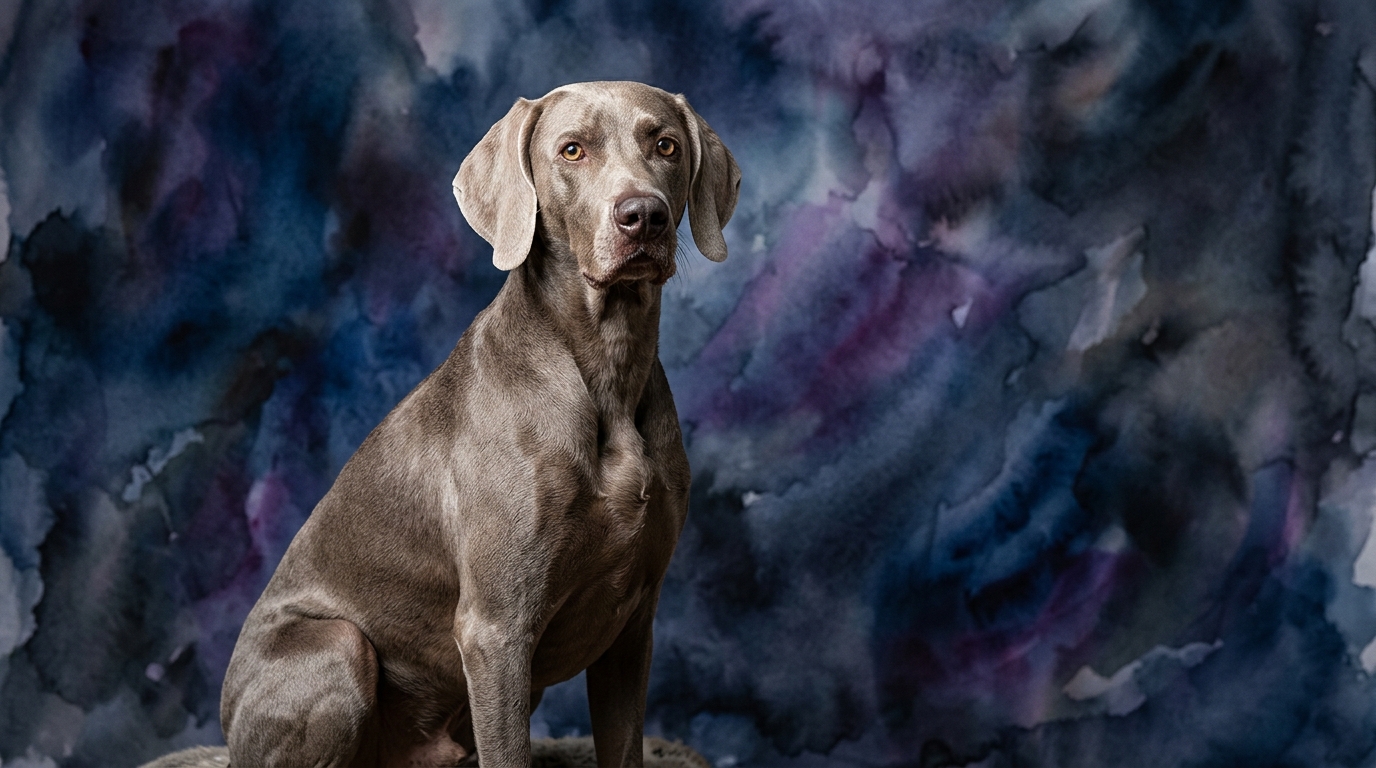
The Cosmic Pet Pet IQ Lab provides a nuanced look into the cognitive dimensions of these breeds, moving beyond simple labels to reveal their specific intellectual architecture. The Weimaraner, a Sporting breed ranking #21 on the Coren scale, demonstrates a Problem Solving score of 4/5, indicating a capacity for intricate task resolution often involving sequential actions or navigating complex environments, a direct legacy of their demands in the field. Their Training Speed also stands at 4/5, reflecting their quick uptake of new commands and routines, driven by a strong desire to collaborate. Social Intelligence, at 4/5, highlights their attunement to human cues and emotional states, fostering a responsive partnership. An Instinctive Drive of 5/5 underscores their powerful prey drive, acute scenting ability, and relentless pursuit, which defines their core purpose. Finally, a Memory score of 4/5 ensures excellent recall of learned behaviors and spatial information, crucial for effective hunting and retrieving.
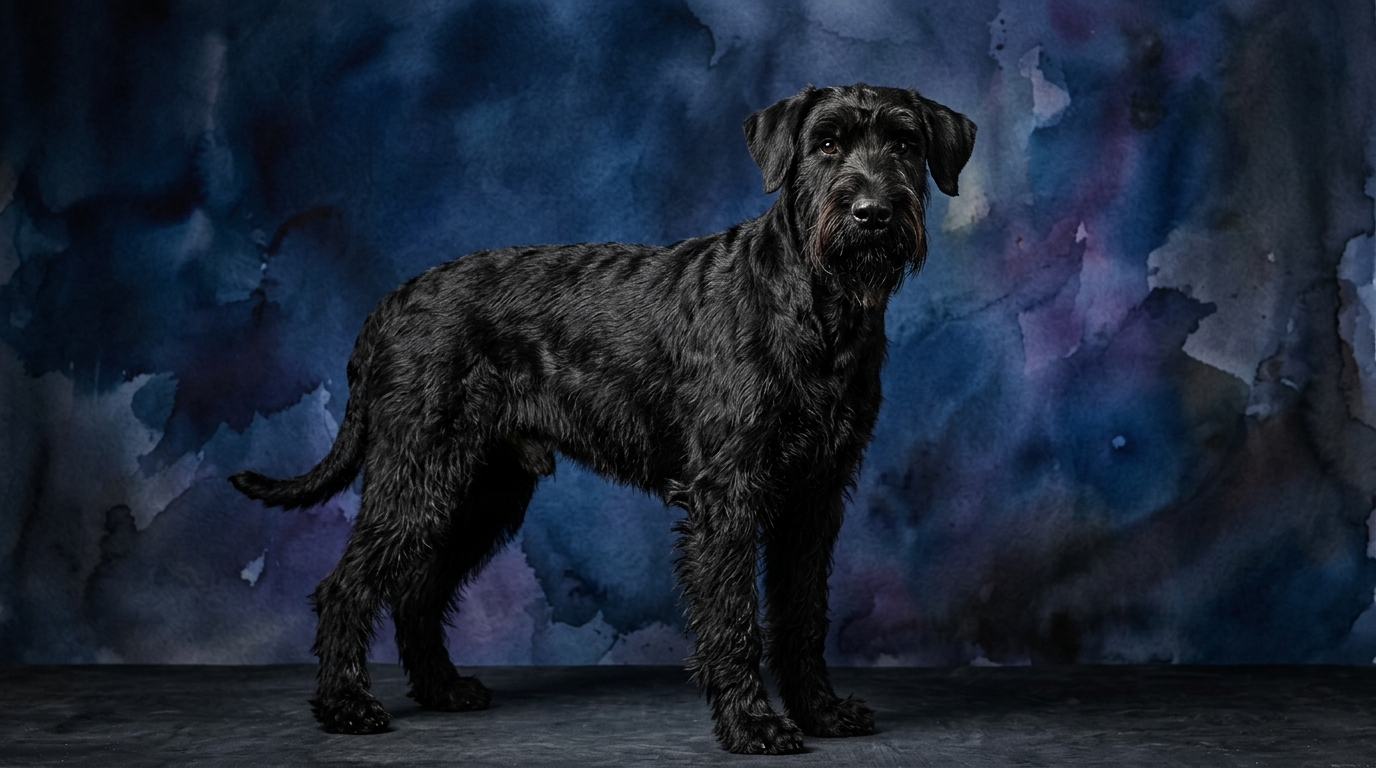
The Giant Schnauzer, a Working breed ranking #28 on the Coren scale, also scores 4/5 in Problem Solving, yet their application of this ability often leans towards robust logical thinking in vigilance, protection, and strategic defense scenarios. Their Training Speed is equally rated at 4/5, signifying efficient learning, though their inherent independence might necessitate a more consistent and firm training approach. Social Intelligence is marked at 3/5; while observant and deeply loyal to their family unit, they tend to be more reserved with strangers, demonstrating a discerning rather than universally engaging social approach. Their Instinctive Drive, at 3/5, manifests as a strong protective and territorial instinct coupled with a robust work ethic, distinct from the Weimaraner's prey drive. A Memory score of 4/5 contributes to their reliability in retaining complex training and experiences for their working roles.
Where Weimaraner Wins Cognitively
The Weimaraner's cognitive strengths shine particularly in areas demanding close partnership and dynamic responsiveness. Their higher Social Intelligence score of 4/5, compared to the Giant Schnauzer's 3/5, positions them as more intuitive and emotionally attuned companions. This translates into a dog that not only understands commands but often anticipates human intentions, adapting their behavior with a fluid, responsive grace that enhances collaborative activities. Furthermore, their superior Instinctive Drive, a perfect 5/5 against the Giant Schnauzer's 3/5, means they possess an unparalleled natural inclination for tasks requiring intense focus on scent, tracking, and retrieving. This powerful drive, when channeled appropriately, makes them naturally excel in complex, fast-paced environments like field trials or advanced obedience, where working in seamless tandem with a human partner is paramount. Their cognitive architecture is built for cooperative pursuit, making them exceptionally skilled at tasks that require both mental agility and a deep, shared purpose with their handler.
Where Giant Schnauzer Wins Cognitively
While both breeds share a 4/5 Problem Solving score, the Giant Schnauzer's cognitive edge often manifests in its capacity for independent, discerning decision-making, particularly relevant in their guardian roles. Their problem-solving isn't just about executing a task, but about evaluating a situation for potential threats and acting with strategic autonomy, rather than waiting for micro-management. This breed's working drive, though scoring 3/5, expresses itself as a tenacious dedication to tasks demanding sustained mental fortitude and precision, such as protection work or complex obedience routines that require unwavering focus over extended periods. This focus is less about immediate prey reward and more about fulfilling a defined purpose. Their slightly lower Social Intelligence score of 3/5, rather than a deficit, can be an advantage in certain contexts, fostering a degree of objective distance and discernment towards strangers, crucial for effective guarding, where an overly eager or universally friendly disposition would be counterproductive. They excel when given a clear job that leverages their inherent vigilance and capacity for self-directed action.
Which Is Easier to Train and Why
When evaluating ease of training, the Weimaraner, with its 4/5 Training Speed, often presents a more straightforward experience due to its higher Social Intelligence. They possess an inherent eagerness to please and a strong desire to work cooperatively, readily forming associations between commands and actions. Their powerful Instinctive Drive, while needing careful channeling, ensures they are highly motivated by activities that simulate their natural hunting behaviors, making training inherently engaging and rewarding. This collaborative spirit means they often respond well to positive reinforcement and clear direction, making the learning process feel more like a partnership.
The Giant Schnauzer, also rated 4/5 for Training Speed, learns efficiently, but their independent nature and protective instincts necessitate a more confident, consistent, and structured approach from their handler. They thrive on clear purpose and well-defined tasks, and while they absorb commands, they may occasionally test boundaries or require more convincing of the 'why' behind a specific action. Their Social Intelligence score of 3/5 suggests they might be less universally receptive to all trainers or new people, meaning initial socialization and consistent, firm leadership are paramount to establishing a reliable training foundation. An owner must be prepared to be a patient, unwavering leader to unlock the Giant Schnauzer's full training potential.
Which Suits Active Owners vs. Relaxed Owners
To be clear, neither the Weimaraner nor the Giant Schnauzer is a suitable match for a truly 'relaxed' owner in terms of their exercise requirements. Both breeds possess substantial energy reserves and demand consistent mental and physical engagement to thrive. Weimaraners, with their intense instinctive drive and boundless vigor, are exceptional companions for owners who actively pursue running, hiking, hunting, or participate in demanding dog sports like agility and field trials. They require daily, vigorous activity and thrive on being an integral, active part of family adventures. Their high social intelligence means they genuinely enjoy working alongside their human partners in these pursuits.
The Giant Schnauzer also requires significant physical activity and mental stimulation, but their energy often manifests in a more purposeful, enduring manner. They are well-suited for active owners who enjoy long walks, structured training sessions, protection work, or activities that provide a clear job. While they appreciate vigorous exercise, their drive might be more satisfied by consistent, goal-oriented routines rather than purely free-form play. Owners seeking a lower-energy, more sedentary canine companion would find both breeds overwhelming; these dogs are built for action and engagement.
The Verdict
Opt for a Weimaraner if you seek an intensely collaborative companion for dynamic outdoor adventures, field sports, or a deeply bonded family member who thrives on constant engagement and reads your cues intuitively. Their powerful drive and social eagerness make them an exhilarating partner for active lifestyles.
Select a Giant Schnauzer if you desire a steadfast, protective guardian with a strong work ethic, capable of independent thought in security roles, and whose loyalty is earned through consistent, purposeful training and clear leadership. They excel with owners who appreciate their discerning nature and provide structured mental and physical challenges.
🧠 Find Your Pet's IQ Score
Our Pet IQ Lab assessment covers 25+ tests across 5 cognitive dimensions — personalized to your breed.
Take the Full IQ Test →Frequently Asked Questions
Do Weimaraners or Giant Schnauzers make better family pets?
Both breeds can be excellent family pets with proper socialization and training. Weimaraners often integrate more fluidly due to their higher social intelligence and eagerness to please, while Giant Schnauzers, though loyal to their family, might be more reserved with strangers and require more structured introductions.
Which breed is more prone to behavioral challenges if not adequately stimulated?
Both breeds can develop behavioral issues without sufficient physical and mental stimulation. Weimaraners, with their intense instinctive drive, might become destructive or anxious, while Giant Schnauzers, if bored, might exhibit excessive barking, territoriality, or stubbornness.
Are these breeds suitable for first-time dog owners?
Neither breed is typically recommended for first-time dog owners. Both require experienced handlers who understand their specific cognitive needs, high energy levels, and strong personalities to guide them effectively and prevent potential behavioral challenges.