The Cosmic Pet Pet IQ Lab: Weimaraner vs. Greyhound Cognitive Profiles
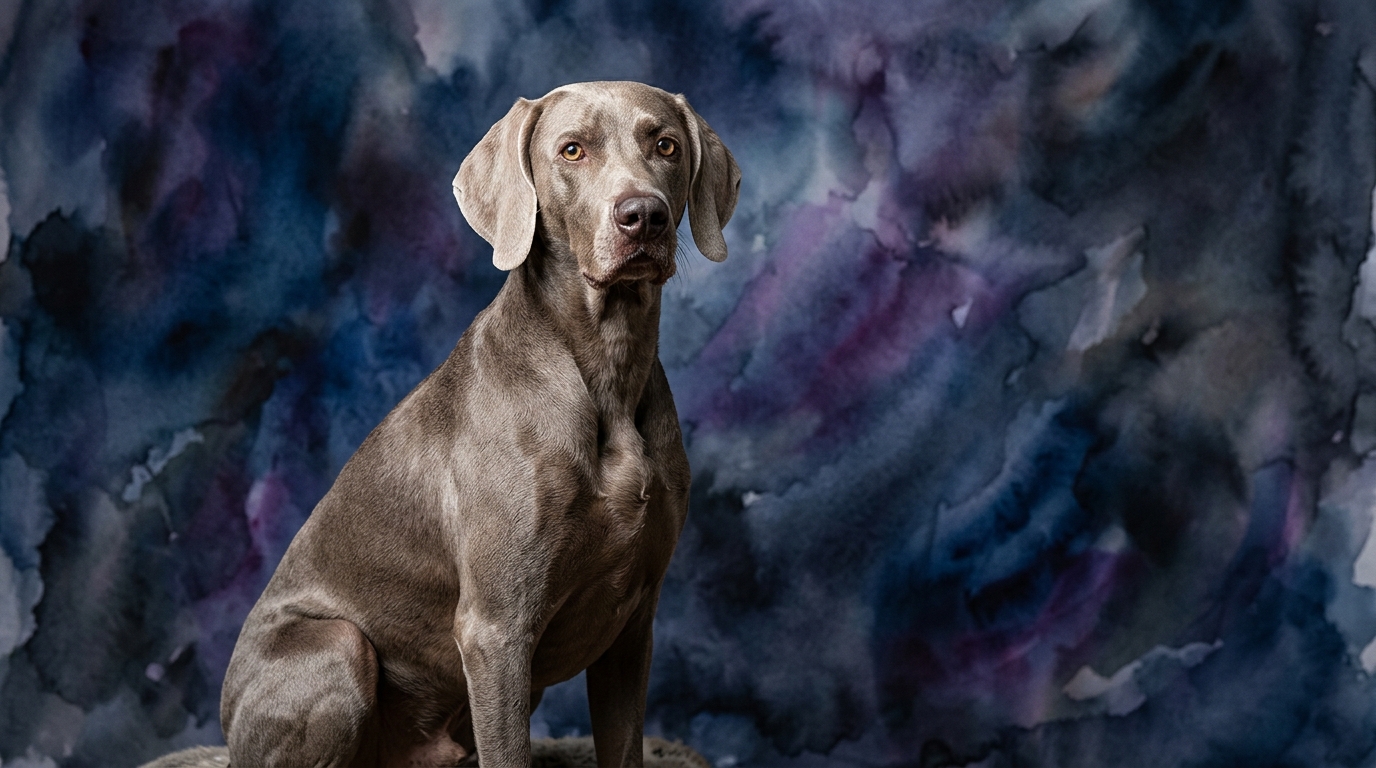
At The Cosmic Pet Pet IQ Lab, we evaluate dog intelligence across five core dimensions to provide a nuanced understanding of each breed's mental makeup. The Weimaraner, a member of the Sporting group with a Coren rank of #21, presents a profile marked by high engagement and adaptability. Its Problem Solving is rated 4/5, indicating an effective capacity to strategize and navigate novel situations, from figuring out complex puzzles to accessing hidden treats. Training Speed is also 4/5, meaning this breed typically grasps new commands and routines quickly, often requiring fewer repetitions. With a Social Intelligence of 4/5, Weimaraners are deeply attuned to human cues and social dynamics, capable of nuanced interactions and understanding their owner's mood. Their Instinctive Drive is a powerful 5/5, reflecting an exceptional prey drive and a strong desire to work, channeling energy into tasks like retrieving or tracking. Finally, their Memory at 4/5 ensures they retain learned information and experiences over long periods, remembering commands, routes, and people with notable consistency.
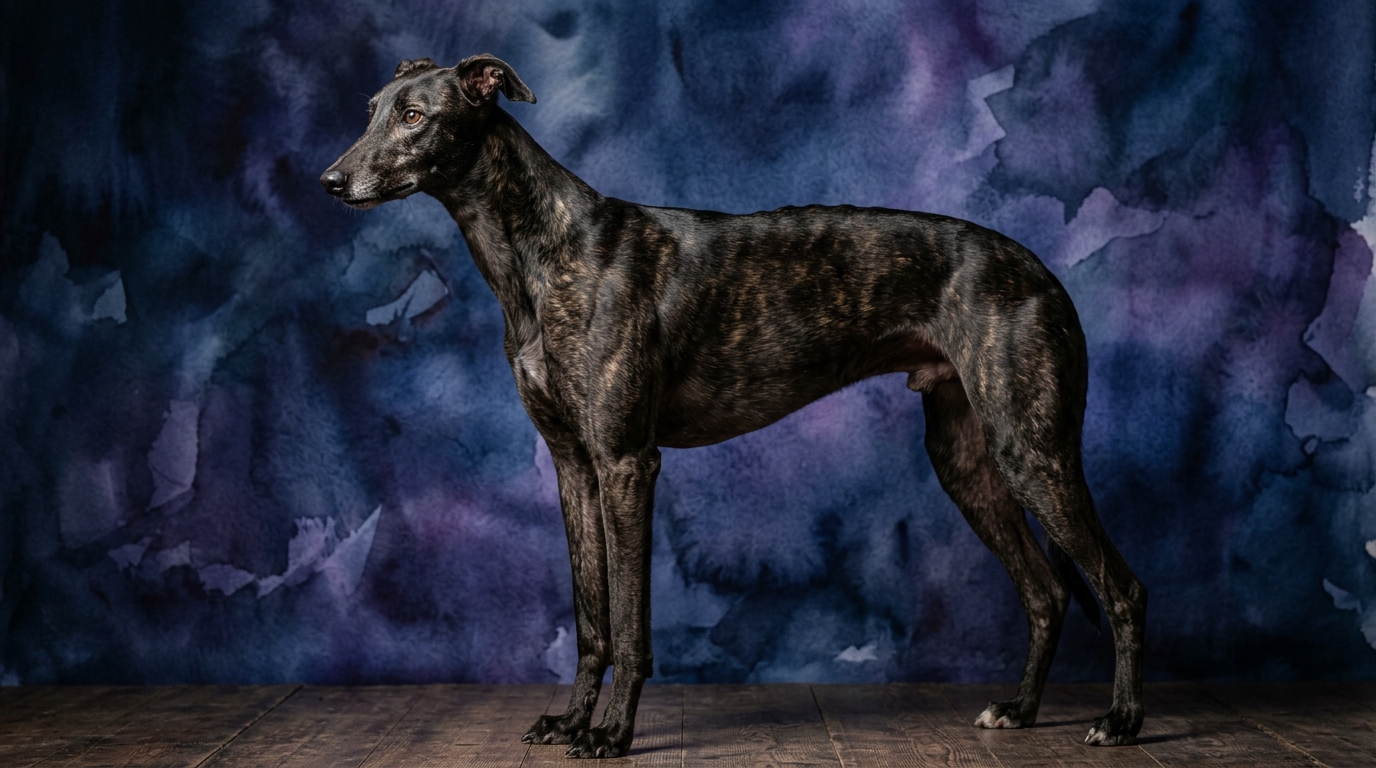
In contrast, the Greyhound, a proud member of the Hound group with a Coren rank of #46, showcases a cognitive profile optimized for efficiency and specific instinctive responses. Its Problem Solving is rated 3/5, suggesting capability in direct problem-solving but perhaps less inclination towards persistent, multi-step solutions, often preferring the most efficient route. Training Speed stands at 2/5, indicating they learn at a more moderate pace, sometimes requiring additional patience and repetition, especially if the task isn't inherently rewarding or intuitive to their nature. Social Intelligence is 3/5; Greyhounds can be selective in their social engagement, understanding immediate human interactions but potentially less driven by intricate social cues. Their Instinctive Drive, like the Weimaraner, is a commanding 5/5, but manifested as a powerful chase instinct, driven primarily by sight to pursue fast-moving objects, a hallmark of their sighthound heritage. Their Memory, at 3/5, allows them to remember important routines and people but might not retain complex sequences or less impactful events as readily, reflecting an efficiency in retaining only what is most pertinent to their lifestyle.
Weimaraner's Cognitive Edge: A Master of Engagement
The Weimaraner's cognitive profile reveals a breed that excels in active engagement and collaborative tasks. Their superior Problem Solving score of 4/5, compared to the Greyhound's 3/5, signifies a greater propensity for analytical thought and strategic planning. This isn't just about raw processing power, but a willingness to apply it to diverse challenges, whether it's navigating an obstacle course or devising a way to get attention. This breed’s higher Training Speed (4/5 versus 2/5) means they form associations between commands and actions rapidly, making them receptive to intricate obedience routines, complex sport skills, or even nuanced service tasks. They genuinely enjoy the process of learning and working alongside their human.
Furthermore, the Weimaraner's robust Social Intelligence (4/5 versus 3/5) allows for a deep, intuitive connection with their human companions. They are adept at interpreting subtle shifts in tone, body language, and mood, often anticipating needs or reacting with empathy. This strong social attunement makes them highly biddable and keen to please, as they effectively interpret and respond to human social cues. Their Memory, rated 4/5, supports this by enabling them to build upon past lessons and remember an extensive repertoire of commands and experiences, contributing significantly to their reputation as capable and consistently reliable working partners. This combination creates a dog that is not only mentally sharp but also deeply integrated into its human family's life.
Greyhound's Unique Cognitive Strengths: Focused Instinct and Efficiency
While the Greyhound's scores in several cognitive dimensions are numerically lower than the Weimaraner's, this difference should not be misinterpreted as a cognitive deficit. Instead, it highlights a distinct specialization, honed by centuries of selective breeding for speed and pursuit. Their Instinctive Drive, a perfect 5/5, is a profound strength, manifesting as an incredibly efficient, hardwired response system tuned for explosive acceleration and chase. This isn't just about a primal urge; it's a sophisticated, specialized intelligence that prioritizes immediate, effective action in specific high-stakes scenarios.
A Greyhound’s Problem Solving, rated 3/5, often manifests as finding the most direct and energy-efficient path to a perceived target, rather than engaging in prolonged, multi-step puzzles. Their Training Speed, while 2/5, reflects a preference for clear, consistent commands that align with their natural tendencies or offer immediate, tangible rewards, rather than abstract concepts or prolonged drills. Their Social Intelligence, at 3/5, translates to a calm, discerning nature; they may not constantly seek interaction but form deep, quiet bonds with their chosen humans, understanding their companions without needing constant affirmation or engagement. Their Memory, rated 3/5, is perfectly adequate for remembering crucial routines, safe places, and important people, reflecting an efficient system that retains what is most pertinent to their relaxed, yet occasionally explosive, lifestyle, rather than extraneous details.
Training Dynamics: Weimaraner's Eagerness vs. Greyhound's Deliberate Pace
The differing cognitive profiles translate directly into distinct training experiences. The Weimaraner, with its higher Training Speed (4/5) and Social Intelligence (4/5), is often an eager and biddable student. They thrive on positive reinforcement and consistent, engaging guidance, quickly grasping complex chains of commands and enjoying the challenge of learning new skills. Their powerful Instinctive Drive (5/5) means they possess ample energy and focus, which, when channeled appropriately, can make them excel in advanced obedience, hunting trials, or various dog sports. A Weimaraner's desire to actively participate and work alongside its human is a strong motivator in training, making them highly responsive to collaborative tasks.
Conversely, the Greyhound’s lower Training Speed (2/5) suggests they may require more patience and repetition. They are not necessarily stubborn, but their motivation often stems less from a desire to please and more from what makes practical sense to them or offers immediate, clear rewards. Their powerful Instinctive Drive (5/5) is primarily sight-based and can be incredibly potent, meaning off-leash recall in an open field with moving objects requires substantial, consistent, and often specialized training to override their chase impulse. Greyhounds respond best to calm, consistent methods and often prefer shorter, engaging training sessions that don't demand prolonged abstract focus. Behaviorally, a Weimaraner might actively 'demand' a job or task, whereas a Greyhound might 'consider' if a job is truly worth their effort, often preferring comfort over constant mental exertion.
Matching Mentalities: Active Engagement vs. Serene Companionship
The cognitive differences between these breeds naturally align with different owner lifestyles. For active owners seeking a dynamic, engaged partner, the Weimaraner's profile is an excellent fit. Their high Problem Solving, rapid Training Speed, and potent Instinctive Drive mean they require significant mental stimulation alongside physical exercise. An owner who enjoys teaching new skills, participating in dog sports like agility, retrieving, or scent work, or even just long, exploratory hikes where the dog can use its nose and mind, will find the Weimaraner an incredibly rewarding match. Their high Social Intelligence often makes them 'velcro dogs,' thriving on constant interaction and involvement in family activities, demanding a high level of reciprocal engagement.
In contrast, the Greyhound's profile suits owners seeking a serene, calm companion who appreciates comfort and quiet. While they possess an explosive Instinctive Drive (5/5) that necessitates opportunities for short bursts of intense exercise in secure areas, their lower scores in sustained problem-solving and constant training demands mean they are less demanding of continuous mental 'work.' Indoors, Greyhounds are often content to lounge gracefully for extended periods, earning them the moniker '45 mph couch potatoes.' An owner who appreciates a dog's independent yet gentle spirit, enjoys providing short, exhilarating sprints followed by long naps, and seeks a calm, elegant presence will find the Greyhound an ideal fit. They offer deep companionship without constantly seeking a 'job' or demanding high-octane mental engagement.
The Verdict
Choose a Weimaraner if you seek a highly interactive, biddable partner eager for complex training, dog sports, and a constant mental and physical challenge. Their sharp mind and desire to collaborate make them excellent for owners who enjoy a truly engaged working companion.
Opt for a Greyhound if you desire a calm, independent companion who excels in short bursts of speed and long stretches of rest, appreciating quiet comfort over constant mental tasks. They are ideal for owners who value a gentle presence and can provide secure spaces for their powerful instinctive sprints.
🧠 Find Your Pet's IQ Score
Our Pet IQ Lab assessment covers 25+ tests across 5 cognitive dimensions — personalized to your breed.
Take the Full IQ Test →Frequently Asked Questions
Are Weimaraners harder to manage due to their high drive?
Weimaraners possess a potent instinctive drive and a keen mind, which translates to a need for consistent mental and physical outlets. Without appropriate engagement, this energy can lead to undesirable behaviors, making them a challenge for owners unable to provide sufficient structure and activity.
Do Greyhounds require a lot of exercise despite their calm demeanor indoors?
While Greyhounds are famous for their '45 mph couch potato' nature, they do require regular opportunities for short, intense bursts of running. This fulfills their powerful instinctive drive, after which they are generally content to relax indoors for extended periods.
Which breed is better for a first-time dog owner?
The Greyhound, with its generally calmer indoor temperament and less demanding need for constant mental work, might be more suitable for a first-time owner. Weimaraners require more experience due to their intense drive, high energy, and need for consistent, advanced training and stimulation.