Side-by-Side Cognitive Profiles
The Cosmic Pet Pet IQ Lab categorizes canine intelligence across five key dimensions, providing a nuanced view beyond a simple 'smart' label. Examining these dimensions for the Weimaraner and Harrier reveals their inherent predispositions.
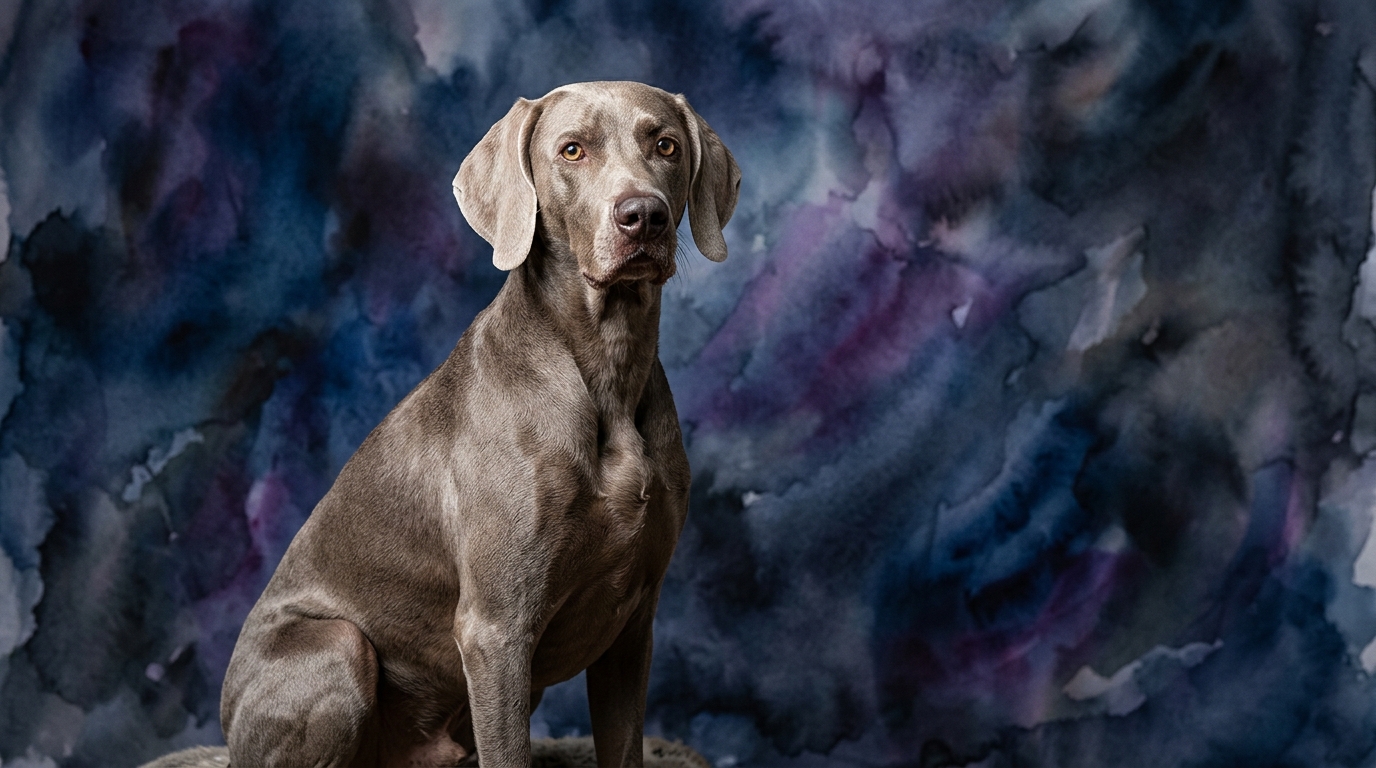
The Weimaraner, a member of the Sporting group and Coren-ranked #21, presents a robust and well-rounded cognitive profile. Their Problem Solving is rated at 4/5, indicating an ability to quickly grasp and navigate complex situations, often figuring out novel solutions. Training Speed also scores 4/5, reflecting their quick uptake of new commands and eagerness to cooperate. Social Intelligence, at 4/5, highlights their strong connection to human cues and emotional attunement. Their Instinctive Drive is a formidable 5/5, manifesting as an intense, versatile urge to hunt, retrieve, and engage in purposeful activity. Finally, their Memory is strong at 4/5, ensuring consistent retention of learned behaviors and experiences.
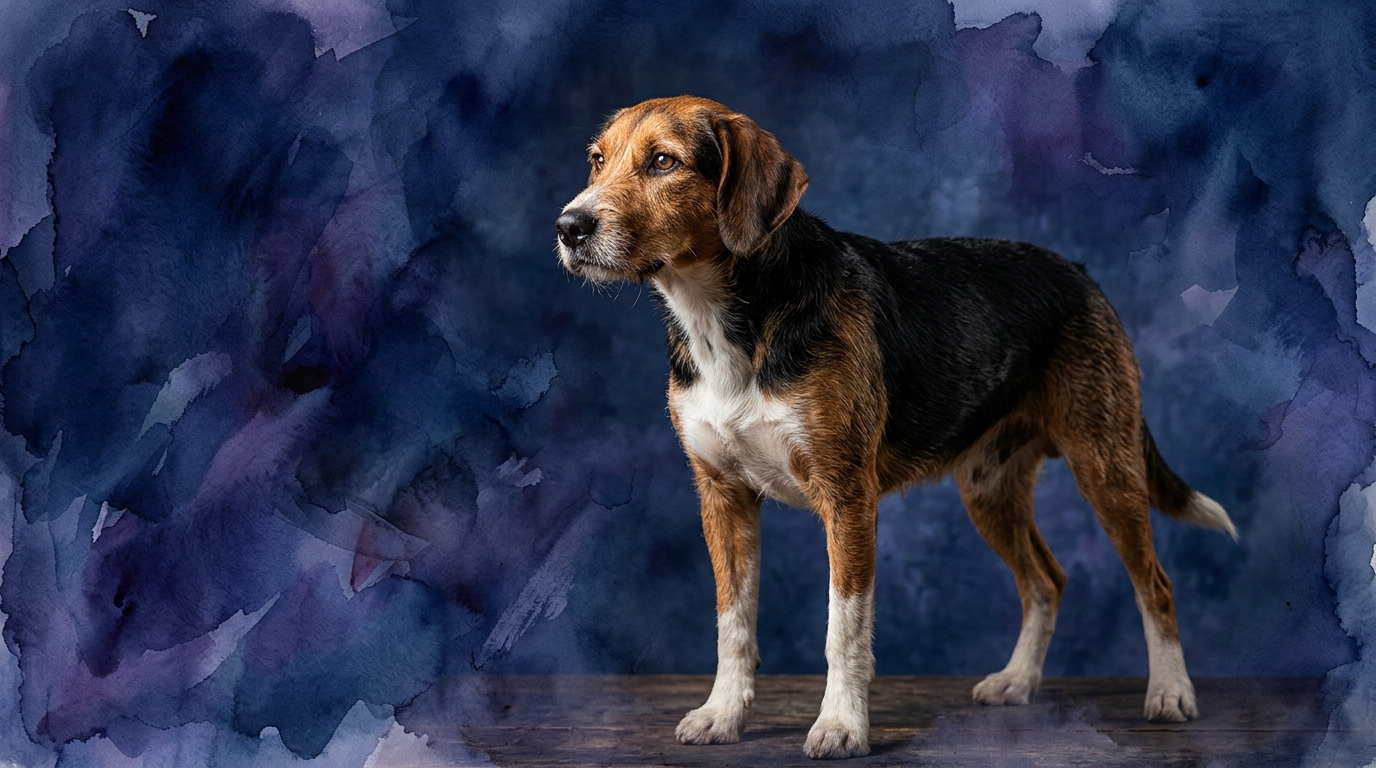
In contrast, the Harrier, a Hound group member not included in Coren's ranking, exhibits a specialized cognitive makeup. Their Problem Solving is rated 3/5, typically focused on scent-related challenges rather than abstract puzzles. Training Speed is 3/5, suggesting they require more repetition and motivation, often prioritizing their nose over human instruction. Social Intelligence also stands at 3/5; while friendly, they may show less intense focus on human interaction compared to breeds bred for close partnership. Their Instinctive Drive is 3/5, potent but singularly directed towards following a scent trail. Memory, at 3/5, is functional for their primary hunting tasks but may not extend to human-centric commands with the same precision as a Weimaraner.
Where the Weimaraner Excels Cognitively
The Weimaraner's cognitive strengths lie in their adaptability, quick comprehension, and partnership orientation. Their 4/5 Problem Solving and 4/5 Training Speed, coupled with a 4/5 Social Intelligence, mean they typically excel in environments demanding rapid understanding of human expectations and versatile application of learned skills. For instance, a Weimaraner might quickly master a multi-step obedience routine, adjusting their performance based on subtle handler cues, demonstrating a nuanced understanding of social dynamics.
Their exceptionally strong Instinctive Drive (5/5) is often channeled into cooperative tasks, making them formidable partners in activities like advanced obedience, agility, or competitive retrieval. They are generally adept at 'reading' their owners and adjusting their behavior, showing a sophisticated ability to interpret social signals and respond appropriately in varied situations. This blend of intelligence makes them excellent candidates for complex roles and activities where close collaboration with a human is paramount.
Where the Harrier's Cognition Shines
While the Harrier's scores appear lower, their cognitive profile represents a specialized excellence tailored to their original purpose. Their 3/5 Instinctive Drive, though numerically lower than a Weimaraner's, is intensely focused and unwavering when it comes to scent work. This translates into an unparalleled ability to concentrate on a trail for extended periods, often ignoring distractions that would easily derail many other breeds.
Their Problem Solving (3/5) is highly efficient within the specific context of scent tracking, allowing them to independently puzzle out a lost trail or navigate complex terrain based solely on olfactory information. While their Training Speed (3/5) might be slower for general obedience, their Memory (3/5) for scent patterns and established hunting routes is robust and reliable. This specialized cognitive makeup makes them exceptional at their original work, thriving in environments where their nose is king and independent decision-making on a trail is valued over human-directed versatility.
Ease of Training: Weimaraner vs. Harrier
When it comes to ease of training, the Weimaraner typically presents a more straightforward path. Their higher Training Speed (4/5) and Social Intelligence (4/5) mean they are generally more eager to please and attuned to human direction, making them highly responsive to positive reinforcement and clear commands. Their strong Memory (4/5) ensures that lessons stick, allowing for progressive and consistent learning across various disciplines. They actively seek human input and approval, which simplifies the training process significantly.
The Harrier's lower scores across the board (3/5 for Training Speed, Social Intelligence, and Memory) indicate a more independent and often self-directed mindset. Their powerful scent drive frequently overrides human commands, and their problem-solving is geared towards self-directed scent work rather than human-imposed tasks. Training a Harrier demands immense patience, unwavering consistency, and often a creative approach to make learning rewarding enough to compete with their natural instincts. They are less naturally inclined to look to a human for guidance, especially when a compelling scent captures their attention.
Matching Breeds to Lifestyles: Active vs. Independent Owners
The Weimaraner, with its high energy and formidable Instinctive Drive (5/5), demands significant physical and mental engagement. They thrive with highly active owners who enjoy dog sports, hunting, long runs, or extensive outdoor adventures. Their cognitive profile indicates a need for varied mental stimulation and consistent interaction; they are best suited for individuals or families who can integrate them deeply into their daily activities and provide a 'job' to satisfy their intelligent and driven nature.
The Harrier, while also active, channels its energy and Instinctive Drive (3/5) primarily into scent work. They require substantial outlets for their nose, such as long walks, runs, or dedicated scent games, but may not demand the same *variety* of human-directed mental tasks as a Weimaraner. They suit owners who appreciate a dog with a strong, focused drive for exploration and independent decision-making, perhaps those who enjoy long hikes where the dog can follow a trail, or participate in scent work activities, rather than constant human-directed tasks. Owners must be prepared for their independent nature and the potential for selective hearing when a scent takes priority.
The Verdict
If you seek a highly engaged, versatile partner for diverse activities, who thrives on cooperative learning and close human interaction, the Weimaraner's quick intellect and strong social bond will be a perfect match.
Opt for the Harrier if you admire an independent, scent-driven companion, valuing their unwavering focus on a trail and their robust, self-sufficient problem-solving within their specialized hunting domain.
🧠 Find Your Pet's IQ Score
Our Pet IQ Lab assessment covers 25+ tests across 5 cognitive dimensions — personalized to your breed.
Take the Full IQ Test →Frequently Asked Questions
Are Harriers difficult to live with due to their independence?
Harriers possess a strong independent streak, particularly when on a scent trail, which can manifest as selective hearing. Consistent training and ample opportunities for scent work can help manage this, but owners should be prepared for a dog that sometimes prioritizes its nose.
How much exercise does a Weimaraner truly need?
Weimaraners require substantial daily exercise, typically an hour or two of vigorous activity, combined with mental challenges. Their high instinctive drive and problem-solving abilities mean they need both physical exertion and engaging tasks to prevent boredom.
Can a Harrier be trained for agility or obedience?
While Harriers can learn agility and obedience, their training path often requires more patience and creativity due to their lower training speed and strong independent scent drive. Success often comes from making the training itself a rewarding game that competes with their natural olfactory pursuits.