
Side-by-Side IQ Profile: Weimaraner vs. Icelandic Sheepdog
The Weimaraner, a dog from the Sporting Group, holds a distinguished Coren rank of #21, indicating a capacity for understanding and executing commands quickly. In our Pet IQ Lab, their Problem Solving is rated 4/5, reflecting an aptitude for navigating complex situations and adapting to new challenges with thoughtful consideration. Their Training Speed also scores 4/5, suggesting a rapid grasp of new commands and a keen desire to engage in learning activities. Social Intelligence at 4/5 speaks to their strong bond with humans and their ability to interpret subtle cues, fostering a deep partnership. A dominant Instinctive Drive of 5/5 underscores their powerful genetic inclination for hunting, pointing, and retrieving, making them highly task-oriented. Finally, their Memory at 4/5 ensures they retain learned behaviors and experiences, building a robust foundation for consistent performance.
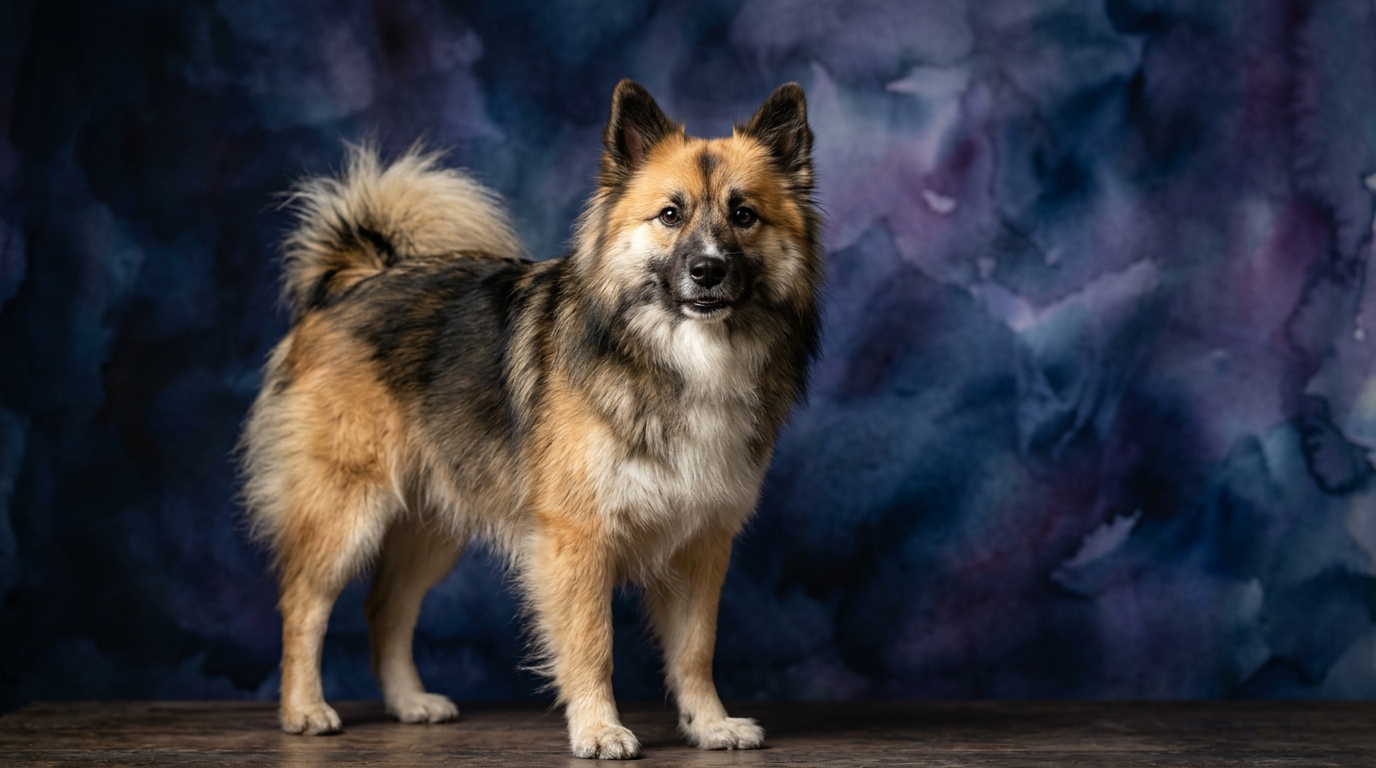
The Icelandic Sheepdog, a member of the Herding Group, is not featured on the Coren ranking, yet possesses a distinct set of cognitive attributes shaped by centuries of working alongside humans and livestock in challenging environments. Our Pet IQ Lab assessment gives them a Problem Solving score of 3/5, indicating a practical intelligence focused on their immediate surroundings and the needs of their flock. Their Training Speed also stands at 3/5, meaning they are capable learners who benefit from consistent, positive reinforcement to solidify new behaviors. Social Intelligence at 3/5 highlights their congenial nature and ability to integrate well within a family or pack, though perhaps with a more independent streak than their Sporting counterpart. An Instinctive Drive of 3/5 reflects their moderate yet persistent herding tendencies, characterized by vigilance and a desire to keep their charges together. Their Memory, rated 3/5, supports their ability to recall routines and learned tasks, contributing to their reliability as a working companion.
Where the Weimaraner Wins Cognitively
The Weimaraner's cognitive profile reveals a dog built for precision and partnership, outperforming the Icelandic Sheepdog in several key areas. Their superior Problem Solving (4/5) allows them to strategize efficiently, whether it’s navigating an agility course or figuring out how to retrieve a challenging item. This analytical edge means they often anticipate outcomes and adjust their approach swiftly.
Furthermore, their higher Training Speed (4/5) translates into a remarkable ability to absorb and execute multi-step commands with fewer repetitions, making advanced obedience or specialized task training a more fluid process. This rapid learning is often fueled by their strong desire to work collaboratively with their human. The Weimaraner's 4/5 Social Intelligence also gives them an advantage in discerning nuanced human intentions and emotional states, fostering a profound level of communication and responsiveness. This makes them exceptionally attuned to their owner's needs and capable of forming very deep, almost intuitive, bonds. Their robust Memory (4/5) underpins all these strengths, ensuring that complex learned behaviors, intricate routines, and specific environmental lessons are retained with impressive consistency over time.
Where the Icelandic Sheepdog Wins Cognitively
While the Icelandic Sheepdog's numerical scores may not match the Weimaraner's across the board, their cognitive strengths are uniquely tailored to their historical role, offering a different kind of advantage. Their 3/5 in Problem Solving and Instinctive Drive, while moderate, reflects a practical, resilient intelligence honed for sustained, independent work in dynamic natural environments. This means they excel in situations requiring broad environmental awareness, such as monitoring a flock over varied terrain or adapting to sudden weather changes.
Their problem-solving isn't about precise human-directed tasks, but rather about resourcefulness in managing livestock and navigating their surroundings, often without direct command. The Icelandic Sheepdog’s social intelligence (3/5) is particularly strong in group dynamics, fostering cohesive relationships within a family unit or with other animals. They possess a keen observational intellect, making them adept at noticing subtle shifts in their environment or the behavior of their charges, which is crucial for herding. This constant vigilance, driven by their instinctive desire to keep things in order, allows them to act as watchful guardians, often communicating potential issues through barks or body language before an owner even perceives a threat. Their memory, while rated 3/5, is reliable for remembering routines, boundaries, and the movements of their flock, contributing to their steadfast nature.
Which is Easier to Train and Why
Based on their cognitive profiles, the Weimaraner generally presents as the easier breed to train for complex obedience and specific tasks. Their Training Speed of 4/5 indicates a quicker uptake of commands, coupled with a 4/5 Social Intelligence that drives them to please and understand their human partners. Weimaraners often exhibit a strong work ethic and an eagerness to engage, making them highly receptive to structured training. Their powerful Instinctive Drive (5/5) means they thrive on having a job to do and will channel that energy into learning if given appropriate outlets.
Conversely, the Icelandic Sheepdog, with a Training Speed of 3/5 and a more moderate Social Intelligence (3/5), typically requires more patience and consistent repetition during training. While they are willing learners, their herding background fosters a degree of independent thought and environmental awareness that can sometimes translate into a momentary distraction from human-directed tasks. Their problem-solving, while effective for their historical role, might not always align with quickly executing novel, abstract commands. Owners of Icelandic Sheepdogs will find success with positive reinforcement and making training a rewarding, engaging experience that taps into their natural curiosity and social nature, rather than relying solely on their desire to please.
Which Suits Active Owners vs. Relaxed Owners
For owners seeking a highly engaged and intensely active canine partner, the Weimaraner is a clear choice. Their 5/5 Instinctive Drive paired with robust problem-solving and memory means they require substantial physical exercise and consistent mental stimulation to thrive. They are not content with short walks; instead, they excel with activities like running, hiking, advanced obedience, scent work, or field trials. An owner who can dedicate significant time daily to these pursuits will find a Weimaraner to be an incredibly rewarding and tireless companion.
The Icelandic Sheepdog, while still needing regular activity, is better suited for owners who enjoy consistent, moderate engagement rather than intense, prolonged physical exertion. Their 3/5 Instinctive Drive indicates a dog that appreciates outdoor time, walks, and playful interactions, but might not demand the same level of high-octane stimulation as a Weimaraner. They are resilient and enjoy being outdoors, but their activity needs are often met with daily walks, playtime in a secure yard, and brain games that tap into their observational skills. They are not a “relaxed” dog that can skip daily activity, but their needs are certainly less demanding than their Sporting counterpart, making them suitable for owners who enjoy a steady rhythm of activity without the intensity.
The Verdict
Choose the Weimaraner if you are an experienced, active owner prepared to dedicate significant time daily to rigorous physical exercise, advanced training, and consistent mental stimulation for a highly driven, responsive partner.
Choose the Icelandic Sheepdog if you appreciate a watchful, adaptable companion and can provide consistent, moderate activity, patient positive reinforcement, and a stimulating environment for a dog with a resilient spirit and keen observational skills.
🧠 Find Your Pet's IQ Score
Our Pet IQ Lab assessment covers 25+ tests across 5 cognitive dimensions — personalized to your breed.
Take the Full IQ Test →Frequently Asked Questions
Are Weimaraners good with children?
Weimaraners, with their 4/5 social intelligence, can form strong bonds with family members, including children. However, their high energy and strong prey drive mean they require careful socialization and supervision around very young children to prevent accidental knocks or overzealous play.
Do Icelandic Sheepdogs make good guard dogs?
Icelandic Sheepdogs possess a 3/5 instinctive drive for vigilance and an observant nature, making them excellent watchdogs who will alert to strangers or unusual occurrences. However, their generally friendly disposition means they are more likely to bark to announce a visitor than to act as a protective guard dog.
Which breed is better for a first-time dog owner?
Neither breed is typically recommended for a completely novice owner without prior research and commitment, but the Icelandic Sheepdog might be slightly more manageable due to its moderate drive compared to the Weimaraner's intense needs. The Weimaraner's high drive and quick learning require an owner who is confident and consistent in training from day one.