
Side-by-Side IQ Profile: Weimaraner vs. Newfoundland
The Cosmic Pet Pet IQ Lab employs a five-dimensional framework to assess canine intelligence, offering a granular view beyond simple obedience. For the Weimaraner, a Sporting breed ranked #21 by Coren, its profile shows remarkable cognitive agility: Problem Solving 4/5, Training Speed 4/5, Social Intelligence 4/5, Instinctive Drive 5/5, and Memory 4/5. This paints a picture of a quick-witted, driven companion.
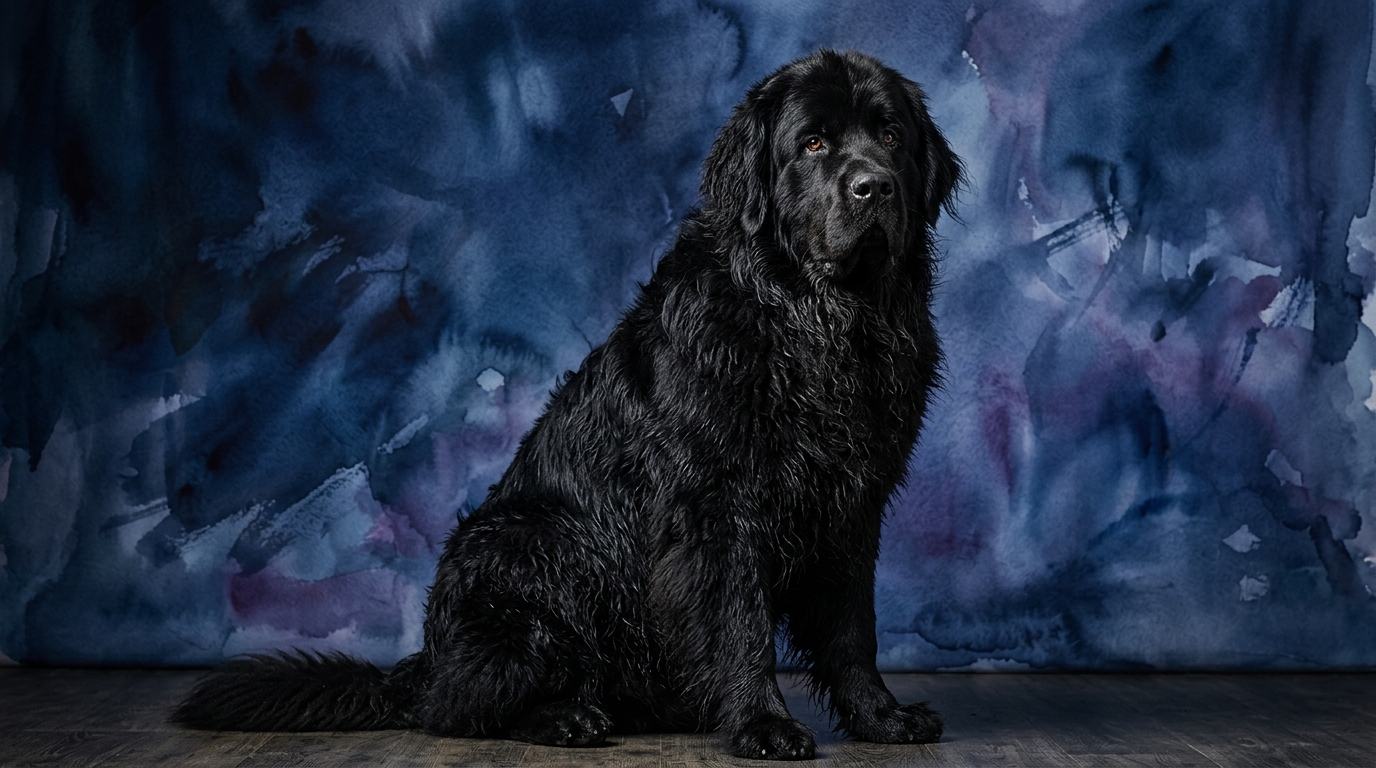
In contrast, the Newfoundland, a Working breed with a Coren rank of #34, presents a distinct yet equally impressive cognitive makeup. Its scores are: Problem Solving 3/5, Training Speed 4/5, Social Intelligence 5/5, Instinctive Drive 5/5, and Memory 4/5. This profile highlights a dog whose strengths lie in empathy and innate helpfulness, rather than abstract problem-solving.
Where the Weimaraner Wins Cognitively
The Weimaraner's cognitive profile shines brightest in areas demanding quick analytical thought and independent action, particularly when a task involves a clear objective. Their Problem Solving score of 4/5 suggests a dog that doesn't just follow instructions but actively evaluates situations to find the most efficient path forward, a trait honed by generations of hunting where split-second decisions were crucial. This translates to an aptitude for complex scent work or agility courses where they must adapt to changing circumstances and interpret subtle cues.
Furthermore, their 5/5 Instinctive Drive fuels a relentless pursuit of goals, meaning once a Weimaraner locks onto a task, whether it's retrieving a dummy or solving a puzzle feeder, their focus is unwavering. This combination of analytical problem-solving and intense drive allows them to excel in activities that require sustained mental effort and initiative, often outperforming breeds that rely more on rote learning or human direction. Their 4/5 Training Speed is augmented by their desire to engage and achieve, meaning they not only learn quickly but also actively participate in the learning process, often anticipating the next step.
Where the Newfoundland Wins Cognitively
The Newfoundland's cognitive strengths lie profoundly in the realm of social interaction and selfless, instinct-driven behavior, setting them apart as unparalleled companions and protectors. With a Social Intelligence score of 5/5, Newfoundlands possess an extraordinary capacity to read and respond to human emotions, offering comfort or assistance often without explicit commands. This isn't just about obedience; it's about an intuitive empathy that allows them to anticipate needs and provide reassurance, making them exceptional therapy dogs or family guardians.
Their Instinctive Drive, also a perfect 5/5, is channeled into protective and rescue behaviors, particularly in water, showcasing a profound natural aptitude for life-saving actions that require immediate, independent judgment. This drive isn't about prey; it's about safeguarding, demonstrating a deep-seated altruism. While their Problem Solving at 3/5 might not be as abstract as the Weimaraner's, it's highly practical and context-specific, allowing them to navigate complex rescue scenarios or instinctively protect their charges. Their 4/5 Training Speed is effectively leveraged by their eagerness to please and strong desire for companionship, meaning they respond well to positive reinforcement and tasks that involve working alongside their human partners.
Which is Easier to Train and Why
Determining which breed is “easier” to train hinges on the owner's experience and the specific training goals, as both breeds achieve a 4/5 in Training Speed but leverage different cognitive strengths. The Weimaraner, with its higher Problem Solving (4/5) and intense Instinctive Drive (5/5), often presents a faster initial learning curve for complex commands and tasks requiring independent thought. They grasp concepts quickly and are eager to engage in mentally stimulating activities. However, their intelligence can also manifest as stubbornness or boredom if training isn't varied and challenging, making them prone to developing their own “solutions” if not properly guided.
An owner needs to be consistent, firm, and creative to keep a Weimaraner engaged and prevent them from outsmarting the system. In contrast, the Newfoundland's training ease stems from its exceptional Social Intelligence (5/5) and strong desire to please. They are less likely to challenge authority or invent their own games, instead focusing on forming a cooperative bond with their handler. While they may not pick up abstract concepts as rapidly as a Weimaraner, their willingness to work with humans and their inherent patience make them highly amenable to consistent, positive reinforcement.
Their 5/5 Instinctive Drive, geared towards protection and rescue, means they are naturally inclined towards tasks that involve helping or guarding, which can be easily channeled into specific training. For a novice owner seeking a biddable and cooperative partner, the Newfoundland might feel “easier” due to their agreeable temperament and strong social drive, whereas an experienced handler looking for a challenging, quick-witted partner might find the Weimaraner more rewarding to shape.
Which Suits Active Owners vs. Relaxed Owners
The choice between a Weimaraner and a Newfoundland profoundly dictates the lifestyle required from an owner, aligning with either active or more relaxed approaches. The Weimaraner, with its potent 5/5 Instinctive Drive and significant problem-solving capacity, unequivocally suits highly active owners. These dogs thrive on constant engagement, demanding extensive physical exercise such as running, hiking, or field work, alongside substantial mental stimulation like advanced obedience, agility, or scent tracking. Their 4/5 training speed means they quickly learn complex tasks, but if not given an outlet for their energy and intellect, they can become restless, destructive, or develop behavioral issues. An owner who can dedicate several hours daily to rigorous exercise and structured mental challenges will find a Weimaraner a fulfilling, driven companion.
Conversely, the Newfoundland is a better match for owners with a more relaxed pace, though they still require regular, moderate exercise. Their 5/5 Social Intelligence and profound empathy mean they are content being close to their human family, often preferring companionship over intense physical exertion. While their 5/5 Instinctive Drive for rescue is strong, it manifests more as a watchful, protective presence rather than a need for constant high-octane activity. Daily walks, swimming (which they adore), and playtime are essential, but they don't demand the same high-intensity output as a Weimaraner. Owners who appreciate a calm, devoted presence and are prepared for a large, affectionate companion who enjoys lounging as much as a gentle stroll will find the Newfoundland an ideal fit.
The Verdict
Select a Weimaraner if you are an experienced, active individual or family seeking a highly driven, intelligent partner for advanced training, outdoor adventures, or mentally challenging dog sports. Be prepared to invest significant time and energy into their physical and mental enrichment.
Opt for a Newfoundland if you desire a large, gentle, and profoundly empathetic companion who thrives on close family bonds and offers a calm, protective presence, suitable for a more relaxed yet still engaged lifestyle.
🧠 Find Your Pet's IQ Score
Our Pet IQ Lab assessment covers 25+ tests across 5 cognitive dimensions — personalized to your breed.
Take the Full IQ Test →Frequently Asked Questions
Are Weimaraners prone to separation anxiety?
Weimaraners can develop separation anxiety if not properly socialized and exercised, as their strong social intelligence and high energy make them desire constant companionship and engagement. Consistent training and ample mental and physical outlets are crucial to prevent this.
How do Newfoundlands handle being alone?
Newfoundlands, with their exceptional social intelligence and strong family bonds, generally do not thrive when left alone for extended periods and prefer to be near their human companions. While they are less prone to destructive behaviors than some high-energy breeds, prolonged solitude can lead to sadness or anxiety.
Which breed is better with children?
The Newfoundland, with its unparalleled social intelligence and gentle nature, is often considered more naturally suited for families with children, displaying patience and a protective instinct. Weimaraners can be good with children, but their high energy and intensity require careful supervision and training to prevent accidental rough play.