
Side-by-Side IQ Profile: A Cognitive Blueprint
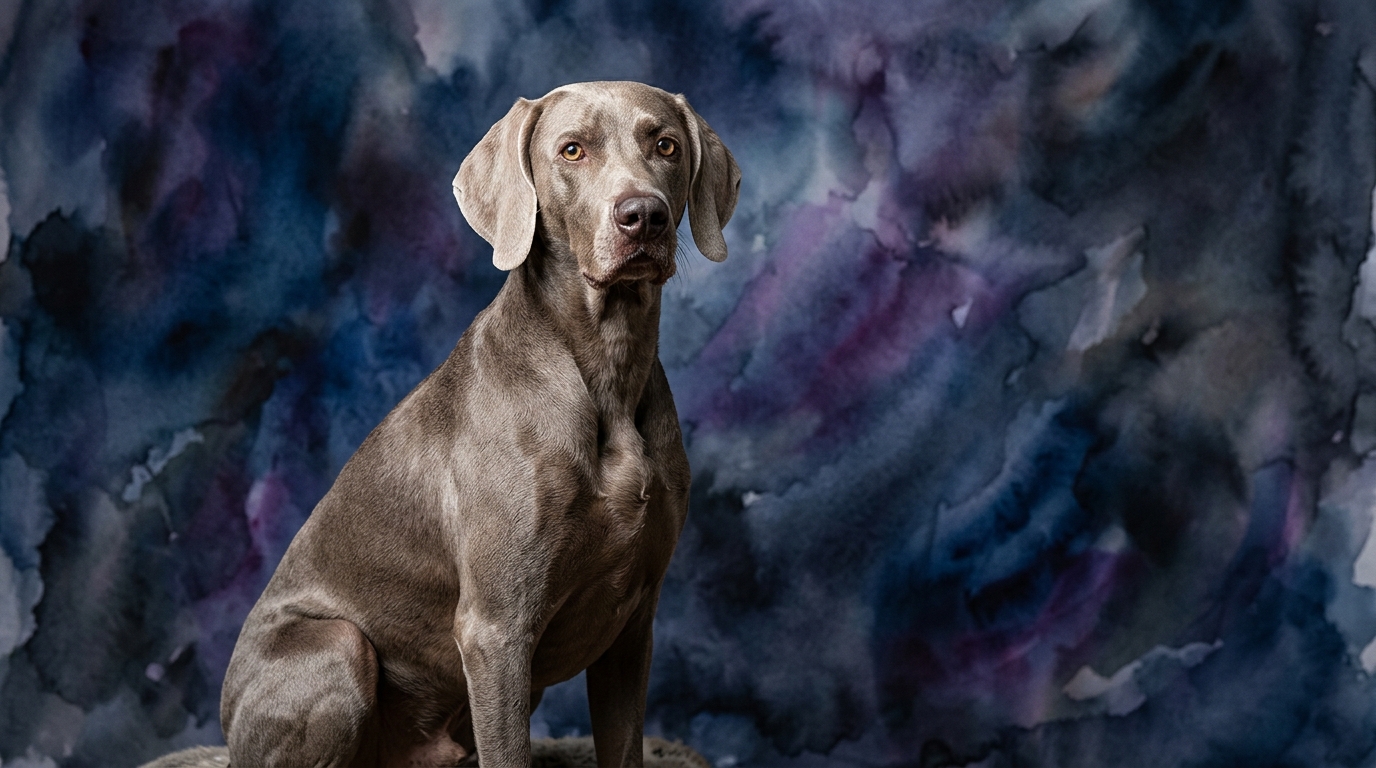
The Cosmic Pet Pet IQ Lab employs a multi-dimensional framework to assess canine intelligence, moving beyond simple obedience to encompass problem-solving, training speed, social intelligence, instinctive drive, and memory. For the Weimaraner, a Sporting group dog with a Coren rank of #21, this profile paints a picture of a capable and driven mind. Their problem-solving ability is rated 4/5, indicating a strong capacity to analyze novel situations and devise solutions, often leveraging their physical prowess and determination. Training speed also scores 4/5, reflecting a quick grasp of new commands and routines, often showing eagerness to learn. Social intelligence stands at 4/5, meaning they are very attuned to their human companions, with interactions often goal-oriented and tied to their strong bond. Their instinctive drive is a robust 5/5, manifesting as an intense desire to chase, retrieve, and work, deeply influencing their cognitive processes. Finally, memory is a solid 4/5, demonstrating robust long-term recall for commands, routes, and experiences.
In contrast, the Pug, a Toy group dog with a Coren rank of #57, presents a different cognitive emphasis. Their problem-solving ability is rated 2/5, suggesting they tend to approach challenges with less analytical rigor, often relying on established routines or human intervention. Training speed similarly scores 2/5, indicating they can take longer to master new commands, often requiring more repetition and patience. However, their social intelligence is an exceptional 5/5, excelling in understanding and responding to human emotions and social cues, often acting as keen observers of their family's moods. Their instinctive drive is a lower 2/5, possessing less inherent drive for traditional 'work' or strenuous activity, with instincts geared more towards comfort and connection. Memory for Pugs is a moderate 3/5, capable of remembering routines and beloved people, but perhaps less inclined to recall intricate sequences without frequent reinforcement.
Where the Weimaraner's Mind Shines
Weimaraners show a distinct edge in cognitive tasks demanding active engagement with the environment and a proactive approach to challenges. Their 4/5 problem-solving ability means they are more likely to independently strategize how to open a gate, retrieve a toy from a difficult spot, or navigate a complex scent trail, showcasing an adaptive mental flexibility. This contrasts with the Pug's tendency to seek human assistance, highlighting the Weimaraner's more independent intellectual approach to overcoming obstacles.
The Weimaraner's 5/5 instinctive drive is a powerful cognitive engine that fuels their focus, persistence, and capacity for sustained mental effort in tasks like scent work or complex obedience sequences. This isn't just about physical energy; it's an intrinsic motivation to 'do' and 'achieve' that significantly influences their learning and cognitive application, making them persistent learners and creative problem-solvers when a task aligns with their drives. Their robust memory (4/5) further supports this, allowing them to build upon past successes and recall intricate learned behaviors even after a long break.
Where the Pug's Mind Excels
The Pug's exceptional social intelligence (5/5) is their paramount cognitive strength. While Weimaraners understand human cues, the Pug's entire mental framework is often centered around nuanced social observation and interaction. They are masters at reading subtle shifts in human mood, anticipating needs for comfort or companionship, and adjusting their behavior to maintain harmony within their family unit. This isn't just about being affectionate; it's a deep cognitive processing of social dynamics that allows them to seamlessly integrate into family life and act as empathetic, responsive companions.
Their cognitive strengths lie less in independent task execution and more in their nuanced understanding of relational dynamics. A Pug might not figure out a puzzle toy quickly, but they will likely be the first to notice a family member's distress and respond with appropriate comforting behaviors, demonstrating a sophisticated form of emotional intelligence that underpins their social acumen. This social processing is a distinct form of mental agility, prioritizing connection and emotional well-being over physical tasks or complex independent problem-solving.
Training Dynamics: Weimaraner vs. Pug
When it comes to training, the Weimaraner's 4/5 training speed, coupled with their eagerness, focus, and drive, makes them generally quicker learners of commands and routines. They thrive on structured sessions and mental challenges, responding well to consistent, positive reinforcement that taps into their desire for purpose and their strong work ethic. However, their high instinctive drive means training needs to be engaging and channel their considerable energy, as they can become easily distracted by environmental stimuli if not properly focused. Their strong memory ensures that learned behaviors stick with sustained practice.
Pugs, with a 2/5 training speed, require more patience and consistency. They are not necessarily stubborn, but their motivations are different, often prioritizing comfort and social interaction over rigorous task completion. They respond best to training that feels like a positive social interaction, often with food rewards and gentle encouragement, rather than demanding drills. Their lower instinctive drive means they might not see the inherent 'point' in complex commands, preferring comfort. Their moderate memory (3/5) indicates that frequent, short, and fun repetitions are key to solidify learning, leveraging their high social intelligence by making training a bonding experience.
Lifestyle Suitability: Active Minds vs. Comfort Seekers
The Weimaraner's cognitive and physical needs are deeply intertwined, making them ideally suited for active owners. Those who enjoy outdoor activities, dog sports, or have a structured approach to training will find their Weimaraner's cognitive profile aligns perfectly. They require consistent outlets for their problem-solving skills and strong instinctive drives, such as advanced obedience, agility, scent work, or extensive hikes. A Weimaraner lacking sufficient mental stimulation and physical exercise is likely to channel their creative problem-solving into less desirable behaviors.
Conversely, the Pug's cognitive makeup leans towards companionship and comfort, making them a wonderful match for relaxed owners. Owners who appreciate a less demanding physical routine and prioritize social interaction and emotional connection will find a Pug a delightful and adaptable companion. Their ideal day involves napping, short strolls, and plenty of quality time with their human family, where their social intelligence can truly flourish. While they enjoy learning, it's typically within the context of a comfortable, low-stress environment that emphasizes positive interaction.
The Verdict
Choose a Weimaraner if you seek a proactive, driven companion eager for mental challenges and structured activity, capable of complex learning and independent problem-solving.
Opt for a Pug if your priority is an empathetic, socially astute companion whose contentment stems from close human connection and a relaxed, comfortable environment.
🧠 Find Your Pet's IQ Score
Our Pet IQ Lab assessment covers 25+ tests across 5 cognitive dimensions — personalized to your breed.
Take the Full IQ Test →Frequently Asked Questions
Are Weimaraners difficult to live with due to their high drive?
Weimaraners thrive when their strong instinctive drives are constructively channeled through consistent mental stimulation and physical activity. Without adequate outlets, their problem-solving skills might be directed towards undesirable behaviors, making them challenging for inactive households.
Do Pugs understand complex commands despite their lower training speed?
Pugs are capable of learning a range of commands, but their training speed is slower than some breeds. Success lies in patient, positive reinforcement and understanding their primary motivation for social connection rather than simply task completion.
Which breed is better for a first-time dog owner?
The Pug's lower physical and mental demands often make them a more forgiving choice for first-time owners seeking a companion. Weimaraners, with their significant energy and training needs, typically require a more experienced owner prepared to dedicate considerable time to their development.