Side-by-Side IQ Profile: Weimaraner vs. Skye Terrier
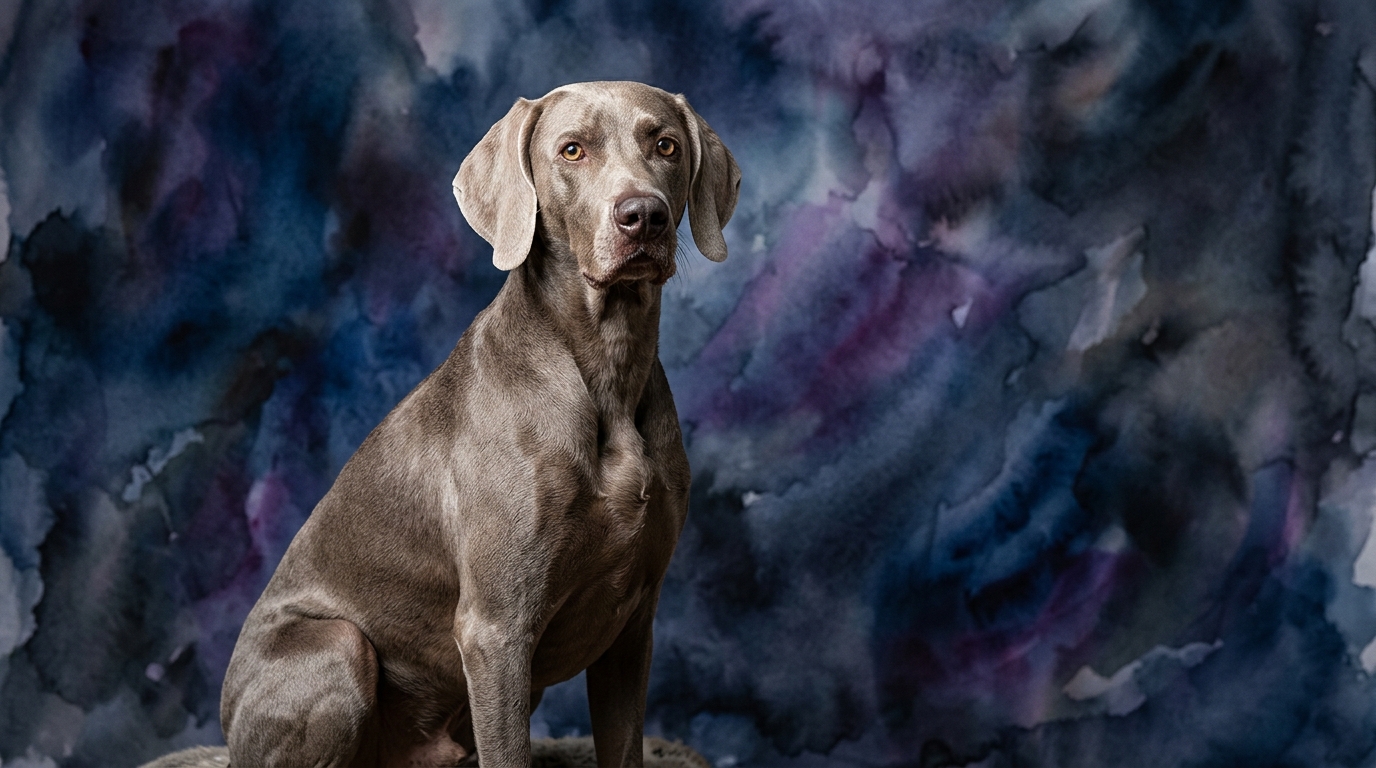
The Weimaraner, a breed often associated with swift action and keen senses, exhibits a robust cognitive profile. Its Problem Solving ability is rated 4/5, indicating a strong capacity to navigate complex situations and strategize. Training Speed also scores 4/5, suggesting a quick grasp of new commands and routines. Social Intelligence for the Weimaraner stands at 4/5, reflecting its adeptness at understanding human cues and forming strong bonds. A standout trait is its Instinctive Drive, hitting a perfect 5/5, which underscores its powerful natural impulses for hunting and tracking. Memory is also impressive at 4/5, allowing for excellent recall and retention of learned behaviors.
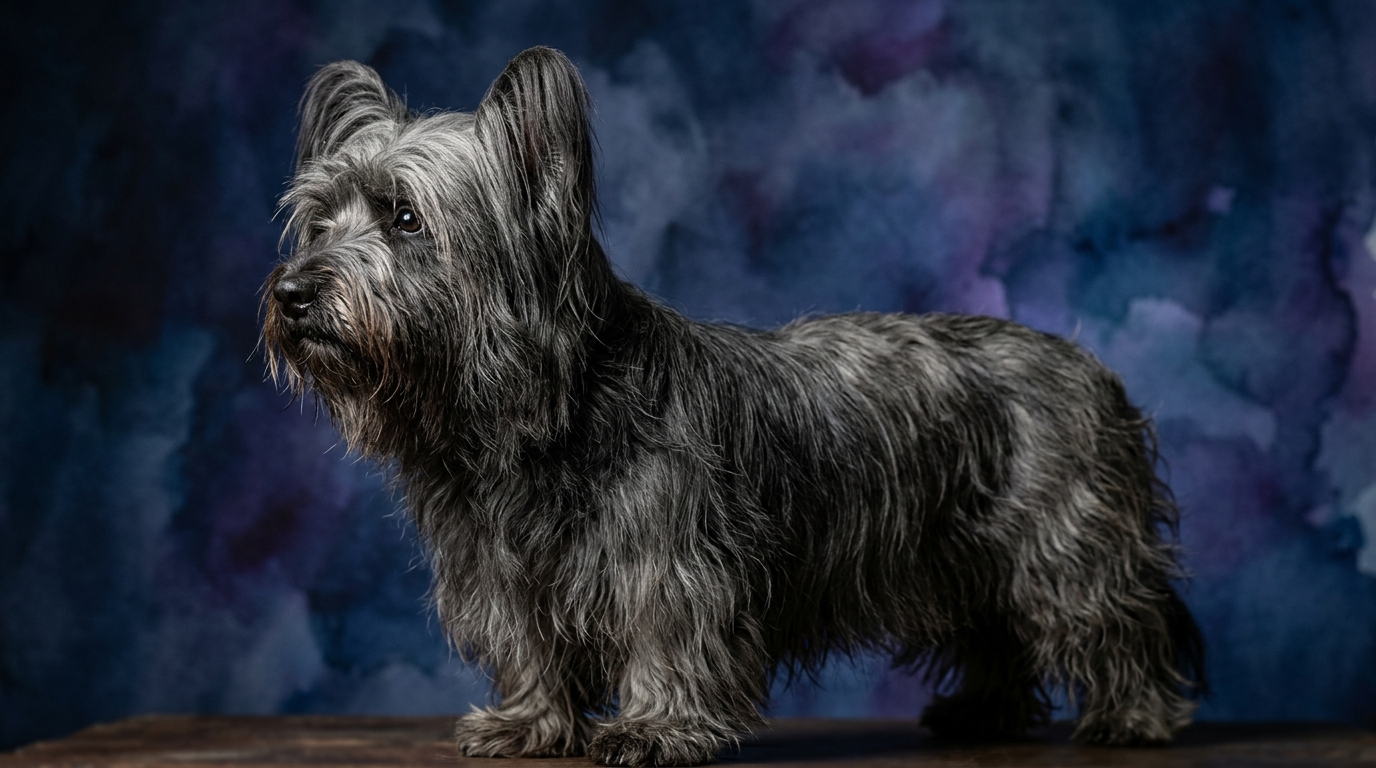
In contrast, the Skye Terrier presents a more moderate, yet distinct, intellectual landscape. Its Problem Solving ability is rated 3/5, indicating a solid but not exceptionally dominant capacity for independent thought in novel situations. Training Speed also registers 3/5, meaning it learns at a steady pace, requiring consistent and patient instruction. The Skye Terrier's Social Intelligence is 3/5, suggesting it understands its human companions but may exhibit a more independent or reserved demeanor. Its Instinctive Drive is 3/5, present but less intense than the Weimaraner's, leaning towards typical terrier tenacity rather than expansive hunting. Memory, at 3/5, allows it to retain information adequately, though perhaps not with the same immediate recall as a Weimaraner.
Where the Weimaraner Excels Cognitively
The Weimaraner's cognitive strengths are evident across the board, particularly in areas demanding quick processing and intense focus. Its superior Problem Solving (4/5) means it can independently figure out how to open gates, retrieve objects from tricky spots, or navigate complex scent trails, often with remarkable efficiency. This translates into a dog that requires mental challenges to prevent boredom and destructive behaviors; simply exercising its body isn't enough. Owners will find the Weimaraner actively seeking engagement and often anticipating next steps in routines or games.
The Weimaraner's Instinctive Drive (5/5) is its defining cognitive characteristic, powering its exceptional capabilities in field work. This isn't just about physical energy; it's a deep-seated mental programming for prey drive, tracking, and retrieving that requires an outlet. This intense drive fuels its focus and determination, making it relentless in pursuing a task once engaged. This cognitive predisposition also contributes to its strong Memory (4/5) in practical contexts, as it readily recalls commands and patterns associated with its driven activities, reinforcing its ability to perform complex sequences over time. Its high Social Intelligence (4/5) also means it keenly observes and adapts to human emotions and intentions, making it highly responsive to its handler's cues during tasks.
Distinct Cognitive Traits of the Skye Terrier
While not scoring as high in traditional 'working dog' metrics, the Skye Terrier's cognitive profile offers a different set of advantages for specific lifestyles. Its moderate Instinctive Drive (3/5), for instance, means it possesses the characteristic terrier tenacity for digging or chasing small vermin, but it often expresses this with less overwhelming intensity compared to breeds with a 5/5 drive. This can result in a dog that is less prone to certain obsessive behaviors if not given an outlet, and generally easier to manage in a typical household environment without constant, high-octane mental engagement.
The Skye Terrier's Problem Solving and Training Speed at 3/5 suggest a dog that is capable of learning and adapting, but without the inherent need to constantly 'outsmart' its environment or its owner. This cognitive independence can be a benefit for owners who appreciate a dog with a more self-contained personality, one that isn't constantly demanding mental puzzles or intricate training sessions. Its Social Intelligence at 3/5 indicates it forms strong bonds but often maintains a dignified reserve, making it less prone to separation anxiety and more comfortable with periods of quiet contemplation, a trait some owners find highly appealing in a companion.
Training Dynamics: Weimaraner vs. Skye Terrier
When it comes to ease of training, the Weimaraner (Training Speed 4/5) holds a significant advantage. Their quick grasp of commands and high motivation to please, coupled with their strong Memory (4/5), means they typically learn new tasks rapidly and retain them well. However, this ease comes with a caveat: their high Problem Solving (4/5) and Instinctive Drive (5/5) mean they also learn undesirable behaviors quickly if not properly directed. They require consistent, firm, and engaging training from a young age to channel their considerable mental energy constructively, preventing them from applying their problem-solving skills to mischief like counter-surfing or escaping.
The Skye Terrier (Training Speed 3/5) requires a more patient and persistent approach. Their moderate Training Speed means they will learn, but it may take more repetitions and a less hurried pace. Their independent nature, reflected in their Social Intelligence (3/5) and typical terrier stubbornness, means they respond best to positive reinforcement and clear, consistent boundaries rather than harsh methods. Owners should be prepared for a dog that might 'think' about a command before executing it, rather than instantly complying. Their lower Instinctive Drive (3/5) compared to the Weimaraner suggests they might be less distracted by intense external stimuli during training, provided the session itself is engaging enough to hold their interest.
Suitability for Active vs. Relaxed Lifestyles
For owners leading an active lifestyle, the Weimaraner is an almost perfect match. Its exceptional Instinctive Drive (5/5), combined with high Problem Solving (4/5) and Memory (4/5), means this breed thrives on strenuous physical activity combined with mental challenges. They excel in dog sports like agility, obedience, tracking, and field trials, and require daily opportunities to run, explore, and engage their minds. A Weimaraner without sufficient outlets for its cognitive and physical energies will quickly become bored, potentially manifesting in destructive chewing, excessive barking, or anxiety. They are ideal companions for hikers, runners, and those who enjoy extensive outdoor adventures.
Conversely, the Skye Terrier, with its more moderate IQ profile (all 3/5 scores), aligns better with relaxed or moderately active owners. While they enjoy walks and playtime, their need for vigorous exercise and intense mental stimulation is not as demanding as the Weimaraner's. Their lower Instinctive Drive (3/5) means they are generally content with a couple of daily strolls and indoor play, making them suitable for apartment living or homes with smaller yards. Owners who appreciate a calm, dignified presence and are looking for a loyal companion who enjoys quiet evenings as much as a good walk will find the Skye Terrier's temperament and cognitive needs a better fit. They still benefit from consistent mental engagement through puzzle toys and short training sessions, but without the unrelenting demand for constant activity.
The Verdict
Choose the Weimaraner if you are an active, experienced owner ready to provide extensive physical exercise and consistent, engaging mental challenges for a highly driven and responsive companion.
Opt for the Skye Terrier if you prefer a more independent, dignified dog with moderate exercise needs, valuing a loyal companion who thrives on consistent, patient training and a calmer home environment.
🧠 Find Your Pet's IQ Score
Our Pet IQ Lab assessment covers 25+ tests across 5 cognitive dimensions — personalized to your breed.
Take the Full IQ Test →Frequently Asked Questions
Is the Weimaraner prone to certain behavioral issues due to its high drive?
Yes, a Weimaraner's intense Instinctive Drive (5/5) and high Problem Solving (4/5) can lead to issues like excessive barking, destructive chewing, or escape attempts if their mental and physical needs are not adequately met. Consistent training and ample enrichment are crucial to channel their energy positively.
How does the Skye Terrier's 'social intelligence' influence its interaction with families?
The Skye Terrier's Social Intelligence (3/5) suggests it forms deep bonds with its family but may be more reserved or discerning with strangers. They are loyal and affectionate with their inner circle but typically not overtly effusive, appreciating a calm and predictable social environment.
Can a Skye Terrier participate in dog sports despite its lower IQ scores?
Absolutely, while a Skye Terrier's scores are moderate, their Training Speed (3/5) and Problem Solving (3/5) indicate they are capable learners. They can enjoy and perform well in dog sports like obedience or rally, especially with patient, positive reinforcement, though they might not reach the same competitive speeds as a Weimaraner.