Side-by-Side Cognitive Profile
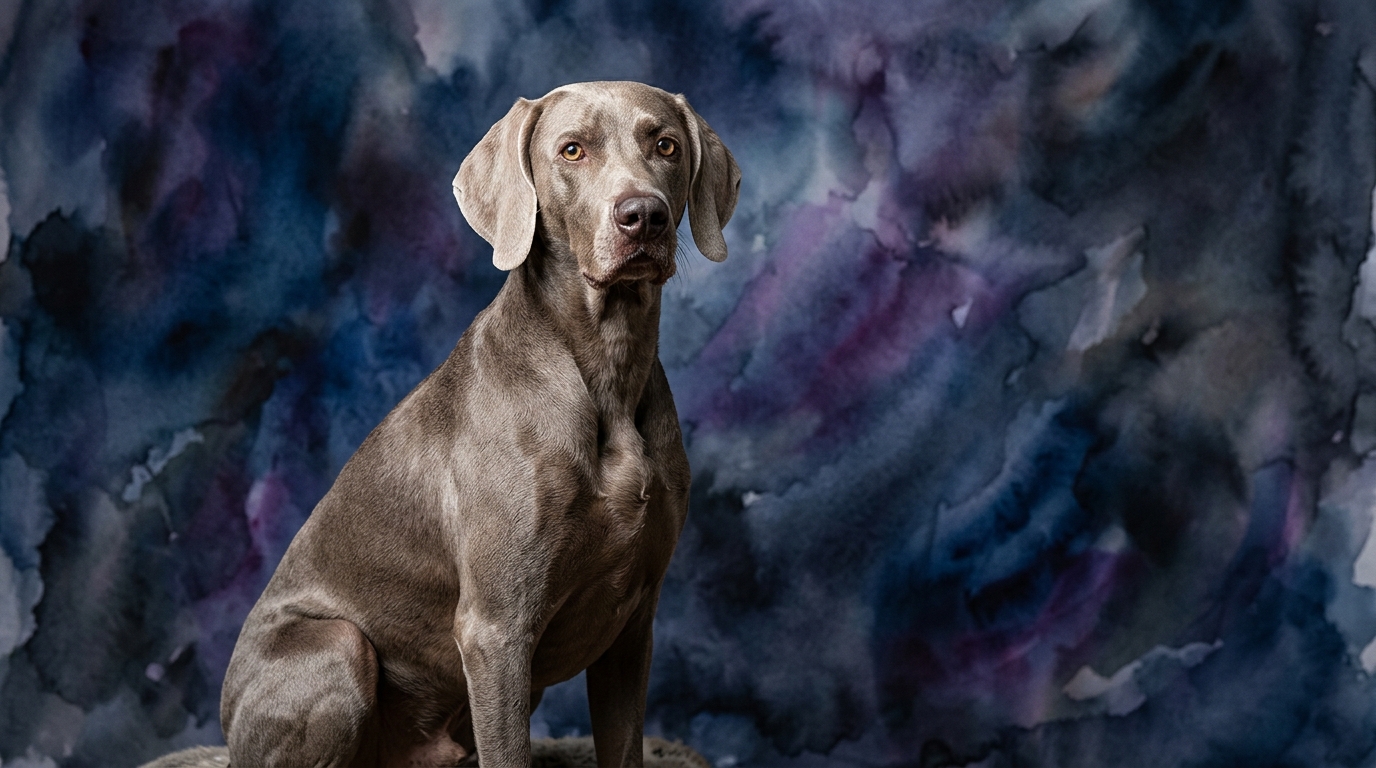
The Cosmic Pet Pet IQ Lab provides a detailed lens through which to compare the mental architectures of these two fascinating breeds. The Weimaraner, a Sporting group member with a Coren rank of #21, showcases a profile geared towards efficiency and purpose. Its Problem Solving is rated at 4/5, indicating a strong capacity to analyze and navigate complex situations, often devising effective strategies. Training Speed also stands at 4/5, reflecting its quick uptake of new commands and routines, often requiring minimal repetition. Social Intelligence is equally strong at 4/5, allowing for nuanced understanding of human cues and deep familial bonds. An exceptional Instinctive Drive of 5/5 highlights its profound motivation for activities like scenting and retrieving, rooted deeply in its heritage. Finally, its Memory at 4/5 ensures that learned skills and experiences are retained reliably over time.
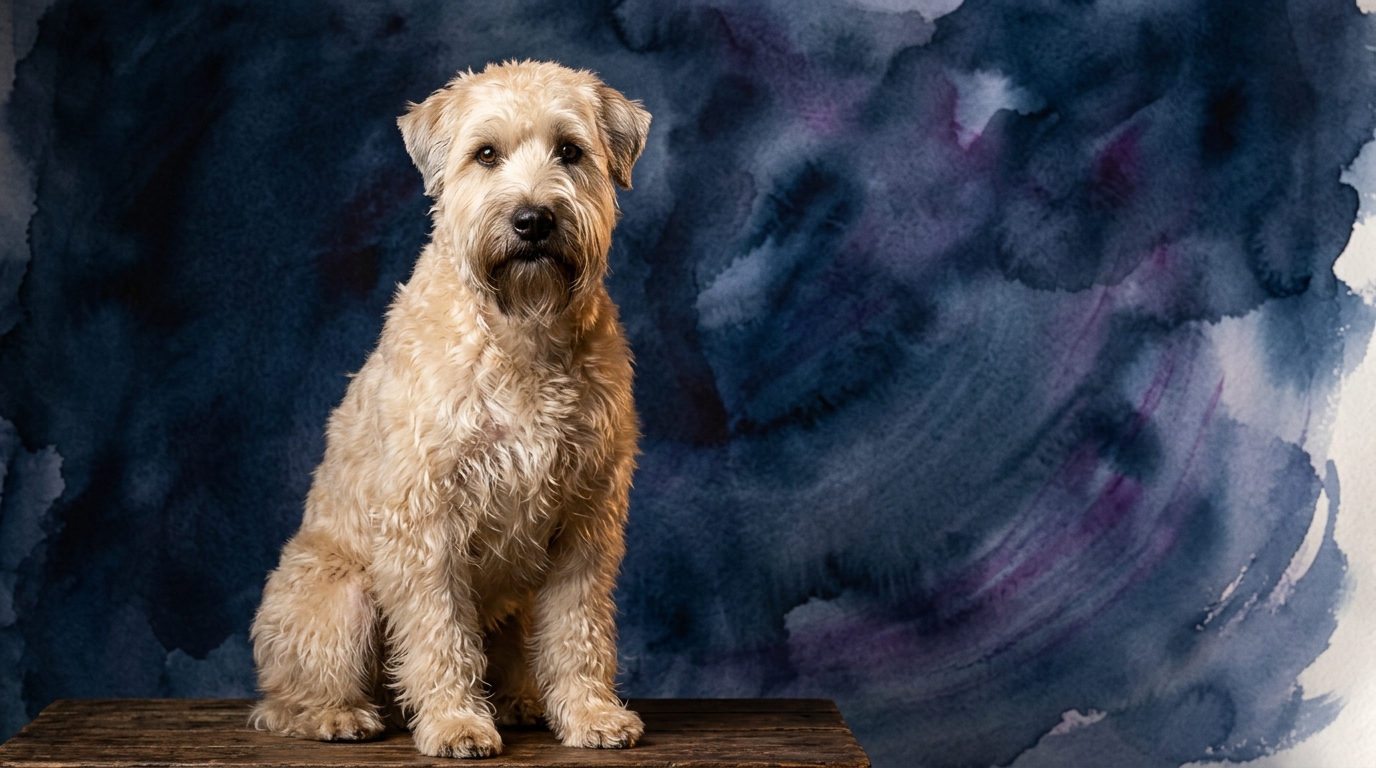
In contrast, the Soft Coated Wheaten Terrier, a Terrier group member without a Coren ranking, presents a more moderate, yet equally engaging, cognitive blueprint. Its Problem Solving ability is rated 3/5, suggesting a capable but perhaps less independently strategic approach to novel challenges, often relying on learned responses or human guidance. Training Speed is also 3/5, indicating a steady learning pace that benefits from consistent, patient instruction, rather than rapid assimilation. Social Intelligence at 3/5 points to a friendly and affectionate nature, though perhaps with less subtle interpretation of complex human emotions compared to some breeds. Its Instinctive Drive is 3/5, reflecting a moderate level of terrier-typical energy and curiosity, without the intense focus on specific tasks seen in dedicated working breeds. Memory, also at 3/5, allows for good retention of familiar routines and commands, though less frequently practiced skills might require refreshers.
Where the Weimaraner Wins Cognitively
The Weimaraner's cognitive profile paints a picture of a highly adaptable and driven canine partner. Their superior Problem Solving (4/5) means they can quickly assess and navigate new situations, whether it's figuring out how to open a gate or understanding a multi-step command sequence. This translates to an ability to learn complex tasks and thrive in environments that offer mental stimulation. Coupled with their exceptional Instinctive Drive (5/5), Weimaraners excel in activities that tap into their innate hunting and retrieving capabilities, making them natural candidates for advanced scent work, agility, and field trials. They don't just follow commands; they often anticipate and initiate actions related to their inherent purpose. Furthermore, their strong Social Intelligence (4/5) allows them to form incredibly tight bonds and respond keenly to subtle human cues, often appearing to understand their owner's unspoken intentions. This makes them highly communicative companions who are deeply attuned to their family's emotional landscape, offering comfort or playful engagement as appropriate. Their robust Memory (4/5) ensures that once a lesson is learned, it is retained, building a reliable foundation for advanced training and consistent behavior over time.
Where the Soft Coated Wheaten Terrier Wins Cognitively
While the Soft Coated Wheaten Terrier's IQ scores are generally moderate, their cognitive strengths lie in a different blend of qualities that make them uniquely charming and resilient. Their balanced Instinctive Drive (3/5) means they possess enough energy for engaging play and outdoor adventures without the overwhelming intensity sometimes seen in breeds with higher drives. This translates to a dog that is enthusiastic and fun-loving, but also capable of settling down indoors without constant, rigorous mental work. Their moderate Social Intelligence (3/5) contributes to their generally amicable and outgoing nature; they enjoy interactions with people and other dogs, often approaching new acquaintances with an infectious exuberance. While they may not read every nuanced human emotion, their straightforward affection and playful demeanor are a source of joy. The Wheaten's Problem Solving (3/5) and Training Speed (3/5) might suggest a slower learning curve for complex tasks, but it also implies a less demanding mental upkeep. They are perfectly capable of learning household manners and basic commands, and their persistent, cheerful attitude often makes up for any lack of immediate brilliance. This moderate cognitive profile makes them highly suitable for owners who appreciate a dog with a good sense of fun and a less intense need for constant mental challenges.
Which is Easier to Train, and Why?
Based on The Cosmic Pet Pet IQ Lab's metrics, the Weimaraner is demonstrably easier to train than the Soft Coated Wheaten Terrier. The Weimaraner's Training Speed (4/5) indicates a rapid assimilation of new information and commands, meaning fewer repetitions are needed for them to understand and perform desired behaviors. Their high Problem Solving (4/5) further aids this, as they can generalize learned concepts to new situations more readily. For example, a Weimaraner might quickly understand that "stay" applies whether you're in the living room or at the park. This is further bolstered by their strong Memory (4/5), ensuring that once a command is learned, it sticks, leading to more reliable recall and consistent performance over time.
In contrast, the Soft Coated Wheaten Terrier's Training Speed (3/5) suggests a more gradual learning process. Their independent terrier spirit means they may require more patience and consistency, often needing more repetitions before a behavior becomes ingrained. For instance, while a Wheaten will learn "sit," they might test boundaries or get distracted more easily, requiring an owner to be more persistent. Their Problem Solving (3/5) means they might not figure out complex new tasks as quickly, and their moderate Memory (3/5) implies that less frequently practiced commands might need regular refreshers. While Wheatens are certainly trainable, their process often involves a more steadfast and encouraging approach from the owner, rather than the rapid uptake seen in a Weimaraner.
Suitability for Active vs. Relaxed Owners
The Weimaraner, with its exceptional Instinctive Drive (5/5), higher Problem Solving (4/5), and robust Training Speed (4/5), is undeniably suited for active owners. This breed thrives when given a purpose and ample opportunities to expend its considerable physical and mental energy. Owners who enjoy long runs, hiking, dog sports like agility or dock diving, or even hunting, will find a Weimaraner to be an enthusiastic and capable partner. Their strong memory and social intelligence also mean they benefit greatly from consistent interaction and advanced training that challenges their minds. A Weimaraner without sufficient outlets for its drive can become bored, potentially leading to destructive behaviors or excessive vocalization.
The Soft Coated Wheaten Terrier, characterized by its moderate Instinctive Drive (3/5), Problem Solving (3/5), and Training Speed (3/5), is a better fit for owners who appreciate a lively companion but may not lead an intensely high-octane lifestyle. While Wheatens are active and enjoy playtime, walks, and romps in the yard, they generally don't demand the same level of rigorous daily exercise or complex mental engagement as a Weimaraner. They are happy to participate in family activities and enjoy a good game of fetch, but are also content to cuddle on the couch after a moderate walk. Their independent streak means they can entertain themselves to some extent, making them more adaptable to owners who might have a slightly more relaxed schedule, as long as daily interaction and exercise are still provided.
The Verdict
Choose the Weimaraner if you're an active individual or family seeking a highly trainable, driven, and mentally engaged canine partner for advanced training, dog sports, or a working role.
Choose the Soft Coated Wheaten Terrier if you desire a cheerful, affectionate, and playful companion who enjoys daily activity but doesn't require constant intense mental stimulation or highly demanding physical outlets.
🧠 Find Your Pet's IQ Score
Our Pet IQ Lab assessment covers 25+ tests across 5 cognitive dimensions — personalized to your breed.
Take the Full IQ Test →Frequently Asked Questions
Are Weimaraners good with children?
Weimaraners, with their high social intelligence and strong bond with family, can be wonderful with children, especially if raised together. However, their high energy and potential for exuberance mean supervision is crucial, particularly with very young children, to prevent accidental knocking over during play.
Do Soft Coated Wheaten Terriers bark a lot?
Soft Coated Wheaten Terriers can be prone to barking, especially when excited or when alerting to strangers, reflecting their terrier heritage. Consistent training from a young age can help manage excessive barking, but owners should be prepared for some vocalizations.
Which breed requires more grooming?
The Soft Coated Wheaten Terrier typically requires more extensive grooming due to its unique soft, silky single coat, which needs regular brushing to prevent matting. Weimaraners, with their short, smooth coat, are much lower maintenance in terms of grooming needs, usually only requiring occasional brushing.