Side-by-Side IQ Profile: Weimaraner vs. Swedish Vallhund
The Cosmic Pet Pet IQ Lab assesses canine intelligence across five key dimensions, providing a granular view of each breed's cognitive strengths. Let's delve into how the Weimaraner and Swedish Vallhund stack up.
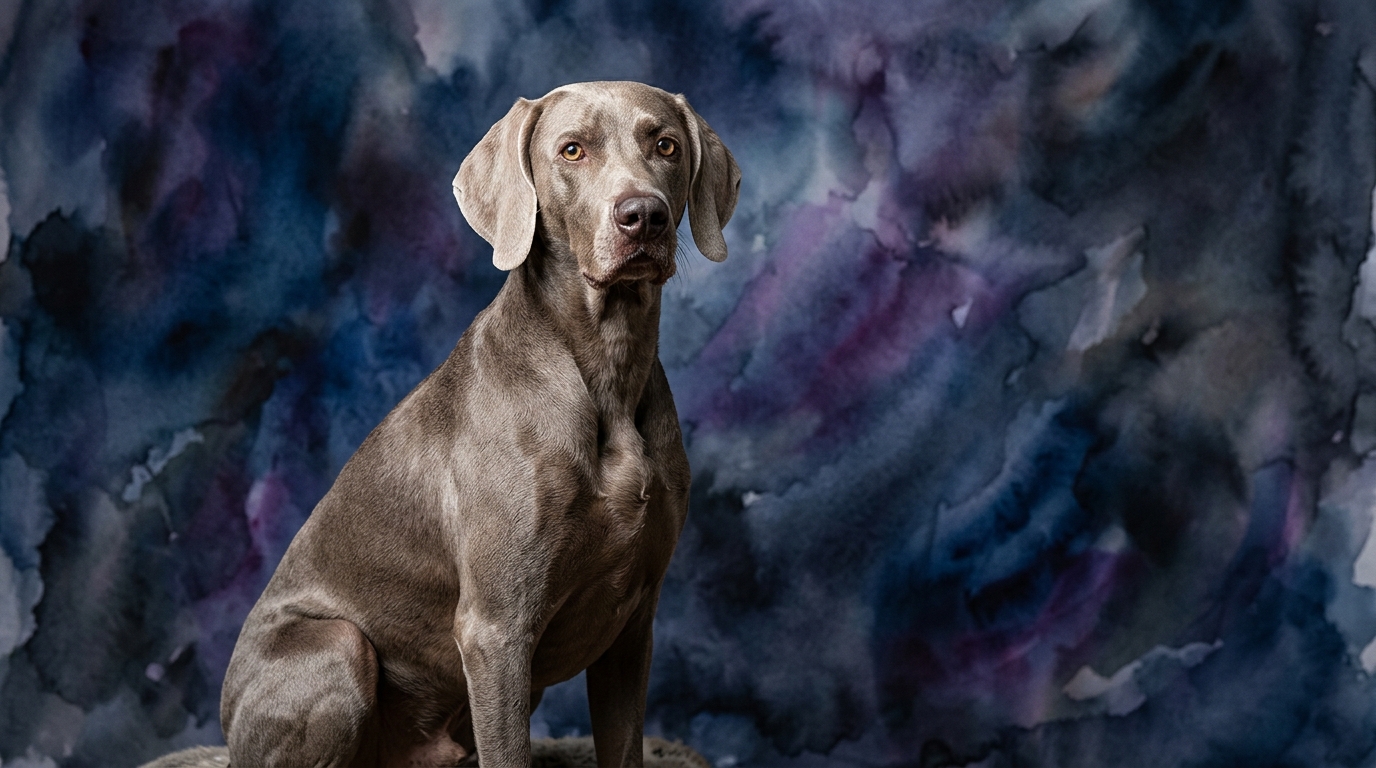
**Weimaraner (Sporting Group, Coren Rank #21):** This breed often demonstrates an aptitude for figuring out novel situations, whether it's opening a tricky gate latch or strategizing during complex scent work, earning a **Problem Solving score of 4/5**. Their cognitive flexibility allows them to adapt quickly to new challenges and learn from experience, often developing their own methods to achieve a desired outcome. Weimaraners typically grasp new commands and routines with impressive swiftness, reflecting a **Training Speed of 4/5**. Their eagerness to engage with their handler, combined with a quick mental processing speed, means they can move through training progressions at a rapid pace, often excelling in obedience and advanced tasks. Known for their strong bond with their human families, Weimaraners are perceptive readers of human emotion and body language, achieving a **Social Intelligence score of 4/5**. They often anticipate their owner's intentions and respond accordingly, making them highly attuned companions who seek close interaction and collaboration. This dimension underpins their often-cited 'velcro dog' reputation. The Weimaraner's hunting heritage manifests as a powerful, almost relentless drive, earning an **Instinctive Drive of 5/5**. This energy is channeled into pursuits like tracking, retrieving, and focused outdoor activity. This deep-seated inclination requires substantial outlets and structured engagement to prevent it from finding less desirable expressions. Weimaraners exhibit robust memory capabilities, retaining complex sequences of commands, learned routes, and past experiences with clarity, reflected in their **Memory score of 4/5**. This strong recall contributes significantly to their training progress and their ability to navigate familiar environments and routines effectively.
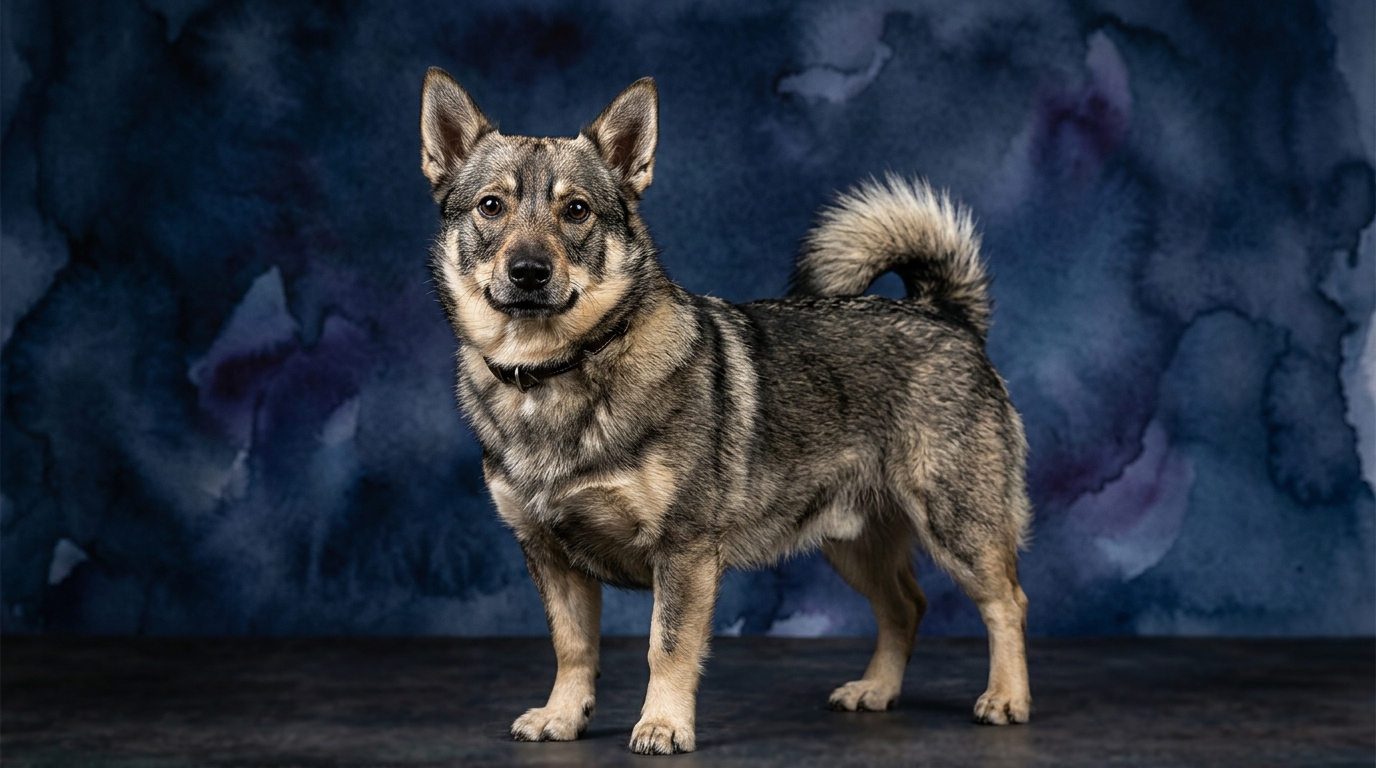
**Swedish Vallhund (Herding Group, Not Coren-ranked):** While capable, the Swedish Vallhund typically approaches problem-solving with a more methodical, less spontaneous style compared to the Weimaraner, receiving a **Problem Solving score of 3/5**. They might require more repetition or clearer guidance to master a novel puzzle, but once a solution is learned, they apply it consistently. Vallhunds respond well to training, but their learning curve is often more gradual, earning a **Training Speed score of 3/5**. They benefit from patient, consistent instruction and positive reinforcement. While they might not pick up a new trick in a single session, their dedication to learned tasks ensures steady progress over time. Vallhunds are affectionate and connected to their families, but their social intelligence leans towards a watchful, observant nature rather than the Weimaraner's intense desire for constant collaboration, scoring a **Social Intelligence of 3/5**. They are good at reading their family's mood but might not be as overtly demonstrative or anticipatory of human cues. Their herding background imbues Vallhunds with an instinct to gather and manage, leading to an **Instinctive Drive of 3/5**. This drive is typically expressed through nipping at heels (often playfully), vigilance, and an interest in controlling movement. It's present and requires an outlet but is generally more contained and less overwhelming than the Weimaraner's hunting drive. Swedish Vallhunds possess a reliable memory for routines, commands, and familiar people and places, reflected in their **Memory score of 3/5**. They thrive on predictability and remember their learned roles within the household, though they might not retain complex, multi-step sequences as effortlessly as a breed with a higher memory score.
Where the Weimaraner Wins Cognitively
The Weimaraner's cognitive edge is particularly evident in its ability to process information rapidly and apply it dynamically. Their 4/5 problem-solving score means they are less likely to get stuck on a novel challenge, often experimenting with different approaches until a solution is found. This translates into dogs who can adapt quickly to changes in training exercises or environmental stimuli, making them adept partners for competitive dog sports that demand quick thinking and precise execution.
Furthermore, their 5/5 instinctive drive is a powerful engine for learning and performance. Unlike a generic drive, this is a highly focused and persistent mental energy that, when properly channeled, fuels intense concentration and an unwavering desire to complete tasks related to their sporting heritage. This translates into a dog that not only learns quickly but also sustains its effort through challenging scenarios, demonstrating a mental tenacity that is a hallmark of top working breeds. Their 4/5 social intelligence also means they are constantly seeking to understand and engage with their handler, making them highly responsive to subtle cues and fostering a deep, collaborative training relationship.
Where the Swedish Vallhund Wins Cognitively
While the Weimaraner excels in dynamic problem-solving, the Swedish Vallhund's cognitive strengths lie in areas demanding consistency, observational awareness, and a steady, predictable application of skills. Their 3/5 social intelligence, while not as overtly collaborative as the Weimaraner's, allows them to maintain a watchful presence within the family unit, often acting as diligent guardians who are quick to notice anything out of the ordinary. This translates into a dog that is reliably aware of its surroundings and its human's well-being, providing a stable and attentive companionship.
The Vallhund's 3/5 instinctive drive, rooted in herding, manifests as a focused determination in managing space and movement, albeit without the intense prey drive of a sporting dog. This means they are often methodical in their approach to tasks, preferring structured routines and clear boundaries. Their cognitive advantage here is in their ability to maintain vigilance and perform repetitive, yet crucial, tasks with unwavering dedication, making them excellent candidates for activities like agility or rally obedience where precision and sustained attention are valued. They might take longer to learn, but once a task is mastered, their recall (3/5) ensures consistent performance.
Which Is Easier to Train and Why
From a pure metrics perspective, the Weimaraner presents as the 'easier' dog to train for a wider range of complex tasks due to its higher scores across the board, particularly in training speed (4/5) and problem-solving (4/5). These dogs often pick up new commands in fewer repetitions and can generalize learned behaviors to new situations more readily. Their profound instinctive drive (5/5) means they possess a natural eagerness to work and a deep desire to engage in activities that mimic their hunting heritage, making them highly motivated students when these drives are properly channeled. Their strong social intelligence (4/5) further enhances trainability, as they are constantly tuned into their handler's intentions and eager to please, often anticipating commands before they are even fully given.
The Swedish Vallhund, with its 3/5 scores in training speed and problem-solving, requires a more patient and consistent approach. They learn effectively, but typically at a slower pace, needing more repetitions and clearer, more structured lessons to solidify new behaviors. While they possess an instinctive drive (3/5) related to herding, it’s generally less intense and more focused on specific spatial management behaviors compared to the Weimaraner's broad, powerful hunting instincts. This means trainers need to be adept at finding the right motivators and breaking down tasks into smaller, manageable steps. Their independence, a characteristic of many herding breeds, means they might not possess the same inherent desire to constantly collaborate with their handler as the Weimaraner, requiring more effort to maintain focus and engagement during training sessions.
Which Suits Active Owners vs. Relaxed Owners
For owners who embrace an intensely active lifestyle, the Weimaraner is an ideal match. Their 5/5 instinctive drive and high problem-solving capacity demand constant physical and mental engagement. These dogs thrive on long runs, demanding scent work, field trials, and complex obedience routines. A Weimaraner who isn't adequately challenged will often invent its own 'activities,' which can manifest as destructive chewing, excessive barking, or developing separation distress due to their strong social intelligence leading to an intense need for companionship. They are partners for adventure, requiring an owner willing to dedicate significant daily time to structured exercise and mental stimulation.
The Swedish Vallhund, while also an active breed stemming from its herding origins, can be a better fit for owners whose activity levels are consistent but perhaps less extreme than what a Weimaraner requires. Their 3/5 instinctive drive means they appreciate regular walks, opportunities for structured play, and engagement in dog sports like agility or herding trials, but they might not need the same relentless pace. Their problem-solving and training speed scores of 3/5 suggest they benefit from consistent, moderate mental challenges rather than a constant barrage of novel, high-intensity tasks. A Vallhund can adapt to a home with a more relaxed rhythm, provided their needs for routine activity and some form of 'work' (even if it's just learning new tricks) are met, making them suitable for active families who enjoy daily outings but aren't necessarily training for marathons or hunting competitions every weekend.
The Verdict
Choose the Weimaraner if you are an experienced, highly active owner seeking a deeply collaborative and driven canine partner for intense sports, hunting, or advanced obedience, prepared to commit significant time to their physical and mental stimulation.
Opt for the Swedish Vallhund if you appreciate a watchful, consistent companion with a methodical approach to learning, and can provide regular, structured activity and patient training for a dog with a strong herding heritage.
🧠 Find Your Pet's IQ Score
Our Pet IQ Lab assessment covers 25+ tests across 5 cognitive dimensions — personalized to your breed.
Take the Full IQ Test →Frequently Asked Questions
Do Weimaraners really need that much exercise to be well-behaved?
Yes, their 5/5 instinctive drive means they possess a deep-seated need for physical exertion and mental engagement. Without sufficient outlets, this energy can manifest as anxiety or destructive behaviors, as they will seek their own stimulation.
Is a Swedish Vallhund a good choice for a first-time dog owner?
A Vallhund can be suitable for a first-time owner who is committed to patient, consistent training and understands their herding instincts. Their moderate energy and social intelligence make them manageable, but their need for structure shouldn't be underestimated.
How do their memory differences impact daily life?
A Weimaraner's 4/5 memory allows them to quickly recall complex commands and routines, making advanced training smoother. A Vallhund's 3/5 memory means they retain information reliably but might require more repetition to embed new, intricate sequences, thriving more on consistent routines.