Side-by-Side Cognitive Profile
The Cosmic Pet Pet IQ Lab assesses canine intelligence across five key dimensions, providing a granular view of each breed's cognitive strengths.
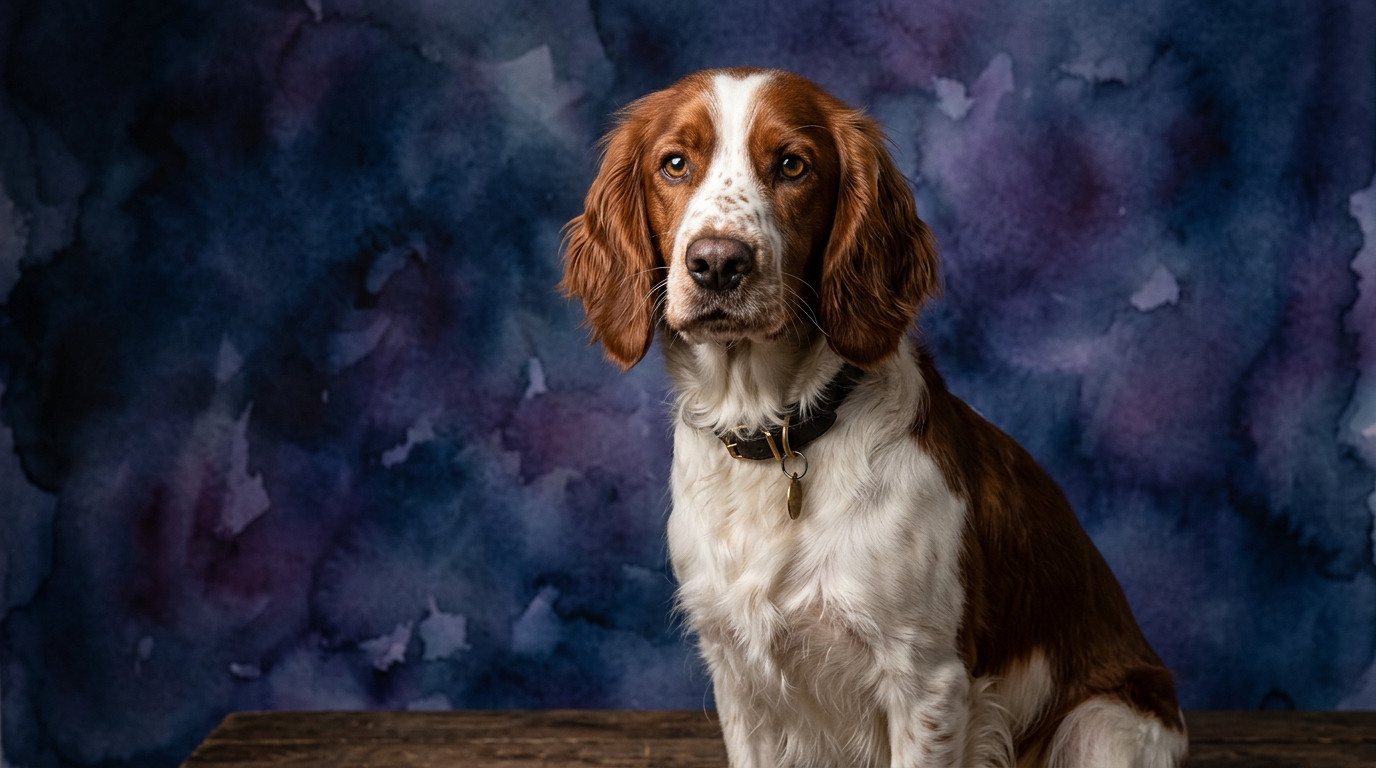
For the Welsh Springer Spaniel (Sporting group, Coren rank #31), their Problem Solving is rated 4/5, indicating an aptitude for practical challenges, especially those involving scent work or retrieving. Training Speed also scores 4/5, reflecting their quick grasp of commands and routines, often driven by a desire to please. Social Intelligence, at 3/5, highlights their capacity for harmonious interaction within their family and attentiveness to handler cues. An Instinctive Drive of 3/5 points to their moderate yet purposeful drive for hunting and tracking. Finally, their Memory is strong at 4/5, allowing them to retain complex information and experiences.
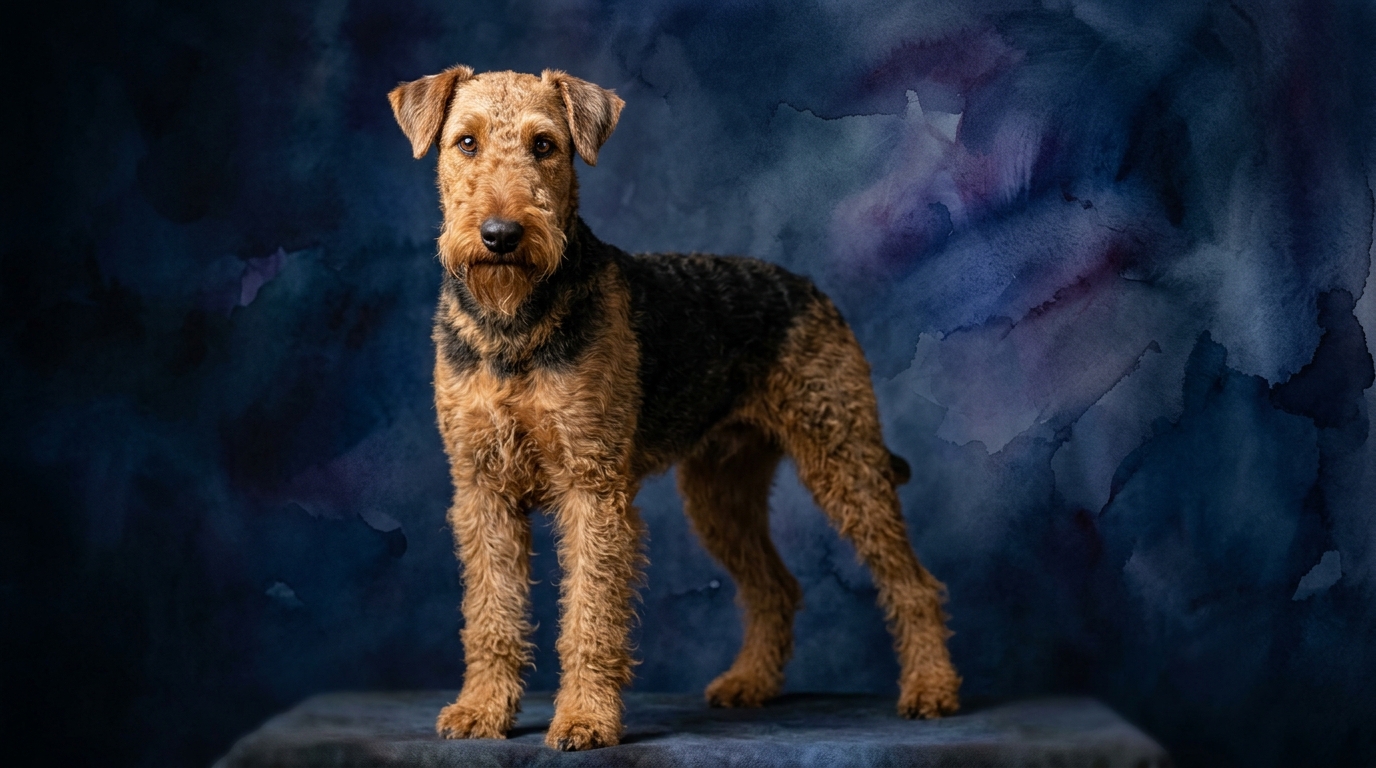
The Airedale Terrier (Terrier group, Coren rank #29) shares identical scores across these dimensions. Their Problem Solving is 4/5, showcasing an independent and tenacious approach to overcoming obstacles. Training Speed at 4/5 means they learn efficiently, though their independent streak requires engaging methods. Social Intelligence, rated 3/5, suggests confident interactions with a discerning loyalty to their family. An Instinctive Drive of 3/5 manifests as a persistent pursuit of perceived targets, rooted in their hunting heritage. Their Memory, also 4/5, supports their adaptability and ability to recall successful strategies over time. While the quantitative scores are identical, the qualitative expression of these traits often differs significantly between the breeds.
Where the Welsh Springer Spaniel Wins Cognitively
Despite identical numerical scores, the Welsh Springer Spaniel often presents a cognitive advantage in tasks requiring sustained, cooperative focus with a human partner. Their Sporting group heritage has refined their ability to work *with* a handler over long periods, interpreting subtle body language and vocal cues to execute complex retrieving or tracking patterns. This breed's problem-solving (4/5) and memory (4/5) are particularly adept at remembering multiple retrieves in challenging terrains or following intricate scent trails, demonstrating a biddable application of their intellect. Their social intelligence (3/5) is finely tuned for handler attentiveness, making them exceptionally responsive to direction during collaborative activities, which can feel like a cognitive “win” for owners seeking a highly synchronous working relationship.
Where the Airedale Terrier Wins Cognitively
The Airedale Terrier, with its slightly higher Coren rank (#29 vs. #31) and terrier background, often shines in cognitive challenges demanding independent thought and persistent, self-directed problem-solving. Their problem-solving (4/5) and instinctive drive (3/5) combine to create a dog that can strategize effectively to achieve a goal, whether it's figuring out how to bypass a gate or locate a hidden toy using their keen senses, often without constant human direction. This breed's memory (4/5) is excellent for recalling successful independent tactics and for retaining knowledge gained through exploration and trial-and-error. While their social intelligence (3/5) may appear less overtly handler-focused than a spaniel's, it is robust in navigating their environment and asserting their presence, making them adept at assessing situations and acting decisively.
Which is Easier to Train and Why
While both breeds share a “Training Speed” score of 4/5, the Welsh Springer Spaniel is generally perceived as easier to train for foundational obedience and cooperative tasks due to inherent behavioral differences. Welsh Springers possess a strong desire to please their owners, a hallmark of many sporting breeds, which translates into a more eager and consistent response to commands and a higher tolerance for repetitive drills. Their biddable nature and lower independent streak mean they are often more forgiving of handler errors and quicker to form positive associations with structured learning.
In contrast, the Airedale Terrier, despite its equally high capacity for learning, often presents a greater training challenge due to its independent and tenacious terrier temperament. Airedales were bred to work autonomously, often far from a handler, and to persist in their tasks, which can manifest as stubbornness or a selective hearing when their own interests diverge from the training agenda. Their strong instinctive drive (3/5) for hunting and exploring means distractions can be more potent, requiring more engaging, varied, and patient training methods to maintain their focus and respect, even if they grasp concepts quickly. Effectively training an Airedale often requires an owner who can consistently outwit and out-motivate their clever, self-reliant nature.
Which Suits Active Owners vs. Relaxed Owners
Neither the Welsh Springer Spaniel nor the Airedale Terrier is suited for truly relaxed, sedentary owners; both are active breeds requiring substantial mental and physical engagement. However, their activity preferences differ significantly. The Welsh Springer Spaniel thrives with owners who enjoy cooperative outdoor activities such as hiking, long walks, retrieving games, and dog sports like agility or obedience trials where they can work closely with their human. Their energy is often channeled into sustained, purposeful activities that strengthen the human-canine bond, making them ideal for active families who want a devoted, engaged partner for shared adventures.
The Airedale Terrier also demands an active lifestyle but often prefers activities that tap into their independent spirit and terrier instincts. Owners who appreciate a dog that enjoys exploring, scent-hunting, digging (when appropriate), and engaging in challenging puzzle toys or robust play will find a good match. While they can excel in dog sports, Airedales often bring a self-directed intensity, sometimes preferring to figure things out on their own. They are well-suited for active owners who understand the need to provide varied mental stimulation and structured outlets for their natural drives, rather than just repetitive physical exercise, to prevent boredom and destructive behaviors.
The Verdict
Opt for a Welsh Springer Spaniel if you seek a highly cooperative, biddable companion eager to engage in shared activities and respond readily to direction within an active family setting.
Select an Airedale Terrier if you are an experienced owner who appreciates an independent, tenacious partner capable of self-directed problem-solving and are prepared for consistent, engaging training to channel their strong will.
🧠 Find Your Pet's IQ Score
Our Pet IQ Lab assessment covers 25+ tests across 5 cognitive dimensions — personalized to your breed.
Take the Full IQ Test →Frequently Asked Questions
Are Welsh Springer Spaniels better family dogs than Airedale Terriers?
Both breeds have a Social Intelligence score of 3/5, meaning they integrate well into families. Welsh Springers are typically more overtly affectionate and eager to participate in family activities, while Airedales can be more reserved with strangers but fiercely loyal to their immediate family.
Do Airedale Terriers learn commands faster than Welsh Springer Spaniels?
Both breeds have a Training Speed of 4/5, indicating a strong capacity for learning new commands quickly. However, the Welsh Springer Spaniel’s biddable nature often makes them more consistent and easier to motivate in structured training sessions compared to the Airedale Terrier's independent streak.
Which breed requires more mental stimulation?
Both breeds require substantial mental stimulation to prevent boredom and destructive behaviors. Welsh Springer Spaniels thrive on cooperative tasks like retrieving and agility, while Airedale Terriers benefit more from independent problem-solving challenges, scent work, and activities that engage their tenacious terrier instincts.