Side-by-Side IQ Profile: Welsh Springer Spaniel vs. American Foxhound
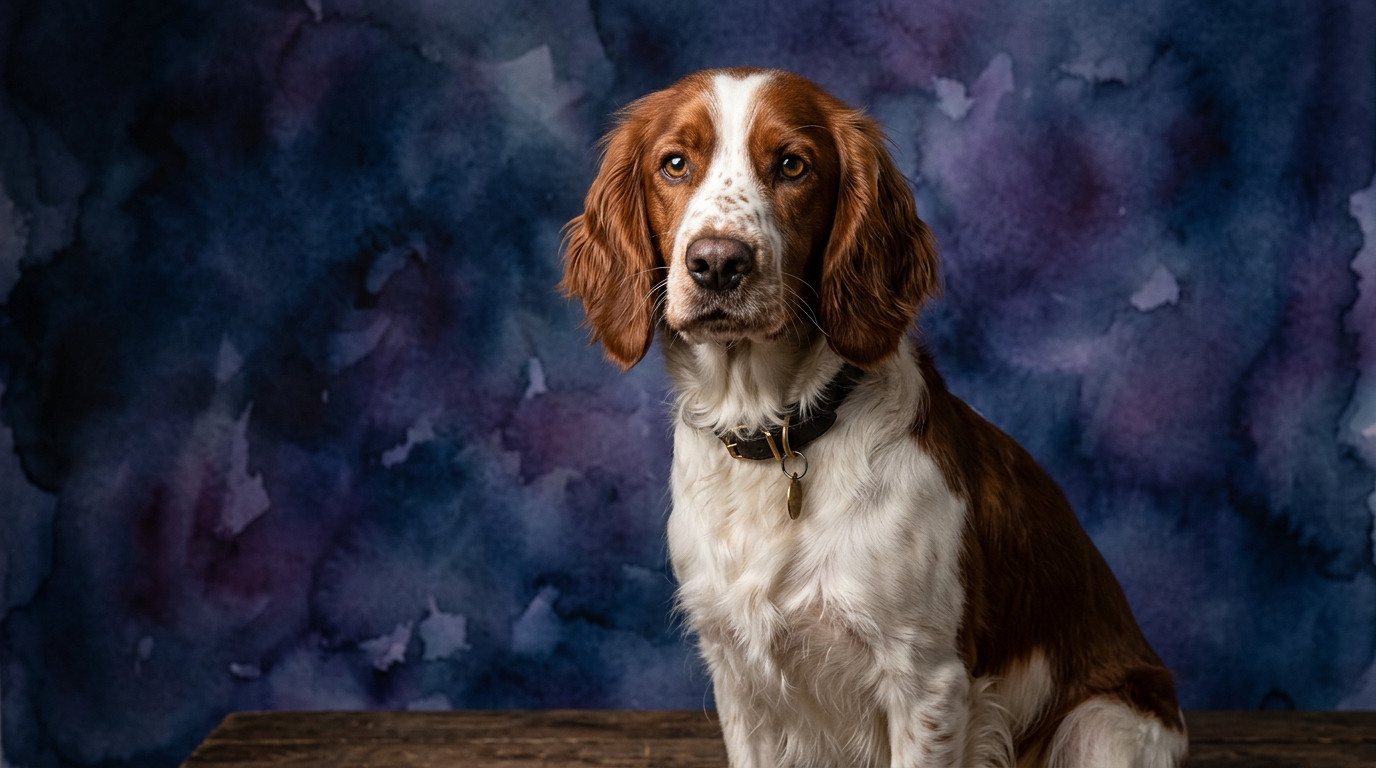
The Cosmic Pet Pet IQ Lab categorizes canine intelligence across five key dimensions. For the Welsh Springer Spaniel, a Sporting Group member and Coren-ranked #31, their Problem Solving is rated 4/5, suggesting a capacity for navigating complex situations and learning from experience, often finding creative solutions to obstacles. Training Speed also sits at 4/5, meaning these dogs typically grasp new commands and routines quickly, making them responsive partners in various activities. Social Intelligence is 3/5, signifying a reasonable ability to interpret human cues and interact appropriately within a family structure, though perhaps not with the nuanced sensitivity of some companion breeds. Their Instinctive Drive is 3/5, present but manageable, often channeled into retrieving or scent work under direction. Memory is strong at 4/5, allowing them to retain learned behaviors and recall specific locations or individuals over time.
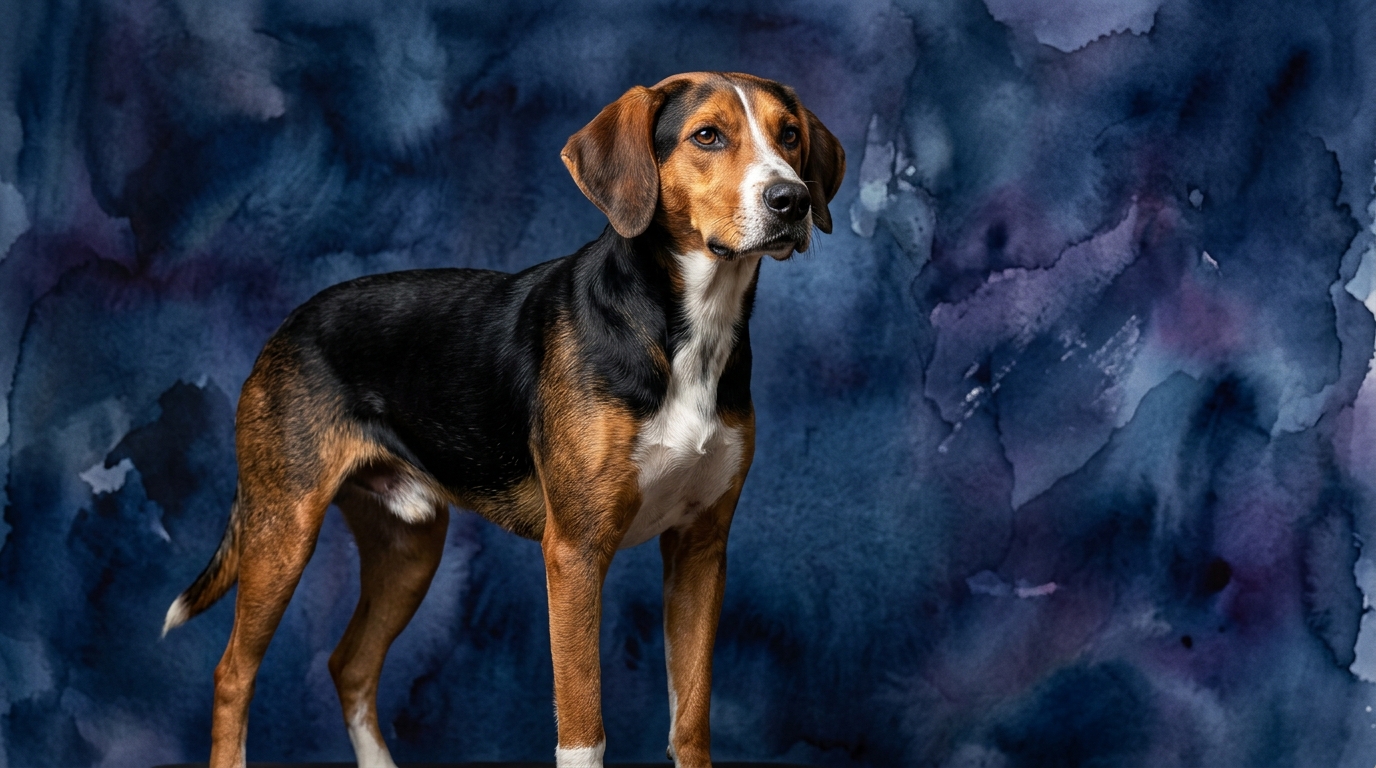
As a member of the Hound Group and not appearing on the Coren ranking, the American Foxhound presents a different cognitive landscape. Their Problem Solving is rated 3/5, indicating a practical intelligence geared towards their primary function—tracking, rather than abstract puzzle-solving. Training Speed is 3/5, meaning they will learn, but often at a more deliberate pace and with greater independence, sometimes requiring more repetition and motivational consistency. Social Intelligence is 3/5, implying they can integrate into a family but might be more focused on their environment or scent world than on constant human interaction. Instinctive Drive is also 3/5, but for the Foxhound, this manifests as an almost singular dedication to scent, often overriding other impulses. Memory is 3/5, sufficient for remembering trails and familiar routines, but perhaps not as robust for complex sequences as the Springer.
Where the Welsh Springer Spaniel Wins Cognitively
The Welsh Springer Spaniel demonstrably outshines the American Foxhound in several cognitive domains, primarily those valued in cooperative working roles and companion life. Their 4/5 rating in Problem Solving reflects a greater aptitude for understanding and manipulating their environment to achieve desired outcomes, such as figuring out how to open a gate or solve a puzzle toy. This translates into a dog that can adapt more readily to novel situations and learn new tasks beyond basic obedience, making them prime candidates for advanced training in areas like agility or competitive obedience.
Furthermore, their superior Training Speed (4/5) means they form associations between commands and actions with fewer repetitions, resulting in a more efficient learning process. This responsiveness is coupled with a 4/5 Memory score, enabling them to retain a larger repertoire of commands and routines over extended periods, making refresher training less intensive and complex multi-step tasks more feasible. An owner seeking a dog to engage in diverse cognitive challenges will find the Welsh Springer Spaniel a more naturally inclined and rewarding partner.
Where the American Foxhound Wins Cognitively
While the American Foxhound's cognitive profile might appear less versatile in general terms, its strengths are profoundly specialized and crucial to its historical purpose. The American Foxhound's 3/5 in Instinctive Drive, though numerically equal to the Springer's, represents a deeply ingrained, almost singular focus on scent work that, in its domain, is unparalleled. This isn't about general problem-solving but an unwavering cognitive tenacity.
Once a scent trail is engaged, the Foxhound exhibits an extraordinary ability to filter out environmental distractions and maintain a relentless pursuit, a form of cognitive resilience and sustained attention that the Springer, with its broader focus, would struggle to match. Their 3/5 in Memory, while not as high for diverse tasks, is perfectly tuned for recalling specific scent patterns and routes, which is a specialized form of memory crucial for their work. This singular, persistent drive, while challenging in a domestic setting, is a cognitive triumph in its specific context, allowing them to perform complex, long-duration tracking tasks that demand unwavering dedication and minimal human intervention once the hunt is on.
Which is Easier to Train and Why?
Between these two breeds, the Welsh Springer Spaniel is unequivocally the easier dog to train, a direct reflection of its higher scores in Training Speed (4/5) and Problem Solving (4/5). Welsh Springers typically display an eagerness to please and a natural inclination to work collaboratively with their human partners. They form strong associations quickly, meaning a new command like “sit” or “stay” will be understood and executed reliably after fewer repetitions. Their higher Problem Solving score also means they can generalize learned behaviors to new contexts more effectively and are more likely to offer desired behaviors proactively.
In contrast, the American Foxhound's 3/5 Training Speed and 3/5 Problem Solving, combined with its profound independent nature and powerful scent drive, present a greater challenge. Foxhounds often perceive the world primarily through their nose, and a compelling scent can easily override any command, making off-leash reliability particularly difficult. Their independence means they are less motivated by human approval and more by intrinsic drives, requiring an owner to be exceptionally patient, consistent, and creative in finding high-value motivators that can compete with the allure of a fresh trail.
Suitability for Active vs. Relaxed Owners
Both breeds necessitate active owners, but the *nature* of that activity differs significantly, influencing whether they suit an “active” owner who enjoys engagement or one who prefers a more “relaxed” pace. The Welsh Springer Spaniel is ideal for an active owner who thrives on interaction and purpose-driven activities. Their need for physical exercise is matched by a strong cognitive need for engagement; they excel in dog sports like agility, obedience, or flyball, and enjoy retrieving games or long hikes where they can engage with their environment alongside their human. A “relaxed” owner, in the sense of one who prefers minimal interaction or mental stimulation for their dog, would likely find a Welsh Springer Spaniel under-stimulated and potentially prone to boredom-induced behaviors.
The American Foxhound also demands an active owner, but one who understands and respects their independent, scent-driven nature. These dogs require extensive physical exercise, often best provided in large, securely fenced areas where they can run freely or engage in scent work. They are not typically dogs for casual strolls; they need to *move* and *explore* with their noses. While they enjoy companionship, their social intelligence (3/5) suggests they are less reliant on constant human interaction for fulfillment compared to the Springer. An active owner for an American Foxhound might be someone who enjoys long, solitary walks in nature, or even participates in tracking trials, rather than someone seeking a highly interactive, “trainable” partner for varied dog sports. They are less suited for owners seeking a relaxed, low-maintenance couch potato, as their energy and vocal tendencies (baying) can be significant.
The Verdict
Opt for a Welsh Springer Spaniel if you seek a highly trainable, cognitively engaged companion eager to participate in diverse activities from advanced obedience to dog sports, thriving on cooperative interaction and mental challenges.
Select an American Foxhound if you appreciate a resilient, independent, scent-driven dog requiring extensive exercise in secure environments, and you are prepared to manage their strong instincts and unique vocalizations with patience and understanding.
🧠 Find Your Pet's IQ Score
Our Pet IQ Lab assessment covers 25+ tests across 5 cognitive dimensions — personalized to your breed.
Take the Full IQ Test →Frequently Asked Questions
Does the Coren ranking accurately reflect a dog's overall intelligence?
The Coren ranking primarily measures "working and obedience intelligence," focusing on how quickly a dog learns commands and responds to them. It's one aspect of canine cognition, and breeds like the American Foxhound, whose intelligence is highly specialized for specific tasks like scent tracking, may not rank highly but possess profound cognitive strengths in their domain.
How does the "Instinctive Drive" score differ between these two breeds?
While both score 3/5, for the Welsh Springer Spaniel, instinctive drive often manifests as a desire to retrieve or flush game, usually in cooperation with a handler. For the American Foxhound, it's almost singularly focused on following a scent trail with relentless determination, often overriding other commands or distractions, making it a more independent and consuming drive.
Are American Foxhounds good family pets despite their lower training scores?
American Foxhounds can be affectionate and loyal family members, especially with consistent socialization from a young age. However, their independent nature, high exercise requirements, and strong scent drive mean they are best suited for experienced owners who understand hound characteristics and can provide ample physical and mental outlets for their specific instincts.