Side-by-Side Cognitive Profile
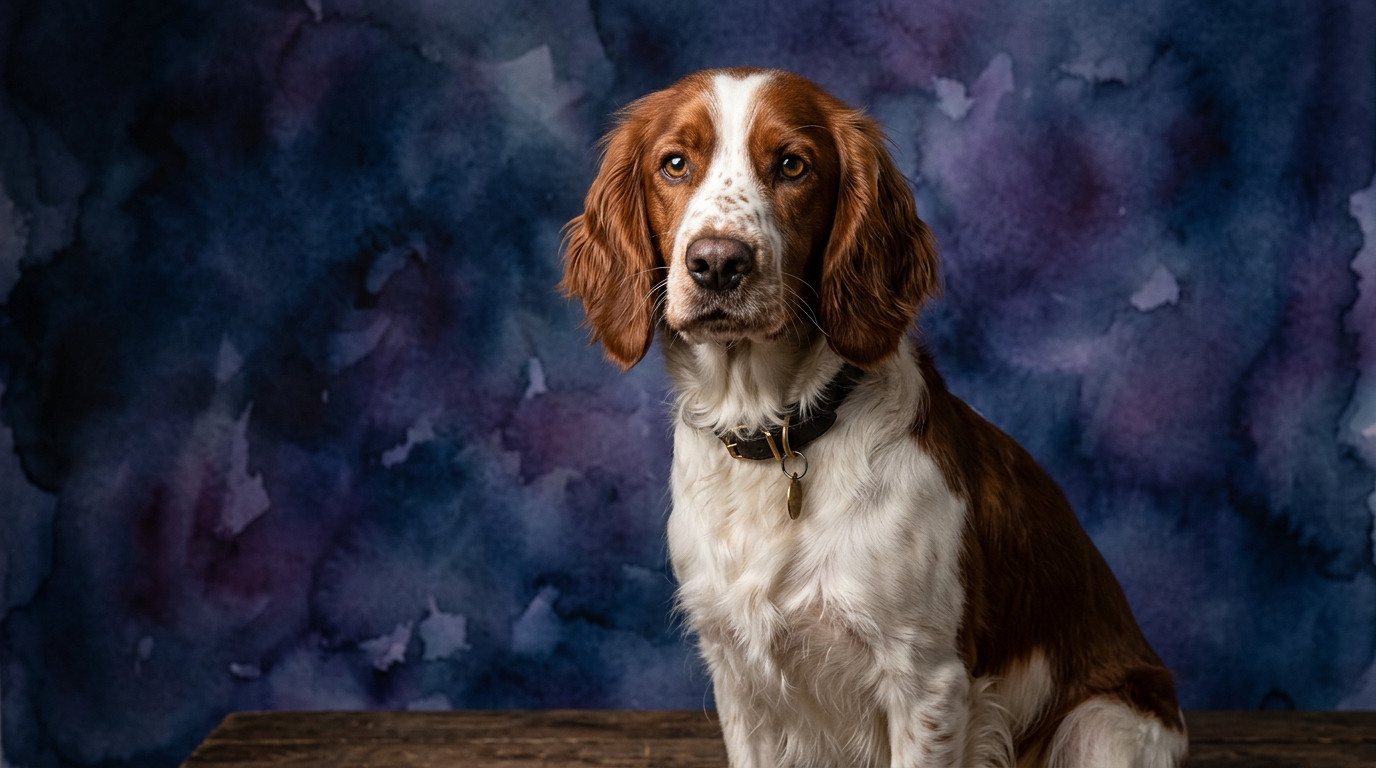
The Cosmic Pet Pet IQ Lab employs a multi-dimensional approach to assess canine cognition, moving beyond simplistic 'smart' labels. For the Welsh Springer Spaniel, ranked #31 by Coren, its IQ profile reveals a Problem Solving score of 4/5, indicating a strong capacity for independent thought and navigating complex situations. Its Training Speed is also high at 4/5, suggesting a rapid acquisition of new commands. Social Intelligence stands at 3/5, reflecting a good understanding of human cues, while Instinctive Drive is 3/5, pointing to a moderate inclination for traditional spaniel tasks. Finally, its Memory score is an impressive 4/5, showing excellent retention of learned information and experiences.
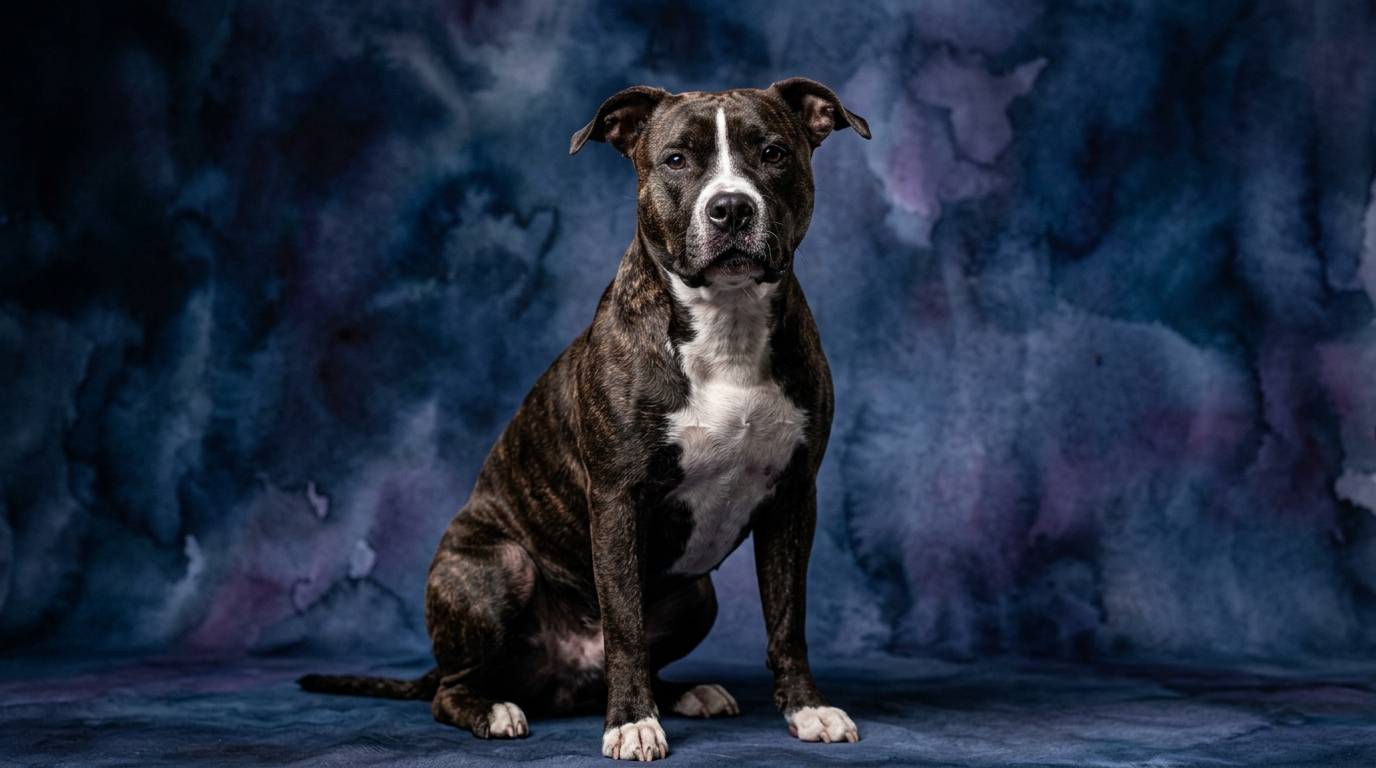
The American Staffordshire Terrier, holding Coren's #48 rank, presents a slightly different cognitive picture. Its Problem Solving score is 3/5, indicating a solid but perhaps less intuitive approach to novel challenges. Training Speed is likewise 3/5, meaning they learn at a steady, consistent pace, benefiting from clear instruction. Matching the Welsh Springer, its Social Intelligence is 3/5, demonstrating a good ability to connect with and understand human companions. Instinctive Drive is also 3/5, suggesting a moderate but focused drive, often expressed through tenacity in play. Lastly, the American Staffordshire Terrier shares an excellent Memory score of 4/5, showcasing strong recall for people, places, and established routines.
Where the Welsh Springer Spaniel Wins Cognitively
The Welsh Springer Spaniel demonstrates a distinct cognitive advantage in two key areas: problem-solving and training speed. With a 4/5 score in problem-solving compared to the AmStaff's 3/5, the Welsh Springer often exhibits a more intuitive approach to novel challenges. This means they are more likely to independently figure out how to open a gate, retrieve a toy from an inaccessible spot, or navigate a complex obstacle course without extensive human intervention. Their minds are wired to analyze situations and devise solutions, contributing significantly to their adaptability.
Furthermore, the Welsh Springer Spaniel's 4/5 training speed score, again surpassing the AmStaff's 3/5, highlights their rapid acquisition of new commands and routines. This breed typically requires fewer repetitions to grasp new concepts, making advanced obedience, competitive dog sports like agility or flyball, and complex trick training more accessible and faster to master. Their eagerness to please, combined with this quick learning curve, creates a highly responsive training partner. Owners often find that once a concept is introduced clearly, the Welsh Springer Spaniel quickly internalizes it, demonstrating a remarkable capacity for retaining and applying learned behaviors. This cognitive efficiency allows for a broader range of training possibilities.
Where the American Staffordshire Terrier Wins Cognitively
While the Welsh Springer Spaniel shows higher scores in problem-solving and training speed, the American Staffordshire Terrier brings distinct cognitive strengths, particularly in how their intellectual traits integrate with their personality. Both breeds share an impressive 4/5 memory score, but for the AmStaff, this robust memory is often deeply intertwined with their social bonds. They possess an exceptional recall for people, routines, and past interactions, solidifying their place as a profoundly loyal and consistent family member. This strong memory ensures they remember their training and household rules, fostering lasting and reliable relationships.
Moreover, both breeds also share a 3/5 score in social intelligence and instinctive drive. For the American Staffordshire Terrier, their social intelligence manifests as a keen perceptiveness of human emotions and family dynamics, often making them highly attuned to their owners' moods and needs. They excel at forming deep, empathetic connections, using their understanding of social cues to navigate interactions within the home. Their instinctive drive, while moderate, is characterized by a remarkable tenacity and focus. Once an AmStaff is engaged in a task or game they enjoy, their persistence is a cognitive asset. This focused determination allows them to excel in activities that require sustained effort, such as scent work or weight pull, where their unwavering commitment to a goal can be truly impressive.
Training Dynamics: Which is Easier to Train?
When evaluating ease of training, the Welsh Springer Spaniel generally holds an advantage due to its higher scores in both problem-solving and training speed. Their 4/5 training speed means they are inherently more receptive to new commands, often picking up instructions with fewer repetitions than many other breeds. This quick uptake, combined with their 4/5 problem-solving ability, allows them to anticipate what is expected and adapt their behavior efficiently. For instance, if taught to 'stay,' a Welsh Springer Spaniel is more likely to quickly understand the command's context and generalize learned behaviors readily. Their sporting background has instilled a desire to work collaboratively with a handler, making them eager participants. This breed thrives on positive reinforcement and clear communication, flourishing when given opportunities to learn.
In contrast, the American Staffordshire Terrier, with 3/5 scores in both training speed and problem-solving, requires a different approach. While certainly trainable and capable of mastering a wide range of commands, they may take more repetitions to solidify new behaviors. Their terrier tenacity, while a strength, can sometimes translate into a stubborn streak if not managed with consistent, positive reinforcement. An AmStaff learning to 'stay' might test boundaries more frequently or require more dedicated practice in distracting environments. It's not a lack of capacity, but rather a need for persistent, engaging, and highly rewarding training methods. Owners must be patient, clear, and consistent, ensuring training is always a positive experience. The AmStaff excels when motivated by play, food, and strong social bonds, making relationship-based training particularly effective.
Suited Lifestyles: Active vs. Relaxed Owners
The Welsh Springer Spaniel, with its sporting heritage and higher cognitive demands in problem-solving and training speed, is best suited for active owners. Their instinctive drive (3/5) for flushing and retrieving, coupled with a mind that thrives on mental engagement, necessitates daily outlets for physical exercise and structured activities. Owners who enjoy dog sports like agility, obedience, flyball, or field trials will find a highly motivated and capable partner in a Welsh Springer. A relaxed owner who cannot commit to consistent mental and physical stimulation might find this breed becoming restless, potentially leading to self-directed (and sometimes undesirable) entertainment.
The American Staffordshire Terrier, while also requiring regular exercise and mental engagement due to its moderate instinctive drive (3/5) and problem-solving (3/5) scores, can potentially adapt to a broader range of owner activity levels. They enjoy focused play and training sessions, but after their needs are met, they are often content to relax with their family, valuing close companionship. An owner who is consistent with daily walks, interactive play, and positive training sessions can provide a fulfilling life for an AmStaff. They thrive on structured routines and focused attention, making them suitable for owners who are active and engaged but perhaps not seeking a constant high-intensity working companion.
The Verdict
If you seek a companion eager to learn, quick to master new skills, and thrive on consistent, engaging activities like dog sports or field work, the Welsh Springer Spaniel's cognitive agility will be a rewarding match.
If you value a steadfast, perceptive companion with a solid memory for routines and people, who enjoys focused engagement and thrives on consistent, positive training within a loving family structure, the American Staffordshire Terrier could be your ideal partner.
🧠 Find Your Pet's IQ Score
Our Pet IQ Lab assessment covers 25+ tests across 5 cognitive dimensions — personalized to your breed.
Take the Full IQ Test →Frequently Asked Questions
Does the Welsh Springer Spaniel's higher Coren rank mean it's universally "smarter"?
The Coren rank primarily measures "working and obedience intelligence," reflecting trainability and command following. While the Welsh Springer Spaniel excels here, "intelligence" is multifaceted, with both breeds possessing unique strengths in other cognitive areas like social understanding and memory.
How does the "Instinctive Drive" score impact daily life for these breeds?
An Instinctive Drive score of 3/5 for both suggests they have moderate urges tied to their breed's historical purpose. For the Welsh Springer Spaniel, this means an inclination towards flushing or retrieving, requiring outlets for this energy. For the American Staffordshire Terrier, it translates to a focused tenacity in play or engagement, which needs appropriate channeling to prevent boredom-driven behaviors.
Given their similar "Social Intelligence" scores, are both breeds equally good with people?
A 3/5 Social Intelligence score for both indicates a good capacity for understanding human cues and forming bonds. While both are generally people-oriented, the manifestation differs: the Welsh Springer Spaniel might be more keenly attuned to handler direction in a working context, while the American Staffordshire Terrier often directs this intelligence into deep, loyal family attachments and perceptive interaction within their home.