Side-by-Side Cognitive Profiles
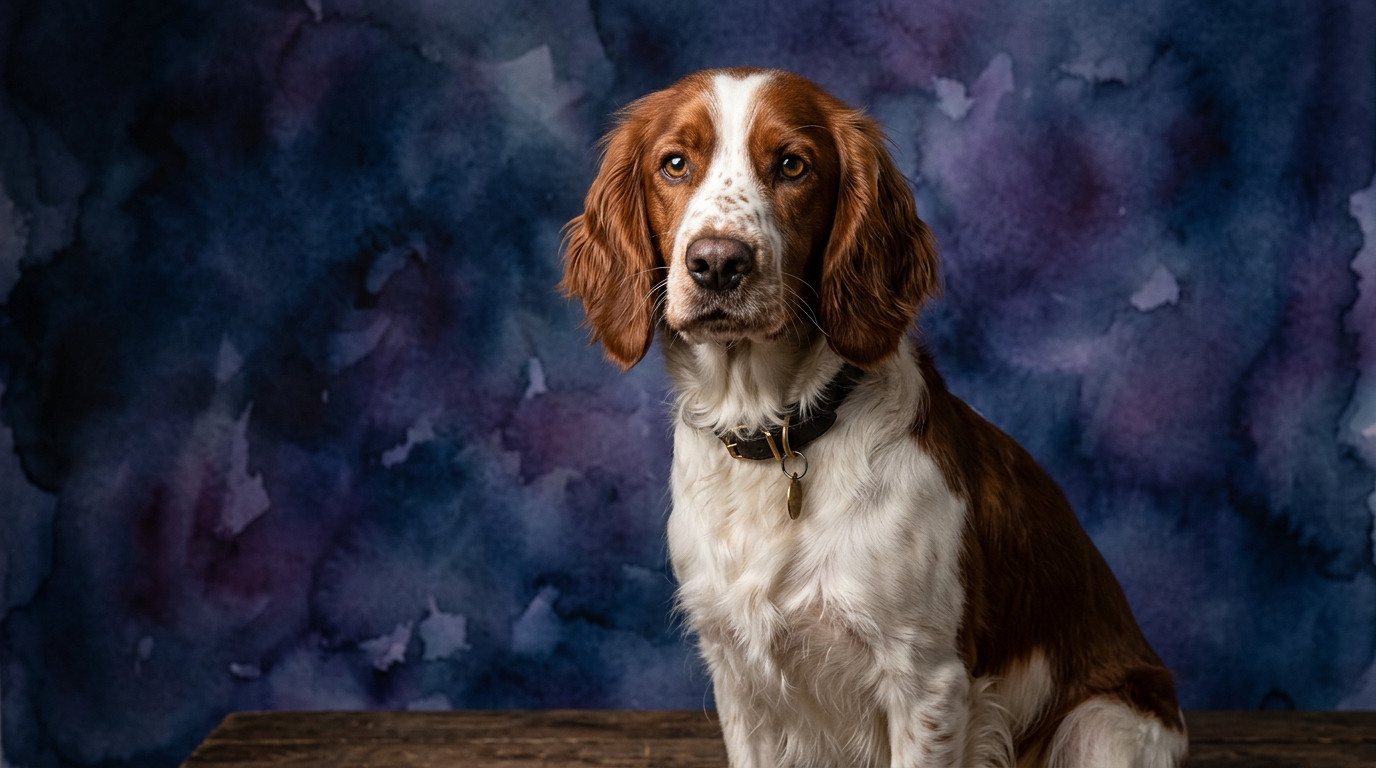
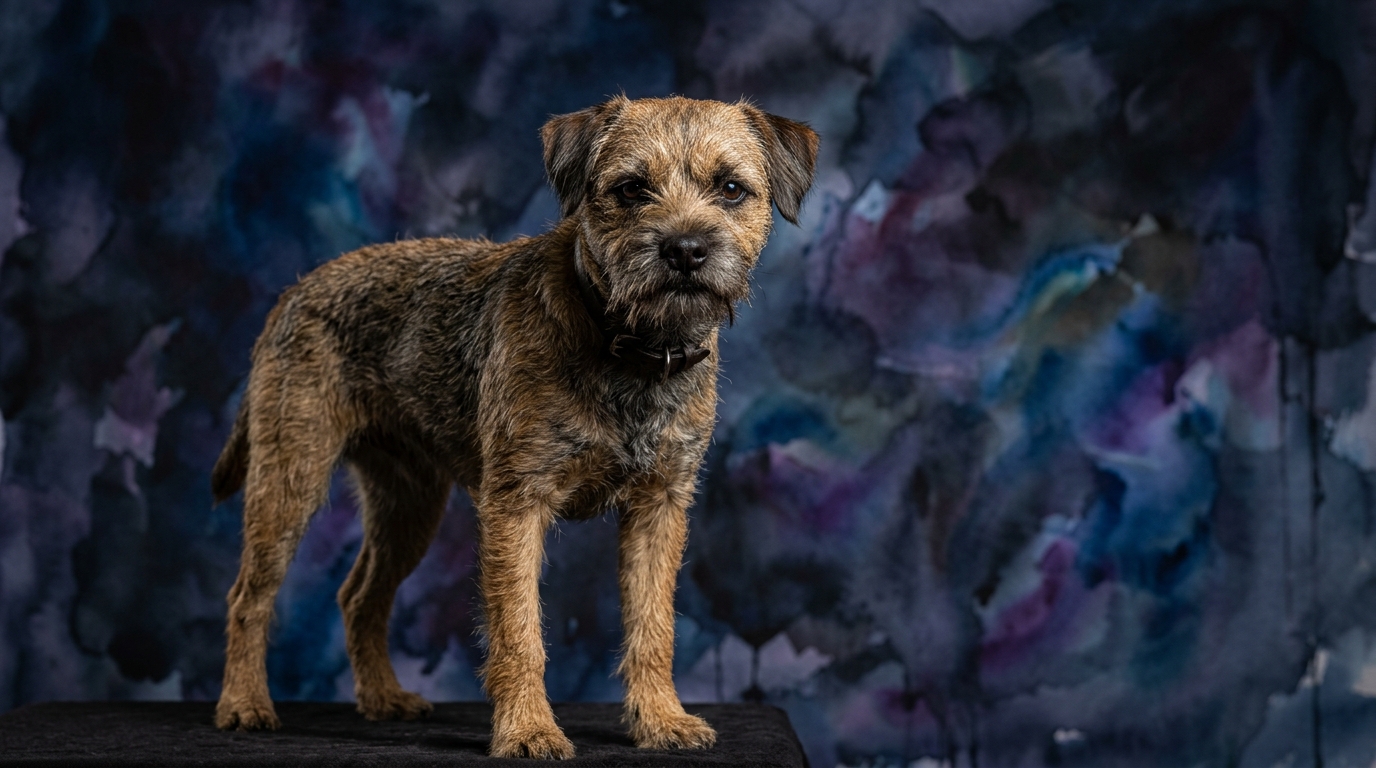
The Cosmic Pet Pet IQ Lab's assessment places both the Welsh Springer Spaniel (Sporting group, Coren rank #31) and the Border Terrier (Terrier group, Coren rank #30) at a high level across most cognitive dimensions. Both breeds score an impressive 4/5 for Problem Solving, indicating a strong capacity for independent thought and navigating complex situations. For the Welsh Springer Spaniel, this often manifests in their ability to efficiently locate and retrieve game in varied terrains, demonstrating adaptability and strategic thinking in the field. The Border Terrier's problem-solving skills, honed for hunting vermin, are typically applied to figuring out how to access tight spaces, outmaneuver prey, or overcome obstacles with tenacious determination.
In terms of Training Speed, both breeds again achieve a 4/5, signifying their quick grasp of new commands and routines. A Welsh Springer Spaniel, driven by a desire to work cooperatively with its handler, typically picks up obedience cues and complex sequences rapidly, eager to participate in tasks. The Border Terrier also learns quickly, often motivated by curiosity and the challenge of mastering a new skill, though their independent spirit means they may require more engaging methods to maintain focus and compliance. Their Memory scores are also identical at 4/5, meaning both breeds excel at retaining learned behaviors, commands, and spatial information over time, a crucial trait for both a working spaniel and a hunting terrier.
Where the breeds align again is in Social Intelligence and Instinctive Drive, both scoring 3/5. A 3/5 in Social Intelligence suggests a moderate awareness of human social cues; both are capable of forming strong bonds and understanding basic human intentions but might not be as exquisitely attuned to subtle emotional shifts as some companion breeds. For the Welsh Springer Spaniel, this translates to being an amiable family member, responsive to direct communication. The Border Terrier, while affectionate with its family, maintains an independent streak, interpreting social cues through the lens of its own goals. Their 3/5 Instinctive Drive indicates a moderate, but present, inclination towards their ancestral working roles—flushing and retrieving for the Welsh Springer, and hunting and digging for the Border Terrier—requiring appropriate outlets to prevent misdirection of these natural urges.
Where the Welsh Springer Spaniel Excels Cognitively
Despite identical numerical scores, the Welsh Springer Spaniel often demonstrates a particular cognitive advantage in cooperative problem-solving and sustained focus within a directed task. Their 4/5 Problem Solving, when combined with their Sporting group heritage, frequently translates into an ability to methodically assess a situation and execute a plan in partnership with their human. For instance, a WSS might more readily learn and apply a multi-step retrieve, remembering the location of multiple fallen birds and retrieving them in a specific order, showcasing a structured approach to complex tasks under guidance. Their memory (4/5) shines in retaining these intricate sequences and adapting them to new environments, making them particularly adept at advanced obedience, agility, or field trials that demand precision and teamwork.
The Welsh Springer's moderate Instinctive Drive (3/5), while present, is often more readily channeled into tasks that involve scent work, flushing, and retrieving, aligning seamlessly with human directives. This makes their cognitive abilities in these areas feel more predictable and manageable. Their quick Training Speed (4/5) is amplified by a generally eager-to-please temperament, meaning they not only grasp concepts quickly but are also highly motivated to perform them repeatedly and accurately for their handler, fostering a strong working relationship built on mutual understanding and responsiveness.
Where the Border Terrier Excels Cognitively
The Border Terrier's cognitive strengths, while numerically similar, often manifest in a distinct tenacity and independent resourcefulness. Their 4/5 Problem Solving is powerfully geared towards self-initiated tasks, especially those involving exploration, pursuit, and overcoming physical barriers. A Border Terrier might excel at figuring out how to open a gate, navigate a complex scent trail independently, or persistently work at digging out a perceived 'prey' from under a bush, demonstrating a highly focused, persistent, and often ingenious approach to achieving its own objectives. Their memory (4/5) is exceptional for recalling specific locations, routes, and past successes, enabling them to refine their strategies for future endeavors.
The Border Terrier's 3/5 Instinctive Drive, while numerically matching the Welsh Springer, is channeled into a more independent and tenacious form of hunting. This breed's intelligence excels in scenarios where self-reliance and grit are paramount. They learn quickly (4/5 Training Speed), but their learning is often reinforced by the intrinsic reward of the task itself or the satisfaction of a challenge met. This means they are highly capable of learning complex behaviors, but their performance might be more influenced by their own perceived value of the task or the presence of exciting distractions, highlighting a keen, self-directed form of intelligence that thrives on engagement and mental stimulation.
Which is Easier to Train and Why
Despite both breeds scoring 4/5 for Training Speed, the Welsh Springer Spaniel is generally perceived as easier to train due to fundamental differences in temperament and motivation. The Welsh Springer, a member of the Sporting group, was bred to work in close cooperation with humans. They possess a strong desire to please their handler and a natural inclination to retrieve and follow commands, making them highly biddable. They learn quickly and are typically eager to repeat behaviors for positive reinforcement, finding satisfaction in working alongside their person. This cooperative spirit means less resistance during training sessions and a more consistent application of learned commands in various environments.
The Border Terrier, while equally quick to learn (4/5 Training Speed), comes from the Terrier group, bred for independent hunting and tenacity. This heritage instills a spirited, self-reliant nature; they learn commands rapidly but may choose to obey only if it aligns with their current interest or if the motivation is sufficiently compelling. Their intelligence often manifests as a cleverness in finding loopholes or testing boundaries. Training a Border Terrier requires consistent, engaging methods, strong leadership, and patience to channel their independent drive. They can be brilliant students, but their willingness to perform on cue, especially amidst distractions, might require more proofing and creative reinforcement strategies than with a Welsh Springer Spaniel.
Suitability for Active vs. Relaxed Owners
Neither the Welsh Springer Spaniel nor the Border Terrier can truly be classified as suitable for 'relaxed' owners in the sense of a low-energy, sedentary lifestyle. Both breeds possess significant energy levels and require mental and physical stimulation to thrive. However, their ideal forms of activity differ, making them suitable for different types of active owners.
The Welsh Springer Spaniel thrives with owners who can provide consistent, moderate to high-energy activities that often involve partnership and purpose. Long hikes, trail running, swimming, advanced obedience, agility, or field work are ideal. They enjoy sustained periods of activity and flourish when given a 'job' to do alongside their human, making them perfect for owners who enjoy shared outdoor adventures and structured training. Their cooperative nature means they are generally content to settle after adequate exercise.
The Border Terrier, while also requiring considerable activity, prefers bursts of intense exploration, chasing, and mental challenges. They excel in activities like earthdog trials, barn hunt, flyball, or long walks where they can sniff and explore independently. Owners who are active and appreciate a dog with a robust, spirited personality, who enjoys varied forms of engagement and can provide outlets for their hunting instincts (e.g., puzzle toys, secure digging areas, or consistent training to channel their drive), will find a Border Terrier a rewarding companion. They are not built for long, monotonous jogs but thrive on varied, stimulating adventures that engage their keen senses and independent problem-solving.
The Verdict
Choose the Welsh Springer Spaniel if you desire a highly cooperative, biddable partner for shared adventures, structured training, and a companion eager to work alongside you in activities like field trials or obedience.
Opt for the Border Terrier if you appreciate a tenacious, independently clever dog with a spirited personality, thriving on varied mental challenges, exploration, and an owner who can channel their keen hunting instincts effectively.
🧠 Find Your Pet's IQ Score
Our Pet IQ Lab assessment covers 25+ tests across 5 cognitive dimensions — personalized to your breed.
Take the Full IQ Test →Frequently Asked Questions
Do Welsh Springer Spaniels or Border Terriers require more mental stimulation?
Both breeds demand significant mental stimulation to prevent boredom and destructive behaviors. The Welsh Springer thrives on learning complex sequences and engaging in purposeful activities alongside its owner, while the Border Terrier needs challenges that tap into its independent problem-solving and hunting instincts, such as puzzle toys or scent games.
Are Welsh Springer Spaniels and Border Terriers good with children?
Both breeds can be excellent family dogs with proper socialization and training. Welsh Springer Spaniels are generally known for their gentle and patient nature, while Border Terriers are sturdy and playful, though their terrier tenacity means supervision is always wise, especially with very young children.
What are the key differences in their 'Instinctive Drive' despite the same score?
While both score 3/5, the Welsh Springer's drive typically focuses on flushing and retrieving game cooperatively, making it easier to direct. The Border Terrier's drive is geared towards independent hunting, digging, and chasing small prey, which requires more consistent management and appropriate outlets to prevent unwanted behaviors like digging or chasing small animals.