Side-by-Side Cognitive Profiles
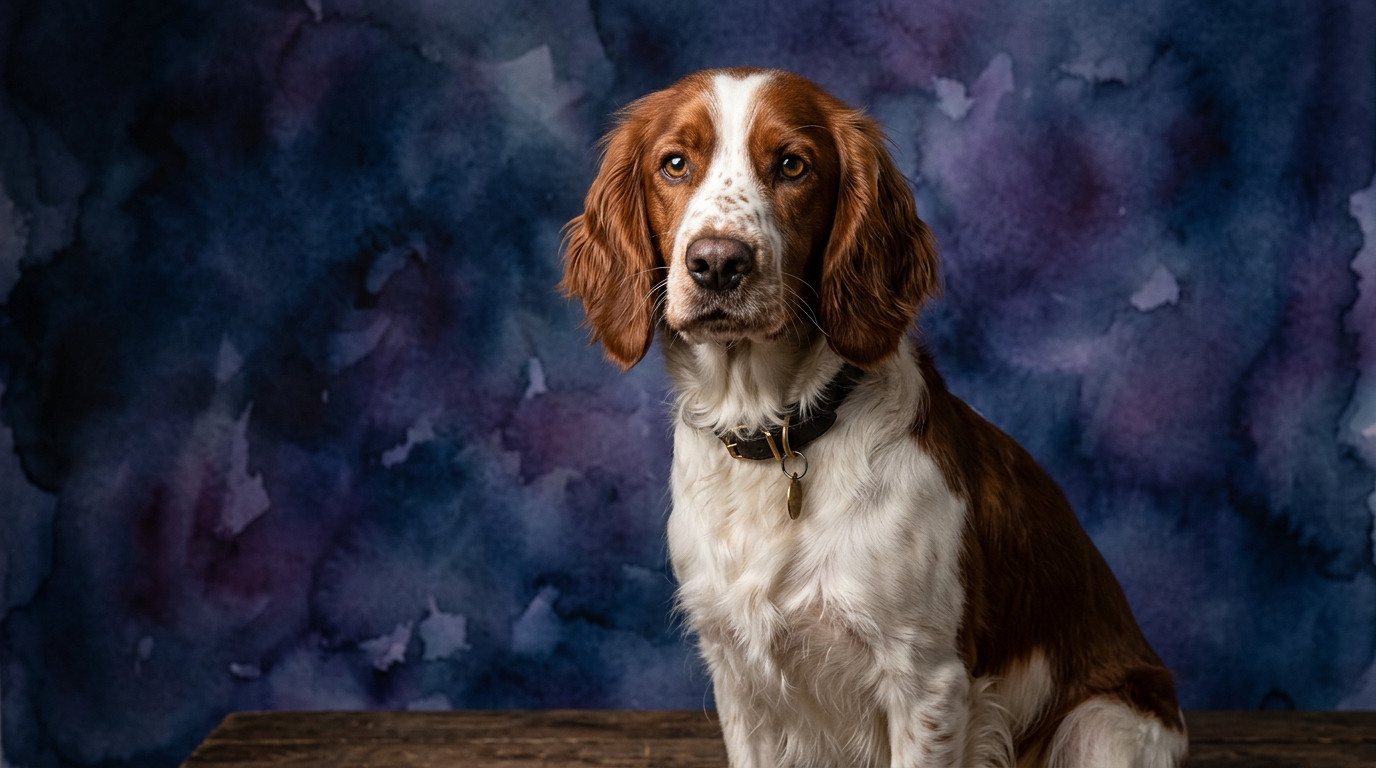
The Welsh Springer Spaniel, a Sporting Group member, holds a Coren rank of #31, indicating a strong capacity for understanding and quick command acquisition. Our Pet IQ Lab assesses their Problem Solving at 4/5, reflecting a keen ability to navigate novel situations and devise solutions efficiently. Their Training Speed also scores 4/5, showcasing a biddable nature and responsiveness that makes them eager partners in learning new behaviors and routines, thriving on positive reinforcement.
Further, the Welsh Springer Spaniel's Memory score of 4/5 means they retain learned information effectively, building a robust foundation for ongoing training and recall. Their Social Intelligence is 3/5, suggesting attentiveness to human cues and strong bond formation, though not with the intricate social navigation of some herding breeds. An Instinctive Drive of 3/5 points to their inherent sporting traits—a moderate yet present urge to scent, flush, and retrieve, ideal for channeling into productive activities.
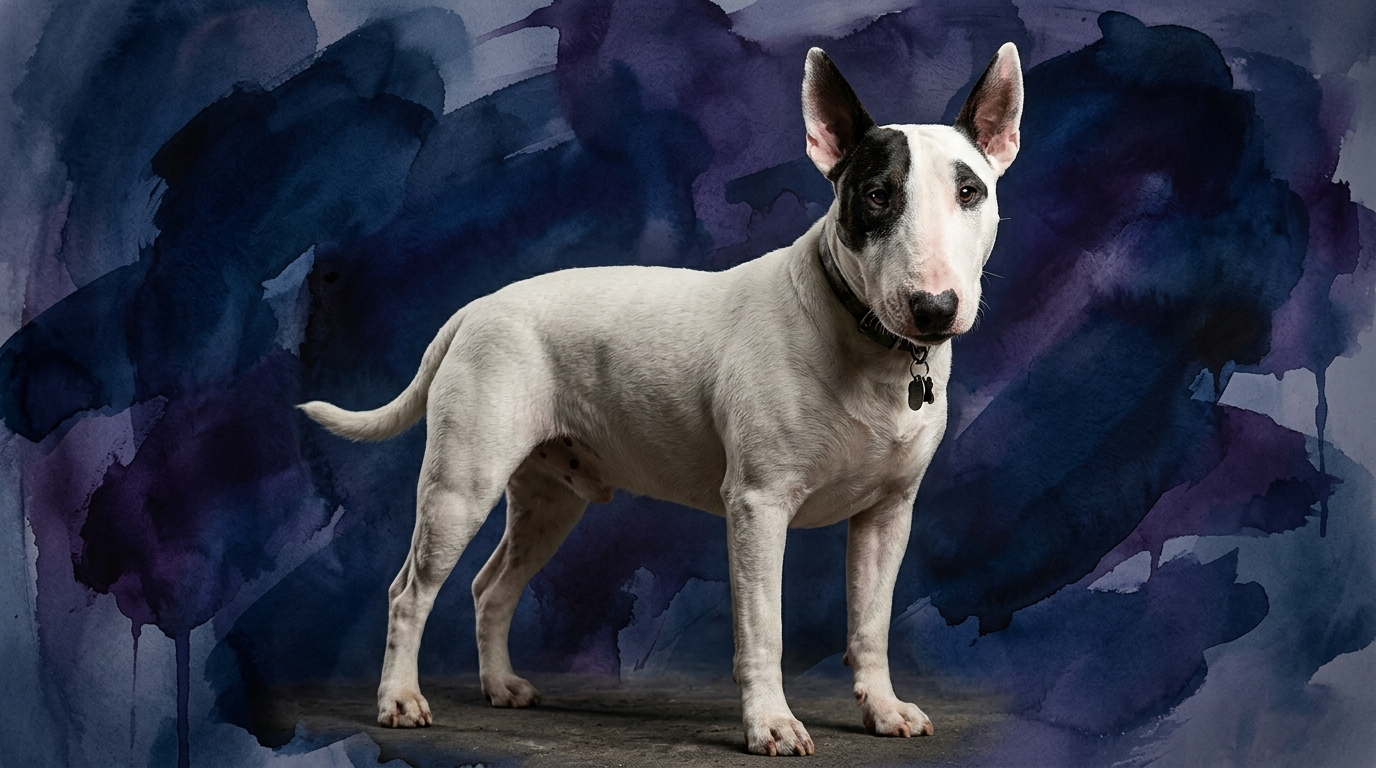
The Bull Terrier, a distinctive Terrier Group member, holds a Coren rank of #66, indicating a more average working intelligence. Our Pet IQ Lab assesses their Problem Solving at 3/5, meaning they can figure things out but might approach challenges with more persistence and less immediate insight than the Spaniel, often using trial-and-error. Their Training Speed is also 3/5, suggesting learning requires consistent repetition, patience, and creative motivation to capture their attention and commitment.
The Bull Terrier's Memory is 3/5, implying they recall commands and experiences, but benefit from regular refreshers to solidify learning. Their Social Intelligence also scores 3/5, reflecting affectionate loyalty to family, yet sometimes a more independent or discerning attitude towards strangers or other animals. An Instinctive Drive of 3/5 speaks to their robust terrier heritage—a tenacious pursuit of perceived 'prey' and determined focus once engaged, historically valuable for grit-demanding tasks.
Where the Welsh Springer Spaniel Wins Cognitively
The Welsh Springer Spaniel's cognitive strengths shine in areas demanding quick comprehension and retention. Their superior Problem Solving (4/5) means they are often adept at navigating complex environments, like puzzle toys or obedience courses, figuring out sequences with minimal guidance. This translates into a dog that adapts rapidly to new situations, making them excellent companions for varied activities and less prone to getting 'stuck' on a problem.
Furthermore, the Welsh Springer Spaniel's 4/5 Training Speed and Memory provide a distinct advantage for owners seeking a responsive, biddable partner. They absorb new commands with impressive efficiency, often requiring fewer repetitions to achieve proficiency, and retain information over extended periods. This cognitive profile makes them highly suitable for advanced obedience, agility, or field work, where understanding intricate cues and remembering multi-step tasks are paramount.
Where the Bull Terrier Excels Cognitively
While the Bull Terrier's raw scores might appear lower, their unique cognitive makeup fosters a different kind of strength: persistence and focused determination. Their 3/5 Problem Solving, combined with a strong Instinctive Drive (3/5), means that once a Bull Terrier commits to a task or 'challenge,' they often exhibit remarkable tenacity, pushing through obstacles that might deter a less single-minded breed. This isn't about rapid insight, but rather a steadfast refusal to give up, which can be invaluable in specific contexts.
The Bull Terrier's cognitive advantage lies in their unwavering resolve. Their moderate scores in Problem Solving and Training Speed are often offset by a profound dedication to their chosen task or handler, once motivated. This tenacity, a hallmark of the Terrier group, can manifest as an unyielding focus in games like scent work or sustained engagement in a favored activity, making them excellent partners for owners who appreciate a dog with strong, individualistic drive and a robust spirit not easily swayed.
Training: Ease and Behavioral Nuances
When it comes to training, the Welsh Springer Spaniel generally offers a more straightforward experience due to their higher scores in Training Speed (4/5) and Problem Solving (4/5). They are typically eager to please and quick to form associations between commands and actions, making them highly responsive to positive reinforcement. A WSS is likely to pick up basic obedience commands with fewer repetitions and recall them reliably, even amidst distractions, benefiting from their solid memory.
The Bull Terrier, with 3/5 in both Training Speed and Problem Solving, requires a more patient and creatively engaging approach. While capable of learning, their independent streak and occasional stubbornness mean training sessions must be consistently stimulating and highly rewarding to maintain interest. They might take longer to grasp new concepts and could test boundaries more frequently, requiring strong motivation and persistent reinforcement to solidify desired behaviors.
Matching Owners: Active vs. Relaxed Lifestyles
The Welsh Springer Spaniel, with its sporting heritage and balanced instinctive drive, is an ideal match for active owners who relish outdoor adventures and engaging activities. Their cognitive profile, particularly problem-solving and memory, makes them excellent candidates for dog sports like agility or advanced obedience, where both physical and mental stimulation are key. They thrive utilizing scenting abilities and retrieving, enjoying long hikes, runs, and interactive play that taps into their innate working tendencies.
The Bull Terrier, while robust and energetic, can suit a slightly different active owner. Their tenacity and focused drive mean they enjoy vigorous play sessions and structured activities engaging their strong will. They need consistent mental challenges and opportunities for intense bursts of activity, such as fetch or vigorous walks, to prevent boredom. Owners who appreciate a dog with a strong personality and are prepared to provide firm, consistent guidance will find a rewarding companion.
The Verdict
Choose the Welsh Springer Spaniel if you seek a highly cooperative and adaptable companion eager to learn new commands and participate in varied activities with enthusiasm and responsiveness.
Opt for the Bull Terrier if you appreciate a dog with a robust, independent spirit and are prepared to offer patient, consistent training that channels their unique tenacity and focused drive.
🧠 Find Your Pet's IQ Score
Our Pet IQ Lab assessment covers 25+ tests across 5 cognitive dimensions — personalized to your breed.
Take the Full IQ Test →Frequently Asked Questions
Are Welsh Springer Spaniels good for first-time dog owners?
With their 4/5 Training Speed and Problem Solving, Welsh Springer Spaniels are generally considered suitable for first-time owners who are committed to positive reinforcement training. Their biddable nature makes learning foundational commands relatively straightforward, fostering a positive initial training experience.
How do Bull Terriers typically interact with children?
Bull Terriers, with their 3/5 Social Intelligence, can be very affectionate and loyal with children in their own family, often showing a protective side. However, their robust play style and strong personality mean supervision is always essential, especially with very young children, to ensure respectful interactions.
Do Welsh Springer Spaniels require a lot of grooming?
Welsh Springer Spaniels possess a medium-length coat that requires regular grooming to prevent matting and remove loose hair, typically needing brushing a few times a week. Their feathered legs and ears are particularly prone to tangles, so consistent attention helps maintain their coat health and appearance.