
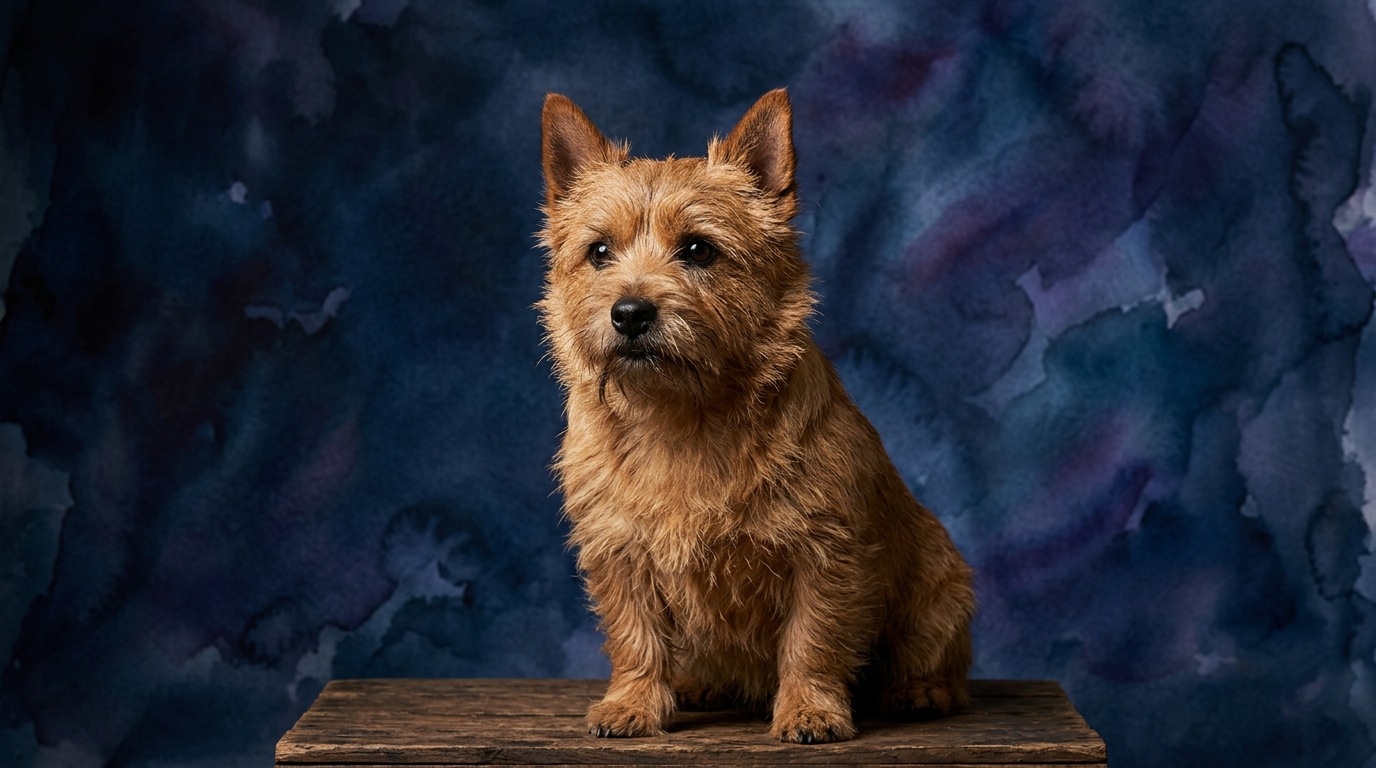
Side-by-Side IQ Profile: Welsh Springer Spaniel vs. Norwich Terrier
The Cosmic Pet Pet IQ Lab assesses canine intelligence across five key dimensions, offering a nuanced view beyond a simple 'smart' label. Let's delve into how the Welsh Springer Spaniel and Norwich Terrier measure up.
**Welsh Springer Spaniel (Sporting Group, Coren Rank #31):** This breed’s background as a flushing gundog is reflected in its cognitive makeup. Its Problem Solving is rated 4/5, indicating a strong capacity to independently navigate and resolve novel situations, from complex scent trails to manipulating objects. Training Speed also scores 4/5, showing an impressive ability to grasp new commands and routines with relatively few repetitions, driven by an eagerness to cooperate. Social Intelligence stands at 3/5; while amiable, their understanding is more geared towards cooperative work with a handler than intricate deciphering of subtle human emotional nuances. Instinctive Drive is 3/5, manifesting as a desire to explore, follow scents, and engage in handler-directed tasks inherent to their gundog role. Finally, Memory is 4/5, demonstrating excellent retention of learned behaviors, commands, and familiar environments.
**Norwich Terrier (Terrier Group, Not Coren-Ranked):** The Norwich Terrier’s heritage as a vermin hunter shapes a distinct set of cognitive strengths. Its Problem Solving is 3/5, characterized by a persistent, often tenacious, trial-and-error approach to overcome obstacles, driven by a self-assured nature. Training Speed is 3/5; they are capable learners but often require more consistent repetition and motivation due to their independent and sometimes stubborn terrier disposition, with focus easily diverted. Social Intelligence is 3/5, indicating they are generally affable and enjoy companionship, yet their interactions are balanced with a robust independence. Instinctive Drive is 3/5, a distinct terrier drive focused on hunting small prey, digging, and exploring, translating into a determined pursuit of perceived 'vermin.' Memory scores 3/5, meaning they have a functional memory for commands and routines, though it may require more regular reinforcement as their instincts can sometimes overshadow recall.
Where the Welsh Springer Spaniel Wins Cognitively
The Welsh Springer Spaniel distinctly outshines the Norwich Terrier in areas demanding cooperative learning and rapid assimilation of new information. Their Problem Solving score of 4/5 means they can quickly assess new situations and devise effective solutions, often with an inherent desire to please their handler. This proficiency is evident in their capacity to adapt to intricate training scenarios, such as navigating complex agility courses or mastering advanced scent work where processing multiple cues and sequences is crucial. This isn't just about rote learning; it reflects their capacity to understand the *intent* behind a command and generalize it across varied contexts.
Furthermore, the Welsh Springer's Training Speed of 4/5 highlights a natural aptitude for obedience, enabling them to pick up new commands with notably fewer repetitions. This efficiency makes them highly rewarding for owners pursuing competitive obedience or advanced trick training. Coupled with an impressive Memory score of 4/5, Welsh Springers retain these learned behaviors over long periods, making them exceptionally reliable partners in diverse activities. An owner might observe them flawlessly executing a complex multi-step routine after a significant break, showcasing their superior cognitive retention and consistency.
Where the Norwich Terrier Wins Cognitively
While the Norwich Terrier's general IQ scores are moderate, its cognitive strengths lie in a tenacious, independent problem-solving approach and an unyielding instinctive drive, perfectly tailored to its original purpose. Their Problem Solving score of 3/5, though not as high as the Springer's, is characterized by a resilient and persistent method. A Norwich Terrier faced with a puzzle toy or a perceived 'intruder' in its territory might try multiple strategies with dogged determination, demonstrating a relentless application of effort rather than a quick, elegant solution. This tenacity, fueled by their 3/5 Instinctive Drive, means they possess an unwavering focus when engaged in tasks that tap into their terrier heritage, such as tracking a scent or 'digging' for a hidden object.
This isn't about rapid, cooperative learning, but about the relentless application of effort and a strong sense of self-direction. Their independence, while sometimes posing challenges for training, also means they are not overly reliant on constant human direction. This self-sufficient character makes them capable explorers of their environment who can entertain themselves for periods, a cognitive advantage for owners seeking a less needy companion. The Norwich Terrier's robust, self-reliant nature means it can tackle specific challenges with a singular focus that, in its own domain, is a significant cognitive 'win'.
Which Is Easier to Train and Why
Based on their respective IQ profiles, the Welsh Springer Spaniel is unequivocally easier to train than the Norwich Terrier. The Welsh Springer's Training Speed of 4/5, compared to the Norwich Terrier's 3/5, indicates a swifter acquisition of commands and a greater inherent eagerness to cooperate. Welsh Springers were meticulously bred to work closely with humans, responding to cues and adapting their actions to a handler's direction, making them naturally more attuned to traditional obedience training. Their higher Problem Solving and Memory scores further contribute to this ease; they not only learn commands quickly but also understand the underlying concepts and retain them effectively over time.
In stark contrast, the Norwich Terrier's independent nature and strong instinctive drives, while invaluable for its original vermin-hunting purpose, can make training a more patient and persistent endeavor. They might comprehend a command but choose, in the moment, to prioritize a compelling scent or a perceived 'hunt,' requiring more consistent motivation and proofing against distractions. Owners of Norwich Terriers often find that while their dog possesses the capacity to learn, achieving reliable responses often demands more creative engagement, a deeper understanding of terrier psychology, and an acceptance of their independent streak.
Which Suits Active Owners vs. Relaxed Owners
The Welsh Springer Spaniel, with its Sporting group heritage and higher scores in Problem Solving, Training Speed, and Memory, is an ideal fit for active owners who enjoy engaging their dog in various structured activities. Their 3/5 Instinctive Drive, while not extreme, points to a strong desire for purpose-driven work, whether it's intricate scent games, agility competitions, advanced obedience, or long, exploratory hikes. They thrive on consistent mental and physical stimulation and genuinely enjoy working alongside their human companions, making them excellent partners for an owner who wants to participate in dog sports or simply leads a very active outdoor lifestyle. A more relaxed owner might find the Welsh Springer's consistent need for engagement and activity overwhelming, potentially leading to boredom-induced behaviors if not adequately addressed.
The Norwich Terrier, while possessing a moderate 3/5 Instinctive Drive, channels this energy into more independent exploration and focused bursts of activity rather than continuous, cooperative work. They are adaptable and certainly enjoy regular walks and interactive games, but they do not necessarily *require* the same level of structured, high-intensity activity as the Welsh Springer. Their robust, self-sufficient nature means they can be content with regular, but not necessarily extensive, exercise and mental engagement within the home and yard. This makes them a suitable choice for owners who appreciate a lively and spirited companion that is also capable of entertaining itself for periods and doesn't demand constant, high-level interaction.
The Verdict: When to Choose Each Breed
When making the choice between these two distinct breeds, carefully consider your lifestyle, training aspirations, and what you seek in a canine companion. Each offers a unique blend of cognitive strengths and personality traits.
The Verdict
Choose the Welsh Springer Spaniel if you are an active owner seeking a highly trainable, cooperative companion for dog sports, extensive outdoor adventures, or a partner who excels in learning complex tasks and retains information readily.
Choose the Norwich Terrier if you appreciate an independent, tenacious companion with a robust personality who is content with moderate activity and enjoys exploring their environment on their own terms, and you are prepared for a more patient, persistent training approach.
🧠 Find Your Pet's IQ Score
Our Pet IQ Lab assessment covers 25+ tests across 5 cognitive dimensions — personalized to your breed.
Take the Full IQ Test →Frequently Asked Questions
Are Welsh Springer Spaniels prone to separation anxiety due to their cooperative nature?
While their social intelligence (3/5) and desire to work closely with humans mean they thrive on companionship, proper socialization and training from a young age can help them develop independence. They are not inherently more prone than other breeds, but they do benefit significantly from being integrated into family activities and not left alone for excessively long periods.
How do Norwich Terriers adapt to living with other pets, given their instinctive drive?
Norwich Terriers can generally coexist peacefully with other pets, especially if introduced thoughtfully and socialized early in life. However, their 3/5 instinctive drive, geared towards small prey, means they might view smaller, fast-moving animals like hamsters or ferrets as targets, so careful supervision and specific training are essential when they are around non-canine pets.
Is the Norwich Terrier's lower training speed a sign it's not intelligent?
Absolutely not. The Norwich Terrier's 3/5 training speed reflects its independent, self-assured nature and strong instincts, which can sometimes override an immediate desire to please. They are perfectly capable of learning, but their intelligence manifests more in persistent problem-solving and tenacious pursuit of their own interests rather than a swift, cooperative response to traditional commands.