Side-by-Side IQ Profile: Cooperative Spirit vs. Independent Pursuit
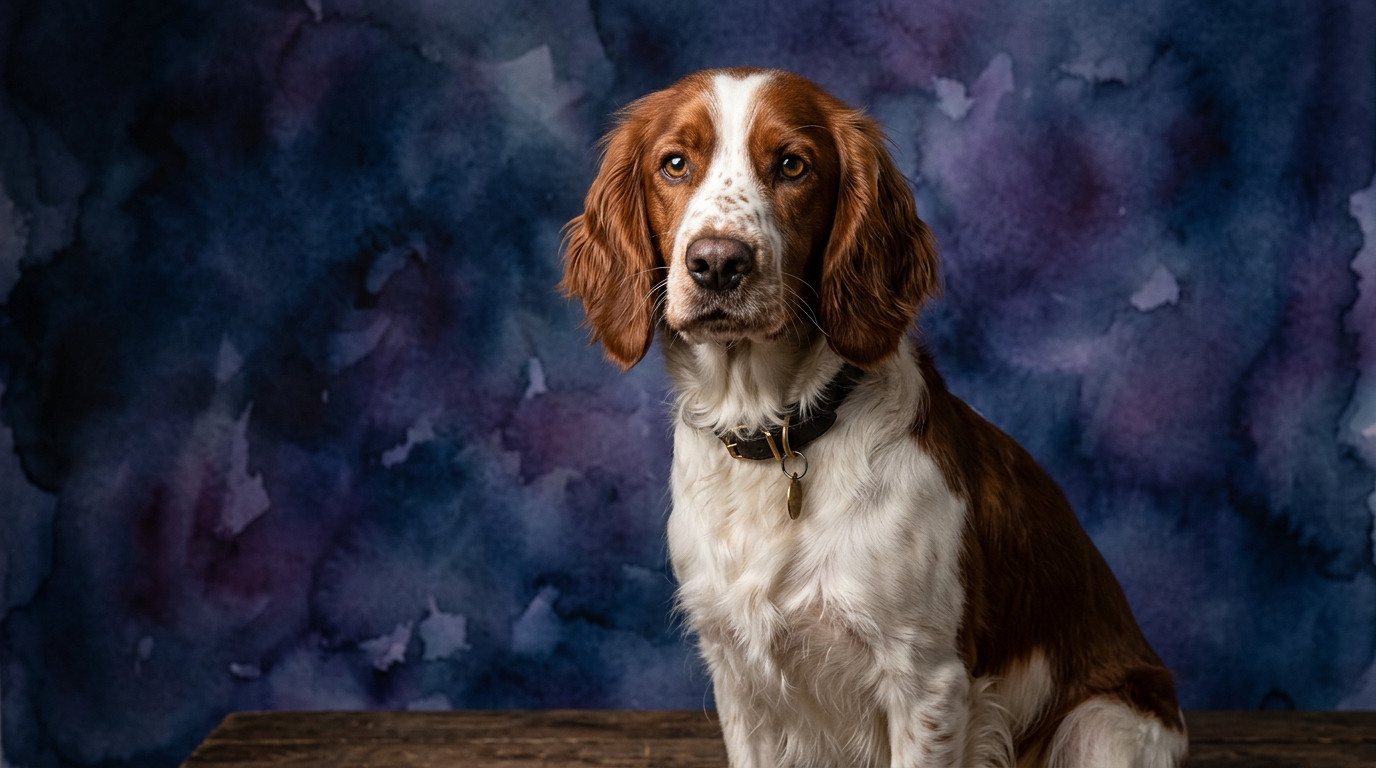
The Cosmic Pet IQ Lab evaluates canine cognition across five crucial dimensions, offering a granular view of each breed’s mental aptitudes. For the Welsh Springer Spaniel, a Sporting Group member Coren-ranked at #31, we see a profile optimized for collaborative work and learning. Its Problem Solving is rated 4/5, indicating a capacity to analyze and resolve novel situations with adaptability, often involving human interaction. Training Speed also scores 4/5, reflecting an eagerness to learn and retain commands efficiently, making them responsive companions. Social Intelligence stands at 3/5, signifying a solid ability to interpret human cues and integrate into family dynamics, while Instinctive Drive, also 3/5, channels their natural retrieving and scenting abilities into directed tasks. Finally, Memory, at 4/5, ensures excellent retention of learned behaviors and routines, contributing to their reliability.
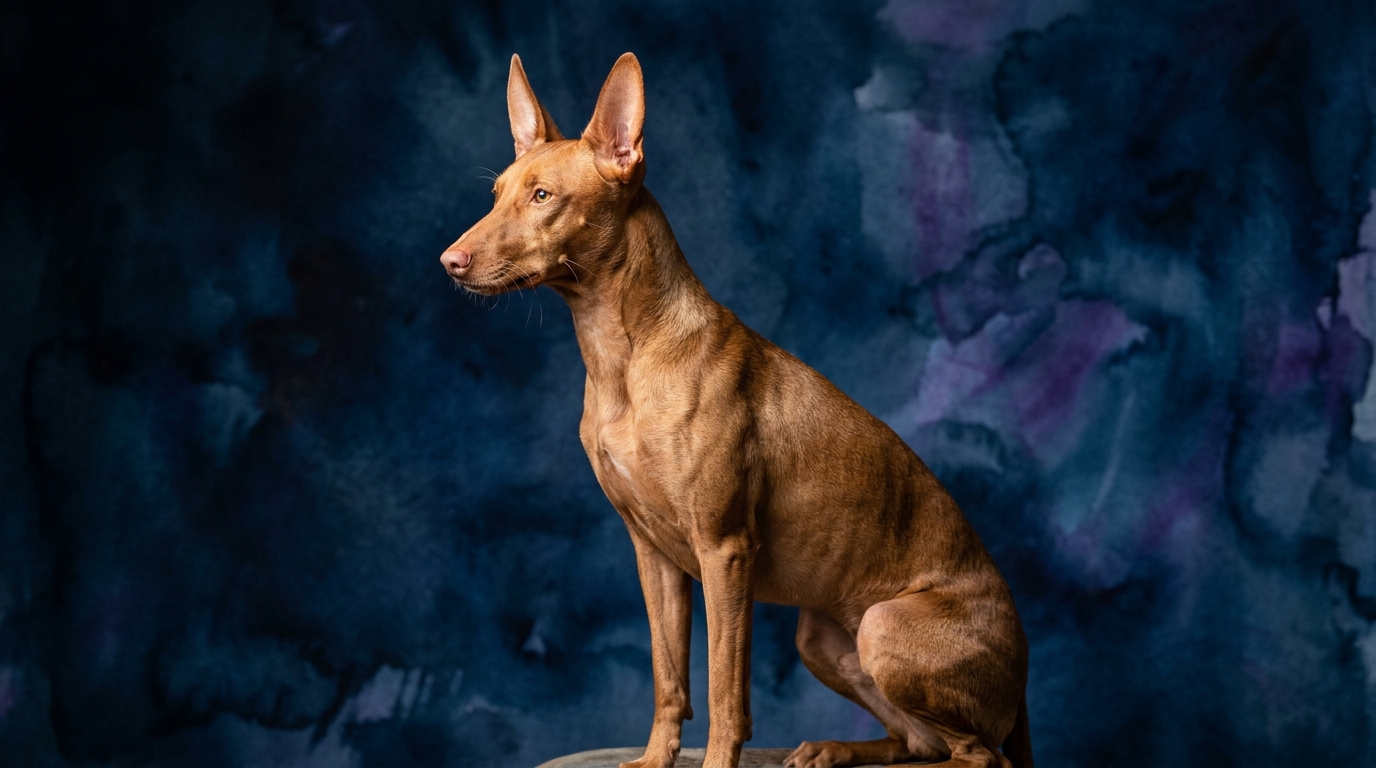
In contrast, the Pharaoh Hound, a sighthound breed not included in Coren’s ranking, presents a cognitive makeup honed for independent hunting in challenging environments. Its Problem Solving is rated 3/5, suggesting practical intelligence for navigating terrain and pursuing prey, though perhaps less inclined towards complex, abstract human-devised puzzles. Training Speed also rates 3/5, implying a moderate learning pace that requires consistent, engaging methods to capture their attention. Social Intelligence is 3/5, indicating they form deep bonds with their family but may exhibit a reserved demeanor with strangers, valuing their personal space. Instinctive Drive, also 3/5, reflects a powerful prey drive centered on sight and speed, often leading to autonomous decision-making in pursuit. Their Memory, at 3/5, is sufficient for remembering established routines and familiar environments, but may not encompass the extensive command sets a more biddable breed might master.
Where the Welsh Springer Spaniel Wins Cognitively
The Welsh Springer Spaniel’s cognitive strengths demonstrably shine in areas demanding cooperative effort and structured learning, outperforming the Pharaoh Hound in Problem Solving, Training Speed, and Memory. Their 4/5 Problem Solving aptitude means they are more inclined to engage with and successfully navigate human-designed challenges, such as learning complex agility courses or figuring out puzzle toys that require sequential steps. This isn't just about raw processing power, but a willingness to apply learned rules in varied contexts, often seeking human approval or guidance.
Their superior Training Speed (4/5) is a direct reflection of their biddable nature and strong desire to work alongside their handler. They grasp new commands and routines with impressive efficiency, making them a joy to teach in obedience, rally, or field work. This rapid uptake is significantly bolstered by their 4/5 Memory, allowing them to recall a broader repertoire of commands and intricate sequences over extended periods. For tasks requiring sustained focus on human direction and the application of previously learned concepts, the Welsh Springer Spaniel consistently demonstrates a more aligned and proficient cognitive approach.
Where the Pharaoh Hound Wins Cognitively
While the Pharaoh Hound’s numerical scores might appear modest compared to the Welsh Springer Spaniel, their cognitive profile represents a different, equally effective specialization. Their true cognitive 'wins' lie in the nuanced application of their instincts for independent function, particularly in environments where human direction is secondary to self-reliance. The 3/5 rating in Problem Solving, for instance, isn't a deficit in intelligence, but rather a focus on practical, real-world solutions pertinent to their sighthound heritage – rapidly assessing terrain, predicting prey movement, and executing efficient chase strategies without explicit command. This requires lightning-fast observational skills and decisive action, a form of intelligence that thrives in the field.
Their Instinctive Drive (3/5), while numerically similar, manifests as a powerful, independent prey drive that demands rapid, autonomous decisions. This cognitive pathway allows them to process visual stimuli with extreme speed and initiate pursuit with minimal hesitation, a critical trait for a sighthound. While their Training Speed (3/5) might be perceived as slower in a traditional obedience setting, it reflects a selective engagement with human-centric tasks, prioritizing their innate drive for the chase. Their Memory (3/5) is well-tuned to recall hunting grounds, familiar routes, and the nuances of their environment, demonstrating a spatial and practical memory crucial for their historical role, even if it doesn't prioritize an extensive list of human commands.
Training Dynamics: Which is Easier and Why
When it comes to ease of training, the Welsh Springer Spaniel holds a distinct advantage, primarily due to its higher Training Speed (4/5) and cooperative temperament. These spaniels typically exhibit a strong desire to please their owners, making them highly responsive to positive reinforcement methods. They thrive on engaging with their human companions, finding joy in learning new tasks and performing commands. Their 4/5 Memory ensures that once a command is learned, it is retained effectively, leading to reliable responses and consistent performance across various activities, from basic obedience to complex canine sports.
The Pharaoh Hound, conversely, presents a more significant training challenge. Their 3/5 Training Speed reflects an independent spirit and a sighthound's inherent focus on visual stimuli and the thrill of the chase. While they can and do learn, consistency, patience, and highly motivating rewards are paramount. Their strong Instinctive Drive (3/5) towards prey means that a squirrel or distant movement can instantly override any command, making off-leash reliability a considerable hurdle. Their Social Intelligence (3/5) means they form deep bonds, but this doesn’t always translate into a desire for constant human direction, often preferring to make their own decisions when their instincts are piqued. Successful training with a Pharaoh Hound involves understanding and working with, rather than against, their independent nature.
Lifestyle Match: Active Owners vs. Relaxed Owners
Both the Welsh Springer Spaniel and the Pharaoh Hound are active breeds, meaning neither is ideally suited for truly 'relaxed' owners who prefer minimal engagement or exercise. However, their exercise needs and how they prefer to interact during activity differ significantly. The Welsh Springer Spaniel is an excellent match for active owners who enjoy interactive, cooperative pursuits. They thrive on long hikes, retrieving games, agility courses, obedience training, and field work where they can engage mentally and physically alongside their human. Their cooperative nature makes them eager partners in adventure, seeking out shared experiences and feeling fulfilled when given a 'job' to do.
The Pharaoh Hound, while equally active, suits owners who appreciate and can accommodate bursts of intense physical exertion, often more independently. They require secure, expansive areas for running at top speed, such as large fenced yards or supervised lure coursing tracks, to truly satisfy their sighthound instincts. After these exhilarating sprints, they can be surprisingly calm and relaxed indoors, often enjoying quiet time with their family. They are well-suited for owners who understand their independent streak and are prepared for a strong prey drive that necessitates secure containment and careful management during outdoor excursions. They may not always seek constant interactive play but will bond deeply with those who respect their unique needs.
The Verdict: When to Choose Each Breed
The Verdict
Choose the Welsh Springer Spaniel if you desire a biddable, cooperative companion eager for shared activities and intellectual challenges, thriving on consistent engagement and a clear partnership. They excel in structured learning and active family life.
Opt for the Pharaoh Hound if you admire independent grace and a quiet, deep bond, prepared to accommodate a powerful prey drive with secure running spaces and understanding their unique, self-reliant cognitive priorities.
🧠 Find Your Pet's IQ Score
Our Pet IQ Lab assessment covers 25+ tests across 5 cognitive dimensions — personalized to your breed.
Take the Full IQ Test →Frequently Asked Questions
Are Pharaoh Hounds difficult to train?
Pharaoh Hounds can be more challenging to train than many breeds due to their independent sighthound nature and strong prey drive. They require consistent, positive reinforcement, and high-value rewards, with patience being key to success. Off-leash reliability is a significant training goal that demands dedicated effort.
Do Welsh Springer Spaniels need a lot of exercise?
Yes, Welsh Springer Spaniels are an active sporting breed requiring substantial daily exercise, encompassing both physical activity and mental stimulation. They thrive on long walks, retrieving games, and engaging in canine sports like agility or obedience, which fulfill their desire for a 'job' and cooperative interaction.
Which breed is better for first-time dog owners?
For first-time dog owners, the Welsh Springer Spaniel is generally a more forgiving choice due to its biddable nature and eagerness to please, making training more straightforward. The Pharaoh Hound's independent streak and strong prey drive can be challenging for inexperienced owners to manage effectively, requiring a deeper understanding of sighthound specific behaviors.