
Side-by-Side IQ Profiles: A Cognitive Snapshot
The Welsh Springer Spaniel, ranked #31 by Coren for working and obedience intelligence, presents a robust cognitive blueprint. Its Problem Solving score of 4/5 indicates a capacity for navigating complex situations and learning from experience, demonstrating adaptability beyond simple commands. Matched by a Training Speed of 4/5, this breed processes new instructions efficiently, often showing a keen desire to engage and cooperate in structured learning environments. Their Memory, also 4/5, underpins this training aptitude, allowing them to retain learned behaviors and cues over extended periods, a crucial trait for their historical role in the field. Social Intelligence, at 3/5, suggests a generally agreeable nature but perhaps with a degree of independent focus, while an Instinctive Drive of 3/5 reflects a moderate, manageable expression of their hunting heritage, channeling their natural inclinations effectively without overwhelming intensity.
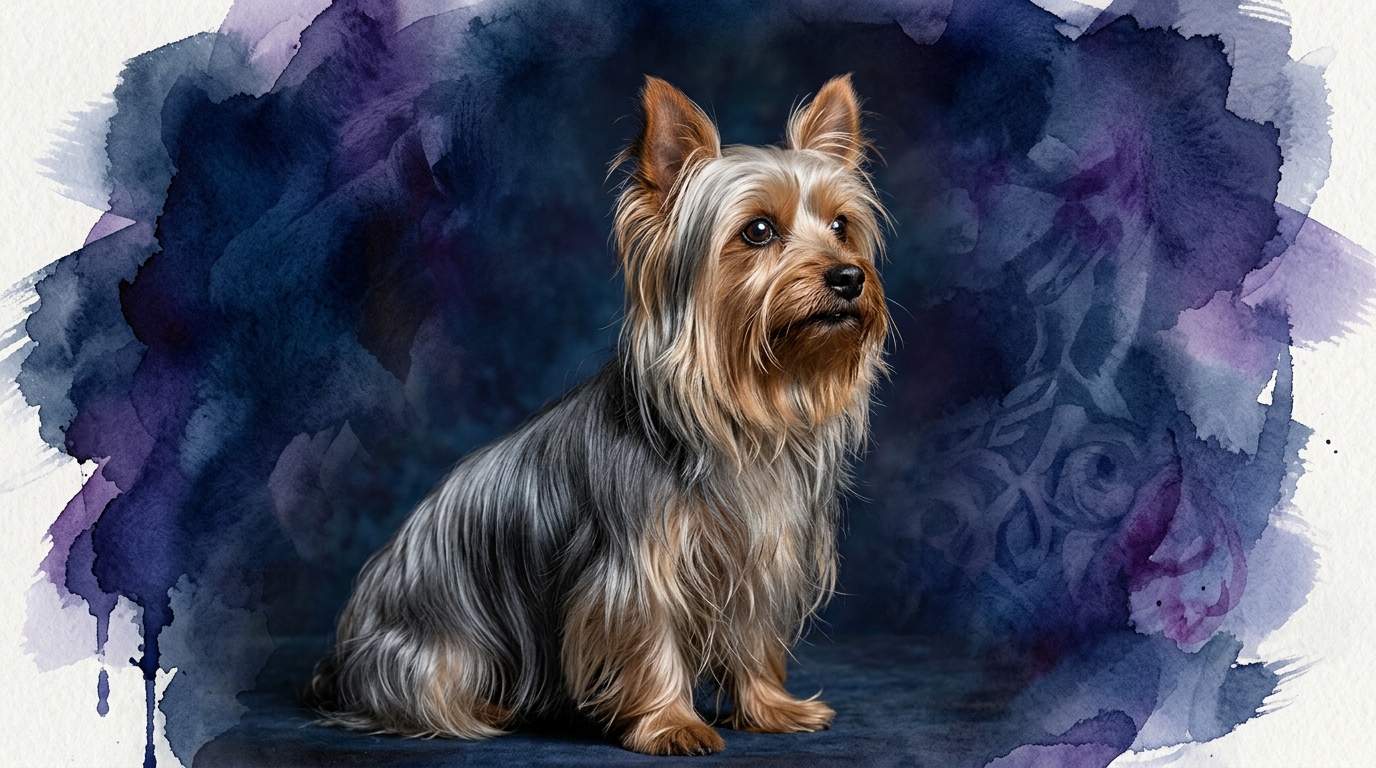
In contrast, the Silky Terrier, though not Coren-ranked, possesses a distinct and equally functional cognitive profile for its breed purpose. With a Problem Solving score of 3/5, the Silky exhibits a practical, tenacious approach to challenges, often employing clever workarounds rooted in self-reliance rather than seeking human guidance immediately. Their Training Speed of 3/5 indicates a capable learner, though they may require more consistent motivation and varied methods to maintain engagement compared to more eager-to-please breeds. A Memory score of 3/5 supports their ability to learn routines and commands, albeit potentially needing more reinforcement for long-term retention. Both Social Intelligence and Instinctive Drive also register at 3/5; the former suggests an ability to form strong, often selective, bonds and interpret social cues within their immediate circle, while the latter points to a persistent, focused drive, particularly evident in their vermin-hunting origins, manifesting as alert vigilance and determined pursuit of small objects.
Where the Welsh Springer Spaniel Excels Cognitively
The Welsh Springer Spaniel's cognitive strengths are particularly pronounced in areas demanding consistent application of learned skills and adaptable problem-solving. Their 4/5 scores in both Problem Solving and Training Speed mean they not only grasp new concepts quickly but also apply that understanding to overcome novel obstacles. For instance, a Welsh Springer is more likely to independently figure out how to retrieve a toy stuck under furniture after a few demonstrations, or swiftly adapt to a new agility course layout. This combination of rapid learning and practical application makes them highly responsive partners for complex tasks or sequential commands, showing a clear advantage in structured learning and performance. Their superior memory (4/5) further cements this, ensuring that once a skill is mastered, it is reliably retained, making them highly consistent in their learned behaviors and expectations.
Where the Silky Terrier's Cognitive Strengths Shine
While the Silky Terrier's scores might appear numerically lower, their cognitive profile excels in areas requiring tenacity, self-sufficiency, and focused determination, traits perfectly aligned with their small game hunting lineage. Their 3/5 Problem Solving, though not as high as the Welsh Springer, manifests as a clever, persistent resourcefulness. A Silky might not immediately follow a complex multi-step solution, but they will likely experiment with various approaches to achieve their goal, often with an independent streak. This can be seen in their ability to outsmart perceived barriers in their environment or persistently 'work' at a puzzle toy until it yields its reward. Furthermore, their 3/5 Instinctive Drive, while moderate, is sharp and focused, enabling them to excel in tasks requiring vigilance and quick, decisive action, such as alerting to unusual sounds or 'hunting' for hidden treats with intense concentration. This focused drive, combined with their practical problem-solving, makes them remarkably effective at tasks requiring independent initiative within their immediate domain.
Training Dynamics: Eagerness vs. Independence
When it comes to training, the Welsh Springer Spaniel generally presents a more straightforward and rewarding experience for many owners, primarily due to their 4/5 Training Speed and inherent eagerness to please. They typically respond well to positive reinforcement and clear directives, quickly forming associations between commands and actions. Their strong memory (4/5) means fewer repetitions are needed for skill acquisition and retention, making progress feel consistent and efficient. They thrive on collaborative training sessions, viewing them as an engaging activity to share with their human.
The Silky Terrier, with a 3/5 Training Speed, requires a different approach. While capable of learning, their independent spirit and tenacious nature mean that training sessions need to be kept engaging, varied, and often shorter to maintain their interest. They are less inherently inclined to 'please' and more motivated by what benefits them directly, such as high-value treats or exciting play. Owners might find that a Silky will 'test the boundaries' more frequently, requiring patience and consistent boundaries to reinforce desired behaviors. Their problem-solving (3/5) might even manifest as trying to outsmart the trainer, demanding a creative and firm hand to guide their learning effectively.
Matching Cognitive Profiles to Lifestyles
The Welsh Springer Spaniel's cognitive and physical attributes align well with active owners who enjoy engaging their dog in various activities. Their blend of robust problem-solving, rapid training uptake, and moderate instinctive drive makes them suitable for dog sports like agility, obedience, or scent work, where they can apply their intellect and athleticism. Owners who appreciate a canine partner eager for structured activity and consistent interaction will find the Welsh Springer Spaniel's cognitive profile a perfect match. Their energy levels and need for mental engagement mean they thrive in environments where they are given jobs to do, whether that's retrieving, learning new tricks, or accompanying their owners on long, stimulating walks.
The Silky Terrier, while spirited, can be a better fit for owners seeking a companion with a distinct personality and a moderate activity level, perhaps less focused on competitive sports. Their tenacious problem-solving and focused instinctive drive make them excellent alert dogs and engaging companions for those who appreciate a dog with a mind of its own. They enjoy exploring their immediate surroundings, 'hunting' for toys, and engaging in interactive play that stimulates their natural curiosity. While they enjoy walks and playtime, their needs are often met with consistent daily engagement rather than extensive, highly structured activities, making them suitable for owners who enjoy a clever, watchful, and affectionate presence in a home setting, without the demands of a high-drive working breed.
The Verdict
Choose the Welsh Springer Spaniel if you seek a highly trainable, eager-to-please companion for structured activities and intellectual challenges, thriving on consistent engagement and a 'job'.
Opt for the Silky Terrier if you appreciate a clever, tenacious, and independent companion who offers alert vigilance and forms strong, loyal bonds, thriving with consistent, engaging, and patient guidance.
🧠 Find Your Pet's IQ Score
Our Pet IQ Lab assessment covers 25+ tests across 5 cognitive dimensions — personalized to your breed.
Take the Full IQ Test →Frequently Asked Questions
Are Silky Terriers difficult to train due to their independence?
Silky Terriers are capable learners with a 3/5 training speed, but their independent nature means they respond best to engaging, positive reinforcement methods and consistent boundaries. They may require more patience and creativity from their owner to maintain focus and motivation during training sessions.
Do Welsh Springer Spaniels require a lot of mental stimulation?
Yes, Welsh Springer Spaniels, with their 4/5 problem-solving and memory, thrive on mental engagement. They enjoy learning new commands, participating in dog sports, and engaging in activities that challenge their intellect and utilize their natural abilities.
Which breed is better suited for families with children?
Both breeds score 3/5 in social intelligence, suggesting they can form strong bonds, but their suitability depends on individual temperament and proper socialization. The Welsh Springer Spaniel's eager-to-please nature might make them more adaptable, while the Silky Terrier's independent streak means interactions with children should always be supervised, teaching both dog and child respect.