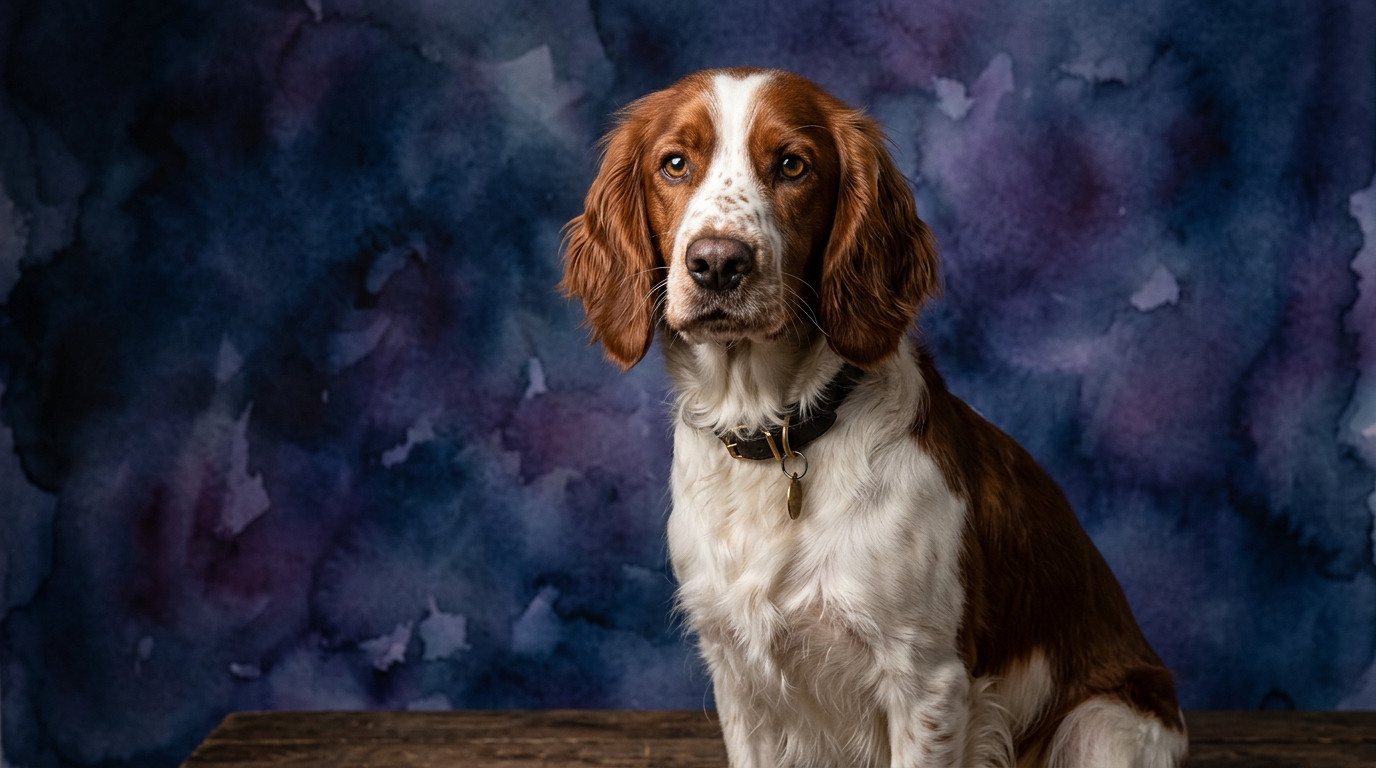
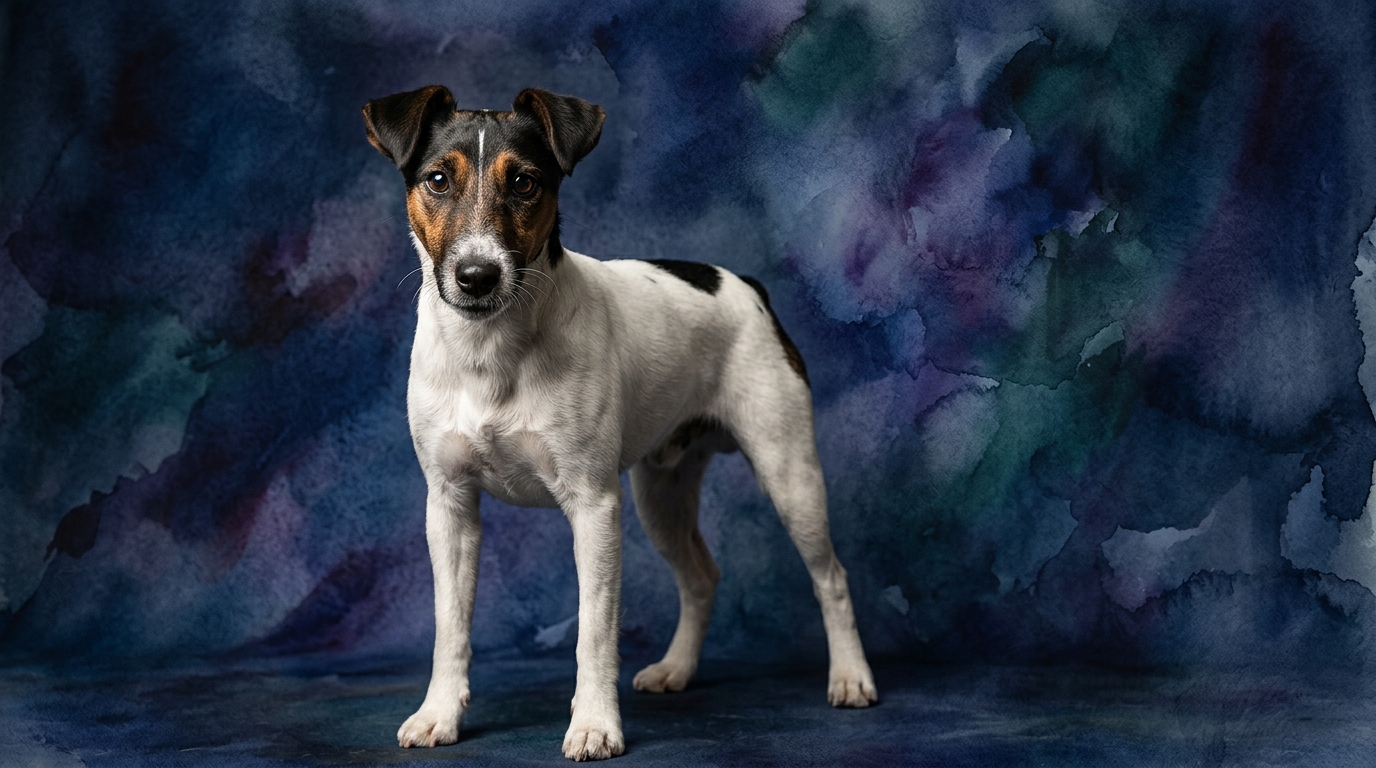
Side-by-Side IQ Profile: Welsh Springer Spaniel vs. Smooth Fox Terrier
**Welsh Springer Spaniel (Sporting Group, Coren Rank #31)**: Exhibiting a strong capacity for independent thought, this breed often devises effective strategies for complex situations, such as retrieving objects or locating scents. Their cognitive flexibility allows them to adapt solutions to new challenges rather than relying on rote learning (Problem Solving 4/5). Possessing a keen desire to please and quick grasp of new commands, Welsh Springers typically learn tasks rapidly. Their attentiveness and focus make them responsive students, eager for structured learning (Training Speed 4/5). Welsh Springers demonstrate moderate social understanding, forming strong bonds with human companions and interpreting cues within their immediate family. While amiable, their social circle often focuses on primary caretakers (Social Intelligence 3/5). Rooted in their retrieving and flushing heritage, Welsh Springers possess a moderate, purposeful instinctive drive for scent work and bringing objects back. This can be channeled effectively into canine sports or structured hunting simulations (Instinctive Drive 3/5). With a robust memory, these spaniels retain learned commands, routines, and experiences over extended periods. This strong recall contributes significantly to their trainability and consistent behavior, allowing them to build upon past lessons (Memory 4/5).
**Smooth Fox Terrier (Terrier Group, Not Coren-Ranked)**: Smooth Fox Terriers approach challenges with determination and distinct terrier tenacity, often employing persistence and trial-and-error to overcome obstacles. Their problem-solving is typically geared towards practical, immediate goals (Problem Solving 3/5). While capable of learning, Smooth Fox Terriers can present a more independent streak during training, often requiring engaging methods and consistent motivation. They learn at a steady pace, but their focus can sometimes be diverted by environmental stimuli (Training Speed 3/5). These terriers exhibit a practical social intelligence, understanding hierarchy and boundaries within their immediate family. They are perceptive of their owner's mood but often express their affection and engagement on their own terms, sometimes with confident independence (Social Intelligence 3/5). Driven by their history as vermin hunters, Smooth Fox Terriers possess a strong, focused instinctive drive to chase, dig, and investigate. This drive is highly specific and manifests as a persistent pursuit of small prey or intriguing scents (Instinctive Drive 3/5). Smooth Fox Terriers possess a functional memory for routines and commands, retaining information adequately for daily life and consistent training. Their recall is reliable, though sometimes their independent nature might influence their immediate compliance rather than a lapse in memory (Memory 3/5).
Where the Welsh Springer Spaniel Wins Cognitively
The Welsh Springer Spaniel clearly excels in areas demanding nuanced cognitive processing and collaborative effort. Their superior Problem Solving (4/5) means they are more likely to analyze a situation and devise a solution rather than simply reacting, making them adept at complex tasks like advanced obedience or agility courses where strategy is key. This breed's high Training Speed (4/5) also positions them as particularly receptive students, absorbing new commands with remarkable efficiency. An owner seeking a dog that quickly grasps sequential commands or intricate behavioral chains will find the Welsh Springer Spaniel's cognitive architecture highly rewarding. Furthermore, their robust Memory (4/5) ensures that these learned behaviors and solutions are retained over time, leading to consistent performance and a deeper understanding of established routines and expectations. This combination of quick learning, strategic thinking, and strong retention makes them outstanding partners for activities requiring precision and engagement.
Where the Smooth Fox Terrier Wins Cognitively
While the Smooth Fox Terrier's scores might appear lower in some categories, their cognitive strengths lie in areas demanding grit, independence, and focused determination. Their Instinctive Drive (3/5) is uniquely channeled towards a persistent pursuit of objectives, making them unparalleled in tasks requiring sustained focus on a specific, often singular, goal like tracking a scent or solving a puzzle box designed to simulate prey work. Their Problem Solving (3/5), though not as abstract as the WSS, is highly practical and applied with tenacious effort; they won't give up easily when faced with a challenge. This breed's cognitive profile is optimized for autonomous problem-solving in the field, where self-reliance and an unwavering focus on the task at hand are paramount. For owners who value a dog with a strong, independent spirit, the Smooth Fox Terrier's distinct cognitive strengths truly shine, particularly in activities that tap into their innate prey drive and investigative nature.
Which is Easier to Train and Why
Evaluating ease of training requires understanding both a breed's cognitive capacity and its willingness to cooperate. The Welsh Springer Spaniel, with its 4/5 Training Speed and 4/5 Memory, generally presents a more straightforward training experience. Their inherent desire to work alongside their human companions, combined with their quick grasp of instructions, means they typically learn new commands and complex routines with fewer repetitions. Their higher Problem Solving score also suggests they can generalize learned behaviors more readily to different situations. In contrast, the Smooth Fox Terrier, while possessing a functional 3/5 Training Speed and 3/5 Memory, often brings a strong independent streak and a formidable instinctive drive to the training arena. While they are certainly capable of learning, their attention can be more easily diverted by environmental stimuli, and their strong-willed nature means they might choose to prioritize their own interests over immediate compliance. Training a Smooth Fox Terrier often requires more creativity, patience, and high-value rewards to maintain engagement and channel their natural drive effectively. Owners will find the Welsh Springer Spaniel more eager to please and less prone to 'selective hearing,' generally easier to shape through positive reinforcement.
Which Suits Active Owners vs. Relaxed Owners
The cognitive and physical demands of these two breeds naturally align with different owner lifestyles. The Welsh Springer Spaniel, a Sporting breed, thrives with active owners who can provide consistent mental stimulation and physical exercise. Their moderate instinctive drive and high trainability make them excellent companions for activities like hiking, retrieving games, agility, and obedience trials, all of which satisfy their need for purposeful engagement. They require regular opportunities to use their problem-solving skills and memory in structured activities. The Smooth Fox Terrier, while also requiring activity, suits owners who appreciate a dog with a distinct, independent zest for life and who are prepared to manage a strong prey drive. They excel with active owners who enjoy engaging in activities like earthdog trials, lure coursing, or long, varied walks where their keen senses and investigative nature can be indulged. Their independence means they might be content with periods of self-directed exploration in a secure yard, but they still need consistent interaction and mental challenges to prevent boredom. Neither breed suits a purely sedentary lifestyle; the Welsh Springer Spaniel thrives on collaborative activities, while the Smooth Fox Terrier enjoys purposeful, often independent, exploration tapping into its terrier instincts.
The Verdict
Choose the Welsh Springer Spaniel if you desire a highly trainable, collaborative companion eager to engage in complex activities and consistent routines, valuing a strong memory and problem-solving partner.
Opt for the Smooth Fox Terrier if you appreciate an independent, tenacious companion with a focused drive, perfect for owners who enjoy channeling a strong prey instinct into purposeful, engaging activities.
🧠 Find Your Pet's IQ Score
Our Pet IQ Lab assessment covers 25+ tests across 5 cognitive dimensions — personalized to your breed.
Take the Full IQ Test →Frequently Asked Questions
Do Welsh Springer Spaniels get along with other pets?
Welsh Springer Spaniels generally possess a moderate social intelligence and can coexist peacefully with other pets, especially if introduced thoughtfully. Their sporting background means they might have a moderate prey drive, so supervision with very small animals is always wise, but they typically adapt well within a harmonious household.
Are Smooth Fox Terriers good for first-time dog owners?
Smooth Fox Terriers, with their independent nature and strong instinctive drives, can be a rewarding challenge but might be better suited for owners with some prior dog experience. Their tenacity and need for consistent, engaging training require an owner who understands how to channel their energy and maintain leadership effectively.
How much exercise do these breeds need daily?
Both breeds are active and require substantial daily exercise. A Welsh Springer Spaniel benefits from at least an hour of vigorous activity, including walks, fetching, or training sessions. A Smooth Fox Terrier also needs significant exercise, often enjoying varied activities that allow them to explore and satisfy their prey drive, such as long walks, chasing, or structured play, totaling an hour or more.