Side-by-Side IQ Profile
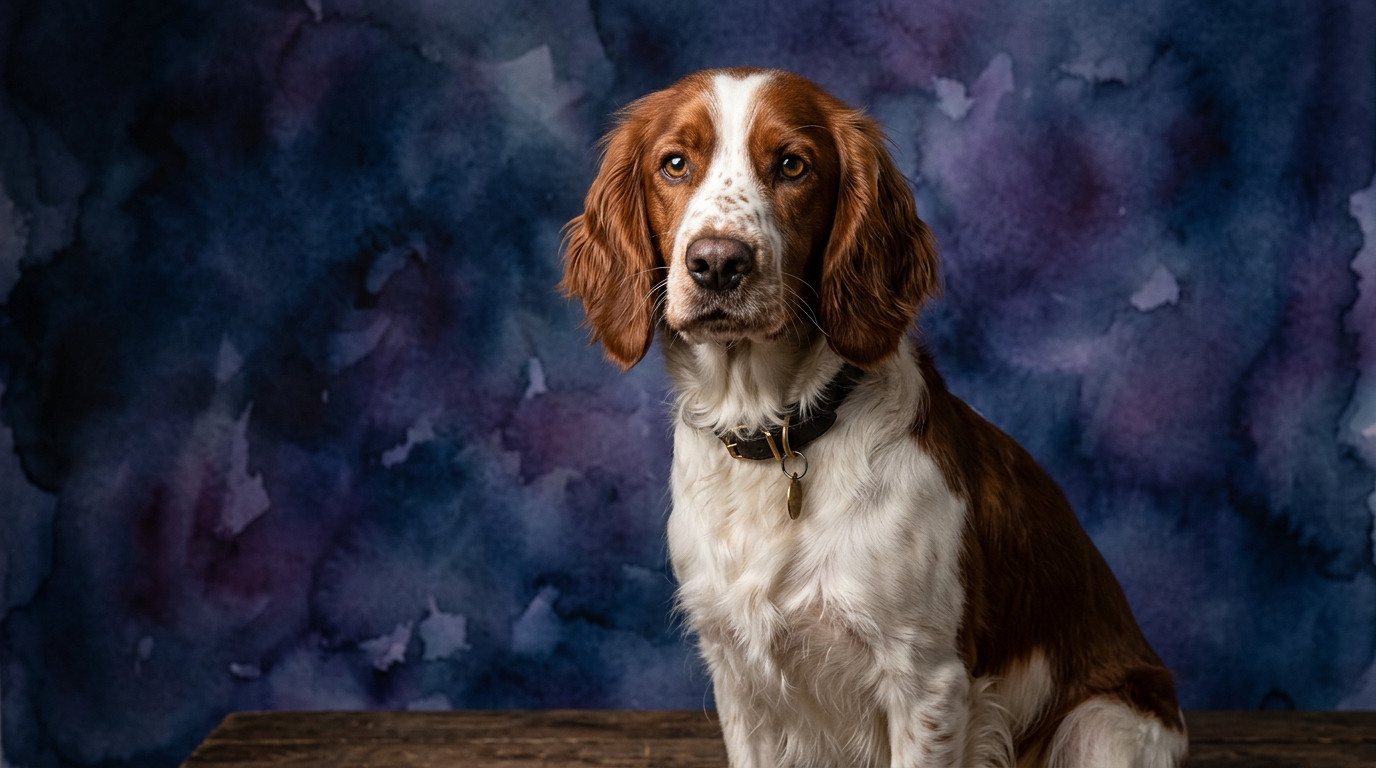
The Cosmic Pet Pet IQ Lab assesses canine intelligence across five critical dimensions, offering a detailed look into each breed's cognitive strengths. The Welsh Springer Spaniel, a Sporting Group member, carries a Coren rank of #31, indicating a strong capacity for obedience and working intelligence. Its Problem Solving score of 4/5 suggests an aptitude for navigating novel situations and figuring out solutions, while its Training Speed, also 4/5, points to a rapid grasp of commands and routines. Memory, at 4/5, ensures these learned behaviors and solutions are retained effectively over time. Social Intelligence, rated 3/5, indicates a reasonable capacity to understand human cues and social dynamics, and an Instinctive Drive of 3/5 highlights a moderate natural inclination for tasks associated with its heritage, such as flushing game.
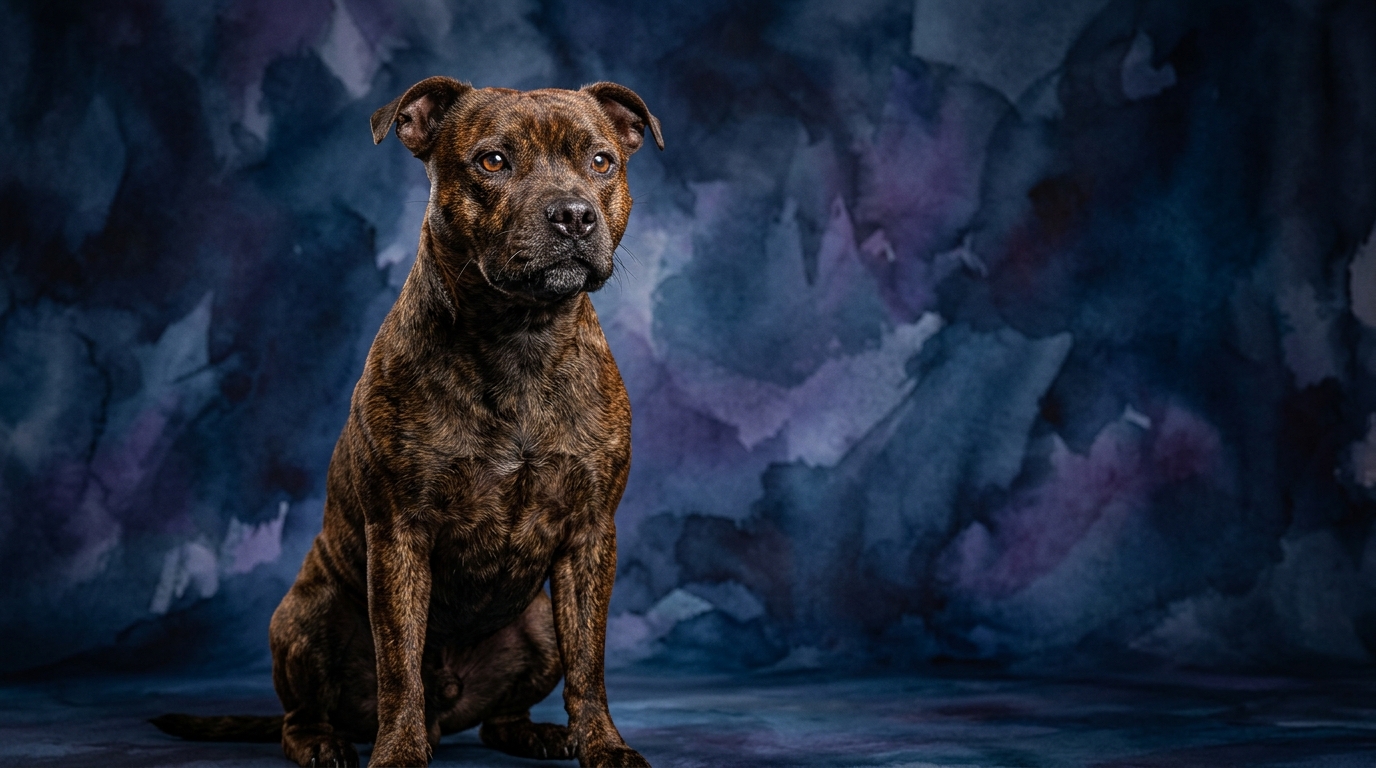
In contrast, the Staffordshire Bull Terrier, a Terrier Group breed, is not listed on Coren's traditional ranking, reflecting a different set of working priorities and historical roles. Across all five IQ dimensions – Problem Solving, Training Speed, Social Intelligence, Instinctive Drive, and Memory – the Staffordshire Bull Terrier consistently scores 3/5. This uniform rating suggests a robust, balanced set of cognitive abilities that, while perhaps not excelling in one specific area over another in the same way the Welsh does, provides a foundation of reliability. A 3/5 in Problem Solving indicates a practical approach to challenges, often relying on tenacity. A 3/5 in Training Speed means they learn steadily, requiring consistent methods. Their 3/5 in Social Intelligence reflects an ability to connect with humans and understand social structures, often with a strong emphasis on family bonds. Finally, a 3/5 Instinctive Drive points to a moderate but persistent drive rooted in their terrier heritage, often expressed as determination and prey drive, and Memory at 3/5 means they retain what they learn with consistent reinforcement.
Where Welsh Springer Spaniel Wins Cognitively
The Welsh Springer Spaniel's cognitive profile demonstrates clear advantages in specific areas, particularly those related to structured learning and adaptive problem-solving. With a Problem Solving score of 4/5, they exhibit a notable capacity for independent thought and strategic action when faced with new scenarios, such as figuring out how to retrieve a toy from an unusual spot or navigating a complex scent trail. This higher score means they are less likely to become frustrated by obstacles and more apt to experiment with different approaches until they find a successful one.
Furthermore, their Training Speed of 4/5 is a significant cognitive edge, indicating a quicker assimilation of new commands and routines. Owners of Welsh Springers often report that their dogs pick up new cues with fewer repetitions compared to many other breeds. This efficiency in learning makes them highly receptive to advanced obedience, agility, and field work, where rapid understanding and execution are paramount. Coupled with a Memory score of 4/5, the Welsh Springer Spaniel not only learns quickly but also retains that knowledge reliably, making training efforts more enduring and building a strong foundation for a complex repertoire of behaviors. This combination of swift learning and robust retention positions them as highly adaptable partners in various canine activities.
Where Staffordshire Bull Terrier Wins Cognitively
While the Staffordshire Bull Terrier's consistent 3/5 scores across the IQ dimensions might appear moderate, these ratings coalesce into a unique cognitive strength centered around resilience, focused determination, and profound social engagement. Their 3/5 in Problem Solving, rather than indicating a lack of ability, often manifests as a tenacious, practical approach. They may not devise the most intricate solution, but their sheer persistence and refusal to give up on a task, whether it's getting a favorite toy from under the couch or navigating a puzzle feeder, is a cognitive asset. This determination allows them to overcome challenges through sheer will and repeated effort.
The Staffy's 3/5 Social Intelligence, while not as highly rated for nuanced human-reading as some breeds, translates into an unwavering devotion and an intuitive understanding of their family's emotional states. They excel at forming deep, empathetic bonds, often acting as sensitive companions who are acutely aware of their owner's mood. This social connection is a powerful motivator, allowing them to excel in tasks where human interaction and praise are central. Their 3/5 Instinctive Drive, rooted in their terrier heritage, contributes to a focused intensity in play and specific tasks. This isn't a broad, far-ranging drive but a concentrated, unwavering focus on the task at hand, whether it's a game of tug or a focused training session, making them incredibly present and engaged companions in the moment.
Which is Easier to Train and Why
When comparing ease of training, the Welsh Springer Spaniel generally holds an advantage due to its higher Training Speed (4/5) and Memory (4/5). These scores indicate that Welsh Springers typically process new information more quickly and retain commands with fewer repetitions. Their Sporting Group heritage means they are often eager to please and possess a natural inclination to work collaboratively with their handlers, making them highly responsive to positive reinforcement methods. A Welsh Springer is likely to grasp a new obedience cue, such as 'stay' or 'heel,' in a relatively short number of sessions, and reliably perform it later. Their higher problem-solving ability also means they can generalize learned behaviors to new environments more readily, reducing the need for extensive re-training in different contexts.
The Staffordshire Bull Terrier, with a Training Speed and Memory of 3/5, requires a more patient and consistent approach. While certainly trainable, they might take a few more repetitions to solidify a new command. Their terrier tenacity and strong independent streak mean that training sessions need to be engaging, fair, and consistent to prevent them from becoming bored or deciding they have better things to do. They respond best to clear, firm, and positive reinforcement, often thriving when training is framed as a fun, interactive game. While they may not learn as quickly as a Welsh Springer, once a Staffy has learned something, their inherent determination ensures they perform it with conviction, provided the motivation is there. The key difference lies in the *speed* of acquisition and the *consistency* required for long-term retention without constant refreshers.
Which Suits Active Owners vs Relaxed Owners
Choosing between these breeds based on lifestyle involves understanding their energy levels and intrinsic drives. The Welsh Springer Spaniel, with its Sporting dog background, is undoubtedly better suited for active owners. Their Instinctive Drive of 3/5, combined with their problem-solving and training speed, means they thrive on purpose and physical exertion. They require regular, vigorous exercise – daily runs, long hikes, or engaging in canine sports like agility, flyball, or scent work. A Welsh Springer left under-stimulated can become bored and potentially develop undesirable behaviors. They are ideal companions for owners who enjoy outdoor adventures and are prepared to dedicate time to mental and physical enrichment, channeling their natural retrieving and flushing instincts into constructive outlets.
The Staffordshire Bull Terrier, while possessing a 3/5 Instinctive Drive and needing regular exercise, can adapt to a wider range of owner activity levels, making them potentially suitable for both moderately active and some more relaxed owners, provided their specific needs are met. Their exercise requirements are substantial but can often be satisfied with daily brisk walks, vigorous play sessions in a secure yard, or short bursts of high-intensity activity. Unlike the far-ranging instincts of a Springer, a Staffy's drive is often more focused and intense in shorter bursts. They are highly people-oriented, and their social intelligence (3/5) means they are often content to spend quality time with their family, even if it's a relaxed evening on the couch, as long as their core exercise and mental stimulation needs have been met earlier in the day. They are not typically dogs that require miles of running every day, but they do need engagement and focused attention.
The Verdict
Choose the Welsh Springer Spaniel if you are an active owner seeking a highly trainable, quick-learning companion for canine sports, outdoor adventures, or a partner that excels in complex obedience and field work.
Opt for the Staffordshire Bull Terrier if you value a tenacious, profoundly loyal, and socially attuned companion who thrives on focused engagement and family interaction, and you are prepared for consistent, positive training.
🧠 Find Your Pet's IQ Score
Our Pet IQ Lab assessment covers 25+ tests across 5 cognitive dimensions — personalized to your breed.
Take the Full IQ Test →Frequently Asked Questions
Do Welsh Springer Spaniels bark a lot?
Welsh Springer Spaniels can be vocal, often using their voices to alert to new arrivals or express excitement. Consistent training from a young age can help manage excessive barking, channeling their communication into appropriate contexts.
Are Staffordshire Bull Terriers good with children?
Staffordshire Bull Terriers are often referred to as 'nanny dogs' due to their deep affection and patience with children, earning a 3/5 in social intelligence. However, like any breed, proper socialization and supervision are crucial to ensure safe interactions.
How much exercise do these breeds need daily?
The Welsh Springer Spaniel requires substantial daily exercise, typically 60-90 minutes of vigorous activity. Staffordshire Bull Terriers need 45-60 minutes of brisk activity or focused play to stay content and healthy.