
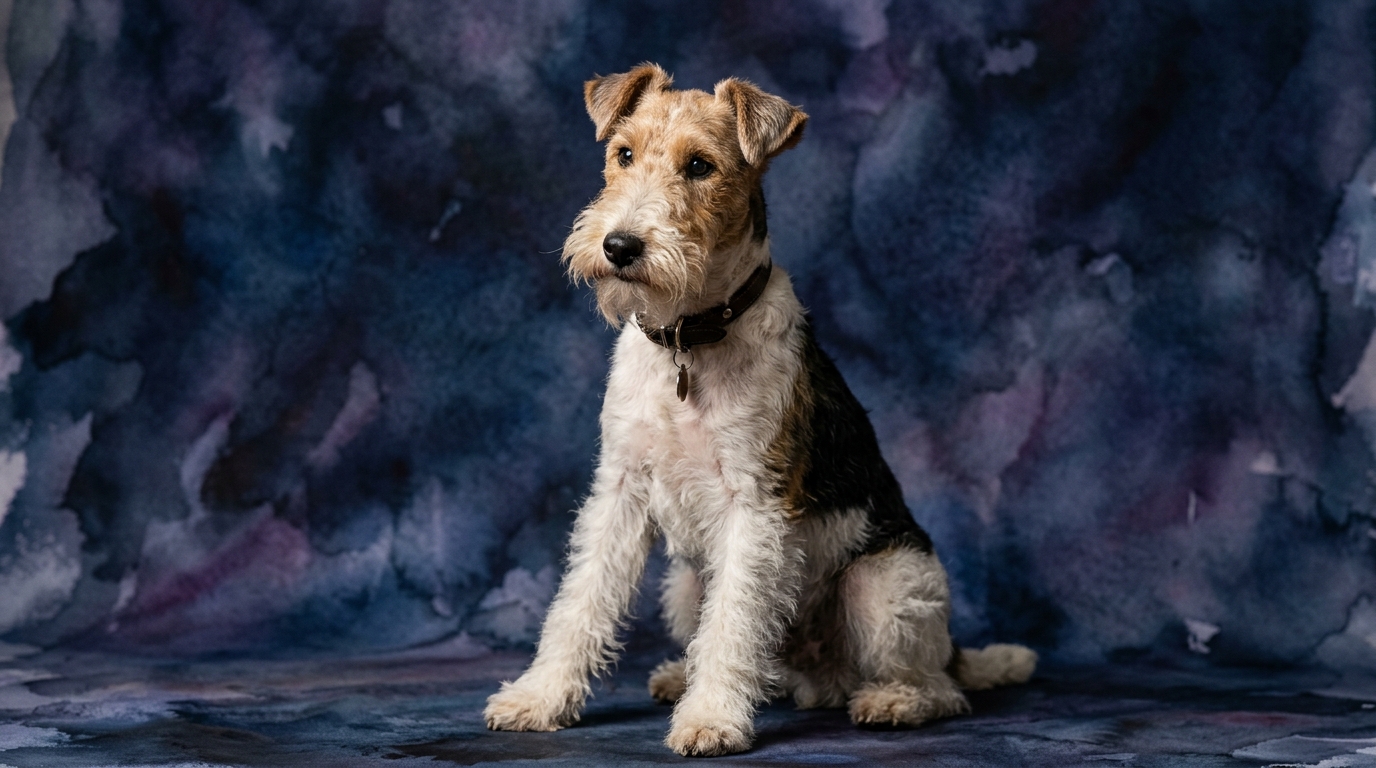
Side-by-Side IQ Profile: Sporting Grace vs. Terrier Tenacity
The Cosmic Pet Pet IQ Lab employs a five-dimensional framework to dissect canine intelligence, revealing the nuanced strengths of each breed. For the Welsh Springer Spaniel, a Sporting Group dog with a Coren ranking of #31, its cognitive profile reflects a history of partnership and precision. Its Problem Solving is rated at 4/5, indicating an aptitude for navigating complex tasks and understanding multi-step sequences, essential for flushing game effectively. Training Speed also stands at 4/5, showcasing a readiness to absorb new commands and routines with relative ease. Social Intelligence is assessed at 3/5, suggesting a capacity for harmonious interaction within a family unit, though perhaps not with the overt demonstrativeness of some other breeds. Instictive Drive, at 3/5, points to a focused prey drive for flushing and retrieving, which is generally manageable. Finally, Memory, at 4/5, underpins its ability to retain learned behaviors and environmental knowledge consistently.
The Wire Fox Terrier, a spirited member of the Terrier Group, presents a distinct cognitive makeup, though not currently featured on the Coren ranking list. Its Problem Solving is rated at 3/5, reflecting a practical, often physical, approach to overcoming obstacles, driven by an inherent curiosity and persistence. Training Speed similarly holds a 3/5 rating, indicating a steady learning pace that benefits from consistent, engaging methods tailored to its independent nature. Social Intelligence, also at 3/5, suggests it can integrate well into social settings, though its focus might often be diverted by environmental exploration rather than constant human-centric interaction. Its Instictive Drive is 3/5, strongly oriented towards independent hunting and digging for vermin, which requires diligent management. Memory, at 3/5, demonstrates a solid capacity to recall routines and areas of interest, though novel stimuli might sometimes override less frequently reinforced commands.
Cognitive Edge: Where the Welsh Springer Spaniel Excels
The Welsh Springer Spaniel's cognitive strengths primarily lie in its collaborative problem-solving and rapid acquisition of handler-directed tasks. With a 4/5 in Problem Solving, these dogs adeptly learn intricate sequences required for obedience, agility, or field work, often anticipating their handler's next move. Their superior Training Speed (4/5) means they grasp new concepts quickly, making initial training periods efficient and less prone to frustration for both dog and owner. This proficiency stems from a desire to work alongside humans, a trait deeply embedded in their flushing spaniel heritage. Furthermore, their 4/5 Memory ensures that once a command or routine is learned, it is retained with impressive consistency, allowing for advanced training and reliable performance over time. This makes them particularly suited for owners who value a responsive and predictable partner in various activities, from competitive dog sports to complex service tasks.
Cognitive Edge: Where the Wire Fox Terrier Shines
While perhaps not as swift in initial training as the Springer, the Wire Fox Terrier's cognitive advantages are rooted in its tenacious independence and practical application of intelligence to instinctual drives. Its 3/5 in Problem Solving, though numerically lower, reflects a different kind of cleverness: one focused on autonomous decision-making to achieve a goal, often involving creative physical solutions like finding ways around or through barriers to pursue an interesting scent. This breed doesn't wait for direction; it assesses and acts. Their consistent 3/5 in Instinctive Drive means they possess an unwavering determination when pursuing their quarry, a cognitive fortitude that allows them to remain focused on a task despite distractions. This persistence is a valuable cognitive trait for their original purpose and translates into a dog that approaches challenges with an unyielding spirit. Owners who appreciate a dog with a strong, independent will and a clever, persistent approach to its environment will find the Wire Fox Terrier's cognitive makeup highly engaging.
Training Dynamics: Cooperation vs. Conviction
When it comes to ease of training, the Welsh Springer Spaniel generally offers a more straightforward experience. Their 4/5 Training Speed and 4/5 Memory, combined with a strong desire to please their handler, mean they pick up commands quickly and retain them effectively. For instance, a Springer will often respond to a recall command with enthusiasm, eager to return to their person, making off-leash work less challenging to establish. They thrive on positive reinforcement and consistent methods, building upon learned behaviors to achieve complex tasks with relative ease. Their cooperative nature minimizes the need for extensive repetition once a concept is understood, allowing for progression to more advanced skills.
The Wire Fox Terrier, with 3/5 scores across Problem Solving, Training Speed, and Memory, requires a different training approach. While capable of learning, their independent spirit and strong instinctive drive (3/5) mean they demand more creative engagement and consistent motivation. For example, a Wire Fox Terrier might be more inclined to follow an intriguing scent trail than to immediately obey a recall, requiring more effort to build a reliable response. Training sessions need to be kept short, fun, and varied to hold their attention and prevent boredom. Their inherent persistence, while admirable, can also manifest as stubbornness if they don't see the immediate value in a command. Owners must be patient, firm, and inventive, channeling the terrier's natural drive and cleverness into desired behaviors rather than trying to suppress their spirited nature.
Lifestyle Match: Activity Levels and Owner Temperament
The Welsh Springer Spaniel is an excellent match for active owners who enjoy structured outdoor activities and seek a cooperative companion. Their moderate instinctive drive and desire for partnership mean they thrive in environments where they can engage in hiking, running, or dog sports alongside their human. While they require consistent physical and mental stimulation, they are also content to settle down indoors after a good exercise session, making them adaptable to families that enjoy both adventure and quiet evenings. They are not suited for truly relaxed owners who prefer a sedentary lifestyle, as their intelligence and energy demand an outlet, but they offer a balanced temperament for those who appreciate an active yet amiable presence.
The Wire Fox Terrier, on the other hand, is best suited for highly active, experienced owners who appreciate and can manage a dog with a robust, independent personality and a significant need for engagement. Their strong instinctive drive, particularly for chasing and digging, necessitates secure environments and consistent mental challenges to prevent boredom and destructive behaviors. They are not content to be couch potatoes; they need regular, vigorous exercise, structured play, and opportunities to use their problem-solving skills in constructive ways. Owners who are equally spirited, enjoy tackling challenges, and can provide firm, consistent leadership while appreciating a dog's independent streak will find a rewarding partnership with a Wire Fox Terrier. They are less suitable for relaxed owners seeking a low-maintenance, always-compliant companion, as their tenacity requires an owner who is equally persistent and committed.
The Verdict
Choose the Welsh Springer Spaniel if you seek a cooperative, adaptable companion eager for structured activities, quick to learn, and reliably responsive to your guidance.
Opt for the Wire Fox Terrier if you desire a spirited, tenacious, and independent partner who thrives on mental challenges and consistent, firm guidance from an equally active owner.
🧠 Find Your Pet's IQ Score
Our Pet IQ Lab assessment covers 25+ tests across 5 cognitive dimensions — personalized to your breed.
Take the Full IQ Test →Frequently Asked Questions
Which breed is generally better with children?
The Welsh Springer Spaniel, with its more cooperative nature and generally more amenable temperament, often integrates more smoothly into family dynamics with children. Their desire to please and moderate energy levels make them good playmates, provided interactions are supervised.
Are Wire Fox Terriers difficult to house-train?
Wire Fox Terriers are not inherently difficult to house-train, but their independent nature and strong drive require consistent, structured routines and vigilance. They can be prone to marking or digging if not properly managed, so early and thorough training is key.
Which breed is better for a first-time dog owner?
For a first-time dog owner, the Welsh Springer Spaniel is generally a more forgiving choice due to its higher training speed and cooperative nature. The Wire Fox Terrier's independent spirit and strong drive often require an owner with more experience in consistent leadership and managing a tenacious personality.