A Deeper Look at Identical IQ Scores
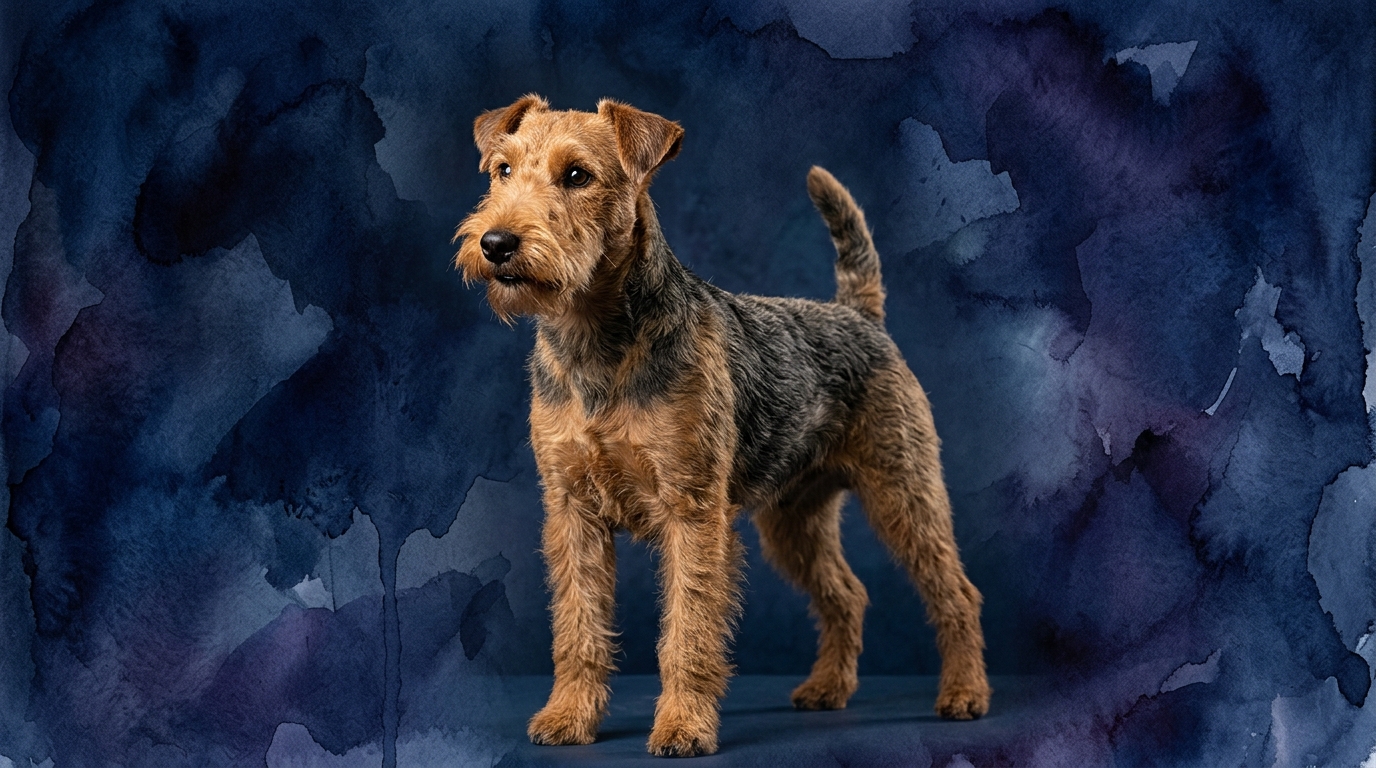
The Welsh Terrier, a spirited member of the terrier group, registers a 3/5 across all five cognitive dimensions in the Pet IQ Lab. Their Problem Solving at 3/5 reflects a capacity for independent thought, often involving clever strategies to access desired objects or navigate complex environments, driven by their inherent curiosity. Training Speed, also 3/5, indicates they can learn new commands and routines with consistent effort, though their independent nature means engagement and variety are key to maintaining focus.
Social Intelligence at 3/5 suggests they are adept at reading human emotions and intentions, often forming strong bonds, but their self-assured temperament means they might not always prioritize human directives over their own interests. Their Instinctive Drive, scoring 3/5, manifests as a pronounced prey drive, a persistent urge to dig, and a readiness to alert with vocalizations, all rooted in their historical role as vermin hunters. Finally, their Memory at 3/5 means they retain learned behaviors and recognize familiar individuals and routines well, contributing to their adaptability in various home settings.
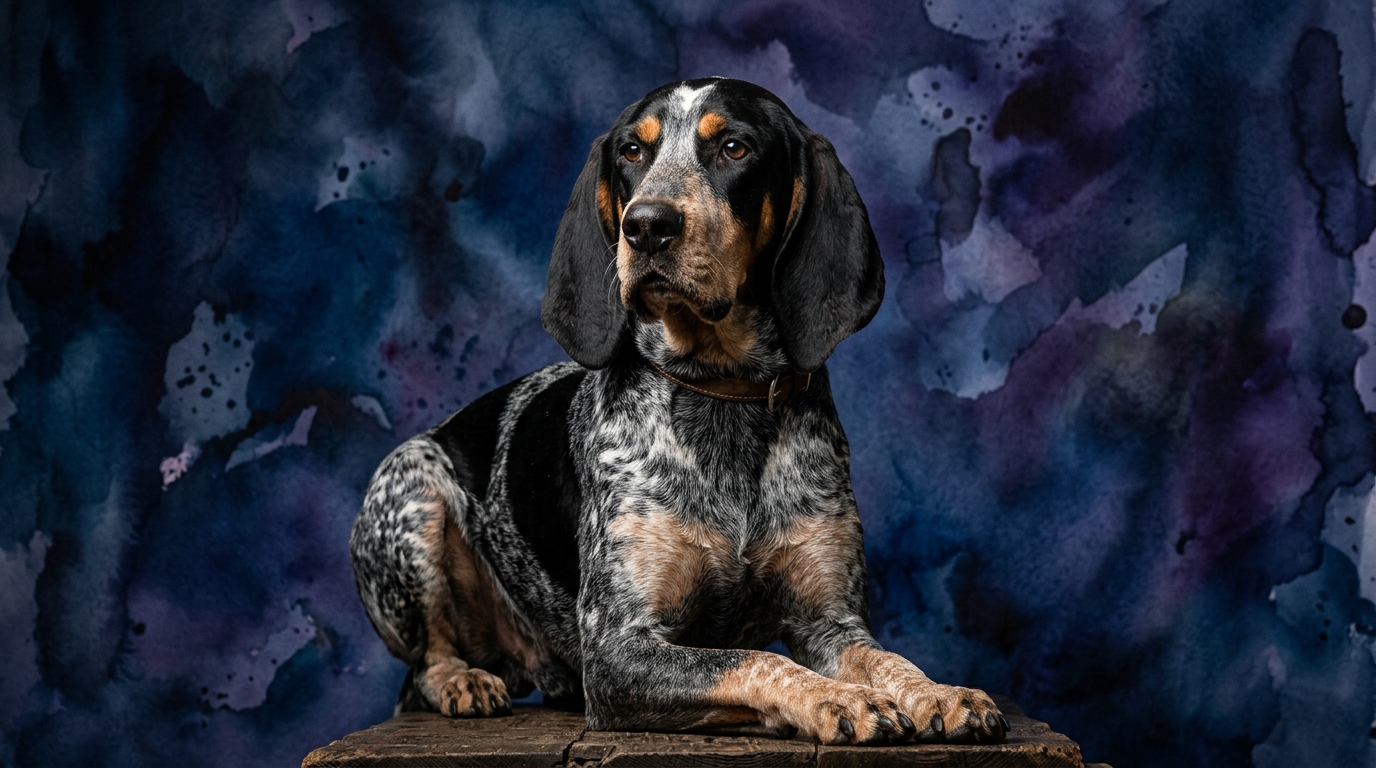
In contrast, the Bluetick Coonhound, a quintessential hound, also achieves a 3/5 across all cognitive dimensions, yet their expressions of these traits are distinctly different. Their Problem Solving at 3/5 typically revolves around their primary function: dissecting complex scent trails, logically tracing a path, or overcoming physical obstacles in pursuit of a quarry, demonstrating a methodical approach. Training Speed, rated 3/5, signifies they are capable learners, particularly when tasks align with their natural drives, but their profound olfactory focus can make sustained attention on human-centric commands challenging amidst tempting scents.
Social Intelligence at 3/5 indicates they are generally amiable and responsive to their human family, understanding social hierarchies within a pack or household, but their independent hunting drive can sometimes override immediate social cues. Their Instinctive Drive, a strong 3/5, is overwhelmingly dominated by their powerful scenting ability and an enduring desire to track, accompanied by their characteristic baying vocalizations when on a trail. Their Memory, also 3/5, is particularly strong for scent patterns, geographical layouts encountered during hunts, and established daily routines, proving crucial for their working tasks.
Welsh Terrier's Cognitive Edge: Resourcefulness and Adaptability
The Welsh Terrier's cognitive strengths often manifest in their remarkable resourcefulness within varied environments. With their 3/5 in Problem Solving, they excel at tasks requiring quick, independent decisions and manipulation, such as figuring out how to open a cabinet door or retrieve a toy from a tight spot. Their terrier tenacity means they will often persist through trial and error, demonstrating a focused determination to achieve their immediate goal, whether it's unearthing a buried treasure or outsmarting a puzzle toy. This adaptability allows them to thrive in diverse living situations, from suburban homes to more rural settings, adjusting their problem-solving strategies to the immediate challenges presented.
Furthermore, their 3/5 Social Intelligence, combined with their instinctive drive, allows them to skillfully navigate interactions, often quickly assessing a situation to determine if an opportunity for play or a "chase" is present. They are adept at using their charm and engaging nature to solicit attention or initiate activities with their human companions, demonstrating a nuanced understanding of social dynamics within their immediate family unit. This combination of independent problem-solving and social engagement makes them particularly adept at navigating the complexities of a human household.
Bluetick Coonhound's Cognitive Prowess: Olfactory Focus and Endurance
The Bluetick Coonhound's cognitive superiority lies undeniably in its specialized olfactory processing and sustained mental endurance. Their 3/5 in Problem Solving is inextricably linked to their extraordinary sense of smell; they are masters at dissecting and interpreting complex scent information, effectively "reading" a landscape through their nose. This involves not just following a trail, but understanding its age, direction, and the nuances of the quarry's path, often requiring intricate mental mapping over vast distances and varied terrains. Their ability to maintain intense focus on a single, compelling scent for hours, overriding other environmental stimuli, is a testament to their unique cognitive specialization.
Their 3/5 Instinctive Drive, channeled into tracking, represents a profound cognitive dedication. Once on a scent, their memory (3/5) for past trails and their learned strategies for navigating obstacles come into full play, allowing them to systematically pursue their objective with unwavering purpose. This deep-seated, persistent focus is a distinct cognitive advantage when the task at hand is a long-term, scent-driven pursuit, making them exceptionally effective in their traditional role.
Training Approaches: Navigating Independence vs. Instinct
When considering ease of training, both breeds score 3/5 in Training Speed, but their challenges stem from different behavioral roots. The Welsh Terrier's independence and strong will, inherent in its terrier nature, mean that training requires creativity, consistency, and positive reinforcement to keep them engaged. They learn quickly when motivated, but if a command seems less interesting than an alternative (like chasing a squirrel), their attention can waver. Owners must establish themselves as reliable leaders and make training sessions feel like a game, preventing boredom and fostering willing participation. Their tendency to make their own decisions means a nuanced understanding of their motivations is crucial.
For the Bluetick Coonhound, the primary training hurdle is their overwhelming instinctive drive towards scent. While they are capable of learning, as indicated by their 3/5 Training Speed, a compelling scent can instantly override any command, making off-leash reliability particularly challenging in uncontrolled environments. Training success hinges on patience, consistency, and starting in low-distraction environments, gradually introducing more stimuli. Techniques that integrate scent work into training, or use high-value rewards to compete with scent distractions, are often effective. Their social intelligence allows them to understand expectations, but their nose often dictates their immediate priorities.
Matching Canine Intellect to Owner Lifestyles
Neither the Welsh Terrier nor the Bluetick Coonhound is suited for a truly relaxed, sedentary owner; both require significant mental and physical engagement. The Welsh Terrier thrives with owners who enjoy a variety of activities. Their 3/5 problem-solving and instinctive drive make them excellent candidates for earthdog trials, agility, or engaging puzzle toys that challenge their quick thinking and tenacity. They benefit from daily walks, structured play, and opportunities to explore safely, which satisfy their curiosity and prey drive. An owner who can provide consistent mental stimulation, varied training, and ample physical outlets will find the Welsh Terrier a responsive and rewarding companion.
The Bluetick Coonhound, however, demands a more specialized type of active owner, one prepared for extensive, consistent exercise focused on their powerful scenting abilities. Their endurance and unwavering instinctive drive mean they require long, sustained walks, hikes, or opportunities for scent work that allow them to utilize their exceptional nose. Owners interested in hunting, tracking sports, or even just long, exploratory walks in safe, expansive areas will find the Bluetick truly flourishes. For owners who cannot provide these outlets, the Bluetick's unmet cognitive and physical needs can lead to frustration and undesirable behaviors, underscoring the importance of aligning their unique talents with an appropriate lifestyle.
The Verdict
Choose the Welsh Terrier if you appreciate a tenacious, resourceful companion who enjoys varied activities and can adapt to different challenges within a structured, engaging home environment. Their bold independence and clever problem-solving make them a vibrant, interactive pet for active owners.
Opt for the Bluetick Coonhound if you are an owner dedicated to long, consistent outdoor activities, particularly those involving scent work or extended endurance. Their specialized cognitive focus on tracking demands an owner who can channel their powerful instincts into purposeful, fulfilling pursuits.
🧠 Find Your Pet's IQ Score
Our Pet IQ Lab assessment covers 25+ tests across 5 cognitive dimensions — personalized to your breed.
Take the Full IQ Test →Frequently Asked Questions
Do Welsh Terriers and Bluetick Coonhounds handle new situations similarly?
While both score 3/5 in problem solving, the Welsh Terrier tends to approach new situations with curious, independent exploration, adapting quickly to novel elements. The Bluetick Coonhound, conversely, will likely first assess new environments through scent, prioritizing olfactory information before engaging with other aspects.
How do their memory capabilities differ in practical terms?
Both have a 3/5 memory, but its application varies. A Welsh Terrier's memory is strong for routines, past training commands, and the layout of their immediate territory. A Bluetick Coonhound's memory excels in recalling complex scent trails, the geography of past hunts, and the patterns associated with tracking, making their recall highly specialized.
What does a 3/5 social intelligence mean for each breed's family interaction?
For a Welsh Terrier, 3/5 social intelligence means they form strong bonds and read human cues well, but their independent streak might lead them to prioritize their own interests over constant human interaction. A Bluetick Coonhound's 3/5 social intelligence allows them to be affectionate and understand household dynamics, yet their powerful drive to follow a scent can sometimes make them appear less responsive to immediate human social overtures.