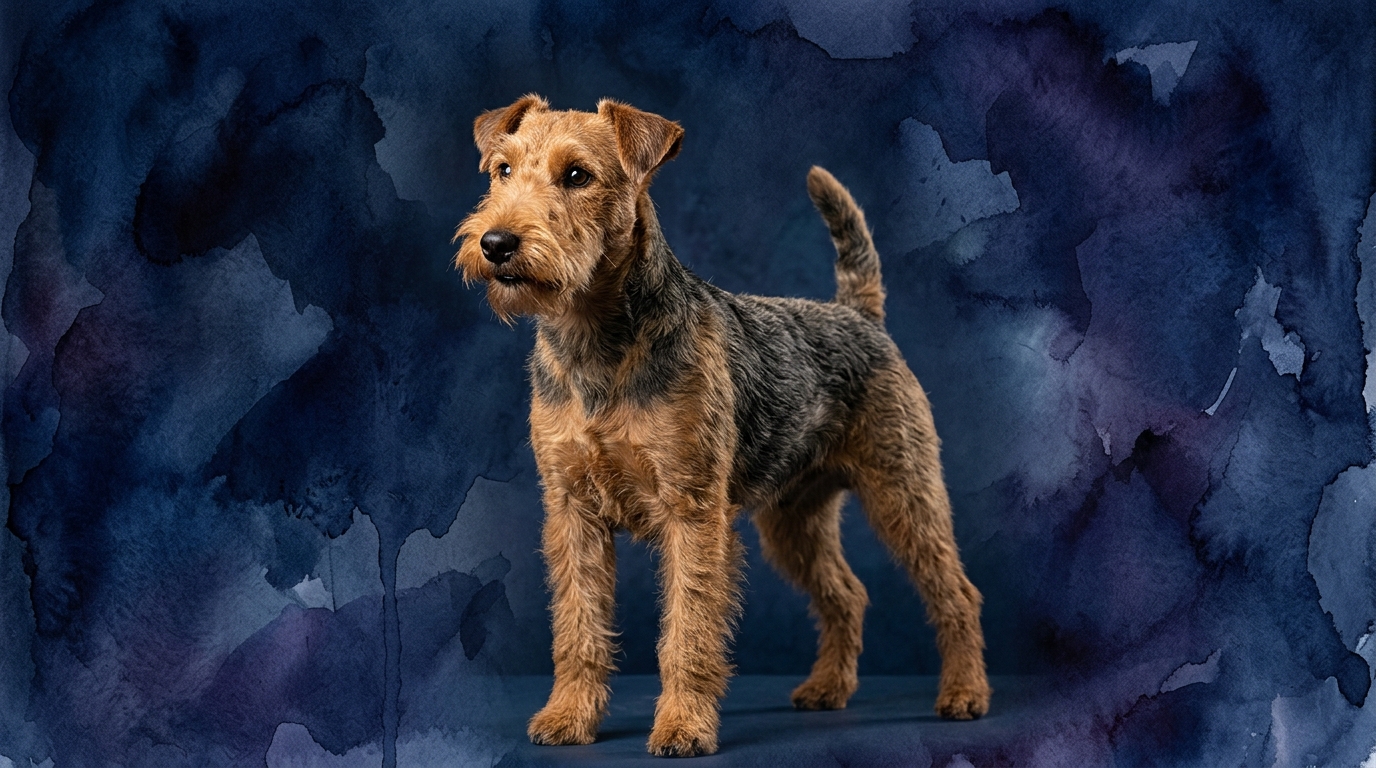
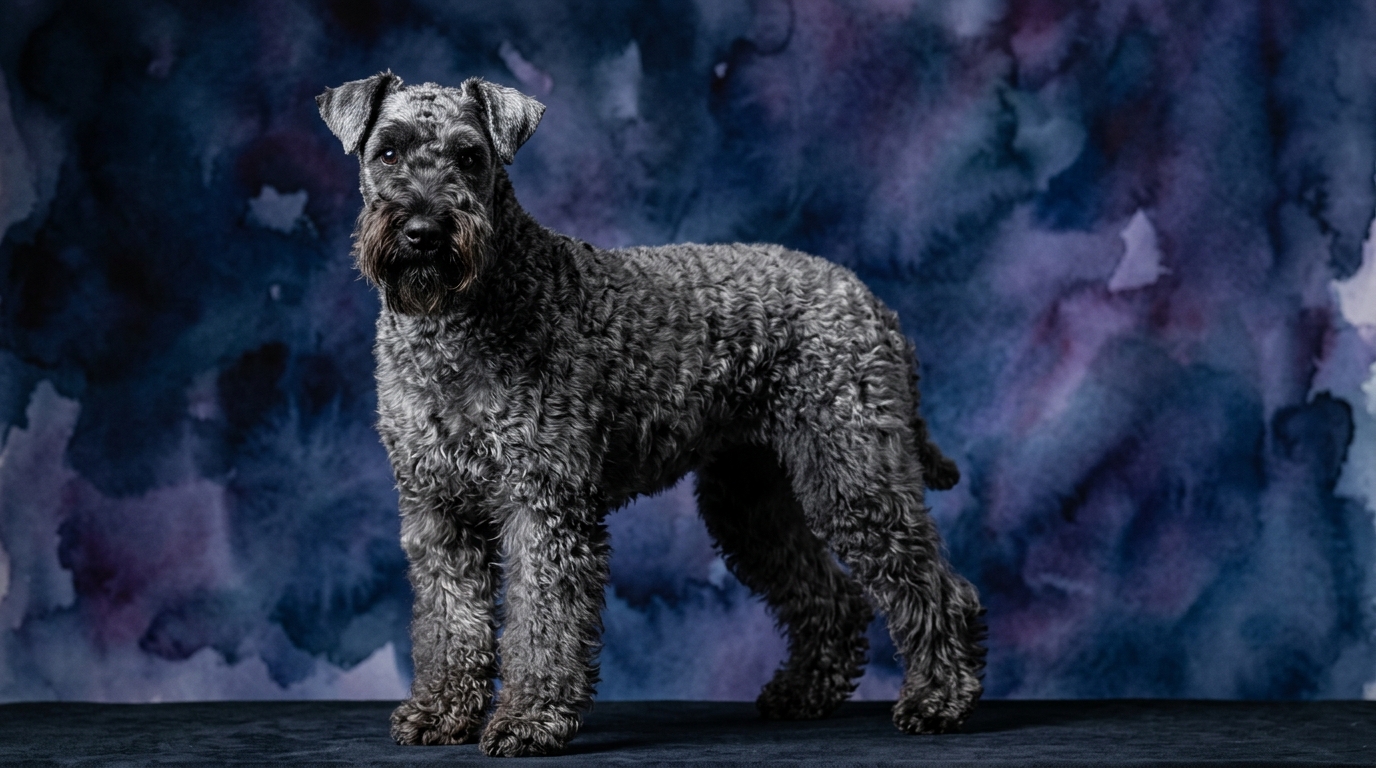
Side-by-Side IQ Profile: Unpacking the 3/5 Scores
The Pet IQ Lab assesses canine intelligence across five key dimensions, and for both the Welsh Terrier and the Kerry Blue Terrier, each receives a solid 3 out of 5. This identical numerical rating, however, belies distinct expressions of their cognitive abilities, shaped by centuries of selective breeding for specific working roles. Understanding these subtle differences is key to appreciating their unique mental landscapes.
For **Problem Solving (3/5)**, the Welsh Terrier demonstrates practical ingenuity in navigating physical environments and persistent pursuit of objectives. Their solutions are typically direct and goal-oriented, reflecting their independent hunting heritage where they needed to outsmart prey in complex underground burrows. The Kerry Blue Terrier, by contrast, exhibits adaptable problem-solving, capable of learning and applying solutions across various contexts, from task-oriented challenges to social dynamics, indicative of their more versatile historical roles.
In **Training Speed (3/5)**, the Welsh Terrier possesses the capacity to grasp new commands and routines efficiently, but their independent nature often dictates the speed of *compliance* rather than *comprehension*. Consistency and high-value rewards are crucial to harness their learning potential and overcome their selective adherence. The Kerry Blue Terrier also shows good aptitude for learning, often responding well to engaging, varied training methods due to their desire for interaction. While quick to understand, their strong will means effective training requires patience, clear communication, and an ability to maintain their interest.
Regarding **Social Intelligence (3/5)**, the Welsh Terrier is astute at reading familiar human cues and understanding established pack dynamics within their immediate family, showing loyalty and protective instincts. They tend to be more reserved with strangers, evaluating new social situations carefully before engaging. The Kerry Blue Terrier exhibits a keen awareness of social dynamics, often more outwardly expressive and capable of interpreting a broader range of human and canine interactions. Their social understanding can be complex, blending a desire for engagement with a natural protective instinct.
The **Instinctive Drive (3/5)** in the Welsh Terrier is characterized by a strong, focused prey instinct, manifested in keen tracking, digging, and chasing behaviors. This drive is a powerful motivator, guiding their exploration and engagement with their environment, particularly when scents are involved. The Kerry Blue Terrier possesses a robust instinctive drive that, while including prey pursuit, also encompasses strong guarding and herding tendencies. This broader range of innate behaviors makes them highly responsive to tasks that tap into these varied natural talents, from vigilance to active engagement.
Finally, for **Memory (3/5)**, the Welsh Terrier displays excellent recall for routines, specific locations, and experiences directly related to their established environment and activities. They recall details pertinent to their independent pursuits, such as the location of favorite digging spots or familiar walking routes. The Kerry Blue Terrier exhibits a strong memory for commands, learned behaviors, and social interactions, allowing them to retain complex training sequences and recognize individuals over time. Their recall is often enhanced by their associative learning capabilities and active engagement with their human partners.
Where the Welsh Terrier Excels Cognitively
The Welsh Terrier exhibits a distinct edge in autonomous problem-solving within natural, unstructured environments. Their history as solitary hunters of foxes and badgers has honed an ability to independently assess and overcome physical obstacles or strategize pursuit without constant human direction. While both breeds score 3/5 in problem-solving, the Welsh Terrier's manifestation leans towards practical, persistent ingenuity in navigating complex terrain or extracting a 'prize,' demonstrating a self-reliance that allows them to work through challenges with minimal intervention. This means they are particularly adept at tasks requiring sustained focus on a single objective, like finding a hidden toy or figuring out how to access a secure area, relying on their own wits rather than seeking human guidance. Their memory for specific locations and successful strategies in these scenarios is also exceptionally strong, allowing them to revisit and refine their approaches.
Where the Kerry Blue Terrier Excels Cognitively
The Kerry Blue Terrier shines particularly in its adaptability and responsiveness within structured, human-centric tasks. While sharing a 3/5 problem-solving score with the Welsh, the Kerry Blue's historical roles, which included not just hunting but also herding and guarding, fostered a cognitive flexibility to switch between different problem types and adapt to varied human expectations. Their social intelligence, while also rated 3/5, often manifests as a more expressive and engaged understanding of human cues, allowing them to excel in dynamic training scenarios or activities requiring a broader range of responses. This makes them subtly more adept at interpreting complex sequences of commands or adjusting their behavior based on nuanced social feedback from multiple individuals, demonstrating a versatile cognitive toolkit for diverse interactions. Their memory for learned behaviors and specific commands is often reinforced by their desire for engagement, making them effective partners in more intricate training regimens.
Which is Easier to Train and Why?
Despite both breeds scoring a 3/5 in training speed, the Kerry Blue Terrier generally presents a slightly smoother training journey for the average owner due to subtle differences in their social engagement and motivation. The Welsh Terrier's strong independent streak, a legacy of its solitary hunting past, means they can be more selective about when and why they choose to obey. While they learn commands quickly when motivated, overcoming their inherent 'what's in it for me?' attitude requires consistent, highly rewarding training sessions and a patient, firm approach. They are not inherently driven by a strong desire to please, making consistency and clear expectations paramount to navigating their intelligent but often headstrong nature.
The Kerry Blue, while equally tenacious and possessing its own independent spirit, often displays a greater willingness to partner with their human. Their social intelligence, even at a 3/5, tends to be more outwardly expressive, and they often respond well to praise and a strong bond with their trainer. This doesn't mean they are pushovers; their intelligence demands engaging, varied training to prevent boredom, but their inclination to interact and their versatility can make them more receptive to learning a wider array of commands and behaviors. Owners might find the Kerry Blue more forgiving of minor inconsistencies, provided the overall relationship is strong and training remains stimulating and fun. Their broader instinctive drives also mean they can be motivated by a wider range of 'jobs' or activities, making training more diverse.
Suitability for Active vs. Relaxed Owners
Both the Welsh Terrier and the Kerry Blue Terrier are undeniably active breeds, making them generally better suited for owners who embrace an active lifestyle. Neither breed is a good fit for truly 'relaxed' owners seeking a sedentary companion. However, the *type* of activity they thrive on differs. The Welsh Terrier, with its pronounced instinctive drive for hunting and digging, flourishes with owners who can provide consistent outlets for these natural behaviors. Long walks with opportunities for sniffing and exploring, challenging puzzle toys that simulate 'finding prey,' and structured playtime are essential. Their energy is often channeled into focused, persistent pursuits, making them excellent companions for hikers or those who enjoy specific outdoor activities that tap into their independent spirit and keen senses.
The Kerry Blue Terrier, while equally energetic, often requires a broader spectrum of engagement. Their versatile history means they enjoy activities that challenge both their physical prowess and their cognitive flexibility. Agility, obedience trials, or even roles that tap into their natural guarding instincts (with proper training) can be highly rewarding. They often enjoy being 'involved' in family activities and can be more boisterous in their play, seeking interaction. Owners who enjoy varied dog sports, or who appreciate a dog that can transition between different types of tasks and thrives on being a central part of family life, might find the Kerry Blue a more natural fit. Both breeds need significant daily exercise and mental stimulation to prevent boredom and destructive behaviors, but the Kerry Blue might appreciate a wider 'job' description and more social engagement in their activities.
The Verdict
Choose the Welsh Terrier if you appreciate an independent, persistent problem-solver, enjoy structured outdoor activities like hiking and exploration, and are prepared for consistent, firm training to channel their focused drive.
Opt for the Kerry Blue Terrier if you seek a versatile, engaged companion who thrives on varied activities and training challenges, and are ready for a more expressive, sometimes boisterous, but highly adaptable personality.
🧠 Find Your Pet's IQ Score
Our Pet IQ Lab assessment covers 25+ tests across 5 cognitive dimensions — personalized to your breed.
Take the Full IQ Test →Frequently Asked Questions
Are Welsh Terriers good family dogs?
Yes, Welsh Terriers form strong, loyal bonds with their families but can be reserved with strangers. Early socialization is crucial to ensure they are comfortable with diverse situations and children, requiring supervision due to their natural terrier exuberance and prey drive.
Is a Kerry Blue Terrier difficult to train?
While intelligent and capable, Kerry Blue Terriers require consistent, engaging training from an early age due to their independent and sometimes strong-willed nature. Their versatility means they respond well to varied methods and activities, but boredom or lack of clear leadership can lead to challenges.
Which breed sheds less, Welsh or Kerry Blue?
Both Welsh Terriers and Kerry Blue Terriers are considered low-shedding breeds, making them potentially suitable for individuals with allergies. However, both require regular grooming, including hand-stripping or clipping, to maintain their distinctive coats and prevent matting and skin issues.