
Side-by-side IQ profile
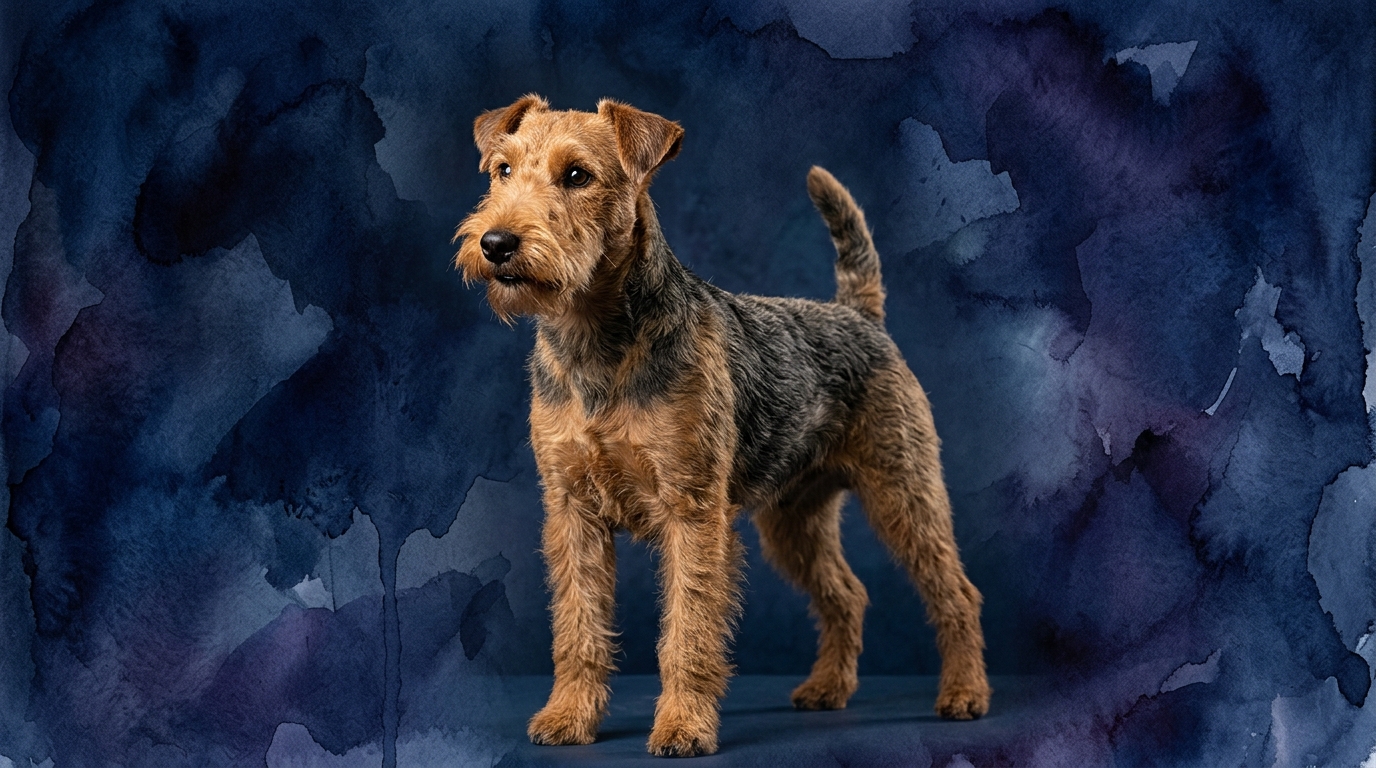
**Welsh Terrier Cognitive Profile:**
**Problem Solving (3/5):** The Welsh Terrier approaches challenges with a tenacious, independent spirit characteristic of its terrier heritage. A score of 3/5 indicates a competent ability to navigate complex environments or figure out how to access desired items, often employing physical manipulation or persistent effort. This isn't about complex abstract reasoning, but rather practical, hands-on solutions, like strategizing to get to a hidden toy or figuring out a gate latch. Their solutions are often driven by an underlying instinct to investigate and 'work' through a situation.
**Training Speed (3/5):** Learning new commands is within their grasp, as evidenced by a 3/5 score, but their independent streak means compliance isn't always immediate or guaranteed. They can quickly grasp what is being asked, yet their strong individual will means they often weigh the perceived benefit of obeying against their own desires in the moment. Effective training capitalizes on their desire for engagement and their capacity to learn, but requires consistency and motivation that can outcompete their inherent distractibility or self-directed nature.
**Social Intelligence (3/5):** A 3/5 in social intelligence suggests they are capable of reading human cues and understanding social dynamics within their pack, but they often do so with an eye towards their own role and agenda. They can interpret moods and intentions, but their responses might be assertive or independent rather than purely accommodating. They understand hierarchy but may test boundaries, demonstrating a nuanced social awareness that prioritizes their position and comfort.
**Instinctive Drive (3/5):** This score is a defining characteristic for the Welsh Terrier. A 3/5 reflects a robust expression of their core terrier instincts, including a strong prey drive, a propensity for digging, and an alert barking tendency. These drives are not overwhelming to the point of being unmanageable, but they are consistently present and require appropriate outlets and management. This drive is a powerful motivator, shaping many of their behaviors and interactions with the world.
**Memory (3/5):** Welsh Terriers possess a solid memory, enabling them to recall learned commands, routines, and past experiences. This 3/5 capacity means they remember both positive and negative associations, influencing their future responses to specific people, places, or training cues. They can form lasting habits and retain complex sequences, which is crucial for their working abilities and for navigating their established environment.
**Löwchen Cognitive Profile:**
**Problem Solving (3/5):** The Löwchen's 3/5 problem-solving ability often manifests in a distinctly social context. Rather than physical manipulation, they excel at figuring out how to gain attention, elicit play, or secure comfort from their human companions. This might involve subtle cues, persistent nudging, or even 'charming' their way into a desired outcome. Their problem-solving is less about overcoming physical obstacles and more about navigating interpersonal dynamics to achieve their goals within a domestic setting.
**Training Speed (3/5):** With a 3/5 in training speed, Löwchens generally demonstrate a good aptitude for learning. They are often eager to please their owners and respond well to positive reinforcement, making them quite receptive to new commands and tricks. Their responsiveness is fueled by their strong desire for connection and interaction, meaning they typically engage readily when training is made enjoyable and rewarding. While they learn quickly, their sensitivity can mean they are easily discouraged by harsh methods.
**Social Intelligence (3/5):** This is a standout area for the Löwchen, despite the identical numerical score. Their 3/5 in social intelligence is often expressed through a deep attunement to human emotions and household dynamics. They are highly observant of their family members' moods and often seek to integrate themselves seamlessly into social activities, demonstrating empathy and adaptability. They excel at reading subtle body language and vocal tones, adjusting their behavior to maintain harmony and closeness.
**Instinctive Drive (3/5):** The Löwchen's 3/5 instinctive drive leans heavily towards companionship, play, and a moderate protective instinct for their family. Unlike the terrier's prey drive, their drives are centered on social interaction and maintaining their role as a cherished member of the household. This might manifest as an alert bark when strangers approach or an enthusiastic desire to engage in interactive games, but generally lacks the intense predatory focus seen in working breeds.
**Memory (3/5):** A 3/5 memory score for the Löwchen means they effectively retain information related to social interactions, learned routines, and the emotional context of past experiences. They remember who is friendly, which games are most fun, and which behaviors earn them rewards or attention. This strong recall supports their adaptability within a family environment and helps them build deep, lasting bonds based on shared history and predictable interactions.
Where Welsh Terrier Wins Cognitively
Despite numerical equality, the Welsh Terrier's cognitive strengths shine in specific domains. Their 3/5 in Problem Solving, combined with their 3/5 Instinctive Drive, gives them a clear advantage in tasks demanding independent decision-making and robust physical engagement. For owners interested in scent work, earthdog trials, or complex puzzle toys requiring physical manipulation and perseverance, the Welsh Terrier's approach to problem-solving is often more direct and tenacious. They excel at figuring out how to "get" something, whether it's a burrowing creature or a treat hidden deep within a contraption, leveraging their inherent drive to investigate and overcome obstacles. Their memory (3/5) also serves them well in remembering complex sequences or routes in these more active, investigative pursuits.
Where Löwchen Wins Cognitively
Conversely, the Löwchen's cognitive strengths, while numerically similar, manifest differently. Their 3/5 in Social Intelligence is arguably more finely tuned for human interaction, making them adept at navigating the nuances of family life. They excel at reading subtle cues and adapting their behavior to maintain harmony and closeness within their human "pack." This translates to a superior ability to understand and respond to emotional states, making them exceptional companions for individuals seeking a deeply connected and responsive canine presence. Their problem-solving (3/5) is often geared towards social manipulation – figuring out how to get a cuddle, initiate play, or gain attention, rather than conquering a physical challenge. This makes them particularly adept at learning complex social routines and responding appropriately in varied domestic situations.
Which is Easier to Train and Why
When it comes to ease of training, the Löwchen generally holds an edge, despite both breeds scoring 3/5 in Training Speed. The Löwchen's inherent desire to please and their strong social intelligence (3/5) means they are often highly motivated by positive reinforcement and the opportunity to bond with their owner. They tend to be more sensitive and responsive to gentle guidance, making them eager participants in training sessions focused on connection and rewards. Their challenges might stem from being easily distracted by social stimuli or becoming discouraged by harsh corrections.
The Welsh Terrier, while equally capable of learning (3/5 Training Speed), presents a different training dynamic. Their strong instinctive drive (3/5) and independent nature mean they can quickly grasp commands but may choose not to comply if their attention is captured by something more compelling, like a scent or a perceived "prey." Training a Welsh Terrier often requires more patience, creativity, and consistency to make the desired behavior more rewarding than their inherent self-directed pursuits. They respond best to engaging, varied training methods that challenge their problem-solving abilities and keep them mentally stimulated, rather than rote repetition. Their tenacity, a hallmark of their problem-solving, can sometimes translate into stubbornness during training if they aren't convinced of the "why."
Which Suits Active Owners vs Relaxed Owners
For active owners seeking a robust partner for outdoor adventures and engaging challenges, the Welsh Terrier is an excellent fit. Their 3/5 instinctive drive and problem-solving abilities mean they thrive on significant physical exercise and mental stimulation. They enjoy long hikes, agility courses, earthdog trials, or extended sessions with puzzle toys. An owner who can provide consistent outlets for their boundless energy and tenacious spirit will find a loyal and enthusiastic companion. They are not content to be couch potatoes and require deliberate engagement to prevent boredom and potential destructive behaviors.
The Löwchen, on the other hand, can comfortably suit both active and more relaxed owners, though they lean towards the latter. While they enjoy regular walks, playtime, and mental stimulation through training, their energy needs are generally moderate. Their 3/5 social intelligence means they prioritize companionship and thrive on being an integral part of family life. They are adaptable dogs who are equally happy engaging in a spirited game of fetch in the yard or curling up for a snuggle on the sofa. Their primary requirement is consistent human interaction and affection, making them ideal for individuals or families who value a charming and adaptable companion who can adjust to various lifestyles, as long as they are included.
The Verdict
Choose the Welsh Terrier if you are an owner who appreciates an independent, spirited, and robust companion for outdoor adventures and engaging mental challenges, and who is prepared for consistent, creative training to channel their tenacious terrier drives.
Opt for the Löwchen if you are seeking a charming, adaptable, and highly social companion who thrives on connection and positive interaction, and who offers a delightful balance of playful energy and affectionate calm within a family setting.
🧠 Find Your Pet's IQ Score
Our Pet IQ Lab assessment covers 25+ tests across 5 cognitive dimensions — personalized to your breed.
Take the Full IQ Test →Frequently Asked Questions
How do identical IQ scores manifest differently in these breeds?
While both score 3/5, their breed purposes shape expression; Welsh Terriers apply problem-solving to physical tasks and independent work, while Löwchens leverage social intelligence for companion-oriented interactions and emotional responsiveness.
Is one breed more prone to barking than the other?
Welsh Terriers, with their terrier instincts and alert nature, often use barking to signal excitement, potential prey, or to sound an alarm. Löwchens can also be alert barkers, but their vocalizations are typically less persistent and more tied to guarding their immediate family or seeking attention.
Which breed is generally better suited for families with young children?
Löwchens often adapt more readily to families with children due to their social intelligence and desire for companionship, typically being gentle and patient. Welsh Terriers can be good with children but require careful socialization and supervision due to their independent nature and potential for boisterous play.