
Side-by-Side Cognitive Profiles
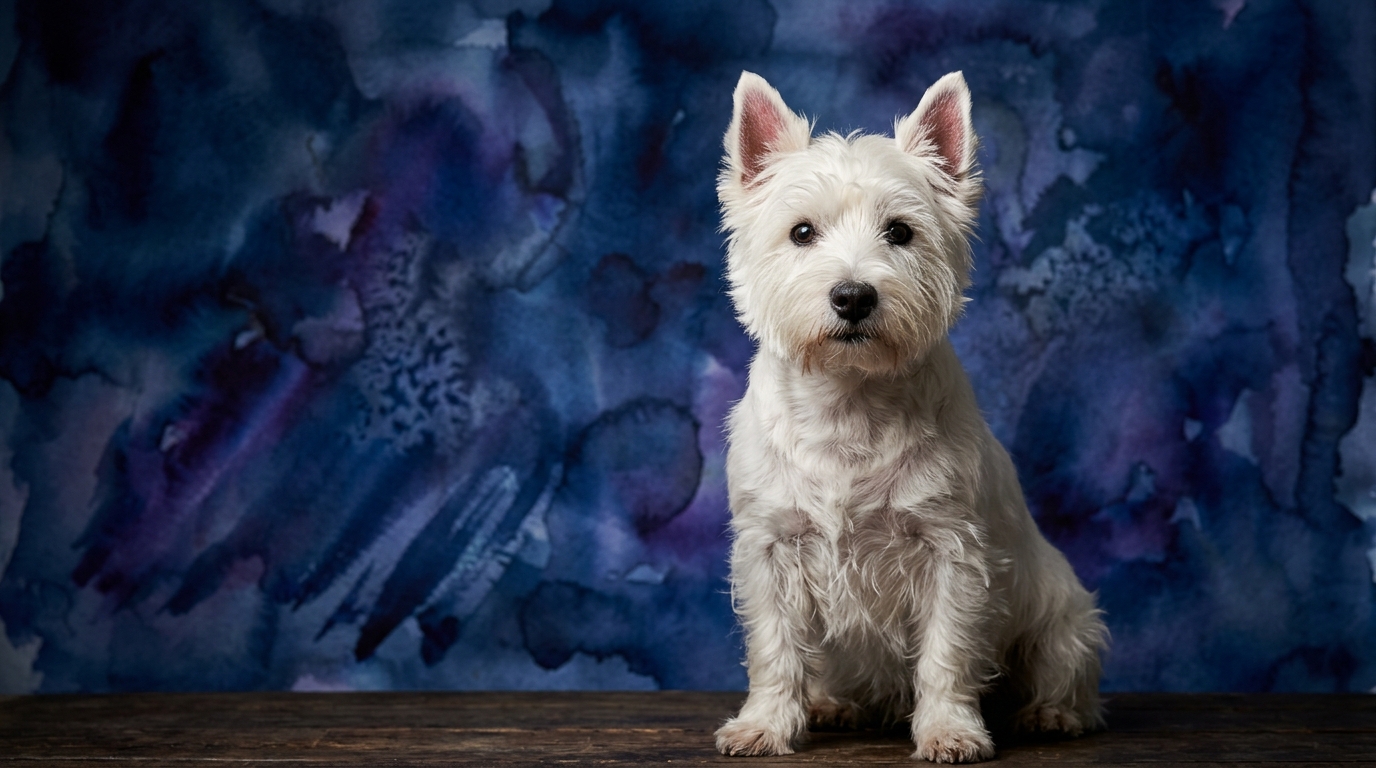
The Cosmic Pet Pet IQ Lab evaluates canine cognition across five key dimensions, offering a detailed snapshot of each breed's mental landscape. For the West Highland White Terrier, a spirited Terrier breed with a Coren rank of #47, we observe a balanced set of scores: Problem Solving 3/5, Training Speed 3/5, Social Intelligence 3/5, Instinctive Drive 3/5, and a notable Memory of 4/5.
In contrast, the Chinese Crested, a delicate Toy breed not listed on the Coren ranking, exhibits a slightly different, though largely similar, profile. This breed scores 3/5 across Problem Solving, Training Speed, Social Intelligence, Instinctive Drive, and Memory. While the numerical values appear close, understanding the context of these scores within each breed's heritage is paramount to appreciating their unique cognitive blueprints.
Where the West Highland White Terrier Excels Cognitively
The Westie's standout cognitive strength lies in its Memory, scoring an impressive 4/5. This suggests a superior capacity for retaining complex sequences of commands, remembering specific locations, and recalling learned behaviors over extended periods. For an owner, this translates to a dog that, once a command is truly ingrained, is less likely to 'forget' it, making them dependable in consistent routines and advanced training.
Furthermore, while their Problem Solving and Instinctive Drive both score 3/5, the Westie's terrier heritage shapes how these manifest. Their problem-solving often involves persistent, independent thought focused on achieving a goal, such as figuring out how to access a perceived 'prey' item or navigate a tricky obstacle. Their instinctive drive is deeply rooted in their original purpose: hunting small vermin. This manifests as a keen sense of smell, a desire to dig, and an independent spirit that, while challenging at times, also speaks to a focused, task-oriented intelligence when properly channeled.
Where the Chinese Crested Excels Cognitively
The Chinese Crested, with a consistent 3/5 across all dimensions, demonstrates a balanced and adaptable cognitive approach, especially within its role as a companion animal. While its Memory is rated 3/5, this indicates a solid ability to learn and recall daily routines, recognize family members, and understand household rules, perfectly sufficient for a loving pet. They remember kindness and gentle interactions vividly.
Their Social Intelligence, also 3/5, is often expressed through a profound sensitivity to human emotions and a strong desire for connection. They are adept at reading subtle cues from their owners, often anticipating needs or moods, which is a hallmark of a well-integrated companion. Their problem-solving, though not as independently driven as a Westie's, is often geared towards navigating social situations or finding the most comfortable, warm spot in the house, demonstrating a practical and comfort-oriented application of their intellect. Their instinctive drive, while not for hunting, is a powerful drive for companionship and warmth, a cognitive focus on maintaining close bonds.
Training Dynamics: Westie vs. Crested
Both breeds register a Training Speed of 3/5, indicating they learn at a moderate pace, but the 'how' of their training differs significantly due to their distinct temperaments. The West Highland White Terrier, with its independent terrier spirit and strong instinctive drive, often requires consistent, firm, and engaging training sessions. They respond well to methods that tap into their innate curiosity and desire for a 'job,' thriving on variety and positive reinforcement that feels like a game or a successful hunt. Their memory (4/5) means once they grasp a concept, it tends to stick, but overcoming their stubborn streak requires patience and making training more rewarding than their independent impulses.
The Chinese Crested, being a Toy breed, is often more sensitive and less inclined towards independent 'work.' Their training benefits immensely from gentle, positive reinforcement methods, focusing on building trust and making learning a pleasant, bonding experience. Harsh corrections can easily shut them down due to their delicate nature and strong social intelligence. While their memory (3/5) is good for routines, their motivation often stems from pleasing their beloved person and receiving affection, making them eager participants when handled with kindness and consistency. Their desire to be close to their owner can be a powerful training motivator, encouraging them to learn quickly if the reward is attention and praise.
Matching Breeds to Lifestyles: Active vs. Relaxed Owners
The choice between a West Highland White Terrier and a Chinese Crested often boils down to an owner's lifestyle and energy levels. The Westie is generally better suited for active owners who appreciate a dog with a robust personality and a need for regular physical and mental engagement. Their instinctive drive and problem-solving skills mean they thrive on walks, playtime, and even earthdog trials or agility. Owners who enjoy outdoor adventures, can provide consistent training, and don't mind a dog with a strong, independent will are likely to find a Westie a rewarding companion. They need an owner who can channel their terrier energy constructively.
Conversely, the Chinese Crested is an ideal match for more relaxed owners or those seeking a devoted, indoor companion. Their lower instinctive drive (in the context of 'work') and profound desire for human connection mean they are content with moderate exercise and thrive on companionship and affection. They are often happy to cuddle on the couch, enjoy short walks, and require less intense physical exertion. Owners who cherish a sensitive, affectionate, and somewhat delicate dog that prefers the warmth and comfort of home will find the Chinese Crested to be an incredibly loving and attentive partner. They are perfect for those who can offer ample lap time and gentle interaction.
The Verdict
Choose the West Highland White Terrier if you seek an independent, tenacious companion with a formidable memory, ready for engaging activities and consistent, stimulating training.
Opt for the Chinese Crested if you desire a sensitive, affectionate, and devoted lap dog who thrives on gentle companionship and a calm, indoor-centric lifestyle.
🧠 Find Your Pet's IQ Score
Our Pet IQ Lab assessment covers 25+ tests across 5 cognitive dimensions — personalized to your breed.
Take the Full IQ Test →Frequently Asked Questions
Which breed is generally more independent?
The West Highland White Terrier tends to be more independent due to its terrier heritage and strong instinctive drive for hunting. The Chinese Crested, being a Toy breed, typically displays a higher reliance on human companionship and seeks close proximity to its owners.
Do Chinese Cresteds have any unique social intelligence traits?
Yes, Chinese Cresteds often exhibit a remarkable sensitivity to their owners' moods and a strong desire to please, making them highly attuned companions. Their social intelligence is geared towards understanding and responding to human emotional states, forming deep bonds.
How does the Westie's memory of 4/5 benefit owners?
A Westie's superior memory means they are excellent at retaining learned commands and routines, making them dependable once trained. Owners can rely on their Westie to remember complex sequences or rules over long periods, provided training is consistent and engaging.