Side-by-Side IQ Profile
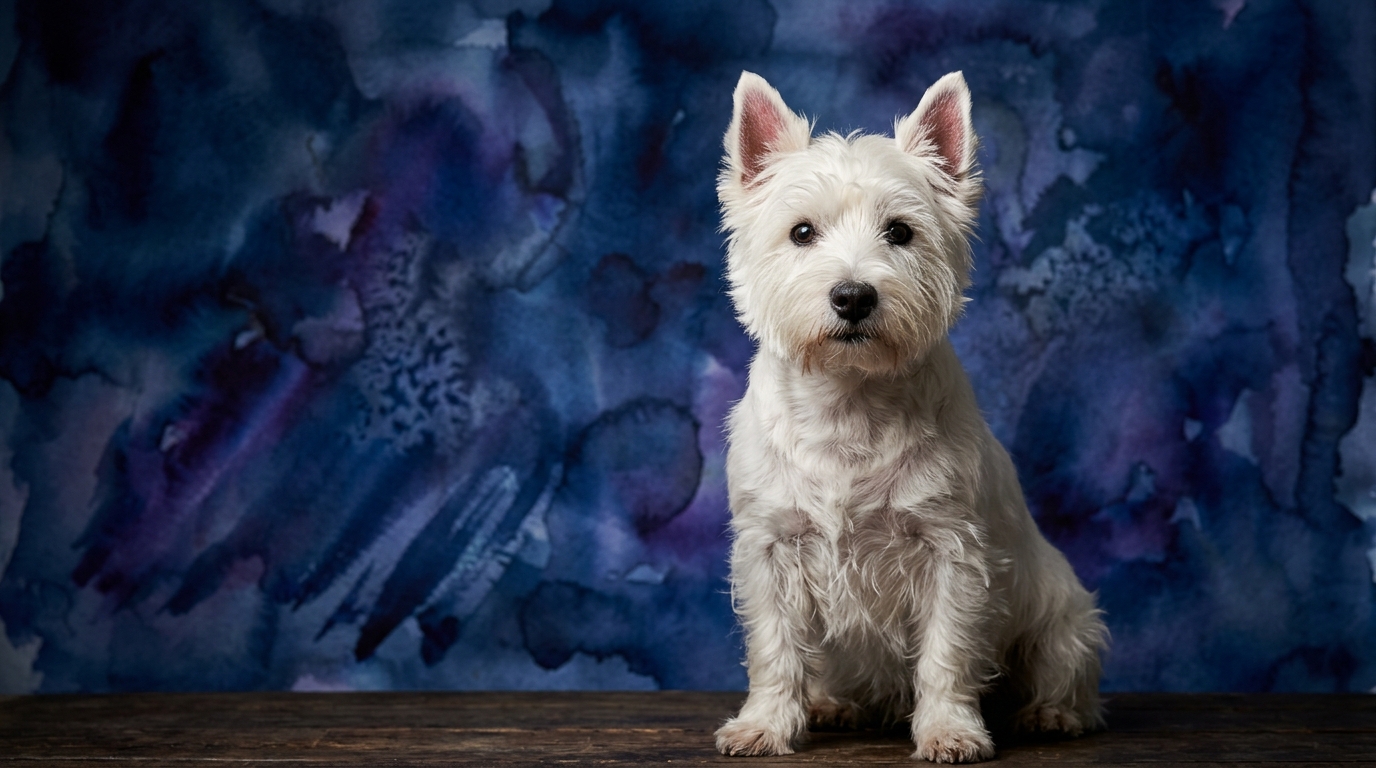
At The Cosmic Pet Pet IQ Lab, we dissect canine cognition across five key dimensions, offering a clearer picture than broad generalizations. For the West Highland White Terrier, our assessment shows a Problem Solving score of 3/5, indicating a solid capacity for navigating novel challenges, though not necessarily groundbreaking ingenuity. Its Training Speed also registers at 3/5, suggesting it learns new commands at a steady, average pace. Social Intelligence, reflecting its ability to interpret human cues and navigate social dynamics, is likewise 3/5, pointing to a capable but often independent social nature typical of terriers. The Westie’s Instinctive Drive, a measure of its inherent prey drive and working instincts, scores 3/5, reinforcing its terrier roots. However, where the Westie truly distinguishes itself is in Memory, earning a robust 4/5, suggesting superior retention of information over time. This breed also holds a respectable Coren rank of #47, affirming its place among breeds known for good working and obedience intelligence.
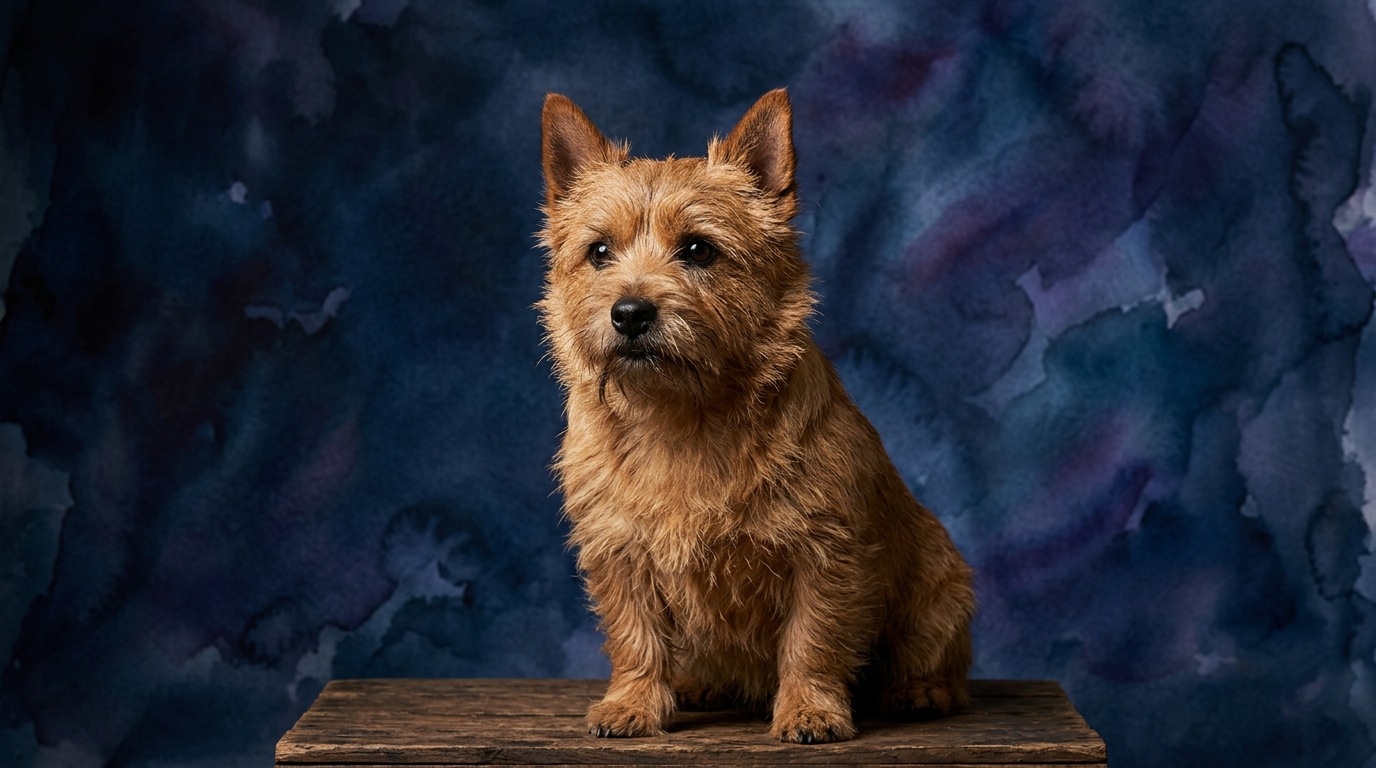
The Norwich Terrier, while sharing many terrier traits, presents a slightly different cognitive fingerprint. It matches the Westie with a Problem Solving score of 3/5, demonstrating comparable aptitude for figuring things out. Its Training Speed is also 3/5, indicating a similar learning pace for new tasks. Social Intelligence aligns at 3/5, meaning it possesses a similar capacity for understanding and interacting with its human companions. Its Instinctive Drive, a foundational terrier trait, also scores 3/5, reflecting its strong prey drive and energetic disposition. The primary distinction in its profile appears in Memory, where the Norwich scores 3/5, indicating adequate but not exceptional retention compared to its Westie counterpart. Notably, the Norwich Terrier is not ranked on Coren's scale, which doesn't diminish its cognitive abilities but rather signifies less formal study or a less generalized 'working' intelligence in traditional metrics, yet its consistent 3/5 scores across most dimensions paint a picture of balanced, reliable cognition.
Where West Highland White Terrier Wins Cognitively
The West Highland White Terrier's clear cognitive advantage lies in its Memory, rated at an impressive 4/5. This isn't merely a numerical difference; it translates into tangible benefits for an owner. A Westie with a 4/5 memory is more likely to retain complex sequences of commands or multi-step tricks with fewer repetitions over time. For instance, an agility course, once learned, may be recalled more consistently even after a break, making advanced training sessions more efficient and rewarding. They tend to remember specific names for toys or people with greater precision and for longer durations. This robust memory also contributes to more consistent adherence to household rules and boundaries once they are firmly established, as they are less prone to 'forgetting' what is expected of them. For owners who enjoy teaching a wide repertoire of commands, engaging in advanced dog sports, or simply appreciate a companion who remembers details with clarity, the Westie's superior memory offers a distinct cognitive edge.
Where Norwich Terrier Wins Cognitively
While the Norwich Terrier doesn't boast a higher score in any single cognitive dimension compared to the Westie, its 'win' lies in its consistent and robust balance across the board. Earning a solid 3/5 in Problem Solving, Training Speed, Social Intelligence, and Instinctive Drive, the Norwich exemplifies a reliably capable and adaptable terrier. This consistency means an owner can expect a predictable cognitive profile without significant strengths or noticeable weaknesses in these core areas. Its steady Problem Solving ability ensures it can navigate typical doggy dilemmas with ingenuity, while its 3/5 Training Speed means it's perfectly capable of learning common commands and routines at an average pace. The Norwich Terrier's consistent Instinctive Drive of 3/5 further highlights its steadfast terrier nature, making it a quintessential companion for those who appreciate the breed's spirited, purposeful character. For owners seeking a companion with a uniformly dependable cognitive makeup, free from extremes in any one area, the Norwich Terrier's balanced intelligence offers a unique kind of consistent excellence.
Which is Easier to Train and Why
When evaluating ease of training, both the West Highland White Terrier and the Norwich Terrier present similar initial learning curves, as both score 3/5 in Training Speed. This suggests that neither breed will pick up new commands at a lightning-fast pace, nor will they be exceptionally slow; they learn at a moderate, steady rate. However, the Westie's superior Memory (4/5 versus Norwich's 3/5) becomes a significant factor in long-term training efficacy. While both might learn a new trick in a similar number of sessions, the Westie is more likely to retain that knowledge with fewer refresher sessions over weeks or months. This means that for maintaining a broad repertoire of commands or complex routines, the Westie might prove less demanding in terms of ongoing reinforcement.
Both breeds share a 3/5 score in Instinctive Drive, which is a hallmark of the terrier group. This translates to an inherent independence and often a strong prey drive, which can manifest as selective hearing when an enticing scent or moving object captures their attention. Neither breed is inherently a 'people pleaser' in the way some retriever breeds are, meaning consistent, positive reinforcement and patience are crucial for both. Their 3/5 Social Intelligence indicates they are capable of understanding human cues, but their strong will means owners must be clear, consistent, and engaging. Ultimately, while both require dedication, the Westie's stronger memory may offer a slight advantage in the longevity and reliability of learned behaviors, potentially making it 'easier' to maintain a well-trained companion over time.
Which Suits Active Owners vs Relaxed Owners
Neither the West Highland White Terrier nor the Norwich Terrier can truly be classified as a breed for 'relaxed' owners in the sense of a sedentary lifestyle. Both are terriers, and their shared Instinctive Drive of 3/5 means they possess an innate energy and curiosity that demands regular physical and mental engagement. They thrive on activity, exploration, and having a 'job' to do, even if that job is simply patrolling the garden or engaging in vigorous play.
For active owners, both breeds are excellent choices. The Westie, with its 3/5 Problem Solving and 4/5 Memory, is well-suited for activities that require both physical exertion and mental acuity, such as agility, advanced obedience, or competitive trick training. Its ability to remember complex sequences makes it a rewarding partner for owners keen on structured dog sports. The Norwich Terrier, with its consistent 3/5 across Problem Solving and Instinctive Drive, also flourishes with active engagement. It might lean more towards exploring new environments, engaging in robust games of fetch, or 'hunting' for toys. While its memory isn't as high as the Westie's, its overall robust cognitive profile ensures it's always ready for an adventure and enjoys learning new things. For owners who might describe themselves as 'relaxed,' it's important to understand that both breeds require consistent daily walks, playtime, and mental stimulation to prevent boredom and potential behavioral issues. A 'relaxed' owner for these breeds would still need to commit to daily engagement. The Westie's stronger memory might mean it requires more complex mental challenges to stay stimulated if not actively engaged, whereas the Norwich's consistent, yet slightly less memory-intensive, profile might be content with a slightly simpler, but still active, routine. Ultimately, both are spirited companions that thrive with owners who embrace an active, engaging lifestyle.
The Verdict
Choose the West Highland White Terrier if you prioritize a companion with exceptional memory, capable of retaining complex routines and a wide range of commands over time, making advanced training efforts more enduring.
Choose the Norwich Terrier if you value a consistently robust and balanced cognitive profile in a spirited terrier, offering predictable capabilities across problem-solving, social interaction, and training, without requiring a focus on exceptional memory.
🧠 Find Your Pet's IQ Score
Our Pet IQ Lab assessment covers 25+ tests across 5 cognitive dimensions — personalized to your breed.
Take the Full IQ Test →Frequently Asked Questions
Are West Highland White Terriers truly smarter than Norwich Terriers?
Based on our IQ Lab scores, the West Highland White Terrier shows a distinct advantage in memory (4/5 vs 3/5), which can impact their ability to retain complex information over time. In other cognitive areas like problem-solving and training speed, their profiles are quite similar, suggesting comparable overall intellectual capabilities.
Do both breeds have strong terrier instincts?
Yes, both the West Highland White Terrier and the Norwich Terrier score 3/5 in Instinctive Drive, indicating they possess strong, inherent terrier traits. This includes a notable prey drive, a spirited disposition, and a degree of independence that is characteristic of the breed group.
How does the Coren rank factor into this comparison?
The West Highland White Terrier's Coren rank of #47 places it within the category of dogs with above-average working and obedience intelligence, often learning new commands in 15-25 repetitions. The Norwich Terrier is not Coren-ranked, which simply means it hasn't been as widely studied or assessed against these specific metrics, not that it lacks cognitive abilities.