
Side-by-Side Cognitive Profiles
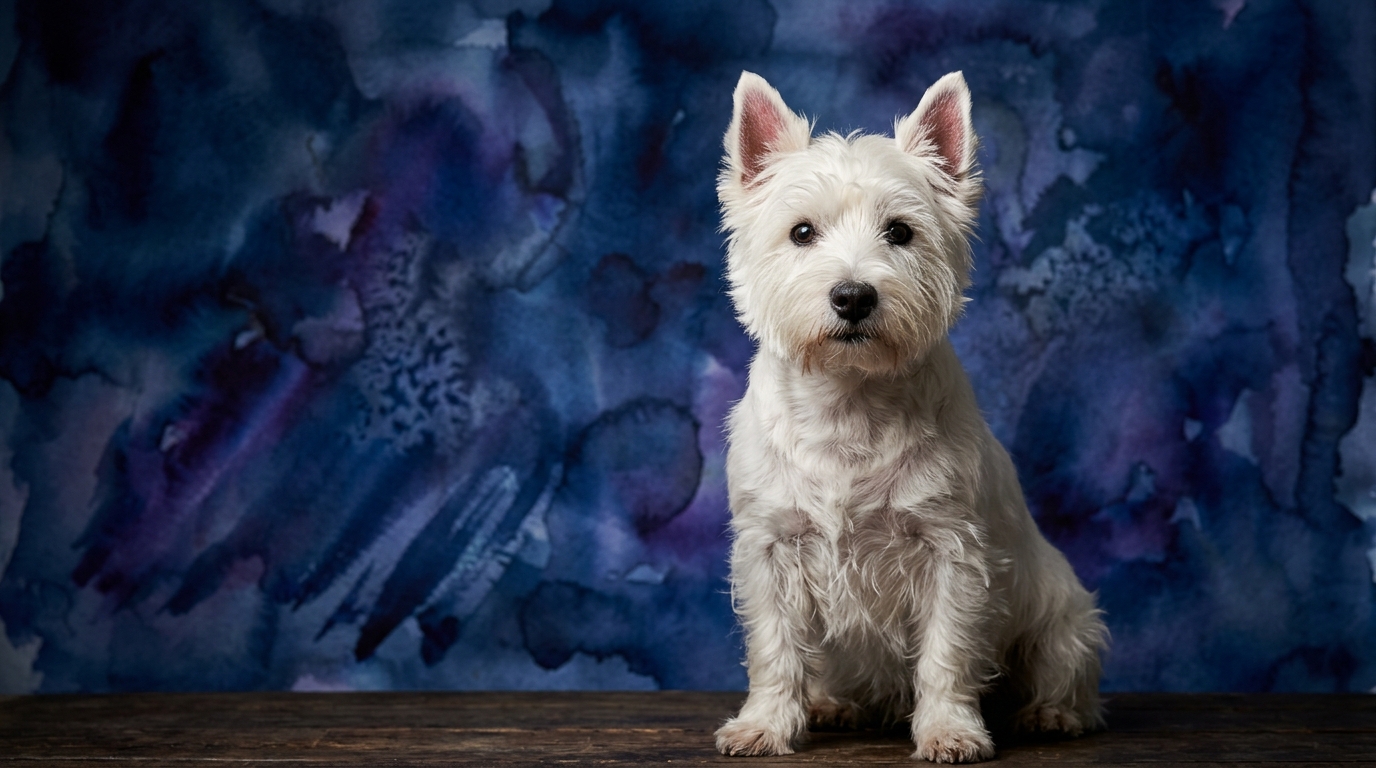
Delving into the West Highland White Terrier's cognitive makeup, we observe a nuanced set of abilities. Their Problem Solving is rated 3/5, meaning Westies demonstrate a moderate capacity, often employing their terrier tenacity to overcome practical obstacles, like figuring out how to retrieve a toy from under furniture through persistent, direct action. Their Training Speed also stands at 3/5; while capable, their independent spirit and occasional stubbornness necessitate consistent, positive reinforcement and engaging methods to maintain focus, as repetitive drills can lead to disengagement. Social Intelligence for a Westie is 3/5; they are generally adaptable and form strong family bonds, but their terrier nature means they can be opinionated with other dogs or strangers, requiring careful socialization. An Instinctive Drive of 3/5 is strongly rooted in their heritage, manifesting as a prey drive, an inclination to dig, and a watchful nature that needs appropriate outlets. Where they truly shine is Memory, scoring 4/5, indicating a strong ability to retain learned commands, routines, and experiences effectively, contributing to their efficient learning and adaptation over time.
The Rhodesian Ridgeback presents a distinct cognitive profile, equally compelling. Their Problem Solving, like the Westie, rates 3/5. This intelligence often manifests in practical, situation-specific ways, particularly when navigating their environment or achieving a desired outcome, often with calm ingenuity. Training Speed is also 3/5; Ridgebacks are intelligent and capable, but their independent, sometimes stoic nature demands a confident, consistent, and fair trainer. They respond best to methods that respect their intelligence and avoid harsh corrections, as they will question commands if they don't see the point. Social Intelligence is 3/5; Ridgebacks are generally reserved with strangers but deeply devoted to their families, forming strong, protective bonds. Early and consistent socialization is crucial to ensure they are well-adjusted and confident in new social settings. Their Instinctive Drive is 3/5, stemming from their history as hunting dogs in Africa, including a strong prey drive, keen observation, and a protective instinct towards their home and family, which requires channeling through appropriate activities. For Memory, Ridgebacks score 3/5; they retain learned commands and routines, but perhaps not with the same vivid recall as a Westie, making consistency in training and reinforcement important to solidify behaviors over the long term.
Where the Westie Cognitively Excels
The West Highland White Terrier's primary cognitive advantage lies in its superior memory, scoring 4/5 compared to the Ridgeback's 3/5. This enhanced recall means Westies are more likely to quickly cement learned behaviors and routines, potentially requiring fewer repetitions over their lifetime to maintain proficiency in commands or house rules. Their strong memory also aids in navigation and remembering specific locations for favored toys or treats, making them particularly adept at learning complex routes or sequences of actions if consistently reinforced. This cognitive edge allows a Westie to build upon past experiences with notable efficiency, making them less likely to forget specific training cues even after a hiatus.
Where the Rhodesian Ridgeback Cognitively Excels
While both breeds share similar scores across most cognitive dimensions, the Rhodesian Ridgeback often exhibits a nuanced advantage in applying its problem-solving and social intelligence in real-world, dynamic scenarios, particularly those requiring composure and independent judgment. Though their problem-solving score is identical, a Ridgeback's solutions can often be characterized by a calm assessment and a direct, efficient approach, especially when dealing with environmental challenges or protective duties. Their moderate social intelligence, combined with their history as guardians, allows them to process social cues with a reserved discernment, often making them less impulsive in new social settings than a Westie might be, preferring to observe before engaging. This thoughtful approach can translate into a more measured response in complex situations.
Training Dynamics: Which is Easier and Why
Both the Westie and the Ridgeback share a 'Training Speed' score of 3/5, indicating that neither is inherently 'easy' nor 'difficult' to train, but their training approaches differ significantly due to their behavioral underpinnings. The Westie's stronger memory (4/5) might suggest a slight edge in retaining learned behaviors once taught, potentially requiring fewer refreshers. However, their independent, sometimes opinionated terrier nature means engaging them consistently can be a challenge; they need training to feel like a game or a rewarding interaction, lest they decide there are more interesting things to do. A Westie is more likely to test boundaries and offer a 'what's in it for me?' attitude, demanding creative and patient trainers who can make learning fun and rewarding.
The Rhodesian Ridgeback, despite a slightly lower memory score (3/5), possesses a strong desire to please its chosen human, coupled with a calm, discerning nature. While they might take a bit longer to commit a new command to long-term memory, once they understand the purpose and respect their trainer, they are generally more willing to comply consistently. Their training challenges often stem from their independent thought and potential for stubbornness if they perceive a command as illogical or if the trainer lacks confidence. Therefore, training a Ridgeback requires a firm yet gentle hand, consistency, and establishing clear leadership, which, once achieved, can lead to a highly responsive companion. For an experienced owner who can provide confident leadership, the Ridgeback might *feel* easier to train in terms of consistent compliance, whereas the Westie might *learn* faster but require more ongoing negotiation.
Matching Breeds to Lifestyles: Active vs. Relaxed Owners
The choice between a Westie and a Ridgeback depends heavily on an owner's lifestyle and their willingness to engage with the breed's specific needs. West Highland White Terriers, with their moderate instinctive drive (3/5) and spirited personalities, suit owners who are active in short bursts and enjoy engaging in interactive play and mental stimulation. They thrive on daily walks, puzzle toys, and opportunities to 'hunt' for treats or toys indoors and in a secure yard. While they aren't marathon runners, their need for mental engagement and outlet for their terrier instincts means a 'relaxed' owner who prefers minimal interaction might find their energy and curiosity overwhelming. They fit well with owners who enjoy structured playtimes and consistent, stimulating routines, and who appreciate a dog with a robust personality.
Rhodesian Ridgebacks, with their similar moderate instinctive drive (3/5) but larger size and historical purpose, require significantly more physical exertion and mental engagement to truly thrive. They are built for endurance and need substantial daily exercise, such as long runs, hikes, or vigorous play sessions. A relaxed owner who cannot commit to at least 60-90 minutes of dedicated physical activity daily would find a Ridgeback challenging, as their pent-up energy can lead to destructive behaviors. They are best suited for highly active owners who enjoy outdoor adventures and can provide consistent, structured activities that tap into their natural athleticism and keen senses. While they can be calm indoors once exercised, their need for expansive physical outlets means they are not a match for a truly sedentary lifestyle.
The Verdict
Opt for a Westie if you appreciate a spirited companion with excellent memory, a moderate need for physical activity that can be met with engaging play, and the willingness to navigate a dog with a strong, independent personality. They thrive with owners who enjoy interactive training sessions and can provide consistent mental enrichment to channel their terrier instincts.
Select a Rhodesian Ridgeback if you lead a highly active lifestyle, can commit to significant daily exercise, and are prepared to offer confident, consistent leadership to a dog that combines physical prowess with a thoughtful, reserved demeanor. They are ideal for owners seeking a devoted, protective companion who thrives on outdoor adventures and structured training.
🧠 Find Your Pet's IQ Score
Our Pet IQ Lab assessment covers 25+ tests across 5 cognitive dimensions — personalized to your breed.
Take the Full IQ Test →Frequently Asked Questions
Do Westies or Ridgebacks bark more?
Westies, due to their terrier nature and alertness, are generally more prone to barking at perceived threats or novelties. Ridgebacks are typically quieter, barking only when necessary, often with a deeper, more purposeful tone.
Are Westies or Ridgebacks better with children?
Both breeds can be good with children, but require proper socialization and supervision. Westies are sturdy but can be nippy if provoked, while Ridgebacks are generally patient but their size requires careful management around very young children.
Which breed is more adaptable to apartment living?
The West Highland White Terrier is generally more adaptable to apartment living due to its smaller size, provided its exercise and mental stimulation needs are consistently met. A Rhodesian Ridgeback, due to its size and high exercise requirements, is better suited to homes with large, secure yards.