Side-by-Side IQ Profile
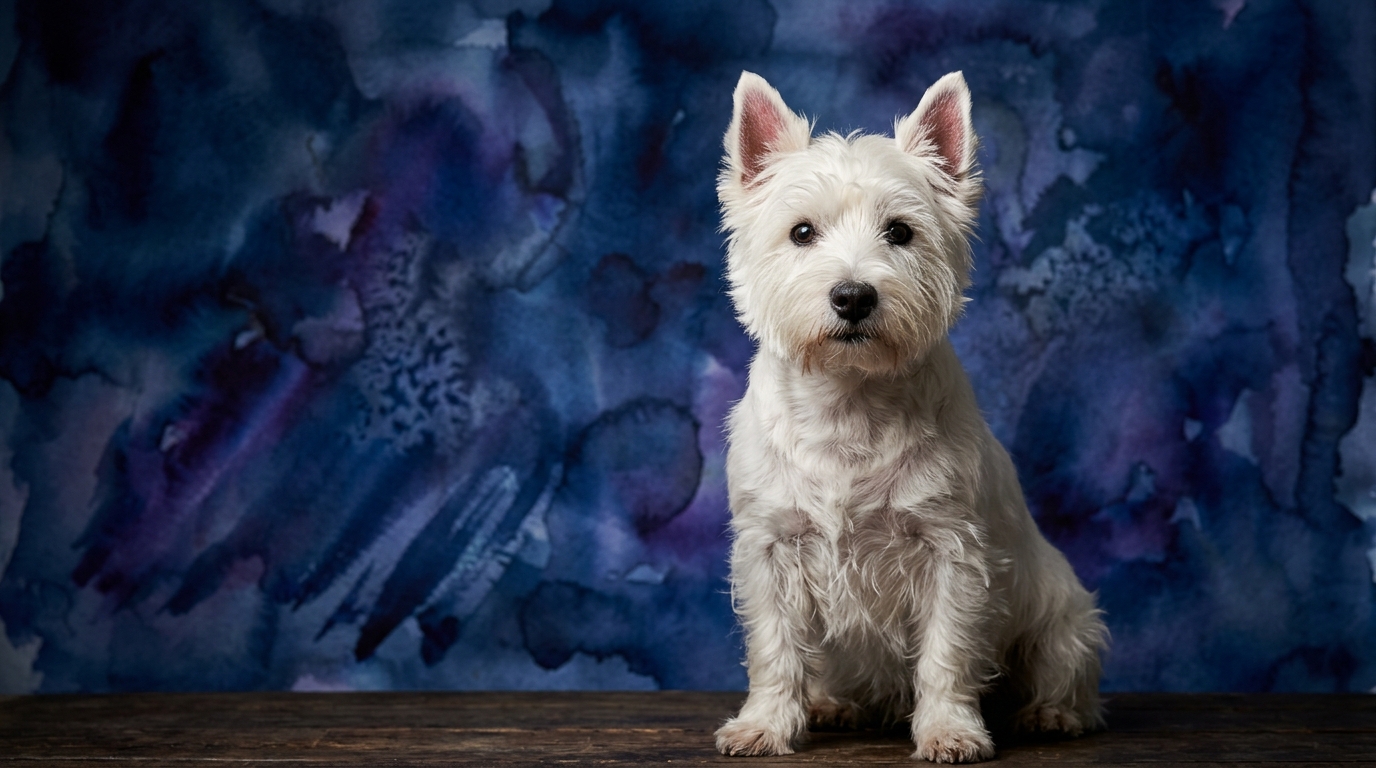
**West Highland White Terrier (Coren Rank #47):** This terrier exhibits a Problem Solving score of 3/5, adept at navigating its immediate environment and often finding creative solutions to access desired objects or explore new spaces, reflecting its tenacious roots. Its Training Speed is 3/5, meaning it learns new commands at a moderate pace, but consistent, engaging methods are key to overcoming its independent streak. Social Intelligence is rated at 3/5, indicating a capacity for forming strong bonds and reading human cues, yet often maintaining a self-assured demeanor, not always seeking constant approval. An Instinctive Drive of 3/5 means it possesses a robust prey drive, manifesting as a keen interest in chasing small animals and exploring scents, a hallmark of its working terrier heritage. Its Memory, at 4/5, stands out, showing a strong capacity for retaining learned behaviors and recalling past experiences, making long-term training efforts potentially more fruitful.
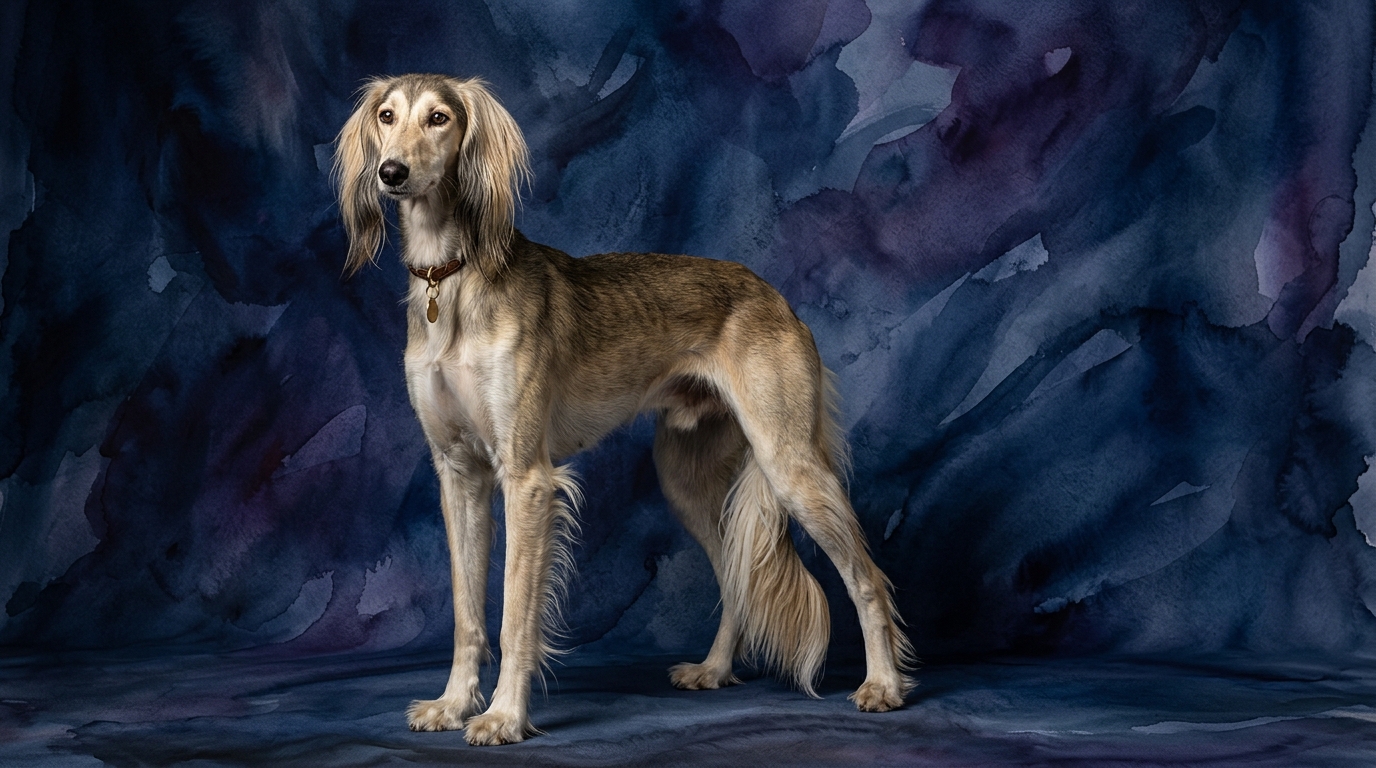
**Saluki (Not Coren-Ranked):** The Saluki also scores 3/5 for Problem Solving, but this manifests as a specialized form, particularly in open spaces where it navigates complex terrain and tracks moving targets, rather than abstract puzzles. Its Training Speed is 3/5, learning commands at a moderate pace and often requiring patient, positive reinforcement due to its independent nature and selective hearing. Social Intelligence is 3/5, forming deep, often reserved bonds with its chosen family, displaying a discerning social approach that values quiet companionship over boisterous interaction. An Instinctive Drive of 3/5 is powerful, driven by its sighthound nature to chase moving objects, a fundamental aspect of its ancient hunting purpose that often overrides other impulses. Its Memory, at 3/5, is functional, capable of recalling routines and familiar commands, though perhaps less inclined to dwell on past human-initiated training nuances than some other breeds.
Where West Highland White Terrier Wins Cognitively
The West Highland White Terrier’s superior memory, rated at 4/5 compared to the Saluki’s 3/5, stands out as a significant cognitive advantage. This enhanced recall means a Westie is generally better at cementing learned behaviors over time, requiring fewer repetitions to maintain proficiency in commands or routines. For an owner, this translates to a dog that might remember its house rules or specific tricks with greater longevity, even after periods of inactivity. Furthermore, this memory capacity, combined with its 3/5 problem-solving ability, often fuels its persistent, resourceful approach to tasks. A Westie is more likely to remember past attempts and adjust its strategy when trying to, for example, retrieve a toy stuck under furniture, demonstrating a tenacious application of its cognitive resources. Its tenacious nature, often perceived as stubbornness, is underpinned by this persistent memory, allowing it to hold onto objectives and past successes or failures more vividly, guiding its future actions.
Where Saluki Wins Cognitively
While the Saluki's scores might not numerically surpass the Westie's in most categories, its cognitive strengths lie in its specialized application of intelligence, particularly its instinctive drive (3/5) and a unique form of problem-solving (3/5) tailored for its sighthound heritage. The Saluki excels in tasks requiring independent decision-making at high speeds across varied terrain. Its brain is finely tuned for spotting, tracking, and pursuing fast-moving prey over long distances, demanding a continuous, dynamic assessment of environmental factors like wind, obstacles, and prey evasion tactics. This isn't about solving human-devised puzzles but about real-world, survival-oriented cognitive processing. Its social intelligence, also 3/5, manifests as a discerning and often reserved connection, indicating a breed that processes social cues with a quiet observation rather than an overt eagerness. This cognitive independence means a Saluki often performs best when given a task that aligns with its inherent drive, requiring it to think for itself in a way that its ancestors did when hunting without direct human command, a specialized form of cognitive mastery.
Which is Easier to Train and Why
Comparing the West Highland White Terrier and Saluki for ease of training reveals nuanced differences, even with both breeds sharing a 3/5 rating for training speed and social intelligence. The Westie, with its 4/5 memory, generally holds an edge in retaining commands and routines more consistently over time. While it possesses a strong-willed terrier spirit that can test an owner's patience, its ability to recall past lessons means that once a behavior is learned, it tends to stick. Training a Westie often requires creativity and persistence to channel its instinctive drive (3/5) into desired behaviors, leveraging its problem-solving abilities to make learning engaging. Conversely, the Saluki’s training journey is shaped by its profound independent nature and sighthound instincts. Its 3/5 memory, while functional, might mean that lessons need more frequent reinforcement, and its attention can be easily diverted by visual stimuli due to its powerful instinctive drive (3/5). Salukis are not typically driven by an overwhelming desire to please, making positive reinforcement and understanding their intrinsic motivations crucial. Their social intelligence (3/5) allows for deep bonds, but this doesn't always translate to eager obedience; rather, it fosters a partnership where mutual respect is key. Therefore, while both require consistent effort, the Westie's stronger memory might make the long-term retention of specific tasks slightly more straightforward, whereas the Saluki demands an approach that respects its independent thought and specialized drives.
Which Suits Active Owners vs Relaxed Owners
Deciding between a West Highland White Terrier and a Saluki based on owner lifestyle requires a clear understanding of their distinct energy profiles, rooted in their cognitive makeup. The Westie, with its terrier heritage and robust instinctive drive (3/5), is better suited for moderately active owners who enjoy engaging in interactive play, consistent training, and regular walks. Its problem-solving (3/5) and memory (4/5) make it an excellent candidate for dog sports like agility or earthdog trials, where its tenacity and recall are assets. While it enjoys downtime, a Westie thrives on mental and physical stimulation to prevent boredom and channel its inherent drive, making it a good fit for families who can provide structured activities and mental challenges. The Saluki, on the other hand, presents a fascinating paradox. Its powerful instinctive drive (3/5) for chasing means it requires significant opportunities for off-leash running in secure, expansive areas to truly satisfy its sighthound nature. However, once these bursts of energy are expended, Salukis are renowned for their calm, almost regal demeanor indoors, making them surprisingly suitable for owners who appreciate quiet companionship at home. They are not typically "go-go-go" all day but need intense, focused activity. Therefore, the Saluki suits active owners who can provide dedicated, high-intensity exercise sessions, but also appreciate a relaxed, dignified presence indoors, making them less ideal for owners seeking a constantly interactive, high-energy indoor companion.
The Verdict
Choose the West Highland White Terrier if you desire a tenacious, clever companion with excellent memory, thriving on consistent engagement and structured activities, and if you appreciate a dog that remembers its training well over time.
Opt for the Saluki if you are an owner who can provide ample secure space for high-speed running, values a dignified, independent companion, and appreciates a dog whose intelligence manifests in specialized, instinct-driven pursuits rather than eager compliance.
🧠 Find Your Pet's IQ Score
Our Pet IQ Lab assessment covers 25+ tests across 5 cognitive dimensions — personalized to your breed.
Take the Full IQ Test →Frequently Asked Questions
Are West Highland White Terriers difficult to train?
Westies have a moderate training speed (3/5) and a strong memory (4/5), which means they can learn well. However, their independent terrier spirit and instinctive drive (3/5) require consistent, positive, and engaging training methods to overcome their occasional stubbornness.
How does a Saluki's independence affect its trainability?
A Saluki's independence, linked to its instinctive drive (3/5) for sighthound pursuits, means it often makes its own decisions, especially when visually stimulated. This requires patient, reward-based training that respects its nature and focuses on building a strong, trusting relationship rather than demanding constant obedience.
Which breed is better for a first-time dog owner?
Neither breed is typically recommended as the easiest for a first-time owner due to their unique needs and strong independent streaks. However, a Westie's better memory and slightly more adaptable nature might present fewer challenges in consistent training compared to a Saluki's profound sighthound instincts and need for specific exercise outlets.